966 Israeli settlers enter Al-Aqsa compound as tensions rise during Sukkot in Jerusalem
Palestinian authorities said 966 Israeli settlers entered the Al-Aqsa Mosque compound on 29 September as heightened security measures and reported assaults accompanied Sukkot observances in Jerusalem’s Old City.
- Palestinian authorities said 966 Israeli settlers entered the Al-Aqsa compound on 29 September.
- The Jerusalem Governorate reported assaults and movement restrictions around Damascus Gate and the Old City.
- The incidents occurred during Sukkot amid longstanding disputes over the compound’s status quo arrangements.

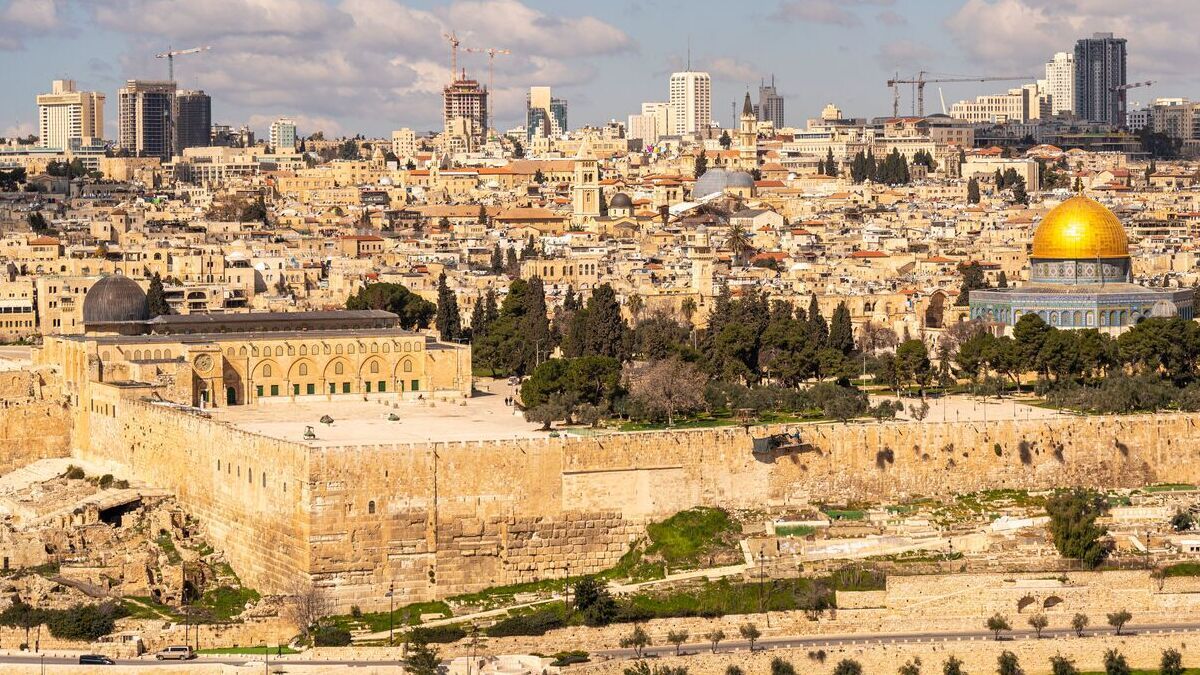
A total of 966 Israeli settlers entered the Al-Aqsa Mosque compound in Jerusalem on Tuesday (29 September), according to the Palestinian News and Information Agency (WAFA), as heightened security measures were imposed around the Old City during the Jewish festival of Sukkot.
The Jerusalem Governorate said the groups entered through the Moroccan Gate under heavy Israeli police protection and carried out religious rituals, including prayers, singing and other ceremonies in the compound's courtyards.
Palestinian residents were also reported to have been assaulted around Damascus Gate in the Old City.
The latest incidents followed a larger movement into the compound on Monday, when Palestinian authorities said 1,731 Israeli settlers entered in successive groups. The figures are provided by Palestinian authorities and were not independently verified.
Palestinians report assaults in Old City
The Jerusalem Governorate said Palestinians were attacked around Damascus Gate during Tuesday's events, with those affected including elderly people, women, shopkeepers, journalists and photographers.
It said some residents were physically assaulted and dragged, while restrictions were imposed on movement around the Old City and Al-Aqsa. The governorate also reported that roads and intersections leading towards the compound were closed or restricted during the holiday.
WAFA reported that the restrictions coincided with increased security measures around the mosque and the Old City.
The reports come as Sukkot, also known as the Feast of Tabernacles, is being observed from 26 September to 2 October this year.
Ben-Gvir visited the compound
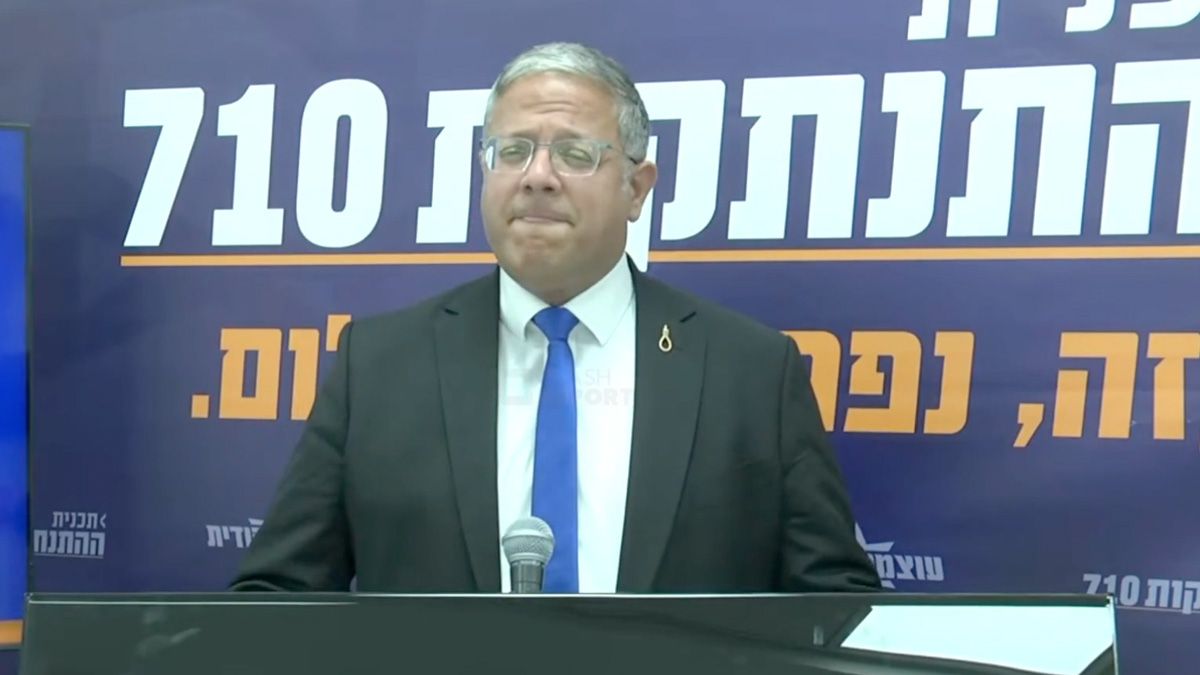
The developments followed a visit to the compound on Monday by Israeli National Security Minister Itamar Ben-Gvir, who entered under police protection during Sukkot.
Ben-Gvir said Israel was now "the masters of the Temple Mount" and described the site as the most important place for the Jewish people. His remarks were reported by Israeli and international media.
The Temple Mount is the name commonly used by Jews for the site, while Muslims refer to it as the Noble Sanctuary, which contains the Al-Aqsa Mosque compound. The site is among the most sensitive religious locations in Jerusalem.
According to the Times of Israel, Jewish prayer at the site remains officially prohibited under the longstanding arrangements governing the compound, although Ben-Gvir has repeatedly advocated allowing Jewish prayer there.
Israel maintains overall security at the site, while the Islamic Waqf administers religious affairs.
Al-Aqsa’s status has long been disputed
The compound is located in East Jerusalem, which Israel captured from Jordan during the 1967 Middle East war and later annexed in a move that is not recognised internationally.
Under the longstanding status quo arrangements, the Islamic Waqf administers the compound and Muslim worship takes place there. Jewish worship is conducted at the Western Wall, immediately outside the compound, while visits by Jewish groups to the Temple Mount have become a recurring source of tension.
Israeli police have allowed organised groups of Jewish visitors to enter the compound during designated visiting hours. The practice has become particularly prominent during Jewish holidays, when larger numbers of visitors gather at the site.
The site has also become a focal point in wider Israeli-Palestinian tensions. Visits by Israeli political figures, particularly Ben-Gvir, have previously drawn criticism from Palestinian officials and Arab governments because of concerns over the existing arrangements governing the compound.
More than 40,000 visits reported this year
The Jerusalem Governorate said more than 40,661 Israeli settlers had entered the Al-Aqsa compound between January and the end of August 2026. It also said approximately 800 orders restricting Jerusalem residents from entering the mosque had been issued between the beginning of the year and early September.
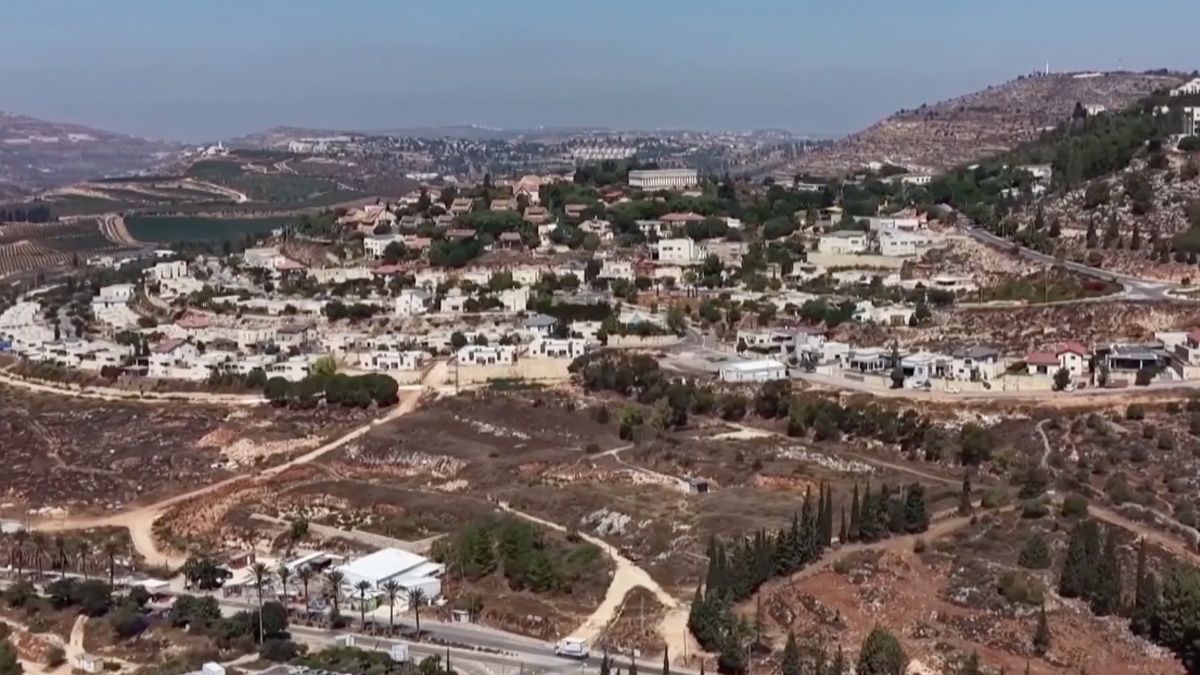
The reported figures come amid broader tensions in the occupied West Bank and East Jerusalem.
The United Nations Office for the Coordination of Humanitarian Affairs (OCHA) reported that more than 1,600 settler attacks resulting in Palestinian casualties, property damage or both had been recorded across the West Bank between January and August 2026.
The attacks affected 275 Palestinian communities during the first eight months of the year.
OCHA also reported continuing demolitions, displacement and restrictions on movement in East Jerusalem and other parts of the West Bank. Its reports cover the wider occupied Palestinian territory and do not specifically attribute the incidents at Al-Aqsa.
The latest Al-Aqsa incidents occurred as Sukkot celebrations continue, with further religious events expected in Jerusalem through the end of the holiday.