Amnesty warns Israel election unlikely to improve Palestinian rights without policy change
Amnesty International says Israel’s 27 October parliamentary election is unlikely to improve Palestinian human rights without policy changes, citing settlement expansion, violence against farmers, Gaza’s humanitarian crisis and restrictions on political participation.
- Amnesty warns Israel’s election is unlikely to improve Palestinian rights without policy changes.
- UN figures record 199 settler attacks during the West Bank olive harvest, causing one death and 124 injuries.
- Amnesty urges international governments to increase pressure on Israel over alleged human rights violations and Gaza’s humanitarian crisis.

Amnesty International has warned that Israel’s parliamentary elections on 27 October are unlikely to deliver meaningful human rights improvements for Palestinians unless the incoming government changes policies that the organisation says have enabled decades of abuses, displacement and violations of international law.
In a statement issued on 23 October, Erika Guevara Rosas, Amnesty International’s senior director for research, policy, advocacy and campaigns, said candidates had used anti-Palestinian rhetoric during the election campaign, including threats to intensify measures affecting Palestinians in the occupied West Bank and Gaza Strip.
She also criticised efforts by candidates across the political spectrum to disqualify Sami Abu Shehadeh, a Palestinian citizen of Israel who chairs the Tajammou’ (Balad) party, saying the campaign against him raised concerns over freedom of association, expression and assembly.
The election will determine the composition of Israel’s 26th Knesset, or parliament, and influence the formation of the next government under Prime Minister Benjamin Netanyahu’s Likud party and its political rivals.
Amnesty said Palestinians living under Israeli control in the occupied Palestinian territory, including East Jerusalem, the rest of the West Bank and the Gaza Strip, would be affected by the policies of the incoming government but would not be able to vote in the Israeli election.
Israeli settlers living in settlements in the occupied West Bank, which are considered illegal under international law, are eligible to vote.
“While much of the world’s attention is focused on Israel’s upcoming parliamentary elections, Palestinians who have endured decades of crimes and systematic violations at the hands of successive Israeli governments have little reason to expect the outcome to deliver positive human rights change,” Guevara Rosas said.
Amnesty called on governments with influence over Israel to increase diplomatic and economic pressure, including through an arms embargo, the suspension of the European Union-Israel Association Agreement and measures to prevent international cooperation from contributing to violations.
West Bank olive harvest marked by attacks and access restrictions
Amnesty’s warning comes as Palestinian farmers face violence and restrictions during the annual olive harvest, an important source of income for rural communities across the occupied West Bank.
The United Nations Office for the Coordination of Humanitarian Affairs (OCHA) reported that 199 olive-harvest-related settler attacks had been documented between 1 September and 12 October 2026.
The incidents resulted in one Palestinian death, 124 injuries and damage to more than 2,500 olive trees and saplings. The figures were preliminary and covered the period before the official start of the harvest on 15 October.
On 16 October, dozens of masked Israeli settlers attacked Palestinian farmers harvesting olives near Abu Falah, north-east of Ramallah, according to Amnesty.
The organisation reported that the attackers threw stones, used slingshots, set olive trees on fire and assaulted Palestinians.
US photojournalist Heidi Levine, who was covering the harvest for The Washington Post, was knocked to the ground and repeatedly kicked. Her camera equipment and telephone were also stolen, and she was hospitalised with multiple injuries.
Israeli police said on 19 October that they had arrested 10 suspects in connection with the incident, according to Amnesty’s account.
The following day, masked settlers attacked a group including Belgian, French and Polish diplomats, a French mayor, Catholic representatives and Palestinian residents near Taybeh, north-east of Ramallah.
A Belgian diplomatic vehicle was reportedly damaged, and several members of the delegation were assaulted.
Amnesty said the incidents reflected a wider pattern of violence and restrictions affecting Palestinian farmers.
It accused Israeli authorities of supporting a system in which settlement expansion, restrictions on access to agricultural land and attacks by settlers contribute to the displacement of Palestinian communities.
Israeli authorities have not been shown in the cited reports to have accepted Amnesty’s characterisation of the incidents as part of a state-driven campaign.
The issue has broader economic consequences. OCHA reported that the olive harvest supports an estimated 80,000 to 100,000 Palestinian families.
The Palestinian Ministry of Agriculture estimated that olive oil production could reach approximately 21,000 tonnes in 2026, compared with 7,000 tonnes in 2025, provided farmers could access and harvest their groves.
Gaza ceasefire has not ended civilian suffering
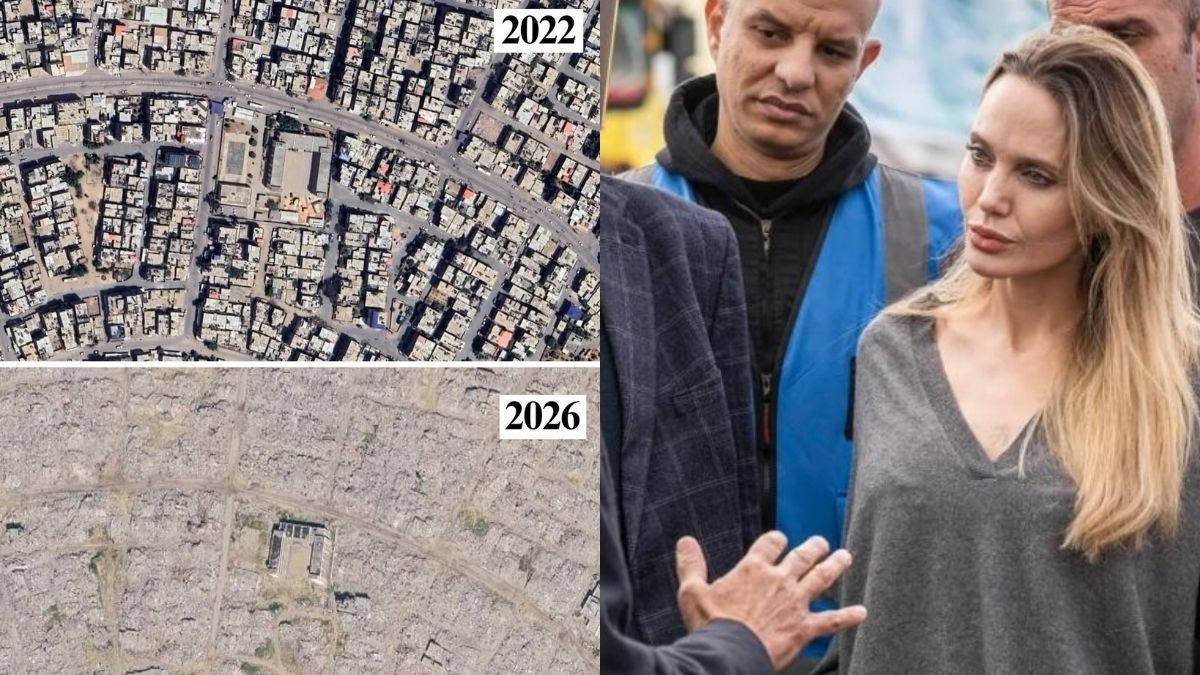
In Gaza, Amnesty said killings of Palestinian civilians continued a year after the ceasefire agreement announced in October 2025.
It also cited the expansion of areas where access is restricted, delays in reconstruction and restrictions on commercial supplies as factors prolonging displacement and worsening humanitarian conditions.
The United Nations has continued to report severe shortages of shelter, medical supplies and essential equipment.
In its 25 September humanitarian situation report, OCHA said humanitarian needs remained overwhelming amid continuing strikes and other military activity.
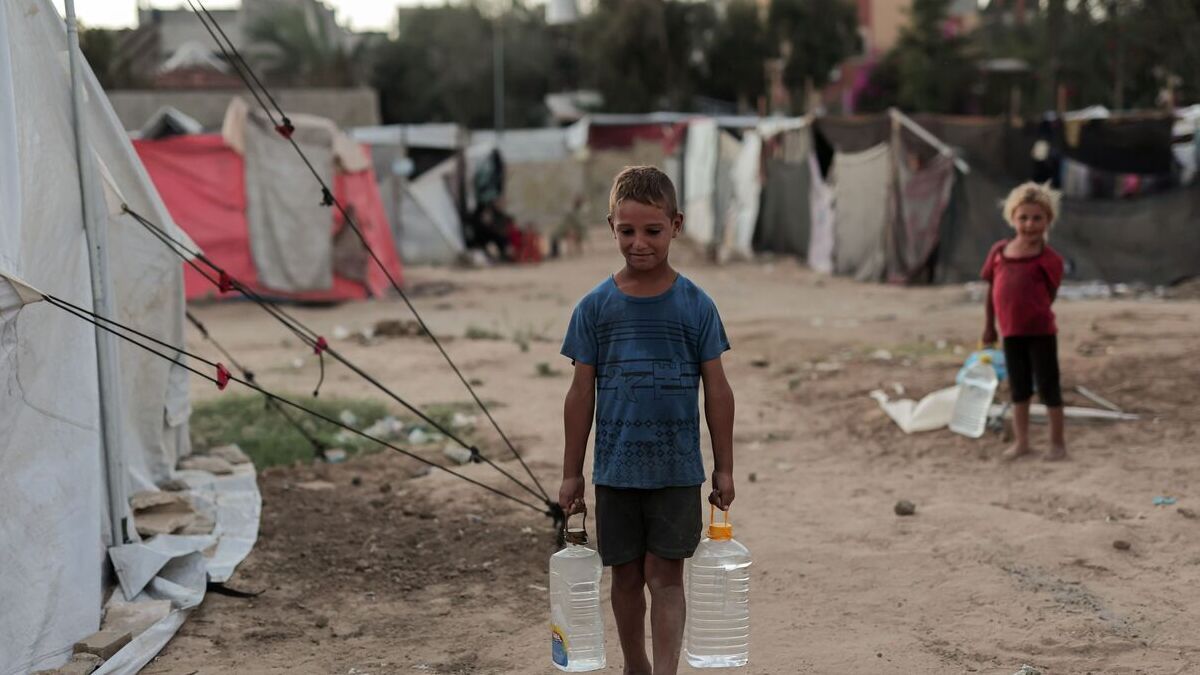
It reported that 94 per cent of Gaza’s population required urgent shelter and basic household assistance, while 65 per cent of households continued to live in tents or makeshift shelters offering little protection from the weather.
OCHA also reported restrictions on essential shelter materials, generators, spare parts and engine oil. Shortages of engine oil and other supplies threaten transport and distribution operations, including the delivery of food and humanitarian assistance.
Amnesty said restrictions on commercial supplies were forcing civilians to wait in long queues for food and bread, while limits on engine oil threatened to further hamper Gaza’s already devastated healthcare system.
The ceasefire agreement has therefore not removed the underlying humanitarian challenges. The population continues to face widespread destruction, displacement, limited access to essential goods and risks from renewed military activity.
Amnesty described the situation as part of what it calls an ongoing genocide in Gaza. This is the organisation’s stated assessment; Israel has rejected allegations that its military campaign constitutes genocide.
The International Court of Justice has issued provisional measures in the genocide case brought by South Africa, but those measures are not a final ruling on the merits of the case.
Amnesty cites Israel’s actions in Lebanon and Syria
Guevara Rosas also said the consequences of Israeli government policies extended beyond the occupied Palestinian territory, citing military operations and displacement in Lebanon and Syria.
In Lebanon, Amnesty accused Israel of carrying out deadly attacks, destroying civilian homes and infrastructure, restricting farmers’ access to agricultural land and forcibly displacing residents from villages along the Israeli-Lebanese border.
The United Nations has separately expressed concern about Israeli military operations in southern Lebanon.
In a statement on 8 September, the UN secretary-general’s spokesperson cited civilian casualties, evacuation orders, destruction and reported strikes affecting hospitals, healthcare workers and public institutions.
The statement called on all parties to comply with international humanitarian law and urged Israel to withdraw its forces from Lebanese territory.
Amnesty also accused Israel of unlawful destruction of civilian property and deadly military attacks in Syria.
The organisation said civilians in Lebanon and Syria, like Palestinians in the occupied territories, would be affected by Israeli government decisions despite having no vote in the Israeli election.
International court ruling provides legal background
The election campaign is taking place against a wider international legal dispute over Israel’s occupation, settlements and treatment of Palestinians.
In an advisory opinion issued on 19 July 2024, the International Court of Justice (ICJ) concluded that Israel’s continued presence in the occupied Palestinian territory was unlawful and that Israel was obliged to bring that presence to an end as rapidly as possible.
The court also said Israel must cease new settlement activity and repeal measures that create or maintain the unlawful situation.
The advisory opinion addressed the legal consequences of Israel’s policies and practices in the occupied territory, including East Jerusalem. It was not a criminal judgment against individual Israeli officials.
The question of accountability is also central to Amnesty’s criticism. The organisation said the absence of effective consequences for alleged serious violations under successive Israeli governments had contributed to continuing abuses.
Amnesty’s use of the terms apartheid, ethnic cleansing and genocide reflects its assessments of Israeli policies and conduct. These terms have distinct legal meanings, and allegations concerning specific crimes require assessment under the relevant legal frameworks.
Israel has consistently disputed allegations that it operates an apartheid system or is committing genocide, and has defended its military actions on security grounds.
Candidate disqualification raises questions over political representation
Amnesty also highlighted attempts to prevent Sami Abu Shehadeh, the Palestinian chair of the Balad party, from standing in the election.
On 23 September, Israel’s Central Elections Committee voted to disqualify Abu Shehadeh from running. The decision followed a petition by the far-right Otzma Yehudit party, which alleged that he supported armed struggle against Israel by a terrorist organisation.
Under Israeli law, the committee’s decision required Supreme Court approval before the disqualification could take effect.
The legal centre Adalah opposed the disqualification requests, arguing that the submissions against Abu Shehadeh and other Arab political lists did not establish the statutory grounds required to bar them from the election.
Amnesty said attempts to disqualify Abu Shehadeh reflected disregard for the rights to political participation, freedom of expression and freedom of association.
The dispute highlights the question of how Israel’s electoral system treats Palestinian citizens of Israel, who have voting rights, in contrast with Palestinians living under Israeli control in the occupied territories, who are not eligible to vote in the Israeli parliamentary election.
Amnesty calls for international pressure on the incoming government
Amnesty urged governments with influence over Israel to use diplomatic and economic measures to address the violations it has documented.
Its recommendations include suspending the EU-Israel Association Agreement, imposing a comprehensive arms embargo, introducing targeted sanctions against Israeli officials credibly implicated in serious violations of international law, and ending trade, investment and cooperation that contribute to maintaining the occupation.
The organisation also called for pressure on the incoming government to end the occupation of Palestinian territory, halt settlement expansion, stop the forced displacement of Palestinian communities and ensure humanitarian access to Gaza.
For Lebanon, Amnesty called on Israel to end unlawful attacks, withdraw its troops from southern Lebanon and allow displaced Lebanese civilians to return to their towns and villages. It also urged states to address Israeli military actions in Syria.
Israel’s parliamentary election on 27 October will determine the composition of the next Knesset and the political basis of the incoming government.
Amnesty’s central demand is that governments assess the next administration by its policies and actions on human rights and international law, rather than treating the election itself as evidence of a change in the situation faced by Palestinians and other civilians across the region.