US pressures Netanyahu to condemn settler siege of Palestinian homes in Qusra
The United States is pressing Israeli Prime Minister Benjamin Netanyahu to publicly condemn a six-day settler siege of Palestinian homes in Qusra, West Bank, after Ambassador Mike Huckabee branded the attackers "Israeli terrorists".
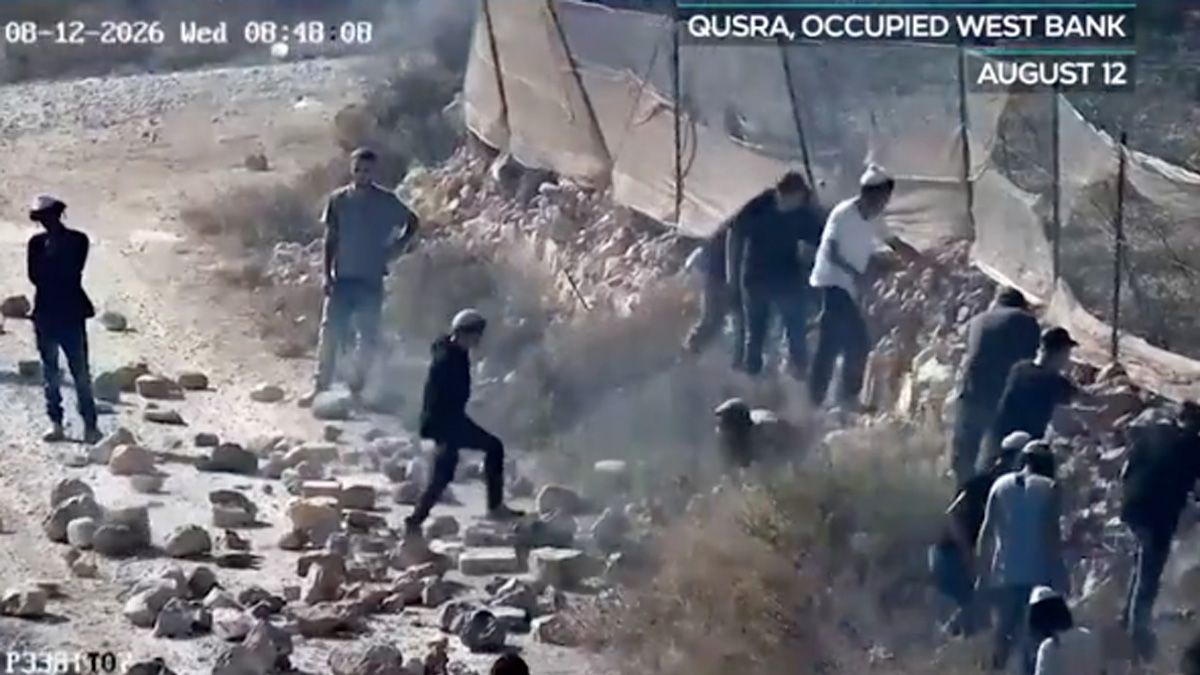
- Washington is pushing Netanyahu to condemn the Qusra siege after a Palestinian-American's home was targeted.
- About 15 Palestinians, including two children, remain trapped without water or electricity.
- Defence Minister Israel Katz's plan to transfer enforcement to police was met with widespread scepticism.

The United States is pressing Israeli Prime Minister Benjamin Netanyahu to publicly condemn a settler siege of Palestinian homes in the West Bank village of Qusra, according to a US official and an Israeli official who spoke to Reuters on condition of anonymity.
The pressure follows a rare rebuke from US Ambassador to Israel Mike Huckabee, a longtime supporter of Jewish settlement in the West Bank, who on Thursday, 13 August 2026, described the settlers besieging the homes as "Israeli terrorists".
Speaking to CBC News, Huckabee said Israeli military and police had intervened "at our request to remove the Israeli terrorists doing this", calling the episode "a horrific act of terror" intended to intimidate and harass the family involved.
According to the two officials cited by Reuters, Washington's concern escalated after it emerged that one of the targeted homes belonged to a Palestinian-American. Neither Netanyahu's office nor the White House responded to Reuters' request for comment.
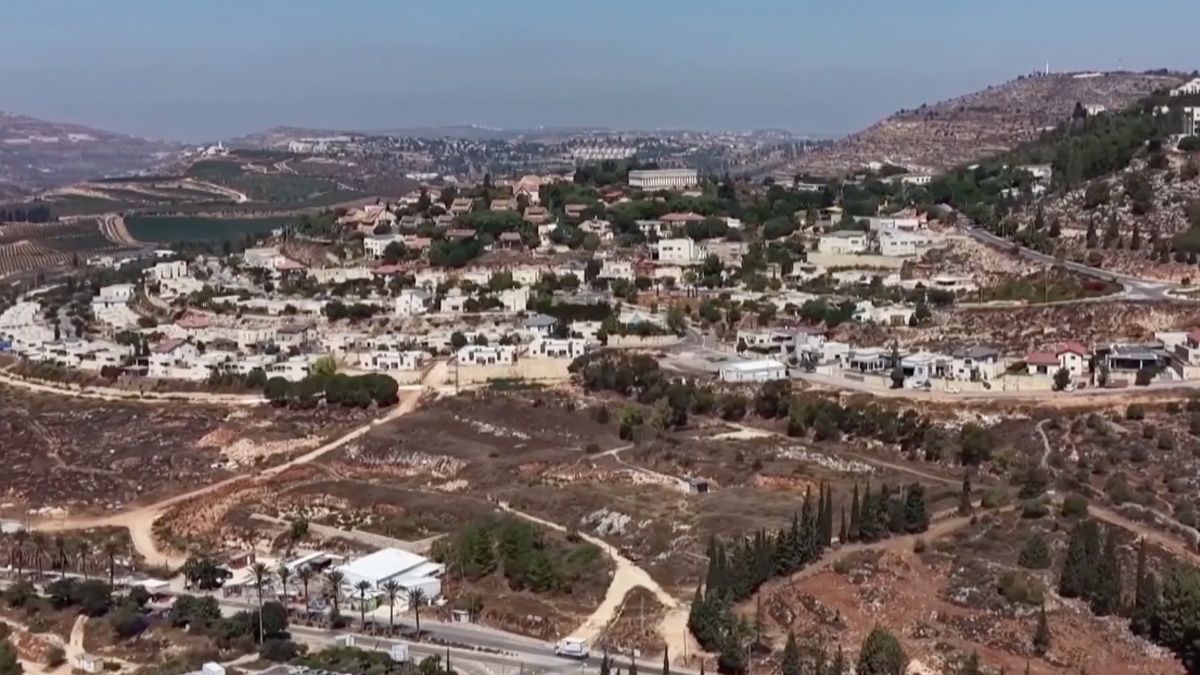
Settlers first established an illegal outpost outside the homes on Sunday, 9 August 2026, and the siege had continued for six days as of Friday, 14 August 2026, with no clear resolution in sight.
Loui Ridi, the Ohio-based owner of one besieged property, told CBC News that settlers had been targeting his Qusra residence for months before the situation escalated in recent days. His relative, Qusai Abu Rida, said he and his teenage son had barricaded themselves inside to defend it before being relocated by the Israeli military to another home, though still unable to leave the area.
Qusra Mayor Abed Al-Athem Wadi said six homes in the village had been evacuated and taken over by Israeli soldiers, including three besieged hilltop properties. The Israeli military declined to confirm whether it had relocated any residents.
The United Nations said in a statement that roughly 15 Palestinians, including two children, remained trapped in three homes, "in a state of terror, unable to attend to their basic needs and without access to water or electricity."
Israeli forces have repeatedly blocked activists from reaching the besieged families. Al Jazeera reported that Israeli reinforcements stopped members of the Israeli group Peace Now from delivering food and water on Friday after declaring the area a closed military zone, while Italian activists who had reached the homes earlier in the week were forced to leave.
Ofer Cassif, the sole Jewish lawmaker from the Arab-majority Hadash party, told the Times of Israel that security forces briefly blocked him from entering Qusra before a Knesset officer intervened. Cassif said he had come "to see with my own eyes what's going on" and described the situation as reflecting what "apartheid" and "occupation" look like.
Separately, an armed settler was filmed on Friday firing into the air and aiming his weapon at Palestinian and Israeli activists near Beit Sahour, close to Bethlehem, during a confrontation over a settler takeover of an abandoned building. Combatants for Peace activist Mia Biran told the Times of Israel that eight to ten armed settlers had confronted around 100 Palestinian and Israeli activists at the scene before the gunfire began.
Democrats MK Gilad Kariv condemned the incident, writing that "a violent nationalist aims a weapon at activists... and fires into the air" on private Palestinian land that had been taken over by settlers.
Israeli Defence Minister Israel Katz announced on Friday that he had instructed the Israel Defence Forces (IDF) to draft a plan transferring civilian law enforcement powers in the West Bank to the Israel Police, a body already largely responsible for such matters.
An unnamed legal official told the Ynet news site the announcement amounted to "a populist sham that amounts to nothing", arguing that police already possessed enforcement powers they were not applying, and attributing the deterioration to policies pursued by National Security Minister Itamar Ben Gvir.
Political scientist Ibrahim Rabaia told Al Jazeera the move appeared politically motivated, noting the military remained the sovereign authority in the West Bank and questioning how broadly any transfer could be implemented. He said police, controlled by Ben Gvir, were unlikely to prevent settler attacks on Palestinian homes.
Palestinian Authority Vice President Hussein al-Sheikh condemned Katz's announcement, according to a statement carried by the WAFA news agency, describing it as a "blatant violation of international law" intended to entrench annexation of the occupied West Bank, including East Jerusalem.
Amnesty International's senior director for research, advocacy, policy and campaigns, Erika Guevara Rosas, said the events in Qusra reflected "an accelerating and well-documented pattern of coordinated and strategic settler terror", which she said was enabled and funded by the Israeli state, and called for international sanctions against senior officials responsible.
Qusra has recorded more settler attacks this year than any other West Bank community, according to the United Nations. Last month a mosque in the village was set alight in a suspected settler attack, following violence that left two Israeli soldiers and four Palestinian villagers dead.