ICC seeks arrest warrants against Sinwar and Netanyahu for war crimes over 7 Oct attack and the war in Gaza
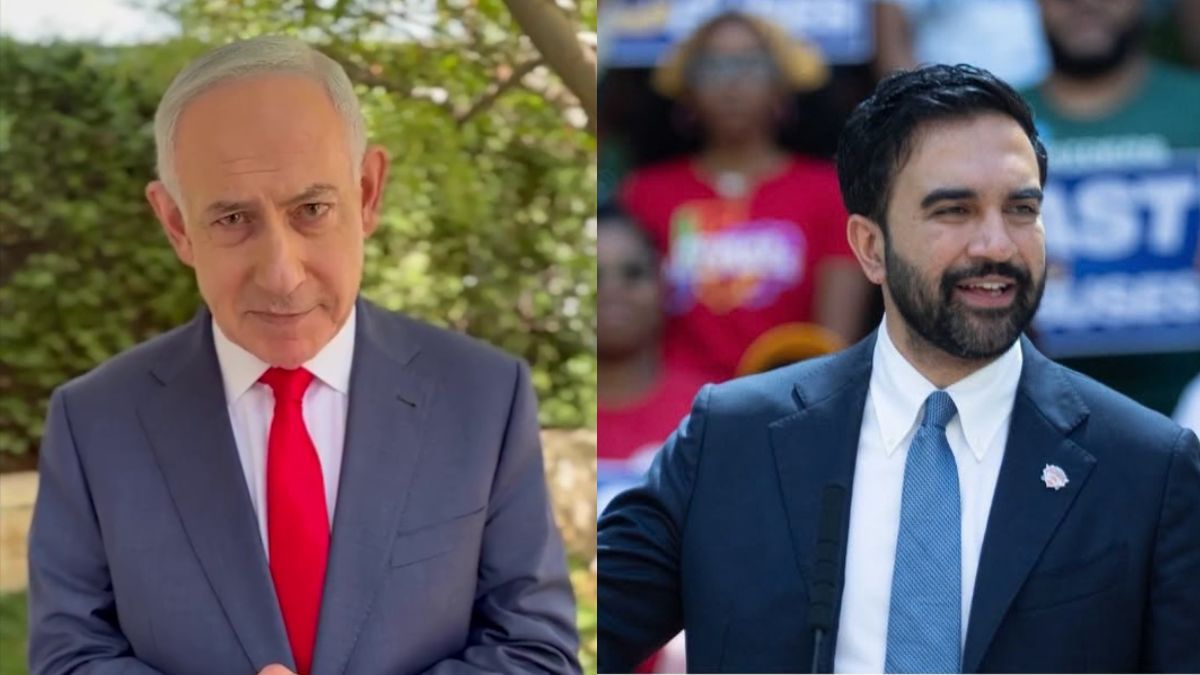
The International Criminal Court is filing applications for arrest warrants against Yahya Sinwar and Benjamin Netanyahu, citing war crimes and crimes against humanity related to the 7 October attacks on Israel and the Gaza conflict.


The International Criminal Court (ICC) is seeking arrest warrants for several key figures, including Hamas leader Yahya Sinwar and Israeli Prime Minister Benjamin Netanyahu, citing war crimes and crimes against humanity related to the 7 October attacks on Israel and the subsequent conflict in Gaza.
This follows the publication of an assessment by a panel of experts in international law, convened by ICC Prosecutor Karim Khan KC, evaluated the jurisdiction and grounds for arrest warrants within the 'Situation in the State of Palestine'.
The panel unanimously supported the Prosecutor's assessment, affirming the ICC's jurisdiction and the presence of reasonable grounds to believe that the named individuals, including top Hamas and Israeli leaders, have committed the alleged crimes.
In addition to targeting Netanyahu, the ICC's charges extend to other notable figures such as Yoav Gallant, Israel's Defense Minister; Mohammed Diab Ibrahim al-Masri (also known as Mohammed Deif), a leader of the Al Qassem Brigades; and Ismail Haniyeh, Hamas' political leader.
A panel of ICC judges will now consider Khan's application for the arrest warrants.
This marks the first instance of the ICC seeking to issue warrants against a sitting leader of a major U.S. ally, a distinction previously held by figures like Russian President Vladimir Putin.
The allegations involve severe crimes: extermination, murder, hostage-taking, rape, and sexual assault in detention against Hamas leaders.
Regarding the Israeli officials, the charges include causing extermination and starvation as warfare methods, including denying humanitarian aid and deliberately targeting civilians during conflicts.
In his statement on Monday, Khan articulated the basis for these charges, stating that the war crimes and crimes against humanity were committed within the contexts of both an international armed conflict between Israel and Palestine and a non-international conflict between Israel and Hamas.
He detailed how these actions form part of a broader, systematic attack against civilians, guided by organizational or state policies.
The ICC Prosecutor elaborated on the extensive evidence collected, including survivor interviews, verified media, satellite imagery, and perpetrator statements, underscoring the deliberate deprivation of essential resources to Gazan civilians as part of a broader strategy.
This move by the ICC has sparked significant controversy, particularly following Netanyahu’s vehement response that any such warrants against Israeli officials would represent "an outrage of historic proportions." He emphasized Israel's robust legal system capable of independently investigating such matters.
Amidst ongoing military actions, Gaza health authorities reported on Sunday a severe toll: 35,456 Palestinians have died since the conflict's escalation in October 2023, with continued casualties as Israeli operations persist in Rafah against international condemnation.
Although Israel and the United States are not members of the ICC, the court asserts jurisdiction over Gaza, East Jerusalem, and the West Bank. This claim is based on the formal agreement by Palestinian leaders in 2015 to adhere to the court's founding principles.