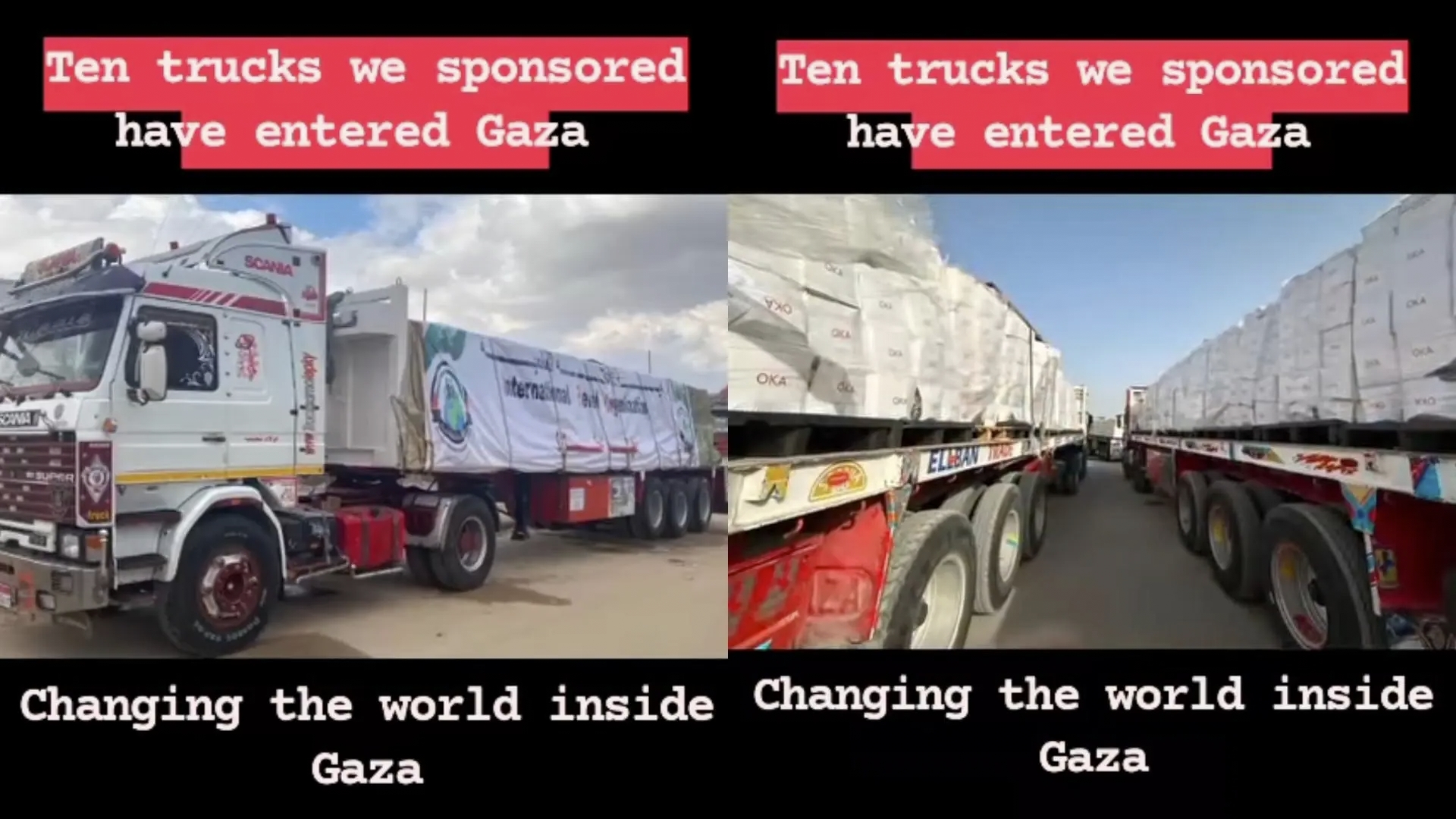
Ten trucks of food boxes sponsored by Love Aid Singapore successfully entered Gaza

Love Aid Singapore's US$50,000 donation enabled ten trucks to deliver 1,100 food boxes each to Gaza. Goh stressed the importance of trucks in aid delivery but faced logistical hurdles at checkpoints. Despite challenges, Love Aid Singapore persists in supporting Gaza through various initiatives.
Featured Image
Comments
Google News

Gilbert Goh, a Singaporean activist and founder of Love Aid Singapore, shared a positive update regarding Gaza food aid through the organization's Instagram account on Tuesday (2 April).

Goh announced that ten trucks sponsored by Love Aid Singapore had recently entered Gaza, expressing gratitude for the generous donations totaling US$50,000 that facilitated the trucking support through their partner NGO, International Relief Organisation.

However, Love Aid Singapore's donation of US$50,000 was only sufficient to cover the expenses of 13 trucks, each capable of transporting 1,100 food boxes.

This is due to the fact that the operational cost of each truck amounts to US$3,500.

The donated food parcels, totaling 50,000, were made available by an individual, and the NGO required additional support for transporting this substantial aid into Gaza.

Goh emphasized the significance of this aid delivery, stating that the 50,000 food boxes will provide crucial assistance to over 250,000 Palestinians who have been severely impacted by the ongoing six-month-long conflict.


Logistical challenges hamper food aid delivery to Palestinians in Gaza


Goh emphasized the effectiveness of food trucks as the optimal means of delivering a large quantity of aid into Gaza.

However, he expressed frustration with the logistical challenges posed by crowded bottlenecks at border customs checkpoints and restrictions.









Given the challenges with land routes, particularly in North Gaza where infrastructure has been severely impacted by the conflict, alternative methods such as air and sea routes are now necessary for transporting food aid.

Due to this challenges, Goh stated that Love Aid Singapore remains committed to its core initiatives, including food kitchens, solar energy programs, and orphan sponsorship projects.

Goh noted that while food trucks are an effective means of aid delivery, they are also expensive and often uncertain, typically accessible only to larger organizations with substantial resources.

He highlighted the unfortunate reality of trucks being stranded for weeks or even months on highways, awaiting clearance to enter Gaza.

The costs associated with this waiting period can quickly escalate, with each day of delay amounting to US$75 per truck.

When multiple trucks are queued for entry, the financial burden becomes significant over time.

Goh expressed gratitude to the people of Singapore for their support and urged continued contributions to aid their humanitarian efforts.

For those willing to contribute to the cause, he provided donation details, encouraging donations via PayNow to account number 87745281.

UN coordinator warns of looming famine as aid shipment into Gaza faces challenges


In response to Israel's decision to halt aid shipments into northern Gaza by the UNRWA, UN Coordinator Jamie McGoldrick raised concerns about the dire food shortages and increasing hunger in the region.

McGoldrick emphasized the urgency of addressing the looming famine and proposed swift solutions to avert further crisis.

Expressing dismay over any interruption to the already fragile food supply, McGoldrick warned of a 70 percent decrease in people's ability to sustain themselves.

The recent Integrated Food Security Phase Classification (IPC) report underscored the imminent threat of famine and worsening malnutrition rates, particularly in northern Gaza.

Before the conflict, Gaza received around 700 trucks daily to meet the needs of its 2.3 million residents.

However, now only about 250 aid trucks enter Gaza on a good day, with even fewer reaching the north, according to the UN Coordinator.

“We are lucky getting 10 to 15 trucks in at any point in time over a two-day period,” he said.

Discussions with Israel are underway to address this issue and ensure the daily delivery of essential goods into Gaza.

While humanitarian actors like the World Food Programme (WFP), World Central Kitchen, and UNRWA, alongside groups such as the Catholic Relief Services, manage the limited aid entering the enclave, the demand far exceeds the available supply.

Israel's scanning and inspection capacity can handle only 250 trucks per day, and currently, only the Rafah and Kerem Shalom crossings are operational.

McGoldrick stressed the necessity of opening more corridors, including from Jordan to the Ashdod Port, to meet Gaza's daily needs.

However, without additional entry points and extended operating hours at Kerem Shalom, reaching the target of 700 trucks per day remains challenging.

Acknowledging the inadequacy of the current supply, McGoldrick emphasized the need for increased efforts to address the crisis effectively.


Share This