Indonesia names 72 suspects as Kalimantan fires send haze across to Malaysia
Indonesian police have named 72 suspects in forest and land fire cases across nine provinces as worsening fires in Kalimantan send smoke into Malaysia.

- Police have identified 72 suspects in 89 forest and land fire cases across nine Indonesian provinces.
- Central Kalimantan recorded 19,992 hotspots and 1,639 fire incidents between 1 January and 22 August.
- Smoke from Kalimantan fires has crossed into Sarawak, while Singapore is monitoring the regional haze risk.

Indonesia has named 72 people as suspects in forest and land fire cases across nine provinces as authorities intensify efforts to contain fires in Kalimantan that have sent haze across the border into Malaysia.
The Indonesian National Police said on 23 August that it had registered 89 police reports relating to forest and land fires and identified 72 individual suspects. Investigators said many of the fires were suspected to have been deliberately started to clear land for plantations and reduce operating costs.
The cases are being handled by regional police forces in Riau, West Kalimantan, South Sumatra, Jambi, Central Kalimantan, South Kalimantan, East Kalimantan, Aceh and North Kalimantan.
Police investigate deliberate land burning
Police Brigadier General Moh. Irhamni, director of the Criminal Investigation Department’s Special Crimes Directorate, said investigators had found indications that land was deliberately burned to make plantation development cheaper.
“On average, the modus operandi across the nine regional police jurisdictions, used by most of the suspects, was to clear land by deliberately burning it so that the operating costs of plantation activities would be cheaper or more economical,” Irhamni said.
Police seized 35 lighters, containers containing fuel, two 10-litre jerry cans of diesel, two bottles of Pertalite petrol, a bottle of kerosene, 21 machetes, two axes, a hoe, chainsaws, oil palm seedlings and samples of burned soil.
The suspects face charges under Indonesia’s Forestry Law, Plantation Law, Environmental Protection and Management Law and Criminal Code.
Four West Kalimantan forestry companies inspected
The enforcement operation comes alongside inspections of four forestry companies in West Kalimantan by the Ministry of Forestry.
PT Wanakerta Eka Lestari, PT Finantara Intiga, PT Mohairson Pawan Khatulistiwa and PT Wana Subur Persada were inspected from 10 to 14 August as authorities prepared for the peak of the dry season and increased fire risks associated with El Niño.
Officials checked fire lookout towers, canal blocks, reservoirs and other water sources, firefighting equipment, personnel and early-warning systems.
The ministry said the inspections were intended to establish whether fire-control systems were operational and ready for use. It has not publicly reported individual violations or specific deficiencies at the four companies following the inspections.
Central Kalimantan records nearly 20,000 hotspots
Central Kalimantan is among the provinces facing the most intense fire activity.
Governor Agustiar Sabran reported to President Prabowo Subianto that the province had recorded 19,992 hotspots and 1,639 forest and land fire incidents between 1 January and 22 August.
Ground teams had handled fires covering 4,499.21 hectares, while Ministry of Forestry satellite analysis estimated the burned area at 7,634.46 hectares.
During the first 18 days of August alone, Central Kalimantan recorded 14,659 hotspots, 798 fire incidents and 2,824.42 hectares of burned land.
About 10,700 personnel have been deployed in the province, including disaster-management officials, firefighters, the military, police, Manggala Agni and community fire groups.
Air quality deteriorates across Kalimantan
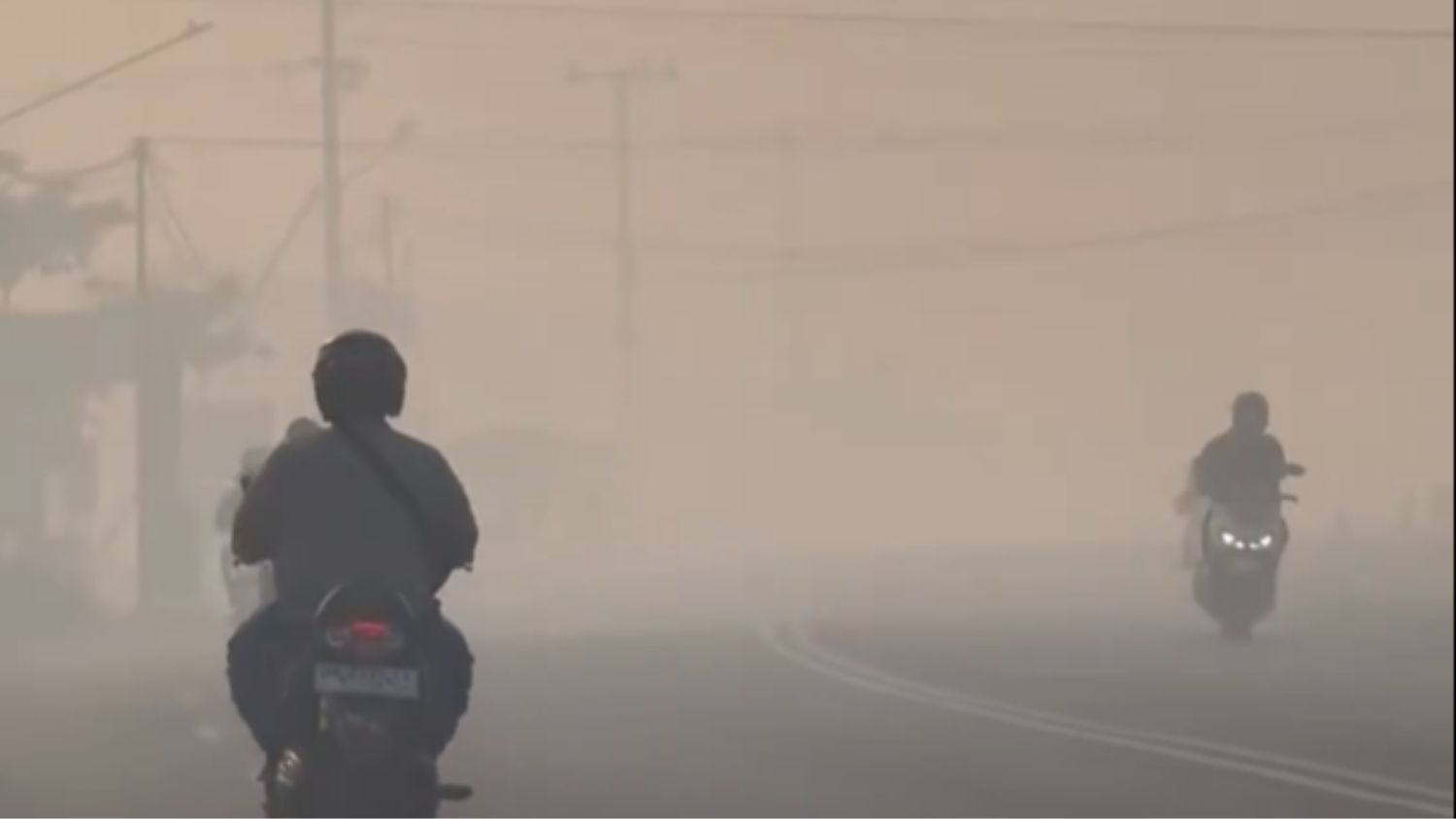
The fires have affected air quality in several cities.
As of 22 August, three of six active air-quality monitoring stations in Central Kalimantan recorded very unhealthy conditions in Kasongan, Kuala Kurun and Buntok. Palangka Raya, Sampit and Puruk Cahu were classified as unhealthy.
In West Kalimantan, Pontianak’s air-quality index reached 191 on 20 August, putting it in the unhealthy category.
Greenpeace Indonesia said its monitoring from 11 to 16 August detected 592 hotspots across Kalimantan, including 455 on peatland. West Kalimantan accounted for 322 hotspots, Central Kalimantan 181 and South Kalimantan 86.
Haze crosses into Sarawak
Smoke from Kalimantan has crossed into neighbouring Malaysia, particularly Sarawak.
Greenpeace Indonesia said monitoring by the ASEAN Specialised Meteorological Centre showed smoke from Kalimantan crossing into Sarawak, including Kuching, during August.
The organisation said smoke crossed into Sarawak between 6 and 11 August, came close to Kuching between 12 and 17 August and followed a similar pattern on 18 and 19 August.
Malaysian authorities have also recorded deteriorating air quality. Kuching and other parts of Sarawak have experienced unhealthy conditions as smoke from Borneo’s fires moved across the border.
The regional haze is of particular concern to Malaysia because Sarawak shares the island of Borneo with Indonesia’s Kalimantan provinces.
Singapore monitors regional haze risk
The fires are also being monitored in Singapore.
Singapore’s Meteorological Service has warned that the city-state could experience hazy conditions if fires in Sumatra and Kalimantan intensify. Hotspots with smoke plumes have been detected in several parts of Indonesia, while prevailing winds can influence the movement of smoke towards Singapore.
The situation is being closely watched as Indonesia approaches the peak of the dry season in Kalimantan.
Peatland fires complicate operations
Firefighting has been complicated by peatland fires, difficult access and limited water supplies.
Peat fires can continue burning beneath the surface even after visible flames have been extinguished, requiring prolonged wetting and cooling.
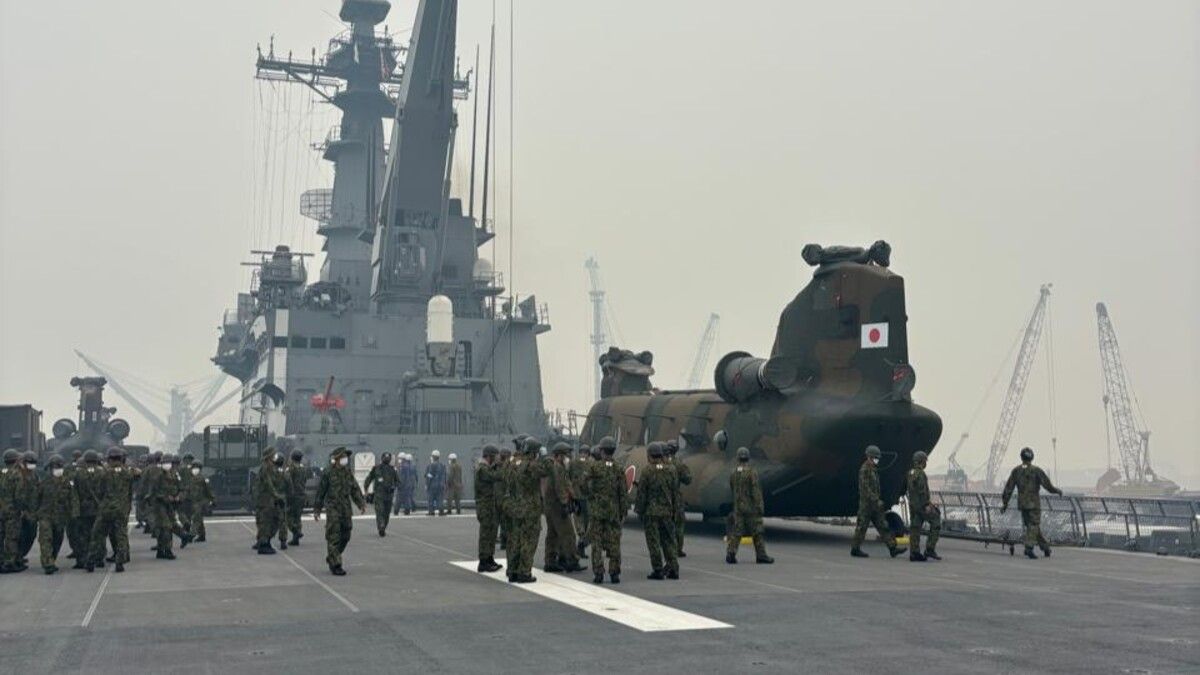
Central Kalimantan has requested additional water pumps, hoses, tanks and bore wells. Authorities are also using water-bombing helicopters and weather modification operations.
Thick smoke has affected aerial operations, with reduced visibility preventing helicopters from reaching some fire locations, including areas towards Sebangau National Park.
Indonesia expands firefighting and enforcement
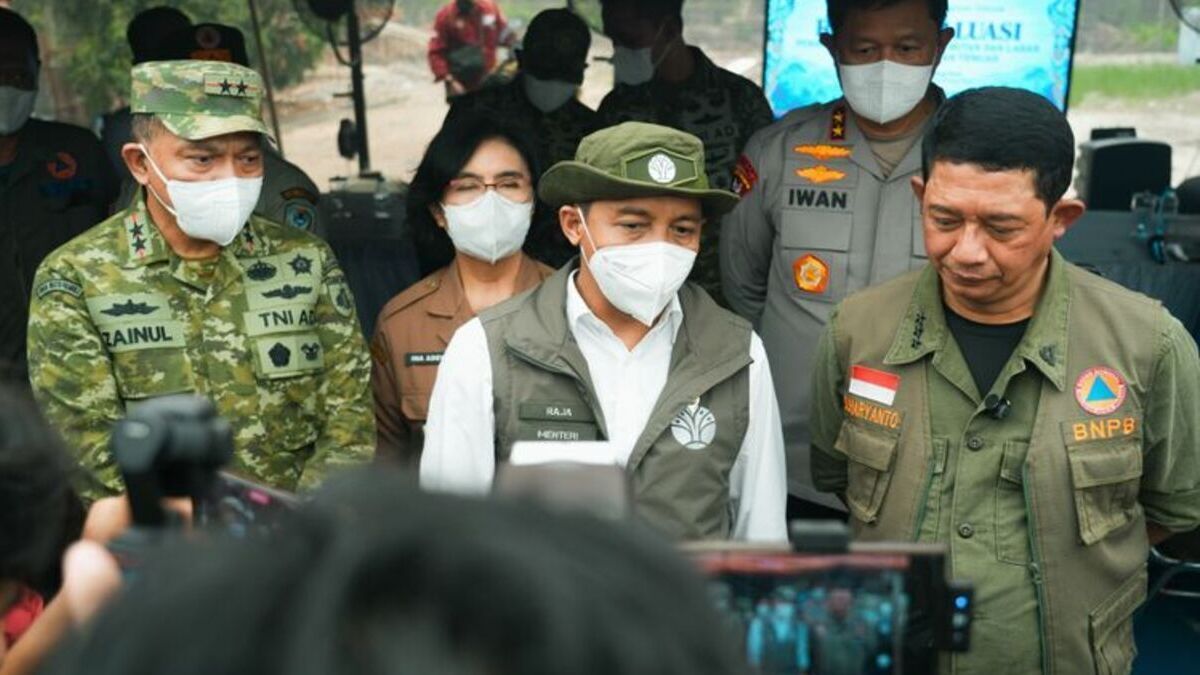
President Prabowo has personally overseen the response, visiting West and Central Kalimantan on 22 August.
The government has expanded ground and aerial operations, while the Ministry of Forestry has deployed Manggala Agni personnel across Kalimantan. Military and police personnel, disaster agencies, local governments, volunteers and community fire groups are also involved.
Police enforcement is being conducted alongside prevention measures, with 72 people now facing investigation as suspects.
The government is also continuing inspections of forestry companies and monitoring fire-prone areas as the dry season continues.
For Malaysia and Singapore, the movement of smoke from Kalimantan remains a regional concern as Indonesian authorities work to contain the fires and prevent further deterioration in air quality.