COP31 ends without overarching climate agreement after fossil fuel dispute
COP31 in Antalya ended on 22 November without an overarching political agreement after the EU and other countries rejected a draft that omitted an explicit commitment to transition away from fossil fuels.
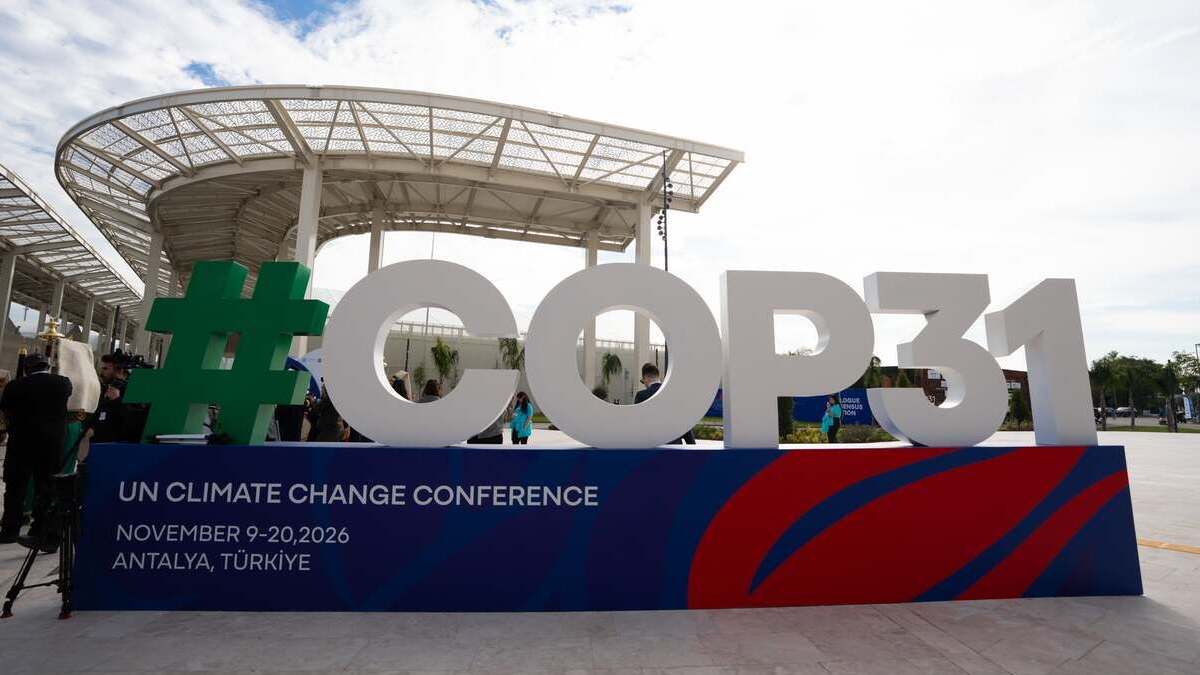
- COP31 ended on 22 November without an overarching agreement after countries failed to resolve disputes over fossil fuels.
- The EU rejected the final draft, while developing countries criticised unclear climate financing commitments.
- Separate decisions on just transition and other climate initiatives were adopted despite the negotiating deadlock.

The United Nations COP31 climate conference in Antalya, Türkiye, ended without an overarching agreement on Sunday, 22 November 2026, after the European Union (EU) and several other countries rejected the final draft proposed by the conference presidencies of Türkiye and Australia.
The negotiations, which ran for more than two weeks and continued for two days beyond their scheduled closing date, failed to secure consensus on a political declaration addressing the global response to climate change.
The main disagreement concerned the absence of an explicit commitment to transition away from fossil fuels, including coal, oil and natural gas. The EU argued that the proposed agreement failed to address the principal source of greenhouse gas emissions, while several oil-producing countries opposed including stronger language on reducing dependence on fossil fuels.
Disagreements over climate financing for developing countries and the proposed expansion of carbon capture technologies also contributed to the deadlock.
COP31 President and Turkish Environment Minister Murat Kurum acknowledged that delegates had failed to reach consensus during the closing plenary session in Antalya.
"We recognise that there is no consensus on this document. Therefore, these decisions have not been adopted," Kurum told delegates.
The failure marked the first time since the 2009 Copenhagen climate conference that a United Nations climate summit ended without adopting an overarching political agreement.
However, negotiations on several other agenda items produced separate decisions, meaning the conference did not end without any agreements at all.
EU rejects agreement for omitting fossil fuels
The EU and several allied countries refused to endorse the proposed final text because it did not explicitly mention fossil fuels or the need to transition away from them.
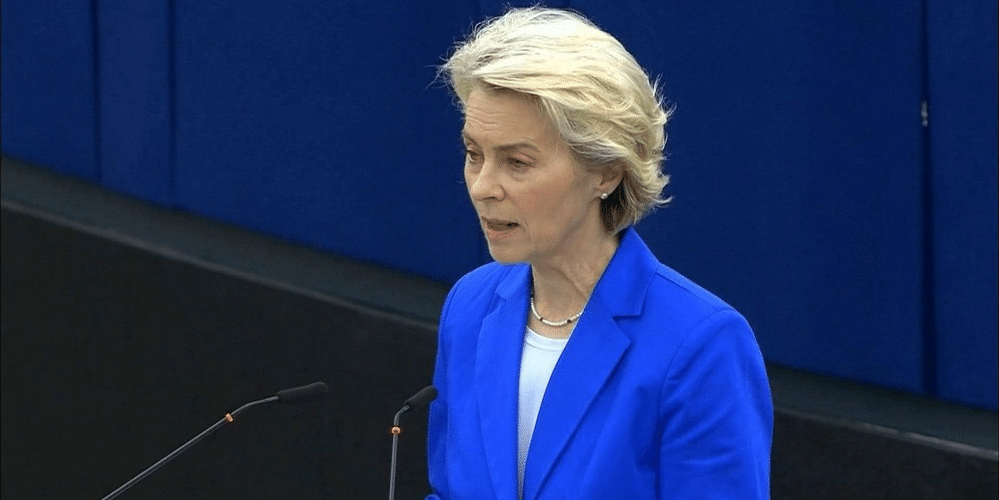
Irish Minister for Climate, Energy and the Environment Darragh O'Brien, speaking on behalf of the EU, said the proposed agreement failed to reflect the scientific evidence and the scale of action required to address climate change.
He said the EU would not support a final declaration that omitted fossil fuels, which are the principal driver of human-induced global warming.
O'Brien described the omission as unacceptable and said the proposed text risked weakening commitments made at previous climate conferences.
"We will not endorse a decision that does not respond to the science and that actually risks deepening the chasm between global commitments and the action required," he said.
The EU had called for the agreement to reaffirm the commitment made at COP28 in Dubai in 2023 to transition away from fossil fuels in energy systems.
More than 130 countries had previously supported efforts to establish a pathway away from fossil fuels, although negotiations over the wording, implementation and financing of such a transition have remained contentious.
The final proposal presented by the Turkish and Australian presidencies did not include an explicit reference to fossil fuels.
Instead, it referred indirectly to earlier climate agreements, including the outcome of COP28.
The EU argued that referring to previous commitments without reaffirming the transition would not provide the political direction needed to accelerate the reduction of greenhouse gas emissions.
The United Kingdom and several developing countries, including Panama and the Marshall Islands, also objected to the proposed agreement.
Türkiye and Australia fail to secure consensus
Türkiye and Australia jointly led the COP31 process, with Turkish Environment Minister Murat Kurum serving as conference president and Australian Climate Minister Chris Bowen overseeing the negotiations.
The conference had been scheduled to conclude on Friday, 20 November, but negotiations continued into Sunday as delegates attempted to resolve disagreements over the final text.
The additional discussions made COP31 the longest United Nations climate conference on record.
Kurum told delegates that the presidency had made efforts to accommodate different national positions but could not secure agreement.
He said the presidencies would not impose the proposed document on countries that opposed it.
The Turkish minister subsequently ended the closing session without adopting the overarching agreement.
Bowen described the outcome as very disappointing, particularly because governments had been unable to resolve their differences over fossil fuels and climate financing.
Speaking after the collapse, the Australian minister said countries had negotiated in good faith but had maintained positions they considered essential.
He said the transition away from fossil fuels was inevitable and already under way, but the conference had failed to reach agreement on how to reflect that transition in the final political document.
Despite the failure to adopt the overarching agreement, the presidencies secured separate decisions on several issues, including the just transition to a low-carbon economy.
The just transition framework is intended to help workers, communities and economies dependent on high-emission industries adapt as countries reduce their use of fossil fuels.
Disputes over climate finance deepen divisions
Climate financing was another major obstacle to reaching an agreement, particularly between developed countries and developing nations facing the greatest costs from rising temperatures.
Developing countries have repeatedly called on wealthier nations to provide more financial assistance to help them adapt to climate change, strengthen infrastructure and respond to extreme weather events.
The latest draft proposed tripling adaptation finance by 2035. However, it did not clearly establish the baseline from which the increase would be calculated.
Developing countries criticised the proposal for failing to specify how much additional funding would be made available and how the financial commitments would be distributed.
The draft also referred to estimated climate financing needs of between US$5.1 trillion and US$6.8 trillion through 2030.
These requirements cover investments needed to reduce emissions, adapt to climate impacts and strengthen resilience in developing economies.
The disagreement reflects longstanding tensions over climate finance under the United Nations Framework Convention on Climate Change (UNFCCC).
Developed countries have historically contributed the largest share of cumulative greenhouse gas emissions, while many developing nations face greater exposure to climate-related disasters despite having contributed relatively little to global emissions.
The 2015 Paris Agreement established a framework for international climate cooperation, including financial support from developed countries to developing countries.
However, disagreements over the amount, sources and distribution of funding have continued through successive COP conferences.
At COP31, developing countries argued that the proposed adaptation finance commitment lacked sufficient clarity to guarantee that vulnerable nations would receive the support required.
Carbon capture technology becomes another point of contention
The proposed agreement also placed considerable emphasis on carbon capture, utilisation and storage (CCUS), a group of technologies designed to capture carbon dioxide emissions from industrial facilities or remove carbon dioxide from the atmosphere before storing or using it.
The draft proposed developing carbon capture capacity to reach at least 500 million tonnes of carbon dioxide annually by 2035, with a longer-term ambition of between 1.3 billion and 2.5 billion tonnes a year.
Supporters of the technology argue that it can help reduce emissions from industries that are difficult to decarbonise, including cement, steel and chemicals.
However, some countries and climate campaigners questioned the emphasis on carbon removal without a corresponding commitment to reduce fossil fuel production and consumption.
Their concern was that reliance on carbon capture could allow countries and companies to continue extracting and burning fossil fuels while presenting technological solutions as an alternative to reducing emissions at source.
Australia's Bowen had previously defended the inclusion of CCUS in the negotiations.
During a press conference on 20 November, he said the Intergovernmental Panel on Climate Change (IPCC) and the International Energy Agency (IEA) had identified carbon capture as part of some pathways towards net-zero emissions, particularly in industries where emissions are difficult to eliminate.
He also said the technology should not be used as an excuse to delay emissions reductions.
The disagreement over CCUS became part of the wider dispute over the final agreement, alongside the absence of explicit fossil fuel language.
Electricity expansion target remains in proposed agreement
Despite the disagreements, the draft included a proposal to increase electricity's share of global final energy consumption to 35 per cent by 2035, compared with approximately 23 per cent at present.
The proposal was intended to accelerate electrification across transport, heating, industrial production and other sectors.
Expanding electricity use can help reduce emissions when electricity is generated from low-carbon sources, including solar, wind, hydropower and nuclear energy.
The proposal also reflected the conference presidencies' emphasis on electrification as a way to accelerate the transition towards cleaner energy systems.
However, some developing countries raised concerns about the financial implications of implementing the target, particularly without sufficient international assistance to develop electricity infrastructure and expand access to reliable power.
The proposed target was among the elements that attracted support from several countries, but it could not compensate for the unresolved disagreements over fossil fuels and climate finance.
UN secretary-general expresses deep disappointment
United Nations Secretary-General António Guterres expressed disappointment after the conference ended without consensus.
In a statement on 22 November, he said he shared the frustration of governments and participants who had expected countries to reach an agreement reflecting the urgency of the climate crisis.
He also criticised the influence of fossil fuel interests in international climate negotiations.
"There may be no consensus in the negotiating room, but there is no ambiguity in the science," Guterres said.
He added that those benefiting from activities contributing to environmental destruction should not determine the direction of international efforts to address climate change.
The UN chief said the failure to reach an agreement did not change the scientific evidence or the need for governments to accelerate climate action.
He called for a faster and fairer transition away from fossil fuels, deeper emissions reductions, increased climate financing and stronger protection for communities most vulnerable to climate-related disasters.
The UN's climate leadership also acknowledged the failure.
UNFCCC Executive Secretary Simon Stiell said in his closing remarks on 22 November that he shared the disappointment of delegates over the inability to agree on decisions led by the conference presidencies.
He noted that several important negotiating decisions had nevertheless been adopted, including one concerning a just transition.
Stiell said the UN climate process needed to learn from the breakdown and improve transparency, consultation and consensus-building among its 194 parties.
He also highlighted progress outside the formal negotiations, including initiatives to accelerate electrification and strengthen climate resilience.
"The fight continues. We will never give up," he said.
Some climate decisions adopted despite collapse
Although the conference failed to agree on its overarching political declaration, delegates adopted decisions on several separate negotiating issues.
One of the main outcomes concerned the just transition, which aims to ensure that the shift towards low-carbon economies takes account of workers, communities and countries dependent on carbon-intensive industries.
The conference also recorded progress through its Global Climate Action Agenda, which brought together governments, businesses, financial institutions and other organisations to advance practical climate initiatives.
According to Stiell, initiatives discussed at COP31 covered six areas, including transforming agriculture and food systems, strengthening urban resilience and improving infrastructure.
The COP31 Electrification Delivery Package also advanced proposals to accelerate the use of electricity across national economies.
However, these separate decisions did not replace the overarching agreement that delegates had failed to adopt.
The collapse also did not cancel existing international climate commitments, including obligations under the Paris Agreement.
World faces increasing risk of exceeding 1.5°C warming limit
The breakdown occurred as international climate assessments warned that the world was heading towards exceeding the Paris Agreement's target of limiting global warming to 1.5°C above pre-industrial levels.
The 1.5°C threshold is considered an important benchmark for limiting the most severe consequences of climate change.
Scientists have warned that every additional fraction of a degree of warming increases the risks of extreme heat, prolonged droughts, heavier rainfall, flooding and other climate-related disasters.
The UN has also highlighted the growing financial and economic consequences of fossil fuel dependence, including exposure to volatile energy prices and the increasing costs of recovering from climate disasters.
At the opening of COP31 on 11 November, Stiell said international climate cooperation had helped reduce projections of global warming from more than 4°C to approximately 2.6°C under current policies and commitments.
However, he warned that existing action remained insufficient and needed to accelerate.
The failure to reach an overarching agreement in Antalya leaves countries without a new collective political commitment on the transition away from fossil fuels or a clearer framework for addressing the outstanding climate finance disagreements.
The next round of international climate negotiations will therefore have to address issues left unresolved at COP31, while governments continue implementing commitments made at previous conferences.