Elephant incursions raise safety concerns in Malaysia’s Sabah as highway construction continues
Wild elephants have repeatedly entered residential areas and public facilities in Telupid, Sabah, prompting damage reports and safety concerns. Officials and conservation workers link the incursions to highway construction and a damaged electric fence.
- Wild elephants have repeatedly entered residential areas and public facilities in Telupid, Sabah, in recent weeks.
- Forever Sabah links the rise partly to Pan Borneo Highway construction through the Tawai Forest Reserve.
- Repairs to a damaged electric fence are expected by the end of November, alongside proposed highway fencing.

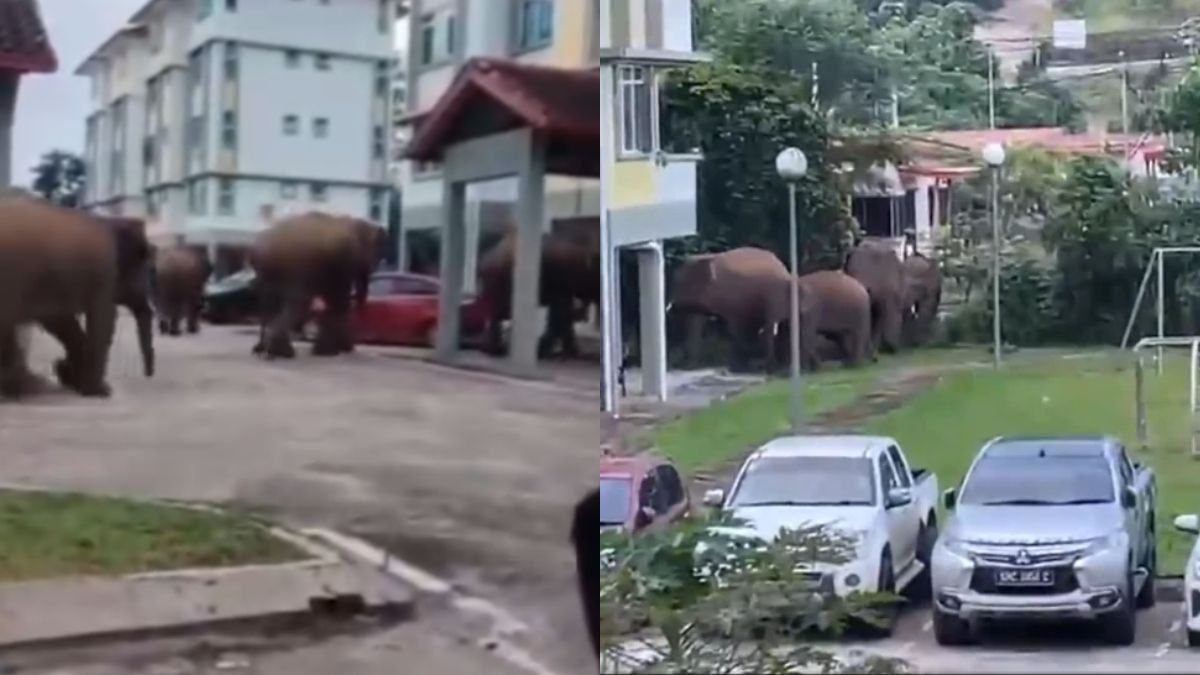
Wild elephants have been repeatedly entering residential areas and public facilities in Telupid, a district in Malaysia’s Sabah state, with sightings becoming more frequent in recent months and raising concerns over the safety of residents.
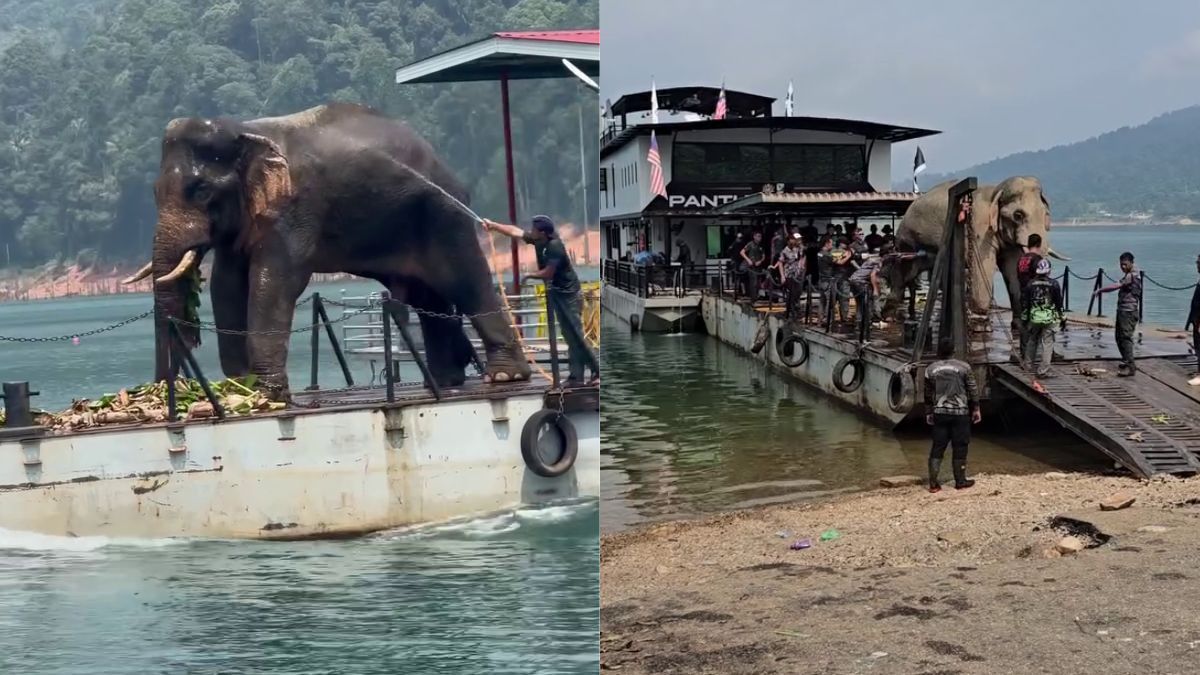
Videos showing elephants roaming near homes and public buildings have circulated online, including footage recorded near Telupid Health Clinic. The animals have also been spotted at the Telupid Water Department compound and other public premises over the past two weeks, according to local newspaper Daily Express.
The incursions have affected communities for more than a decade, but sightings have reportedly become increasingly frequent this year, sometimes occurring several times a week.
Alvein Dee Albenus, coordinator of the Forever Sabah Human-Elephant Harmony Project and a member of the Community Elephant Ranger Team Telupid, said the animals were likely following their natural movement routes in search of food.
Crops grown near residential and public areas, including bananas, coconuts and tapioca, could also be attracting them. Alvein specifically identified areas near the Water Department compound and Telupid Villa as locations where food sources may be drawing elephants into the community.
Highway construction raises concerns over elephant movement
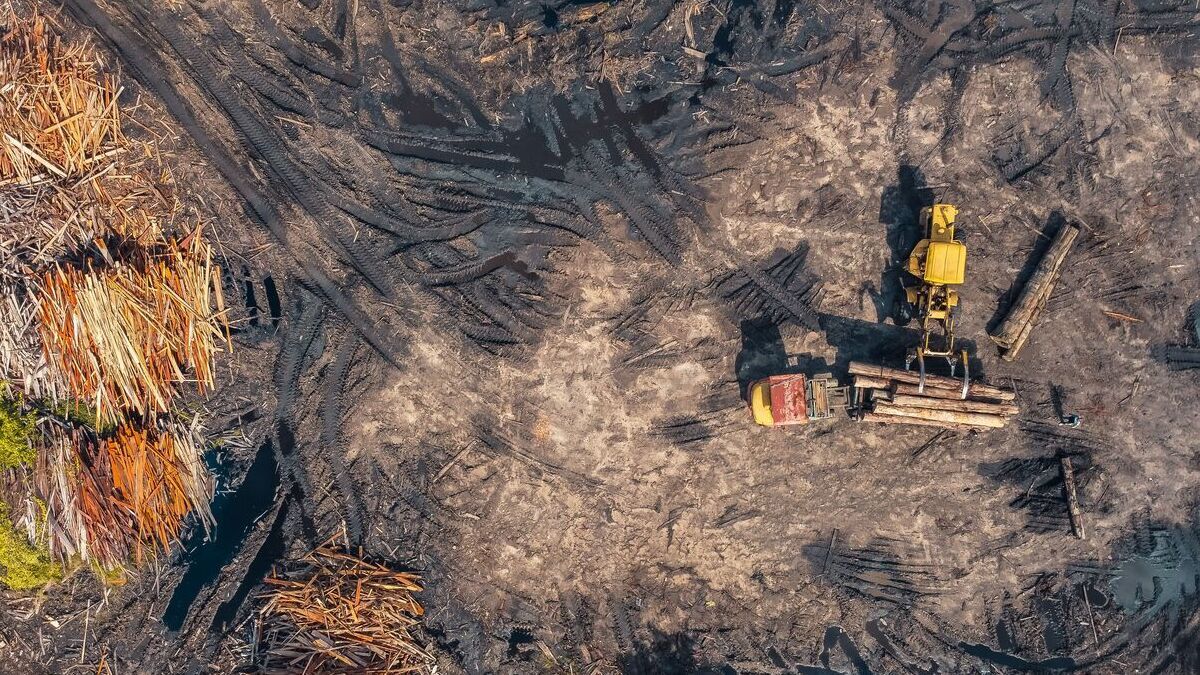
Alvein said ongoing construction of the Pan Borneo Highway through the Tawai Forest Reserve could be contributing to the increase in sightings, particularly since forest clearing intensified last year.
He also raised concerns about construction activities continuing into the night and the way elephants were dispersing into different locations, making them more difficult to manage.
The highway cuts through traditional elephant feeding grounds and movement routes, raising questions about whether the animals will be able to cross safely once the road is completed.
"If elephants are already coming out while construction is ongoing, what will happen when the highway is completed?" Alvein told The Star.
He warned that inadequate wildlife crossings could increase the risk of accidents involving elephants and motorists.
"When we talk about elephants, people might say we only care about protecting elephants. But what we are actually concerned about is human safety," he said.
Alvein said the incursions initially affected Kampung Liningkung, Kampung Gambaron and Kampung Bauto before spreading to other settlements and areas near SMK Telupid, the police station, health clinic and government offices.
Residents have reported damage to vehicles, houses and crops. Some have also expressed concern about their children's safety when travelling to and from school.
Conservation teams struggle to manage dispersed herds
Alvein said his five-member field team, supported by Sabah Wildlife Department personnel and community rangers, had been working almost daily to guide elephants back into the forest.
However, even a combined team of more than 10 people can struggle to manage the animals when they split into smaller groups and enter different locations simultaneously.
He said teams were monitoring affected areas and attempting to guide the elephants away from residential communities. However, escorting them into the forest at night remained unsafe because of poor visibility.
Alvein advised residents to remain indoors when elephants were nearby and avoid feeding, chasing or provoking the animals.
He also urged villagers to avoid planting crops that attract elephants close to their homes, including bananas, coconuts, areca nuts and cempedak.
Declining food sources within the Tawai Forest Reserve and the expansion of agricultural plantations were also identified as factors potentially contributing to the incursions.
The project estimates that more than 200 elephants inhabit the forest reserve area, although the exact population remains unknown.
Damaged electric fence to be repaired
Telupid assemblyman Datuk Jonnybone Kurum attributed the renewed incursions largely to damage to an electric fence built in Kampung Gambaron in 2015.
He said fallen trees, damaged fence posts, inadequate maintenance and repeated battery thefts had left the fence ineffective.
"When the fence was still functioning properly, elephants rarely entered Kampung Gambaron," he told The Star on Thursday, 19 November.
Jonnybone said he had secured emergency funding from Sabah Chief Minister Datuk Seri Hajiji Noor after discovering extensive damage during a community clean-up activity, known locally as gotong-royong, in October.
Repairs are expected to be completed by the end of November. Once the work is finished, elephants will be guided back into the forest before the fence is reactivated.
He also said the Public Works Department had agreed to his proposal to install electric fencing along the Pan Borneo Highway section passing through the Tawai Forest Reserve.
However, Alvein cautioned that installing fences across established elephant routes without proper risk assessments could redirect the animals towards more densely populated villages and worsen human-elephant conflict.
Food sources and ecotourism proposed as longer-term measures
Both Jonnybone and Forever Sabah are pursuing initiatives to establish food sources for elephants within the forest reserve to reduce their need to enter residential areas.
Jonnybone has proposed creating an elephant feeding area near Sungai Ruku-Ruku in collaboration with oil palm plantation companies and the Sabah Wildlife Department. The site could also have potential for ecotourism.
Separately, Alvein said Forever Sabah had begun planting fruit trees along existing elephant routes away from residential areas to help reduce encounters between elephants and communities.
A video circulating on social media showing an elephant near Telupid Health Clinic also prompted a suggestion that the animal could become a tourist attraction if it were properly cared for, tamed and provided with sufficient food. The post called on the Wildlife Department to consider the idea.
Residents urged to report damage
Jonnybone urged residents affected by elephant incursions to lodge police reports and submit photographs of damaged property or crops to the Sabah Wildlife Department's regional office in Sandakan for possible compensation.
He said no deaths or injuries linked to the recent incursions had been reported to him.
Alvein also called on the government to provide more comprehensive assistance to communities experiencing crop losses and property damage as a result of human-elephant conflict.