Twelve protected proboscis monkeys die as fires sweep fragmented habitat in Borneo
Twelve protected bekantan, one python and one king cobra were found dead after a forest and land fire burned fragmented habitat in Balimau village, South Kalimantan.
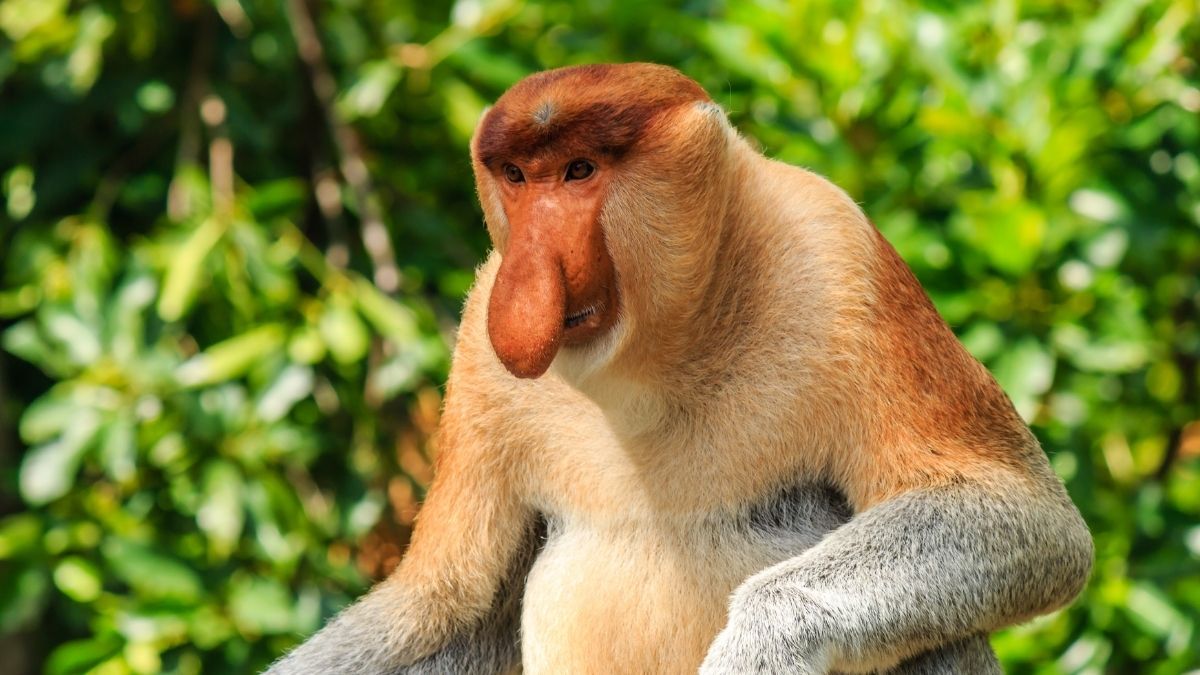
- Twelve bekantan were found dead after a fire burned part of their fragmented habitat.
- BKSDA is assessing surviving wildlife and whether injured animals require evacuation or translocation.
- South Kalimantan recorded 3,220 forest and land fires between 1 September and 14 September.

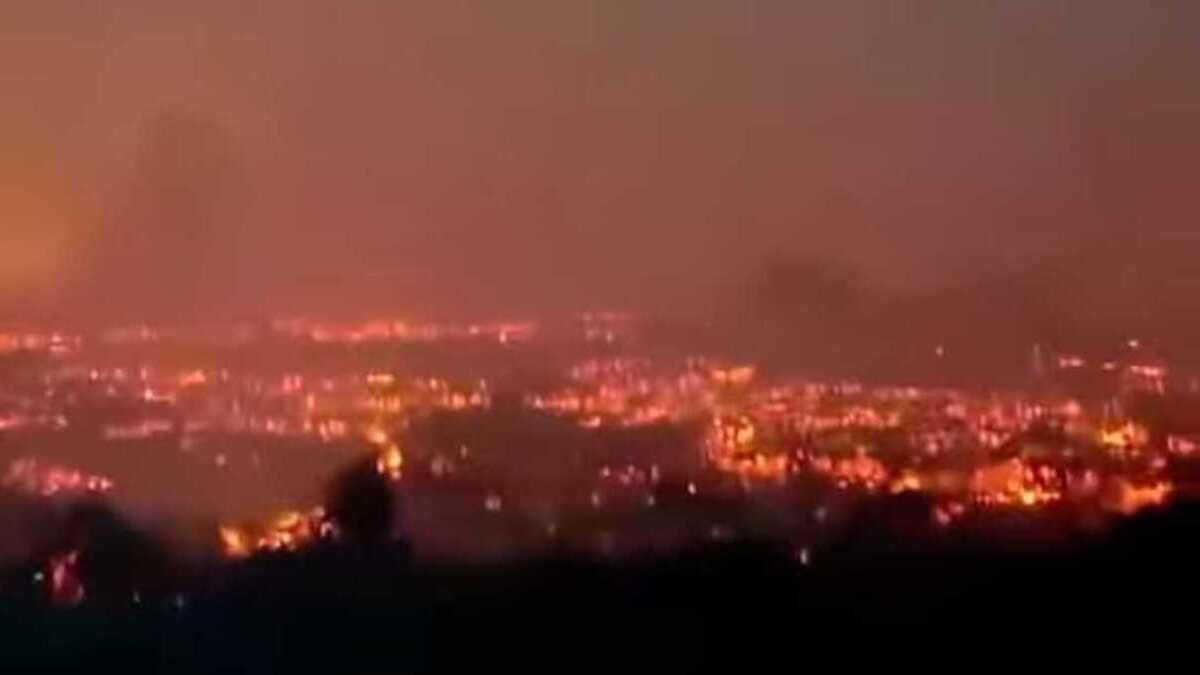
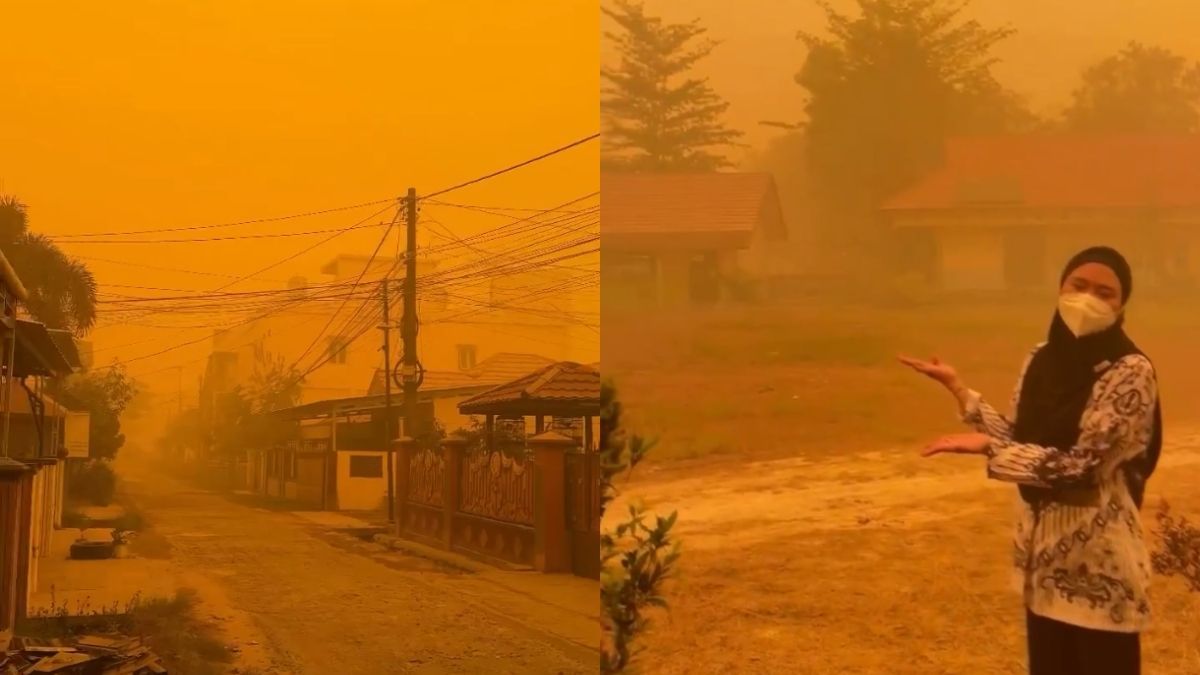
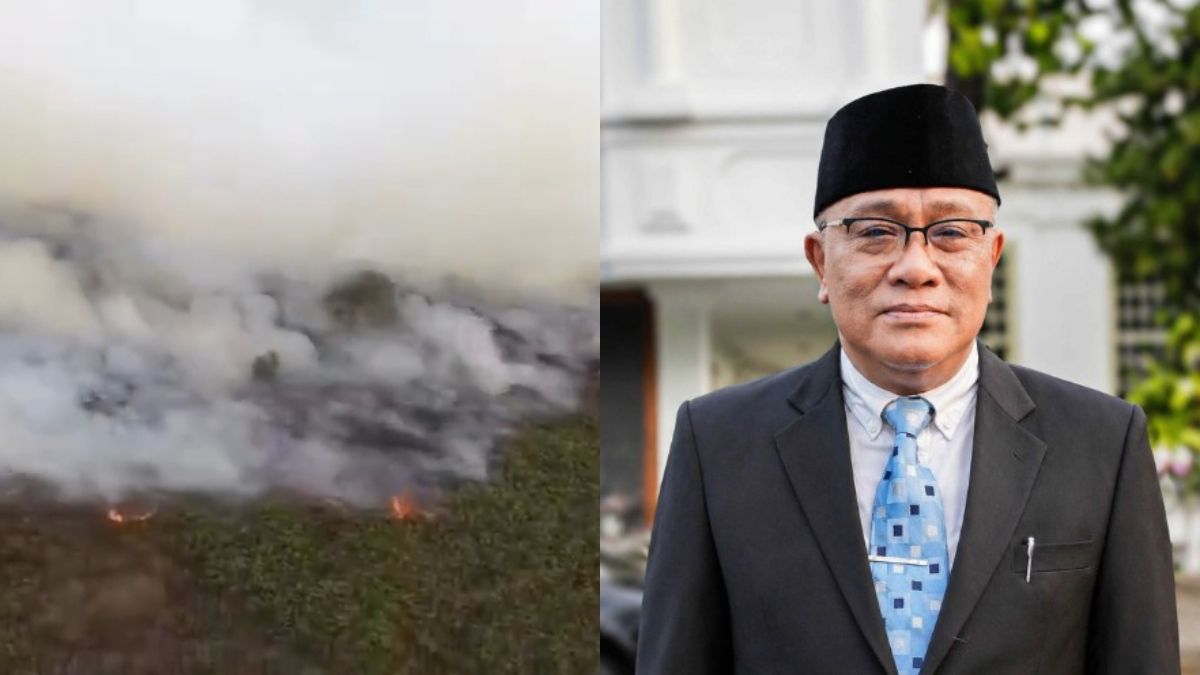
Twelve bekantan (Proboscis monkey), a protected primate endemic to the island of Borneo, were found dead after a forest and land fire swept through their habitat in Balimau village, Hulu Sungai Selatan regency, South Kalimantan, Indonesian authorities said.
The South Kalimantan Natural Resources Conservation Agency (BKSDA) said its wildlife rescue team found the carcasses on Monday, 14 September, after receiving information from firefighters and local residents about a fire in the area the previous day.
One python and one king cobra were also found dead as a result of the fire.
“Therefore, there are approximately 12 bekantan, as well as one python and one king cobra, that were burned,” BKSDA South Kalimantan chief Agus Ngurah Krisna told Antara, as reported by Antara.
The animals were found in an Area for Other Uses (APL), a designation for land outside forest areas, in Balimau village.
Fire affected fragmented habitat
The affected habitat consists of two separate areas divided by an asphalt road. According to BKSDA, one is village-owned land covering about 8 hectares, while the other is privately owned land covering about 1.3 hectares.
The vegetation includes shrubs and trees locally known as galam, renghas, bungur and halaban.
Agus said the two areas form part of the bekantan's range despite being fragmented rather than forming a single continuous ecosystem.
“The habitat is indeed fragmented, so it is not one expanse of habitat or one unified ecosystem, but is separated,” he said.
The fire occurred on both village and privately owned land. BKSDA's inspection found that the privately owned area was particularly affected, with about 80% of the land burned, while the village-owned area was not extensively affected. The dead bekantan were found in the privately owned section.
Agus said the limited habitat, combined with the intensity of the fire and strong winds, was believed to have left the bekantan unable to escape.
Authorities assess surviving wildlife
According to the village head, there were about 60 bekantan in the area before the fire, although BKSDA said that figure still needs to be verified through field monitoring.
The site is also home to other wildlife, including lutung, known locally as hirangan, and long-tailed macaques.
BKSDA's rescue team has been assessing the burned habitat, the extent of the affected area and whether any surviving animals are injured or require evacuation.
All the bekantan carcasses found so far have been handled and buried by BKSDA personnel. If there are indications that an animal died from another cause, such as shooting, the carcass will be taken for examination by a veterinarian.
The agency said its follow-up measures include coordinating with the local government and other relevant parties, checking for surviving or injured animals, assessing whether the habitat remains suitable and considering translocation if necessary.
It is also conducting public education and outreach on protecting wildlife habitat.
Thousands of fires recorded across South Kalimantan
The deaths come amid widespread forest and land fires in South Kalimantan.
According to data from the South Kalimantan Regional Disaster Management Agency (BPBD), 3,220 forest and land fires were recorded across the province between 1 September and 14 September 2026, affecting an estimated 21,414.43 hectares.
Hulu Sungai Selatan was among the three regencies or cities with the largest burned areas, with an estimated 3,786.71 hectares affected.
BKSDA said the fires pose a serious threat to wildlife, particularly animals living outside protected conservation areas.
In 2025, South Kalimantan had an estimated 3,757 bekantan across 11 regencies and cities, according to BKSDA data. Of these, 1,281 were recorded within 12 conservation areas with mangrove and lowland ecosystems.
BKSDA said the remaining population lives outside protected areas, where habitats are more vulnerable to forest and land fires.
Conservation area expansion considered
BKSDA South Kalimantan is coordinating with the local government and other parties to promote an Areal Preservasi (AP) scheme, which would expand areas designated for conservation and strengthen commitments to protecting wildlife.
Under Law No. 32 of 2024, which amended Law No. 5 of 1990 on the Conservation of Living Natural Resources and Their Ecosystems, an Areal Preservasi refers to areas outside Nature Reserve Areas and Nature Conservation Areas whose ecological conditions are maintained to support life-support functions and biodiversity.
BKSDA said the scheme is being considered alongside continued monitoring and measures to protect wildlife affected by the fires.