UNIFIL patrol exchanges fire with unidentified shooter in southern Lebanon
UNIFIL says a patrol came under fire near Wadi Jilu in southern Lebanon, prompting peacekeepers to return fire. No injuries were reported as the mission called for a Lebanese investigation.
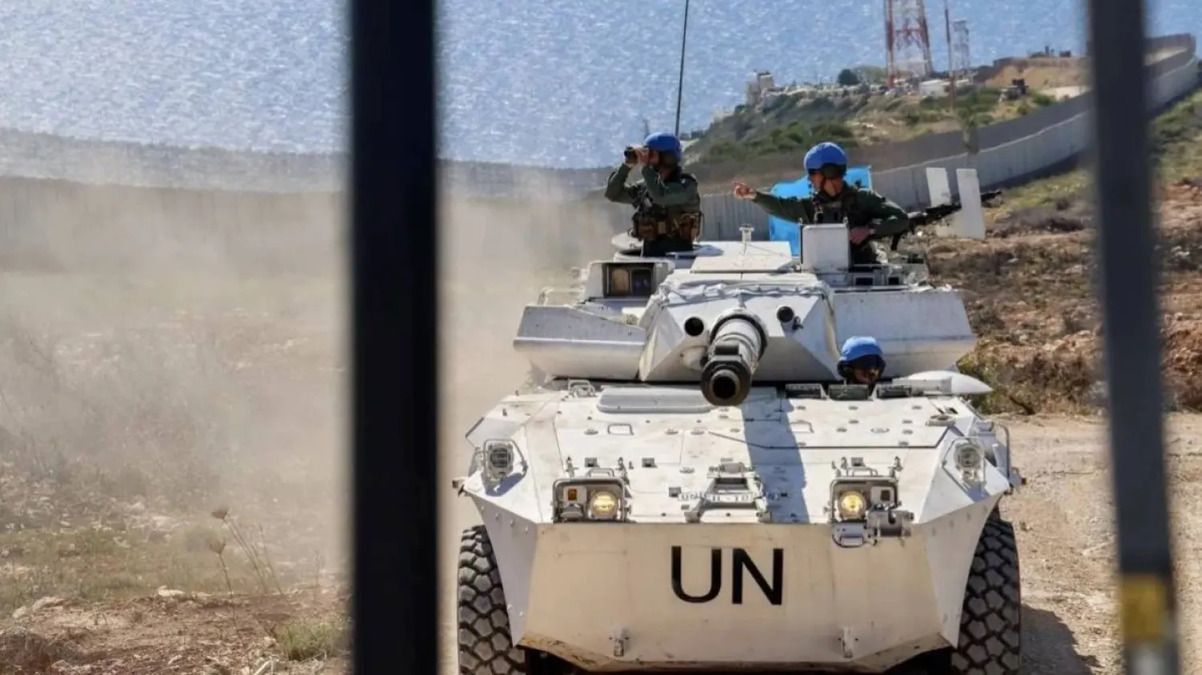
- UNIFIL says its patrol returned fire after unidentified gunfire near Wadi Jilu in southern Lebanon.
- No peacekeepers were injured, and the mission has called for a Lebanese government investigation.
- The incident comes as UNIFIL prepares to end its mandate and withdraw from Lebanon during 2027.

The United Nations Interim Force in Lebanon (UNIFIL) has reported that one of its patrols came under fire near Wadi Jilu in southern Lebanon, prompting peacekeepers to return fire. No injuries were reported, and the mission has called on the Lebanese government to investigate the incident and identify those responsible.
In a statement issued on Tuesday, 10 November 2026, UNIFIL said the patrol was carrying out routine duties when it was fired upon with approximately a dozen rounds. The peacekeepers identified a muzzle flash and returned fire, after which the shooting stopped.
The mission did not identify the person or group responsible for the shooting.
“This evening, a routine UNIFIL patrol near Wadi Jilu was fired upon with about a dozen rounds. After identifying a muzzle flash, the patrol returned fire. The shooter stopped firing. No peacekeepers were injured,” the statement said.
UNIFIL called on the Lebanese government to launch a prompt investigation and hold those responsible accountable.
“We reiterate the obligation under international law for all actors to ensure the safety and security of UN personnel and property at all times,” it said.
The mission added that deliberate attacks on peacekeepers violate United Nations Security Council Resolution 1701 and international humanitarian law.
UNIFIL does not identify those responsible
The statement did not specify whether the shots came from an individual, an armed group or another party operating in the area.
Wadi Jilu is in southern Lebanon, within the wider area where UNIFIL operates alongside the Lebanese Armed Forces (LAF). The mission monitors developments along the boundary between Lebanon and Israel and supports the implementation of Security Council Resolution 1701.
UNIFIL's account indicates that the patrol returned fire after identifying the source of the shooting through a muzzle flash. The exchange ended after the shooter stopped firing.
The mission did not report damage to its vehicles or equipment, and no peacekeepers were injured.
The incident comes amid continuing security concerns in southern Lebanon, where Israeli forces remain in parts of the country despite a cessation-of-hostilities arrangement. Hezbollah, the armed group based in Lebanon, has also remained a central issue in discussions about security arrangements and the authority of the Lebanese state.
There was no immediate public statement from the Lebanese Army identifying the suspected shooter or providing a separate account of the incident.
Lebanon wants international forces to remain in the south
The shooting comes as UNIFIL prepares for the end of its current mandate on 31 December 2026.
The Security Council decided in August 2025 to extend the mission's mandate for a final time under Resolution 2790. It also directed UNIFIL to cease operations at the end of 2026 and begin an orderly and safe withdrawal of its personnel over the following year, in consultation with the Lebanese government.
The resolution provides for a gradual withdrawal rather than an immediate departure. During that period, UNIFIL will retain limited responsibilities, including protecting United Nations personnel and facilities, maintaining situational awareness around its positions, supporting the protection of civilians and helping ensure the safe delivery of humanitarian assistance.
The resolution also calls for the Lebanese government to become the sole provider of security in southern Lebanon, with the Lebanese Armed Forces expected to assume responsibilities as UNIFIL withdraws.
Lebanese President Joseph Aoun has publicly opposed the prospect of the south being left without an international security presence.
On 17 August 2026, Aoun told a parliamentary delegation that extending UNIFIL's mandate was Lebanon's preferred option. If an extension could not be secured, he said, the country wanted an alternative arrangement that would maintain an international force under an appropriate legal framework.
The presidency said Aoun considered UNIFIL's presence important for stability in the south and for supporting residents who wished to remain in their villages and towns.
The president's position was also reflected in a letter signed by 86 members of parliament supporting the continuation of the mission, according to the presidency's account of the meeting.
Resolution 1701 and the mission's role
UNIFIL was established in March 1978 after Israeli forces entered southern Lebanon. Its original tasks included confirming the withdrawal of Israeli forces, restoring international peace and security, and assisting the Lebanese government in re-establishing its authority in the area.
Its responsibilities were expanded following the 2006 conflict between Israel and Hezbollah, when the Security Council adopted Resolution 1701.
The resolution called for a cessation of hostilities and the deployment of the Lebanese Army in southern Lebanon alongside UNIFIL. It also envisaged an area between the Blue Line and the Litani River free of armed personnel, weapons and military assets other than those belonging to the Lebanese state and UNIFIL.
The Blue Line is a United Nations-demarcated line used to confirm Israel's withdrawal from Lebanon in 2000. It is not an agreed international border between the two countries.
UNIFIL's responsibilities include monitoring the cessation of hostilities, accompanying and supporting the Lebanese Army as it deploys in the south, and reporting violations of Resolution 1701.
The mission is not mandated to disarm Hezbollah or independently compel Israeli forces to withdraw. Those objectives depend on the implementation of the relevant Security Council resolutions and decisions by the parties concerned.
Uncertainty over security arrangements after withdrawal
The planned end of UNIFIL's mandate has raised questions about how security and monitoring will be maintained in southern Lebanon after the mission leaves.
Resolution 2790 asked the UN Secretary-General to explore options for continuing the implementation of Resolution 1701 after UNIFIL's withdrawal. These include possible arrangements for monitoring the Blue Line and supporting the Lebanese Army's deployment south of the Litani River.
During a visit to Lebanon in October, UN Under-Secretary-General for Peace Operations Jean-Pierre Lacroix discussed the future of the mission with senior Lebanese officials, including Aoun, Prime Minister Nawaf Salam, Parliament Speaker Nabih Berri and Lebanese Army Commander General Rodolphe Haykal.
UNIFIL said the discussions covered implementation of Resolution 1701, the mission's work and options for the period after its departure.
The force has also faced practical difficulties in preparing for withdrawal. Some of its positions are in areas affected by the continuing Israeli military presence, complicating plans for the Lebanese Army to take over responsibility.
At a meeting of G7 foreign ministers in Paris on 10 November, French Foreign Minister Jean-Noël Barrot said the ministers agreed on the need to avoid a security vacuum in Lebanon after UNIFIL's mandate expires.
However, Barrot acknowledged that the meeting had not produced a breakthrough on what would replace the mission.
UNIFIL currently has approximately 7,500 personnel from nearly 50 countries. Its departure would end a United Nations peacekeeping presence in southern Lebanon that has operated since 1978.
The latest shooting therefore comes as the mission continues its work under an existing mandate while preparations for its eventual withdrawal are under way.