Indonesia to test dry ice to tackle haze as pollution hits Singapore and Malaysia
Indonesia plans to test dry ice to improve visibility amid smoke haze from forest and land fires, following a South Sumatra trial. Singapore faces unhealthy air quality, while Malaysia has extended school closures in Johor.
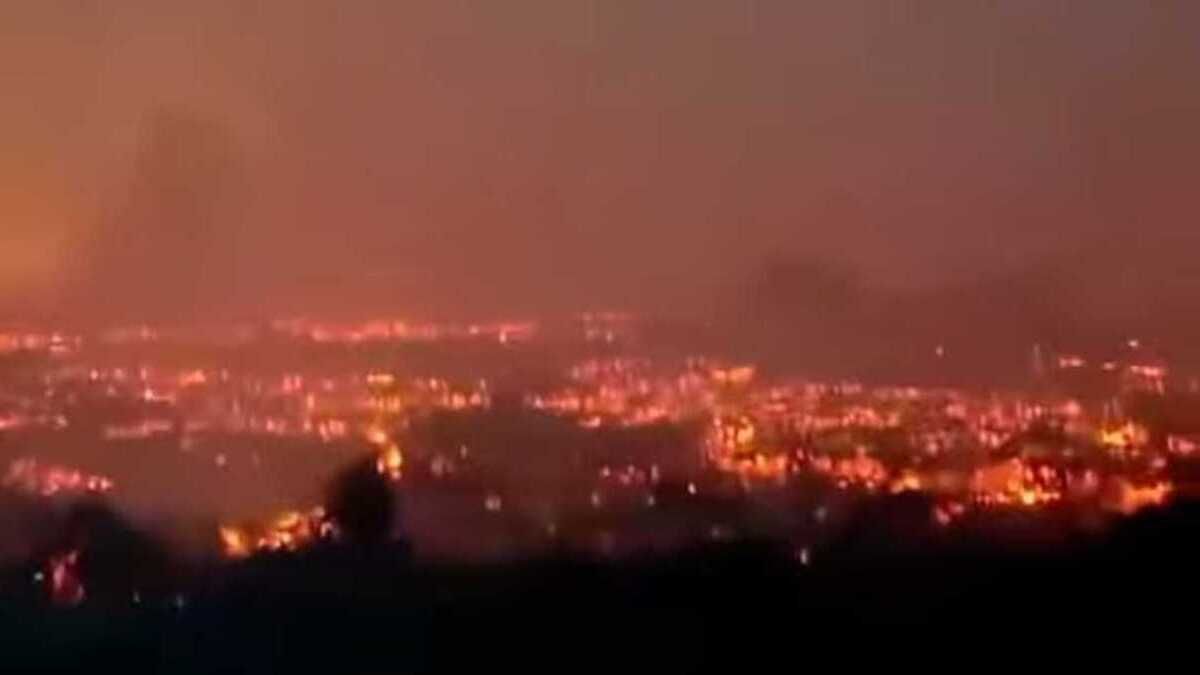
- Indonesia plans a dry ice trial in Central Kalimantan to improve visibility around Tjilik Riwut Airport.
- Singapore faces unhealthy air quality, while Malaysia has extended school closures in Johor amid persistent haze.
- Indonesian authorities say further evaluation is needed to determine whether dry ice contributed to improved visibility and lower PM2.5 concentrations in South Sumatra.

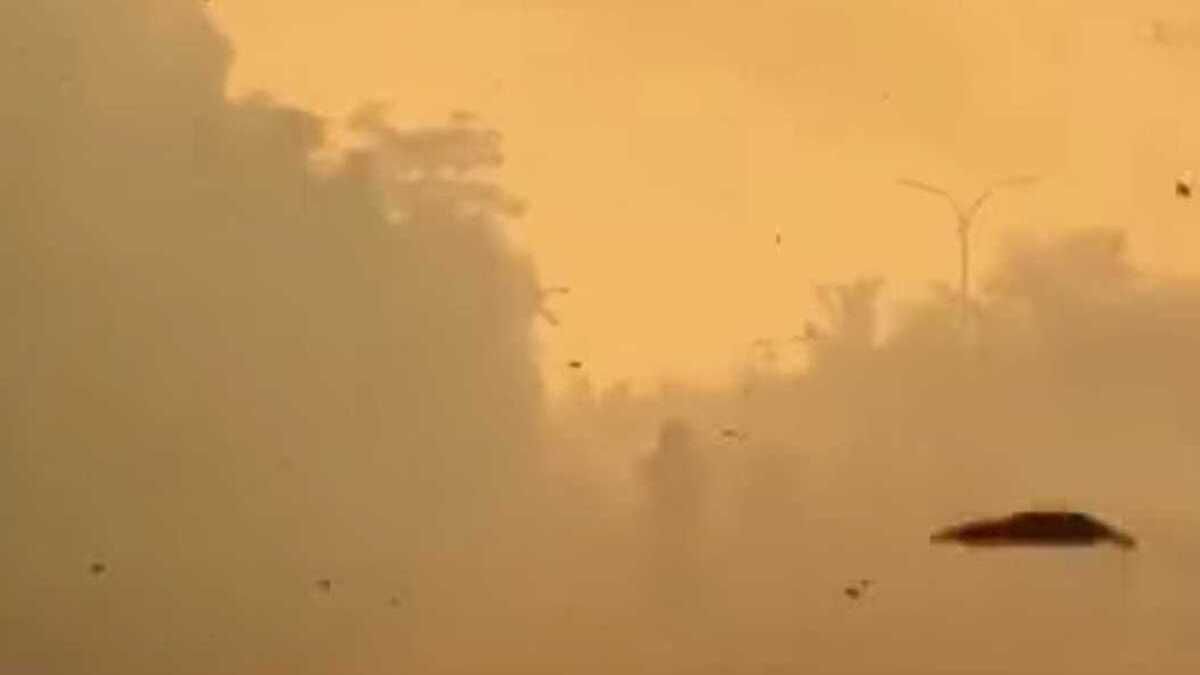
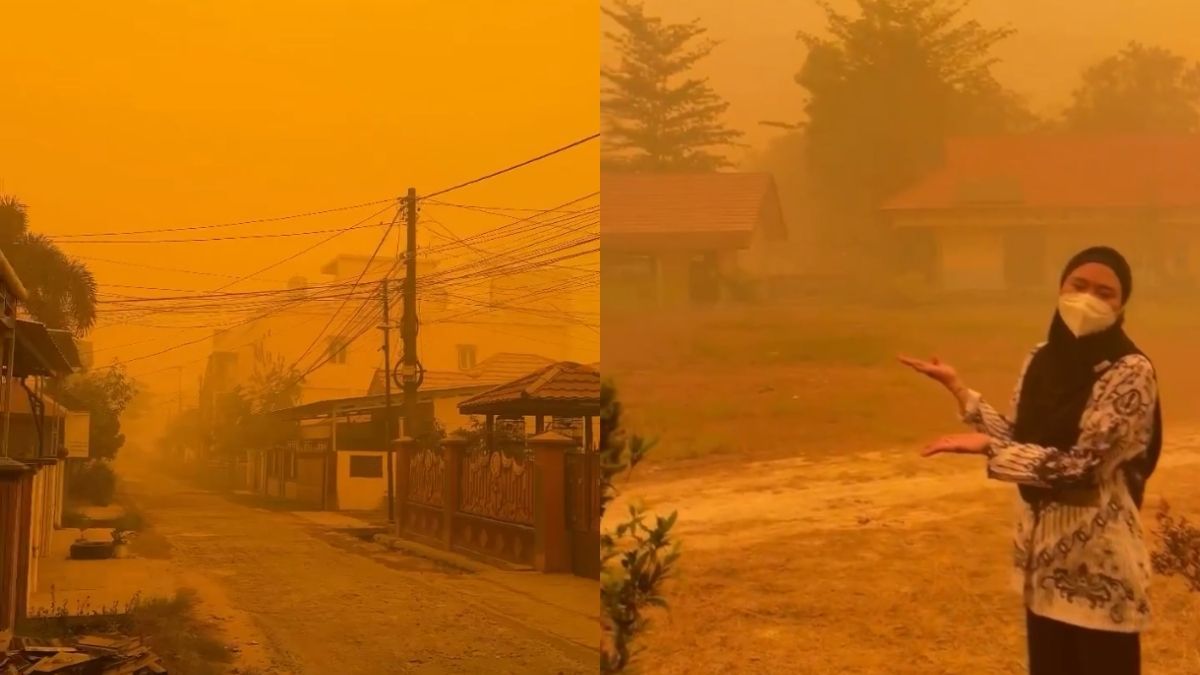
Indonesia is preparing to test dry ice to reduce smoke haze from forest and land fires in Central Kalimantan, as worsening air pollution continues to affect neighbouring Singapore and Malaysia, where schools have closed and flight operations have been disrupted.
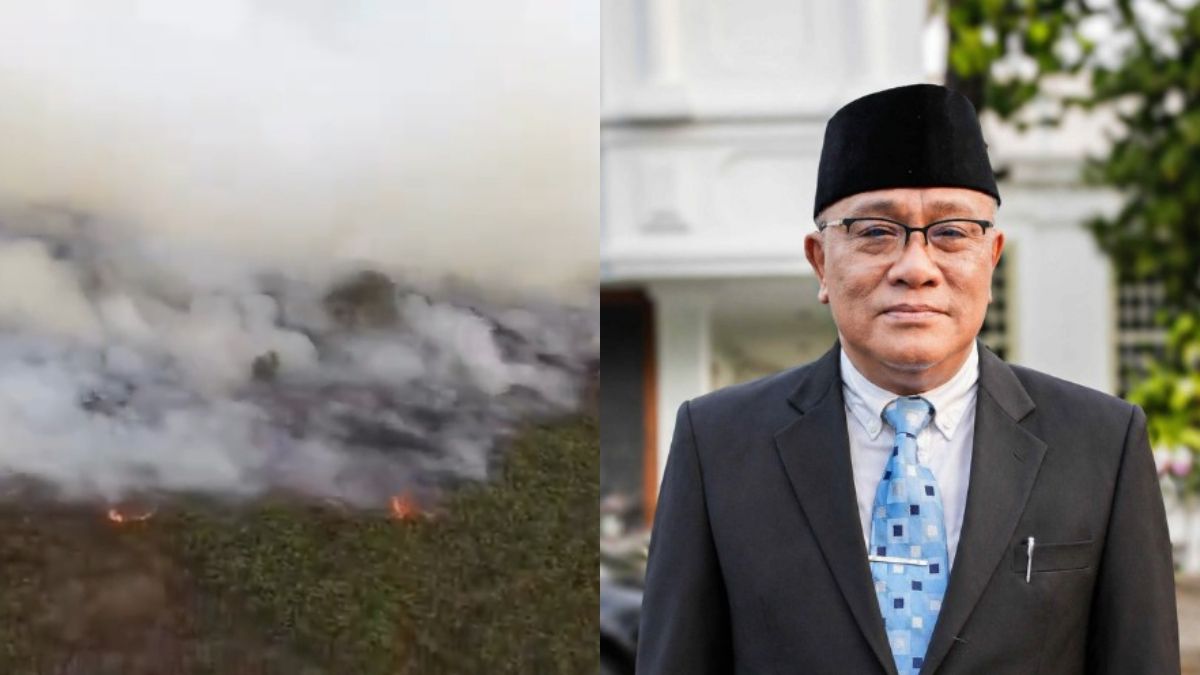
Forestry Minister Raja Juli Antoni said on Saturday, 17 October, that a supplier had been found in Kalimantan and the material was expected to arrive the following afternoon.
The initial objective is to improve visibility around Tjilik Riwut Airport in Palangka Raya, the capital of Central Kalimantan.
The planned trial follows a separate two-day operation in South Sumatra, where Indonesia deployed 2.4 tonnes of dry ice over the area around Sultan Mahmud Badaruddin II International Airport in Palembang on 15 and 16 October.
The operation was intended to disperse dense haze that had affected visibility and flight schedules, according to the National Disaster Management Agency (BNPB).
The Central Kalimantan trial will involve the Forestry Ministry, the Meteorology, Climatology and Geophysics Agency (BMKG), the military and BNPB.
Authorities have said the method remains experimental and will require further evaluation before it can be considered for wider use.
Indonesia says South Sumatra trial needs further evaluation
Raja Juli said the South Sumatra intervention was conducted for two days with financial support from the Forestry Ministry.
The provincial government reported that visibility had improved from about 300 metres to 2,800 metres, while PM2.5 concentrations fell from 660 to 200.
However, the minister cautioned against attributing the changes entirely to dry ice.
BMKG is expected to assess whether the improvement resulted from the intervention or whether other factors, including weather conditions, contributed to the changes.
“This is one of the studies that has been conducted by our colleagues at BMKG together with Thailand, but the results are still in progress, being continuously tested,” Raja Juli said, according to ANTARA.
Dry ice is solid carbon dioxide. In weather-modification operations, it can be used to encourage ice-crystal formation in suitable clouds.
The Indonesian government is testing whether the approach can help improve conditions in areas affected by smoke, particularly where poor visibility threatens aviation and public mobility.
Raja Juli acknowledged that the technical application was still being developed and said the ministry was continuing discussions with BMKG. The trial in Central Kalimantan would be adjusted according to operational requirements and available funding.
He said the government would consider extending the approach to other affected districts if the evaluation showed that it was effective.
Singapore records very unhealthy air quality
The haze has continued to affect Singapore, where the National Environment Agency (NEA) forecast a Pollutant Standards Index (PSI) of between 101 and 190 for 19 October, placing the forecast range in the unhealthy category.
In its update on 18 October, NEA reported that the previous day's forecast had reached between 150 and 220, spanning the unhealthy to very unhealthy categories.
The agency has advised residents to reduce or avoid prolonged and strenuous outdoor physical activity, depending on their health status and the severity of pollution.
Children, older people, pregnant women and those with chronic heart or lung conditions are among the groups advised to take additional precautions.
Singapore's aviation operations have also been affected. The Civil Aviation Authority of Singapore and Changi Airport Group said 16 flights were diverted from Seletar Airport between 5 and 11 October as a precaution against low visibility.
Changi and Seletar airports remained operational, although airlines had adjusted or cancelled some flights according to prevailing conditions.
NEA has reported smoke haze drifting towards Singapore from fires in Kalimantan and Sumatra.
In its 16 October update, the agency said dense haze from fires in Kalimantan continued to move towards Singapore under prevailing south-easterly winds. It also warned that dry conditions in parts of the surrounding region could allow the haze to persist.
Malaysia extends school closures in Johor
In Malaysia, the Johor state government has extended the closure of schools and educational institutions for another five days, beginning on Monday, 19 October, because air quality had not improved significantly.
State Education and Information Committee chairman Muhammad Naqib Md Ghazali announced the extension on Saturday following a meeting of the Johor Haze Management Coordination Committee.
He said the decision would remain subject to air-quality readings, weather forecasts and health assessments.
Monitoring reports showed that pollution levels remained concerning, while wind movements and forecasts for the following three to four days were also taken into account. The decision followed earlier closures as haze worsened across the state.
The impact has extended beyond Johor. On 14 October, Malaysia's Education Minister Fadhlina Sidek announced the closure of schools in Johor, Melaka and Negeri Sembilan, as well as schools in selected districts in Selangor, Pahang, Sabah and Sarawak.
Home-based teaching and learning was to be implemented during the closures.
Malaysia's Department of Environment uses the Air Pollutant Index (API) to measure local air pollution. The index is different from Singapore's PSI, so readings from the two countries should not be compared directly.
Indonesia faces pressure to contain fires
The dry ice trial comes amid mounting pressure on Indonesia to control forest and land fires that have produced smoke affecting communities across the region.
Indonesia has deployed firefighting personnel and aircraft and carried out weather-modification operations as part of its response.
The government has also pursued enforcement action against individuals and companies suspected of involvement in fires.
The dry ice operations are intended to provide another possible means of improving visibility during severe haze episodes. They do not, by themselves, extinguish the forest and peatland fires generating the smoke.
Raja Juli said the Central Kalimantan trial would be assessed before any decision was made to expand it.
The immediate priority is to improve visibility around Tjilik Riwut Airport, while the wider question of whether dry ice can reliably reduce haze remains subject to testing and evaluation.