Indonesia targets extinguishing forest fires within a month as regional aid offers remain under review
Indonesia aims to extinguish forest and land fires within a month as it assesses firefighting offers from Malaysia and Singapore. The response continues amid haze, operational challenges and proposed tougher rules against deliberate burning.
- Indonesia aims to extinguish forest and land fires within a month despite continuing operational challenges.
- Malaysia’s proposed aircraft, helicopters and 52 personnel remain undeployed as Indonesia assesses foreign assistance offers.
- The government is considering stricter rules on land clearing, plantation replanting and deliberate burning.

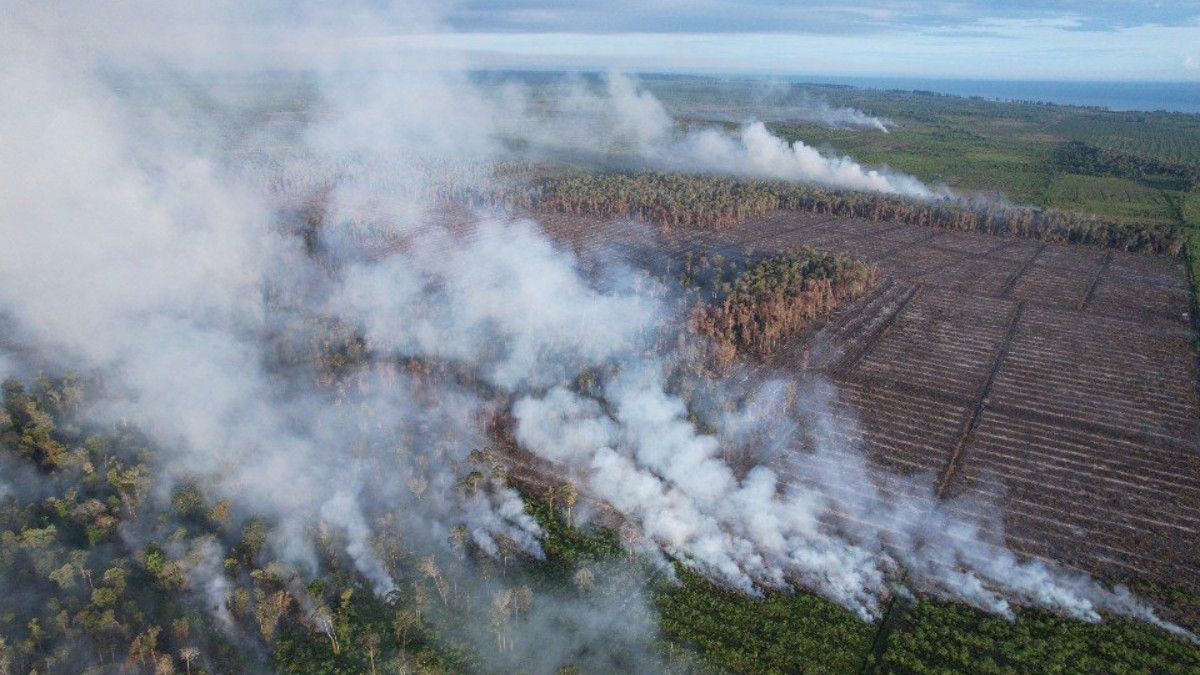
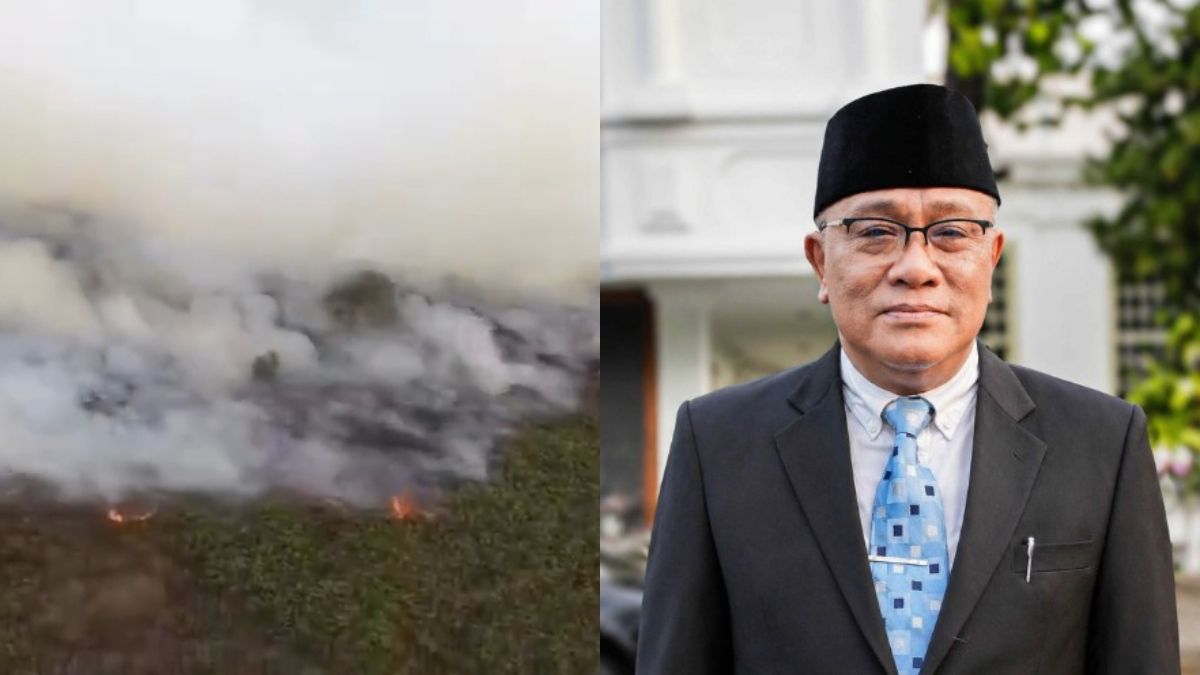
Indonesia is aiming to extinguish forest and land fires within a month as authorities assess offers of international assistance, including from Malaysia and Singapore, amid continuing firefighting operations and haze affecting the region.
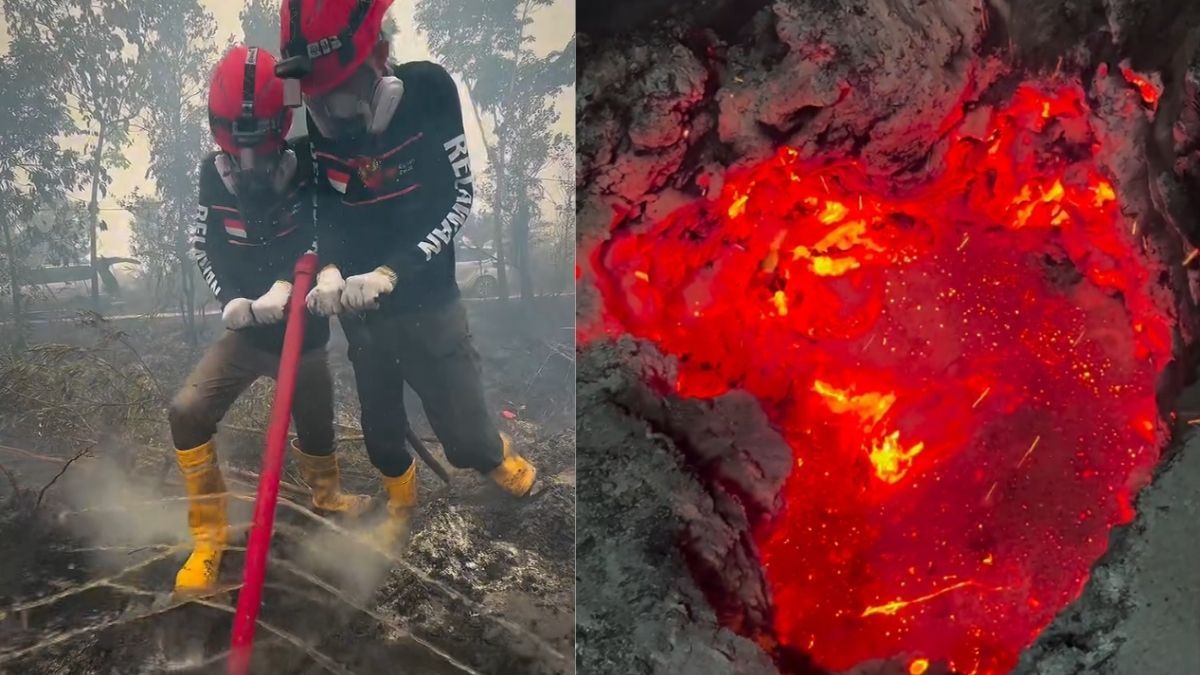
Environment Minister Jumhur Hidayat said on 13 October that the intensity of fires had begun to decline, although poor visibility and operational challenges continued to hamper water-bombing aircraft.
The government is reviewing offers of foreign assistance to determine what resources are available and how effectively they could support Indonesia’s ongoing response.
However, Malaysia’s offer of firefighting assets remains unanswered, according to the latest statements from Malaysian officials and Indonesian authorities.
Malaysia and Singapore stand ready to help
Singapore has offered assistance to Indonesia as it battles forest fires and the haze they produce. Singapore’s Minister for Sustainability and the Environment, Grace Fu, said on 10 October that Singapore stood ready to support Indonesia’s efforts. She had contacted Jumhur to convey the offer.
Malaysia has also offered firefighting resources, including a Bombardier CL-415MP aircraft, three helicopters and 52 officers and personnel from the National Disaster Management Agency (NADMA), the Malaysian Maritime Enforcement Agency and the Royal Malaysian Air Force.
Malaysian Deputy Prime Minister Ahmad Zahid Hamidi said on 11 October that Malaysia had yet to receive a response to its offer, despite official communications with Indonesian counterparts. He said he had discussed assistance with President Prabowo Subianto in September.
Prabowo had reportedly welcomed Malaysia’s offer after meeting Zahid on 18 September. However, the proposal has not progressed to an agreed deployment.
On 12 October, Coordinating Minister for Political and Security Affairs Dudung Abdurachman said offers of assistance from Malaysia and Singapore had not been discussed at a limited cabinet meeting.
Indonesia has said it is assessing foreign offers according to the type of assistance available and its likely effectiveness. The latest updates indicate that Indonesia has not accepted or acted on Malaysia’s proposed deployment, although it has not publicly announced a formal rejection.
Japan’s firefighting mission ended in September
Indonesia previously accepted assistance from Japan, which deployed three CH-47 Chinook helicopters and personnel to help tackle fires in Kalimantan.
The Japanese helicopters operated from 16 to 29 September. Japan’s Ministry of Defence said the mission ended after the Indonesian government indicated that the operation had helped prevent the fires from spreading and that Indonesia could manage subsequent firefighting efforts independently.
Indonesia has also been testing a Brazilian-made fire-extinguishing substance in South Sumatra as part of its domestic response.
Government considers tougher rules to prevent fires
Alongside firefighting operations, the government is considering changes to regulations governing land clearing and the use of burned plantation areas.
Jumhur said the government was considering revising Article 69(2) of Law No. 32 of 2009 on Environmental Protection and Management. The provision currently allows land clearing by burning up to two hectares per household under certain customary practices.
The government is also considering prohibiting the replanting of plantation crops, including oil palm, on concession land that has been burned before commercial planting, as well as imposing strict sanctions for deliberate burning.
Authorities are continuing to assess where additional firefighting resources would be most effective. Jumhur said deploying small numbers of personnel might have limited impact given the tens of thousands already involved in the response, while aircraft requirements were being evaluated.
Regional impact continues
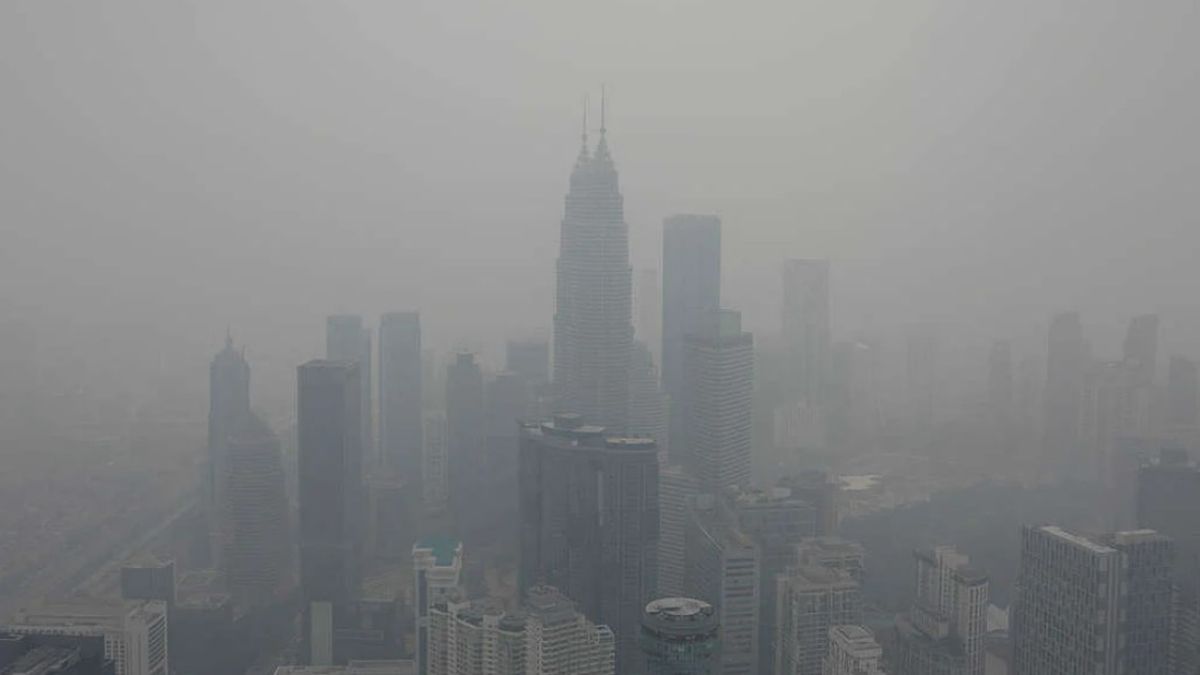
The fires have contributed to haze affecting parts of Southeast Asia. In Malaysia, worsening air quality prompted school closures in Johor on 8 and 9 October. Singapore has also recorded elevated pollution readings during the current haze episode.
The offers from Malaysia and Singapore come as Indonesia continues its domestic response while considering whether outside assistance could provide additional support.