Indonesia and Australia launch joint aerial firefighting operation in East Kalimantan
Indonesia and Australia have launched a joint aerial firefighting operation in East Kalimantan, targeting more than 100,000 litres of daily water delivery to suppress forest and land fires across four areas.
- Indonesia and Australia launched a joint aerial firefighting operation in East Kalimantan from 6 to 12 November.
- Two Australian aircraft and 20 specialist personnel will support operations targeting more than 100,000 litres of water daily.
- East Kalimantan recorded the country's second-highest number of hotspots and a 53 per cent increase in land under fire response.

Indonesia and Australia have launched a joint aerial firefighting operation in East Kalimantan, with the two countries targeting the distribution of approximately 100,000 litres of water a day to suppress forest and land fires.
The operation, which began on 6 November and is scheduled to run until 12 November, involves two Australian aircraft and 20 specialist personnel from the New South Wales Rural Fire Service (NSW RFS). The deployment follows a joint technical assessment by Indonesia’s National Disaster Management Agency (BNPB) and Australian officials.
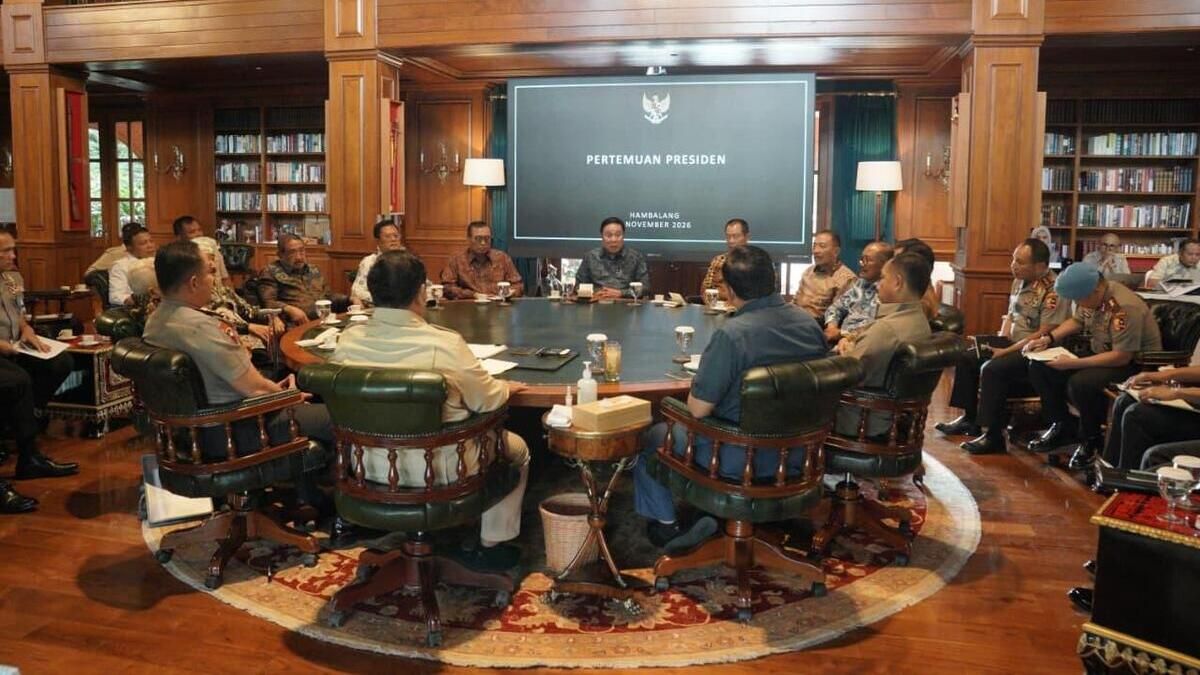
BNPB head Lieutenant-General Kristomei Sianturi said the aircraft would support efforts to extinguish fires in areas identified as requiring aerial assistance.
“Based on our observations and discussions with the Australian technical team, there are still many hotspots in East Kalimantan,” Kristomei said during the aircraft deployment at Halim Perdanakusuma Airport in Jakarta on 5 November, according to BNPB.
Two aircraft deployed for water-bombing operations
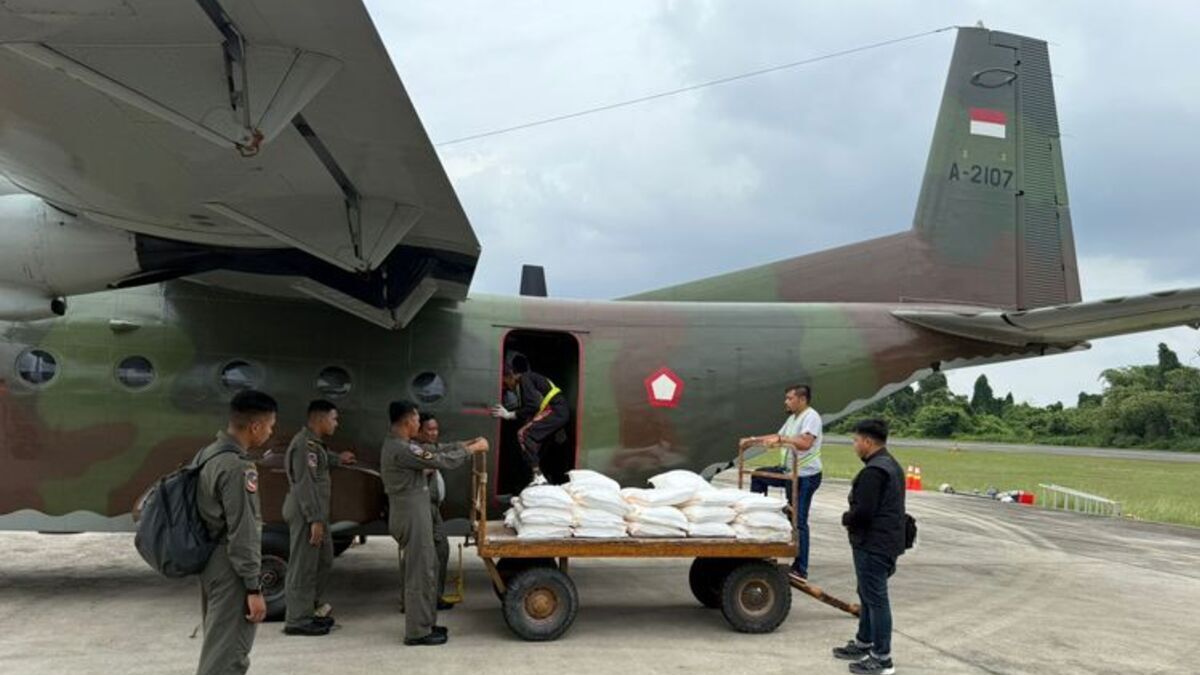
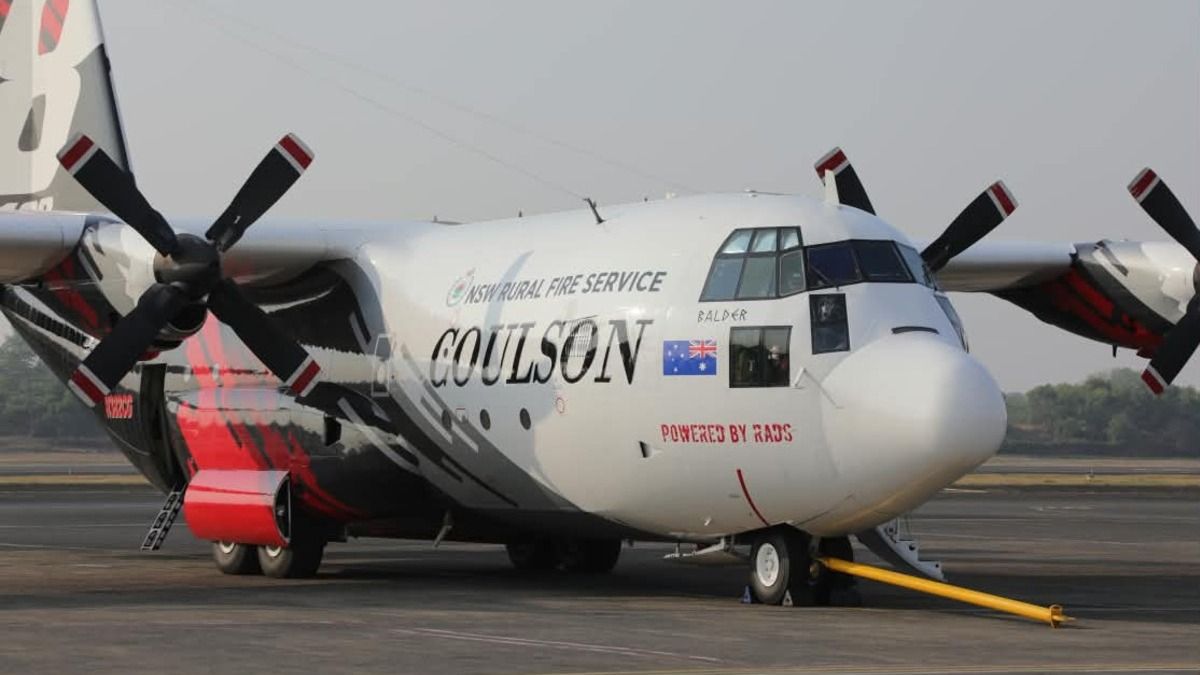
Australia has sent a C-130 Hercules Large Air Tanker, operated by the NSW RFS, and a Cessna Citation aircraft to support the operation.
The C-130 can carry approximately 15,000 litres of water per sortie. According to the Australian Embassy in Jakarta, the aircraft can deliver more than 100,000 litres a day through repeated flights.
Kristomei said the operation could involve up to six sorties daily, depending on operational requirements and the locations identified for water-bombing.
The Cessna Citation will serve as a lead aircraft, helping guide the firefighting operation. The 20-member Australian team includes pilots, flight crew, aerial firefighting specialists and paramedics.
The aircraft and personnel were deployed following discussions between the Indonesian and Australian technical teams. BNPB said East Kalimantan was selected because fires remained active in the province. On 5 November, it had the second-highest number of hotspots among Indonesian provinces, after Central Kalimantan.
BNPB's operational report for 4 November also recorded a 53 per cent increase in the area of land being handled in East Kalimantan.
The agency said the Australian assistance would complement firefighting on the ground and Indonesia’s weather modification operations, which are intended to help manage rainfall conditions and support efforts to extinguish fires.
Australian Ambassador to Indonesia Rod Brazier said the deployment reflected cooperation between the neighbouring countries in disaster management.
“Australia and Indonesia are close neighbours and enduring friends,” Brazier said in the embassy’s statement on 5 November. He also recalled Indonesia’s assistance to Australia during the devastating 2020 bushfires.
Indonesia had deployed personnel from BNPB and the military to assist Australian communities through Operation Bushfire Assist.
Kristomei said Indonesia appreciated Australia's support, describing the deployment as an example of the countries’ longstanding partnership in disaster risk management.
Fires continue to require assistance in Kalimantan
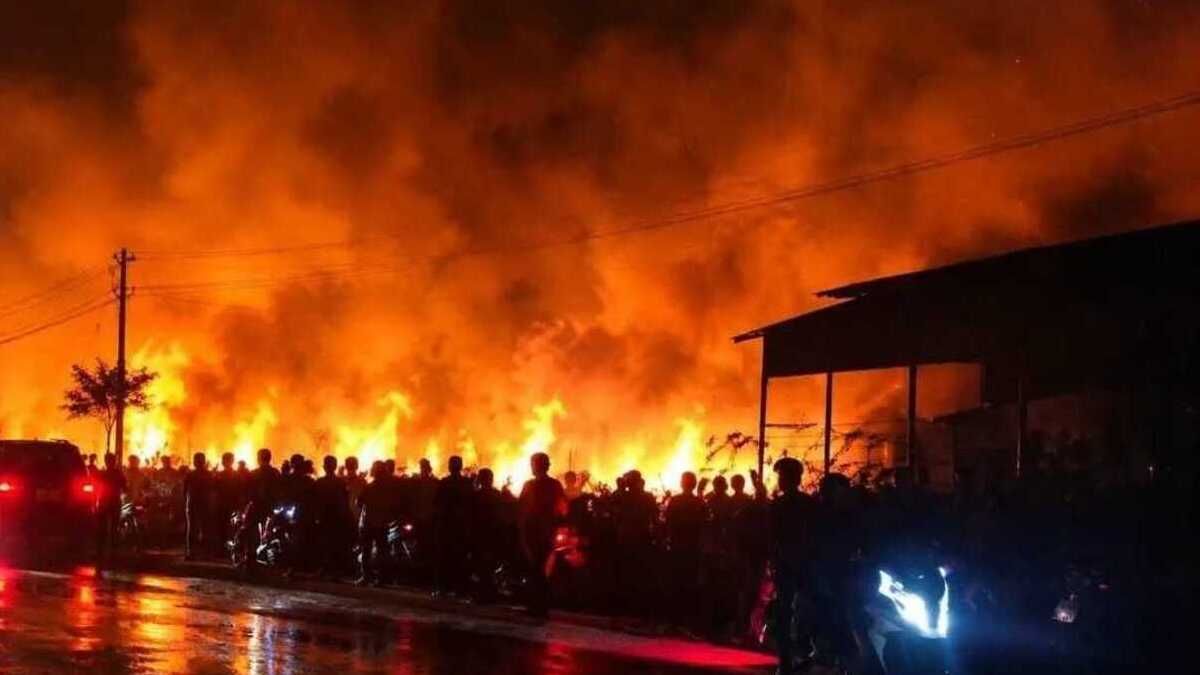
The operation comes as Indonesia continues to deal with forest and land fires across several regions. The country has used ground teams, water-bombing aircraft and weather modification operations to contain the fires.
The Australian deployment is specifically focused on four areas in East Kalimantan: Samarinda, Kutai Kartanegara, Paser and East Kutai.
ANTARA reported on 9 November that the active fires covered an estimated 40 to 50 hectares. The operation's daily water-delivery target is intended to support suppression efforts in areas selected by the Indonesian and Australian teams.
The assistance follows other international support for Indonesia's firefighting operations. Japan previously deployed personnel and helicopters to assist with fire suppression in West Kalimantan in September.
Previous floods in Aceh exposed the impact of extreme weather and land conditions
The firefighting operation in East Kalimantan is separate from the severe flooding that struck Aceh and other parts of Sumatra in November 2025. However, the earlier disaster highlighted the consequences of extreme weather and the condition of river catchments and surrounding land.
The floods and landslides affected several areas between 25 and 27 November 2025.
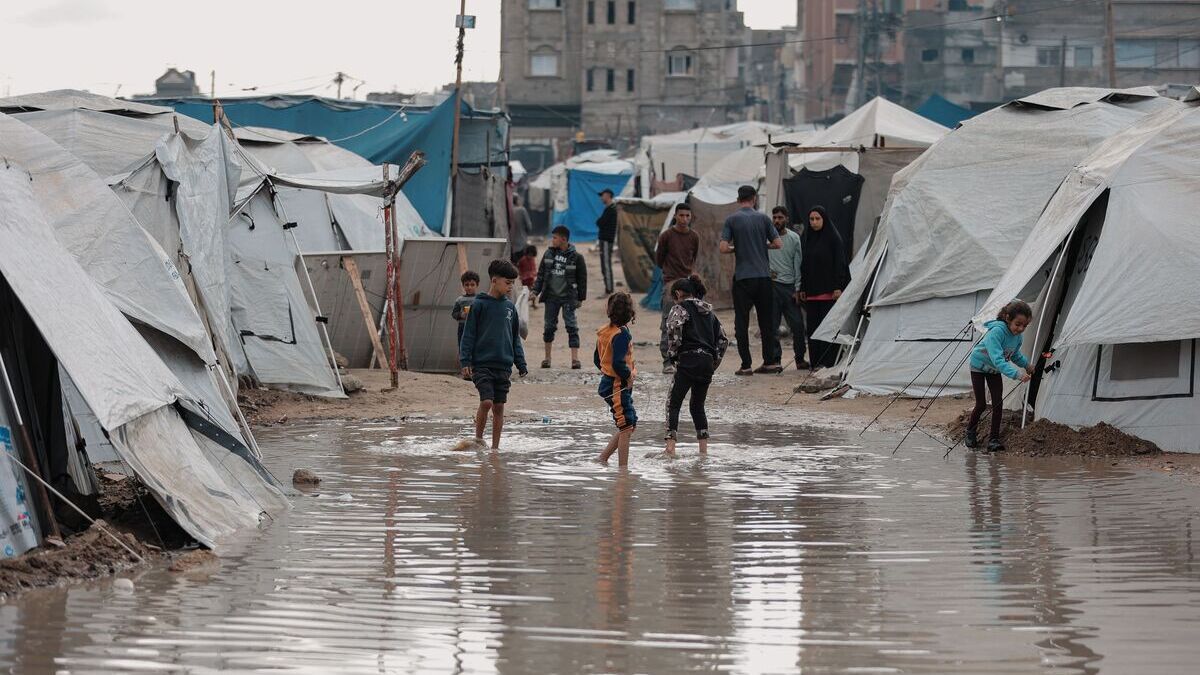
In Aceh, Aceh Utara was among the worst-affected districts. BNPB reported on 27 November that 3,507 people had been displaced there, while 2,668 households, or 4,441 people, were affected.
Floodwater inundated 2,668 houses, around 420 hectares of rice fields and 571 fish ponds. Damage to roads and other infrastructure also disrupted local movement and access to affected communities.
A separate BNPB update on 29 November recorded 47 deaths and 51 people missing across Aceh, with casualties reported in several districts. These figures were an update at that time, rather than a final assessment.
The Meteorology, Climatology and Geophysics Agency (BMKG) identified Tropical Cyclone Senyar as a major factor behind the extreme rainfall. The system developed from Tropical Cyclone Seed 95B in the Strait of Malacca and became Tropical Cyclone Senyar on 26 November 2025.
BMKG said the system moved towards mainland Aceh and increased the potential for very heavy to extreme rainfall, accompanied by strong winds. Rainfall in Aceh Utara reached 310.8 millimetres in 24 hours during 25–27 November, placing it in the extreme category. The agency also identified the Equatorial Rossby wave as another atmospheric factor contributing to the rainfall.
The Ministry of Forestry said the flooding was worsened by changes in land cover that were inconsistent with the designated functions of forest areas. In a statement issued on 28 November 2025, the ministry said such changes increased sedimentation and reduced rivers’ capacity to carry surface water.
In Aceh Utara, the combination of heavy rainfall and land unable to absorb sufficient water contributed to flooding that displaced thousands of residents and inundated agricultural areas.
The ministry said it would strengthen watershed management, accelerate forest and land rehabilitation in critical areas, restore vegetation along riverbanks and steep slopes, and tighten supervision of land-use changes.