Indonesia deploys 57,000 firefighters and cloud-seeding aircraft to tackle forest and land fires
Indonesia’s disaster agency has deployed 14.3 tonnes of weather-modification materials across 15 aircraft sorties in Central Kalimantan and South Sumatra as firefighting operations continue across thousands of hectares in Kalimantan and Sumatra.
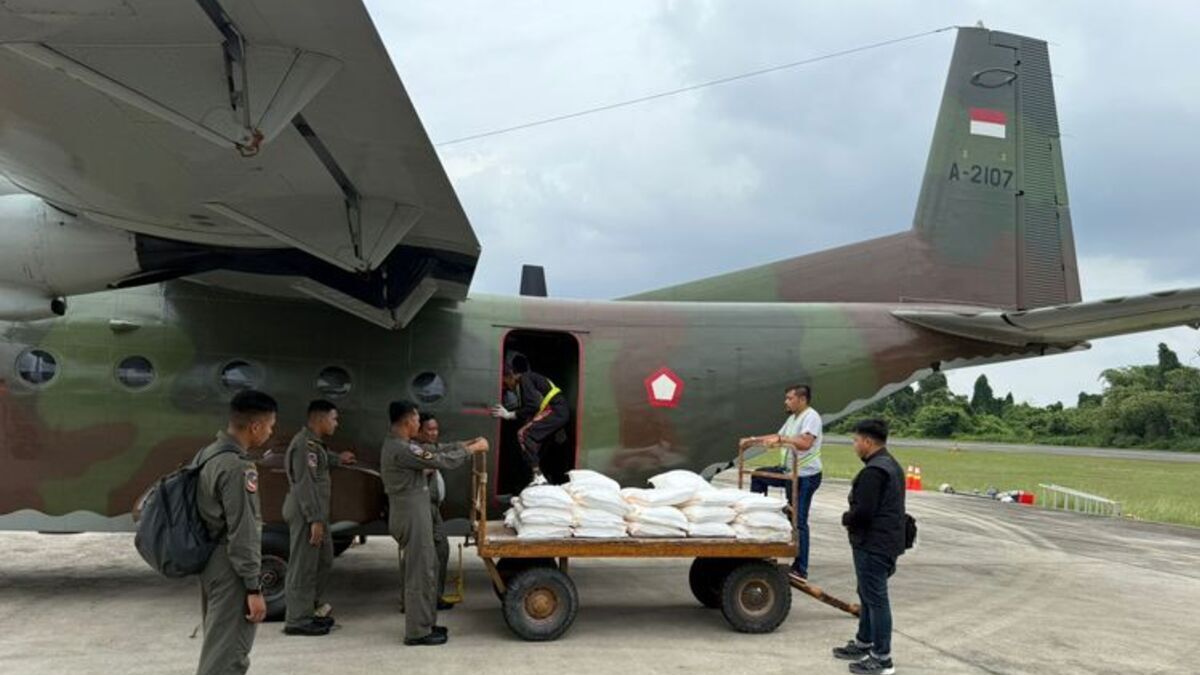
- Indonesia deployed 14.3 tonnes of weather-modification materials across 15 aircraft sorties in Central Kalimantan and South Sumatra.
- BNPB reported 4,382 hectares under fire-management operations across six provinces in Kalimantan and Sumatra as of 25 October.
- Authorities deployed 57,050 ground personnel and 61 aircraft to support firefighting and weather-modification efforts.

Indonesia’s National Disaster Management Agency (BNPB) has used 14.3 tonnes of materials in weather-modification operations aimed at increasing rainfall and supporting efforts to extinguish forest and land fires across several priority regions.
The materials were deployed in 15 aircraft sorties in Central Kalimantan and South Sumatra, according to data recorded up to 23 October 2026. The operations form part of the government’s wider response to fires affecting parts of Kalimantan and Sumatra.
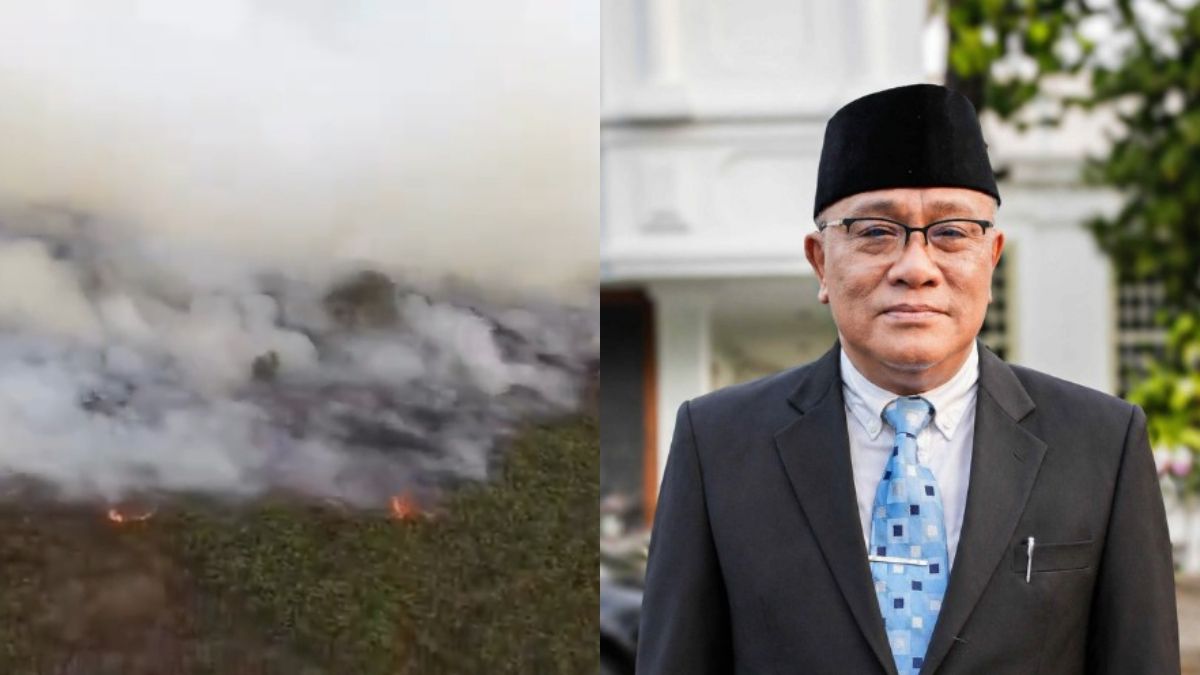
Berton Panjaitan, acting head of the BNPB’s Centre for Disaster Data, Information and Communication, said the agency had used the materials to support weather-modification operations, which are intended to encourage rainfall under suitable atmospheric conditions.
In a statement received in Makassar, South Sulawesi, on 27 October, Berton said the operations were being adjusted to local atmospheric conditions.
Central Kalimantan and South Sumatra operations
In Central Kalimantan, the weather-modification operation used 7,200kg of seeding materials over eight sorties.
The materials included 5,200kg of dry ice and 2,000kg of sodium chloride (NaCl). The dry ice was used in efforts to disperse haze, while sodium chloride was deployed for cloud seeding to encourage artificial rainfall.
However, Berton said no rainfall had been recorded in the targeted areas as of 23 October.
In South Sumatra, seven sorties used a total of 7,100kg of seeding materials. Field observations indicated that visibility had improved by midday following the operations.
The BNPB’s Directorate of Operations Control said weather-modification efforts in other areas had also produced positive results, with outcomes varying according to atmospheric conditions.
Light to moderate rainfall was reported in seven regencies in West Kalimantan, including areas targeted in Sekadau, Ketapang and Sintang. Rain was also reported in Kotabaru Regency in South Kalimantan.
Thousands of hectares remain under fire response
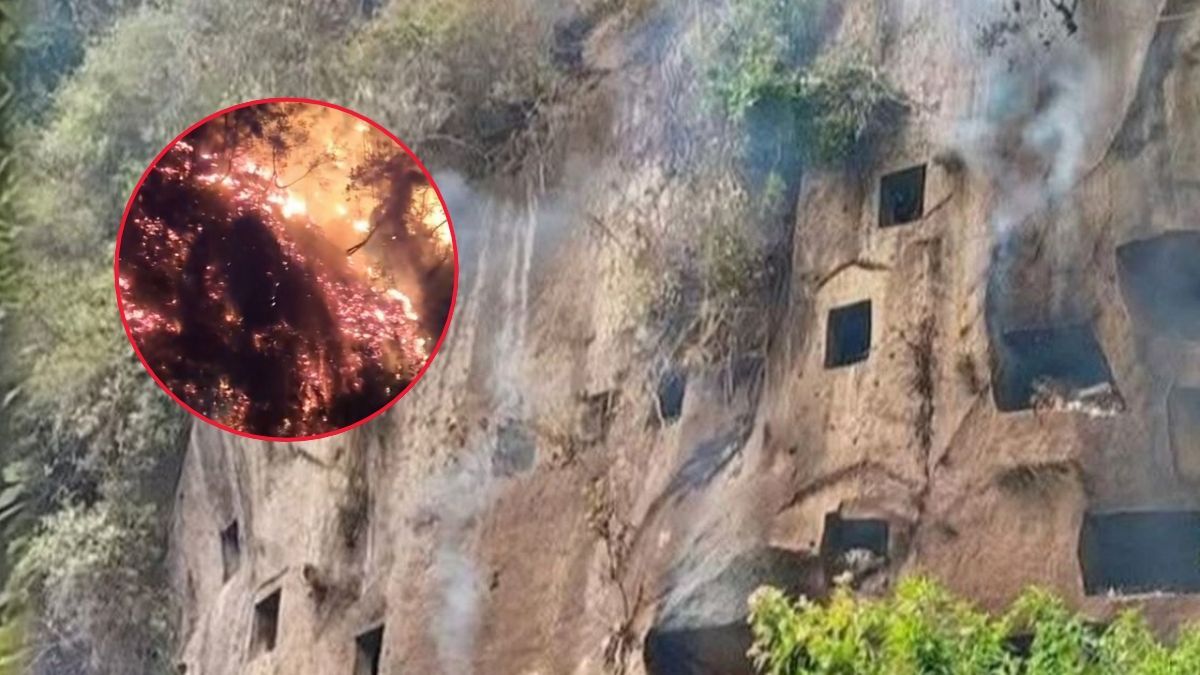
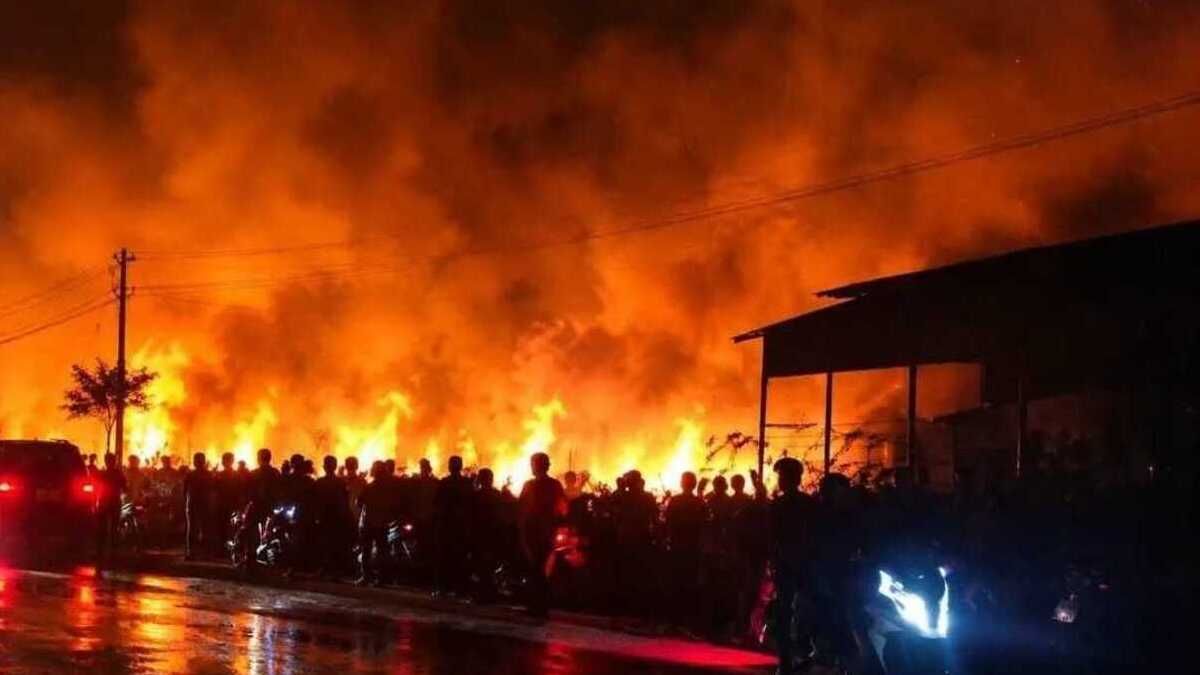
Despite the weather-modification operations, thousands of hectares of land remained under intervention as authorities continued ground and aerial firefighting.
BNPB data updated on 25 October showed that 3,392 hectares across three provinces in Kalimantan remained under fire-management operations. Central Kalimantan accounted for 2,458 hectares, West Kalimantan for 884 hectares and South Kalimantan for 52 hectares.
On Sumatra, approximately 990 hectares remained under intervention across three provinces. South Sumatra accounted for 889 hectares, Jambi for 89 hectares and Lampung for 12 hectares, specifically in the Way Kambas National Park area.
Berton said Central Kalimantan and West Kalimantan remained among the main areas of concern. In West Kalimantan, authorities were also focusing on fire-affected areas including Ketapang and Kayong Utara.
More than 57,000 personnel deployed
The government has deployed 57,050 ground personnel across six provinces to support firefighting operations. They are organised into ground task forces working under provincial command posts.
The deployment includes 16,387 personnel in Central Kalimantan, 14,458 in West Kalimantan, 12,285 in South Sumatra, 7,927 in South Kalimantan, 5,984 in Jambi and nine in Lampung, according to BNPB figures.
Ground teams have been equipped with firefighting hoses, suction hoses, nozzles, boots, portable pumps, backpack pumps, fire swatters and communication radios.
Aerial operations are supported by 61 aircraft, based on data updated on 26 October. These comprise 24 aircraft assigned to patrols, CASA operations and weather modification, alongside 37 helicopters used for water bombing.
The aerial deployment supports efforts to extinguish fires in areas where ground crews may face difficulties reaching or containing fire fronts.
Weather conditions remain a factor
Weather modification is one of several measures being used to support fire suppression. Its effectiveness depends on atmospheric conditions, including the availability and characteristics of clouds suitable for seeding.
The results reported by BNPB varied by region. While rainfall was recorded in parts of West Kalimantan and South Kalimantan, the agency said its targeted areas in Central Kalimantan had not received rain as of 23 October.
The agency has continued to coordinate weather-modification flights with ground and aerial firefighting efforts as it responds to fires in Kalimantan and Sumatra.
Berton said the operations were being supported by personnel and equipment on the ground, with weather modification forming part of the broader emergency response.