Malaysia considers stronger WhatsApp identity checks to curb scams
Malaysia is studying whether to require WhatsApp to strengthen identity and telephone-number verification as police investigate three scam syndicates involving 61 suspects, including a group accused of impersonating communications regulators.
- Malaysia is studying whether WhatsApp should strengthen identity and telephone-number verification for account holders.
- Police arrested 61 people in raids targeting three suspected scam syndicates in Selangor.
- Authorities have not approved new verification rules and continue to advise the public to report suspicious calls.

Malaysia is considering requiring WhatsApp to carry out stronger identity and telephone-number verification for its accounts as authorities respond to the growing misuse of the messaging platform by scam syndicates, including criminals impersonating government officials.
Communications Minister Datuk Seri Fahmi Fadzil said on 15 November that the Communications Ministry was studying whether to impose the requirement on WhatsApp.
The proposal follows police action against 61 people suspected of involvement in three scam syndicates, including one accused of impersonating officers of the Malaysian Communications and Multimedia Commission (MCMC).
Fahmi said the proposal was also consistent with concerns raised by several countries during discussions at the International Telecommunication Union (ITU), where the misuse of messaging applications for scam calls had been discussed.
Government considers stronger account verification
Fahmi said the ministry was examining the feasibility of requiring WhatsApp to verify the identity and telephone number associated with each account.
He said WhatsApp did not currently impose the type of account-verification requirement being considered by the government.
The proposal is aimed at making it harder for criminals to misuse accounts and telephone numbers when contacting potential victims. However, the ministry has not announced a final policy, technical requirements or implementation timetable.
WhatsApp already uses a six-digit code sent by SMS or telephone call to confirm that a user has access to the telephone number being registered. This registration process does not, by itself, establish the real-world identity of the person operating the account.
The distinction is relevant to the proposal: the government is considering stronger checks on the identity associated with an account, rather than simply confirming access to a telephone number.
Three syndicates uncovered in Selangor raids
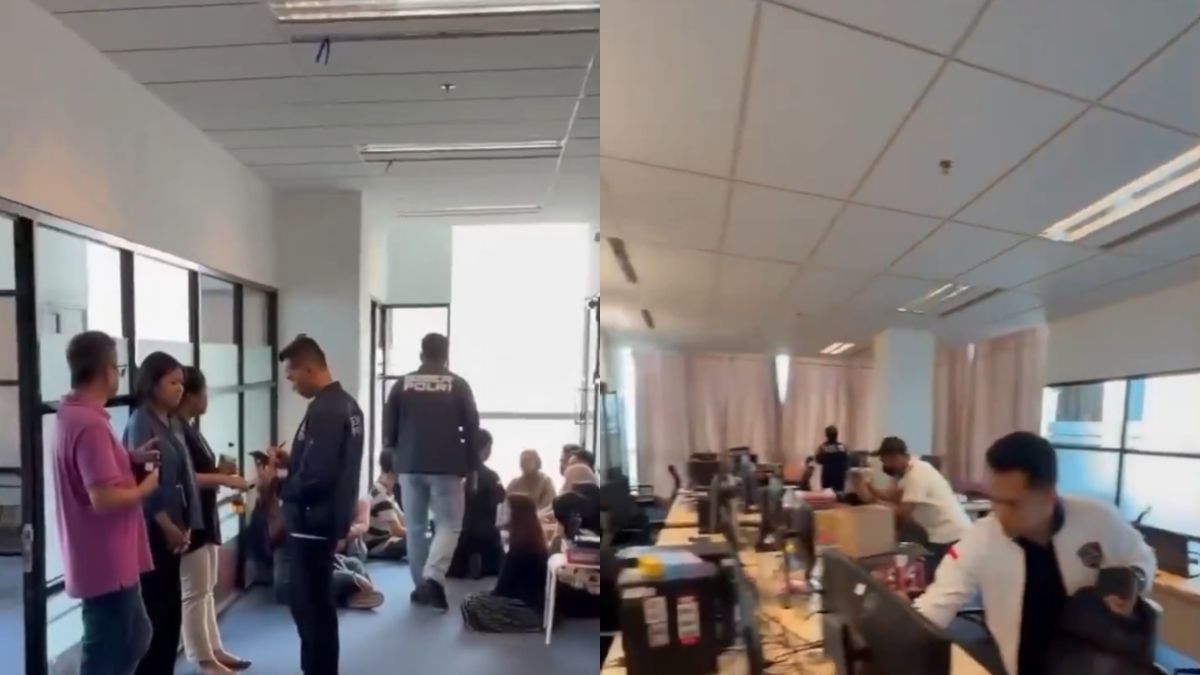
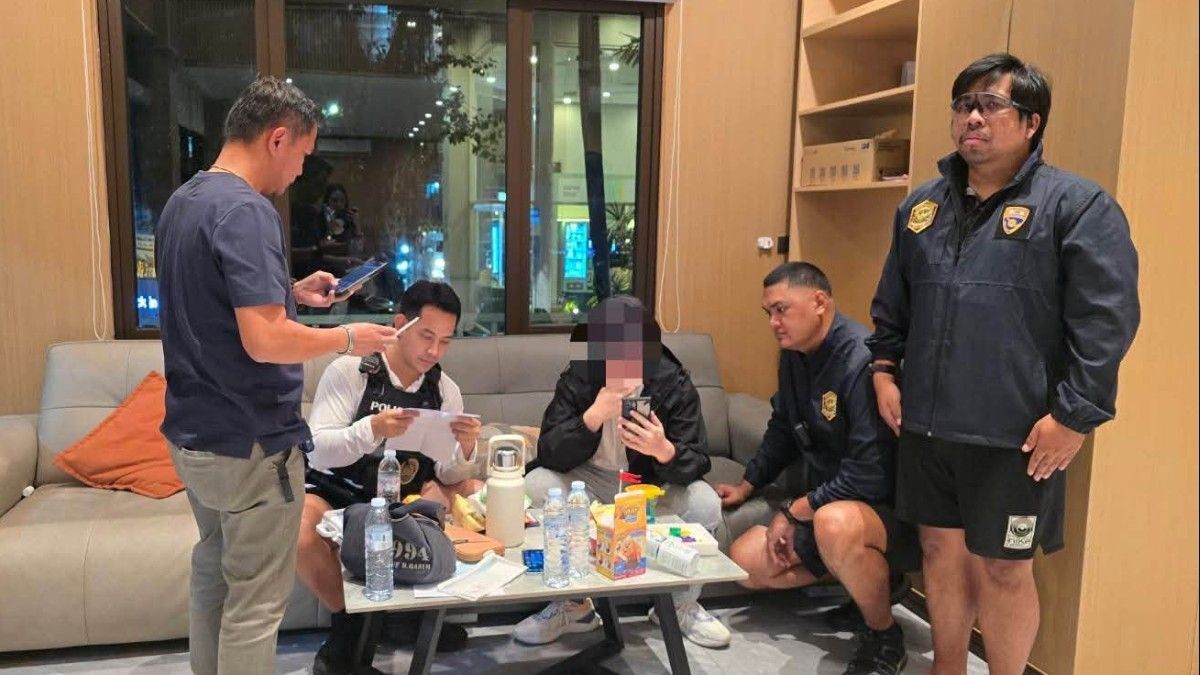
The proposal followed police raids on three residential premises in Seri Kembangan, Selangor, on 3 November, during which 61 suspects were arrested.
Bukit Aman Commercial Crime Investigation Department director Comm Datuk Rusdi Mohd Isa said the suspects comprised 15 Malaysians, 45 Indonesians and one Chinese national.
Two of the syndicates were suspected of targeting people in Indonesia with fraudulent part-time job offers advertised through a website, gcindo.co. Victims were contacted through WhatsApp and offered payment for completing tasks such as liking and sharing online content.
They were then instructed to transfer money into mule bank accounts before receiving their promised commissions, Rusdi said.
The third syndicate was suspected of targeting Malaysians through telephone scams in which members impersonated MCMC officers.
Police seized 144 items estimated to be worth RM80,000 (about US$17,000), including computers, laptops, mobile phones, routers, modems and scripts allegedly used by the syndicates.
The cases are being investigated under Sections 420 and 120B of Malaysia’s Penal Code, which cover cheating and criminal conspiracy.
Police said further action against the suspects was ongoing, including possible immigration action following the expiry of their remand orders on 10 November.
MCMC confirms impersonation cases and pledges police cooperation
In a statement issued on 14 November, MCMC said it took the misuse of its officers’ names and identities seriously, particularly when used to deceive members of the public.
The commission confirmed that it had taken note of the arrests and said it would provide full cooperation to the Royal Malaysia Police (PDRM) in the investigation, including by supplying relevant information.
It urged the public to remain alert when receiving calls or messages from people claiming to be MCMC officers.
“Members of the public are urged to verify such claims through official channels before sharing personal information or making any financial transactions,” the commission said in the statement, carried by the national news agency Bernama.
The statement did not announce any new verification rules for WhatsApp users.
Scammers adapt after caller ID spoofing measures
Fahmi said MCMC had previously introduced technical measures to block caller ID spoofing, a technique in which scammers manipulate the number displayed on a recipient’s phone to make a call appear to come from a legitimate source.
He said the measures had been implemented successfully, but criminal groups had since shifted to other methods, including using WhatsApp and offering loans linked to online gambling activities.
The minister said the change in tactics showed that additional measures were being considered to address scams conducted through messaging platforms.
He did not provide details of the technical changes already introduced by MCMC or specify how the proposed WhatsApp verification system would operate.
Minister warns public against fake MCMC calls
Fahmi stressed that neither MCMC nor the Communications Ministry called members of the public to notify them of outstanding telephone bills or threaten enforcement action against their telephone lines.
Telephone billing matters are handled by telecommunications service providers, he said.
He advised anyone receiving a suspicious call to end the conversation immediately and report it to the police or MCMC. People affected by financial scams were also urged to contact Malaysia’s National Scam Response Centre (NSRC) through its hotline, 997.
The NSRC operates as a coordination centre for responding to online financial fraud, according to Bernama’s report of the minister’s remarks.
MCMC separately advised the public to check claims made by people presenting themselves as commission officers through its official channels before providing personal information or transferring money.
The Communications Ministry has not announced whether the proposed verification requirement will be made compulsory, how WhatsApp would be expected to verify account holders or when any new rules might take effect.