Prabowo vows tougher action as Indonesia records renewed rise in forest fire hotspots
President Prabowo Subianto has pledged stronger wildfire prevention and corporate enforcement as Indonesia recorded 1,046 hotspots in 24 hours, with South Papua remaining a major fire-affected region.
- Indonesia recorded 1,046 hotspots in 24 hours, an increase of 394 from the previous monitoring period.
- Prabowo said 17 company concessions had been revoked, while 104 companies were under police investigation.
- South Papua remains highly vulnerable to fires amid prolonged drought conditions associated with El Niño and a positive IOD.

Indonesian President Prabowo Subianto has pledged stronger action to prevent forest and land fires, including tougher enforcement against companies suspected of involvement, as satellite monitoring shows a renewed increase in hotspots across the country and Papua remains one of the worst-affected regions.
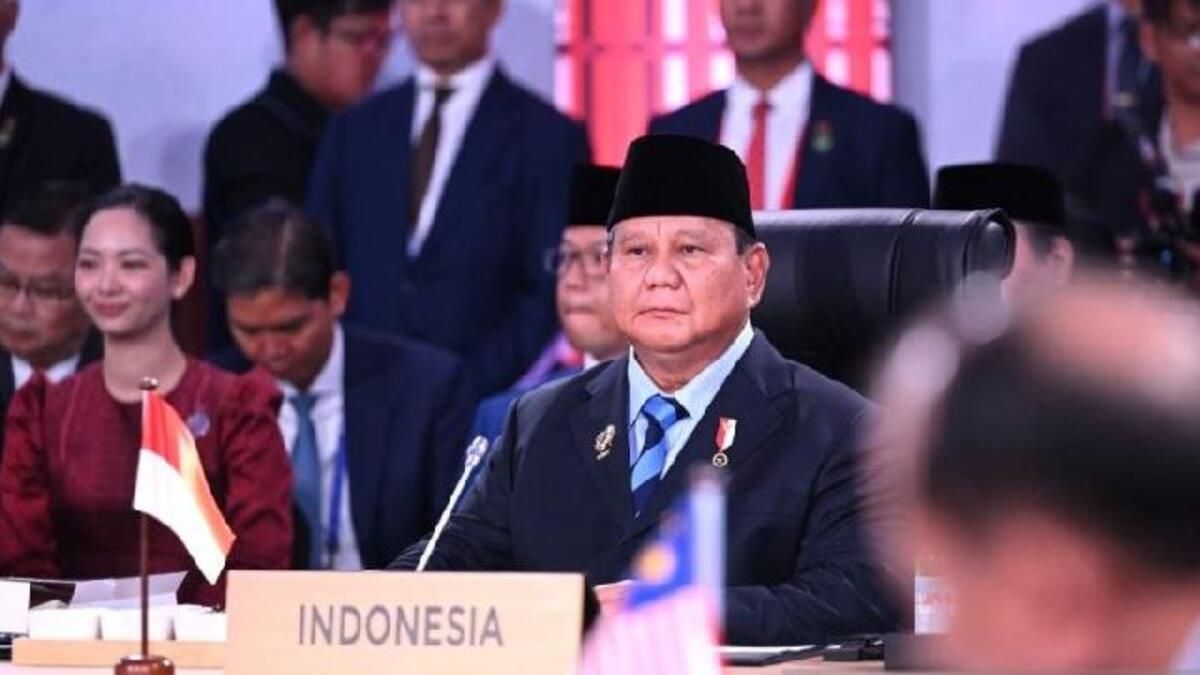
Speaking at the 49th ASEAN Summit in Manila, the Philippines, on Sunday (15 November), Prabowo acknowledged that Indonesia had been battling forest and land fires for almost four months, with smoke spreading across national borders and affecting neighbouring Malaysia and Singapore.
He said the government had deployed 71,000 forest firefighters, while 16 personnel had died and two helicopters had been lost during firefighting operations.
"We have deployed 71,000 forest firefighters. We have lost 16 people who died, and many more were injured while fighting the fires. We also lost two helicopters," Prabowo said, according to a statement published by Indonesia's Presidential Secretariat.
The president said the government was preparing to establish a new institution and introduce programmes to strengthen wildfire prevention, shifting its approach towards systematic prevention rather than concentrating primarily on extinguishing fires and responding to emergencies.
He also said the government would not tolerate companies involved in forest and land fires.
Prabowo disclosed that 17 company concessions had been revoked, 26 companies were under investigation and 11 had been charged. Another 23 companies were being prepared for prosecution, while 104 companies were under police investigation.
He apologised to Malaysia and Singapore for the transboundary haze, saying Indonesia had made efforts to contain the fires.
However, the latest monitoring figures indicate that the wildfire threat remains widespread, with a renewed increase in hotspots despite the deployment of thousands of personnel and aerial firefighting operations.
Hotspots increase by 394 in 24 hours
Data from the Forestry Ministry's SiPongi forest and land fire monitoring system showed that Indonesia recorded 1,046 hotspots in the 24 hours leading up to Sunday (15 November), an increase of 394 from the previous monitoring period.
The data, based on satellite observations from Terra/Aqua, SNPP and NOAA, were accessed at 11.50am local time on Sunday.
Of the 1,046 hotspots, 51 were classified as high-confidence detections, 968 as medium-confidence and 27 as low-confidence.
East Kalimantan recorded the highest number, with 288 hotspots, followed by South Papua with 157 and Central Sulawesi with 106.
South-east Sulawesi recorded 104 hotspots, while North Maluku had 104, East Nusa Tenggara 63 and Maluku 39.
Hotspots indicate locations where surface temperatures are higher than surrounding areas. They do not necessarily represent confirmed fires, but clusters of detections can indicate active forest and land burning.
The increase came despite the government's continuing firefighting operations in several provinces.
The figures also followed a period of declining fire activity in some areas, demonstrating that the situation remains volatile and that fires can re-emerge as dry conditions persist.
Papua records the country's highest high-confidence hotspot count
Papua has emerged as one of the most serious wildfire trouble spots, particularly South Papua, where Merauke has experienced persistent fires.
A BMKG assessment covering the 10 days leading up to early November recorded 685 high-confidence hotspots in South Papua, the highest number among Indonesian provinces. South Sumatra followed with 168, while South-east Sulawesi recorded 167.
The concentration of high-confidence detections in South Papua placed the province at the top of the national monitoring results during that period.
More recent monitoring by BMKG Region V in Jayapura also showed that fires remained widespread across Papua.
On 14 November, the agency reported 173 fire points across eight districts in four provinces in the Papua region.
Merauke district in South Papua accounted for 153 of those detections, making it the area with by far the largest concentration.
The remaining detections were distributed across Papua Barat, Papua Barat Daya and Papua Pegunungan.
Of the 173 detections, 160 were classified as medium-confidence, nine as high-confidence and four as low-confidence.
BMKG forecaster Arif Pradana said Merauke required particular attention because it had the highest number of high-confidence hotspots.
He urged residents not to burn land to open plantations, clear agricultural areas or carry out other activities that could trigger fires.
Although the number of detections had declined in some monitoring periods, the agency warned that residents and authorities should remain alert.
The figures underline the severity of the situation in Papua, where Merauke has become the main concentration of fire activity.
Firefighting operations have not eliminated the threat
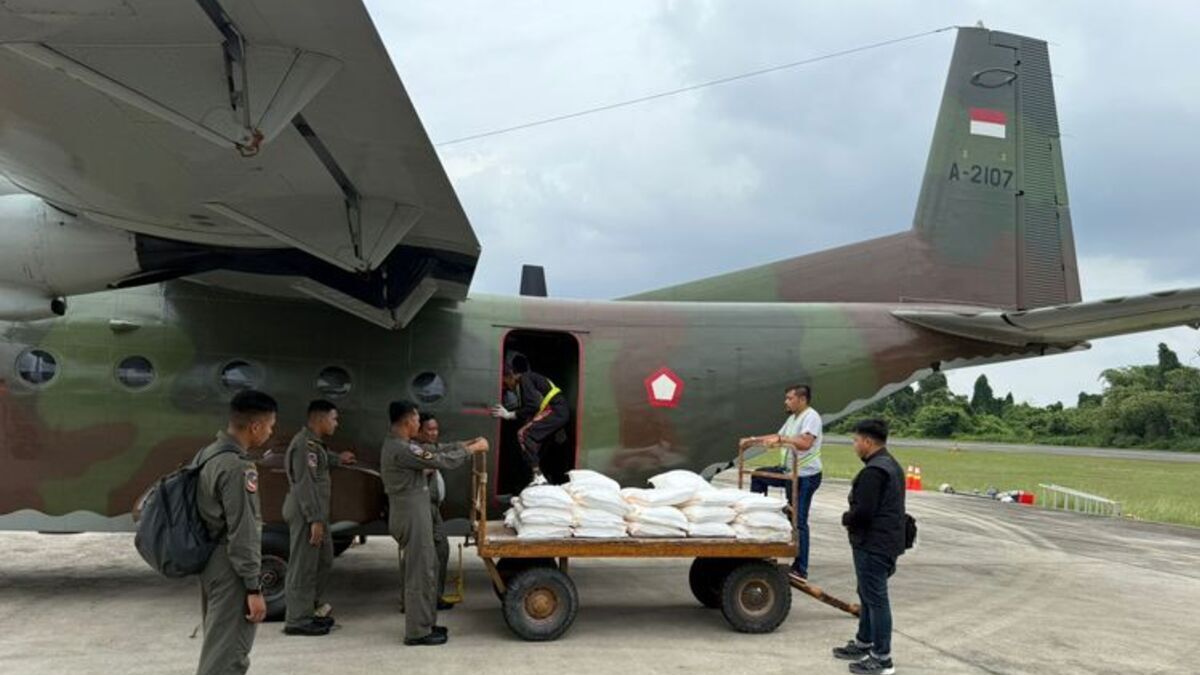
The National Disaster Management Agency (BNPB) has continued deploying ground personnel and aircraft to contain fires in affected provinces.
Its operations include water-bombing helicopters, aerial patrols and weather modification to encourage rainfall over fire-prone areas.
In a report published on 13 November, BNPB said the number of fire detections in South Papua had fallen by 87 per cent to 53 during the monitoring period based on satellite data from 12 November.
The reduction followed the deployment of firefighting aircraft and ground teams.
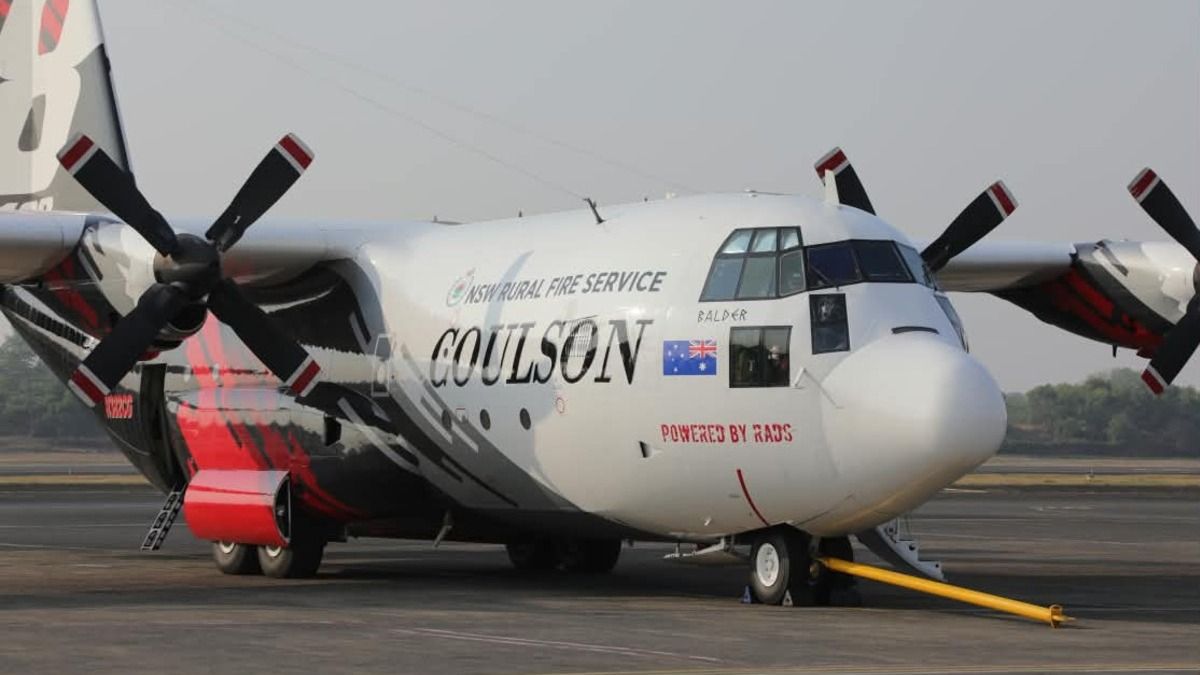
BNPB said 28 aircraft had been deployed across six operational areas, comprising 16 water-bombing helicopters and 12 patrol, CASA and weather-modification aircraft.
Two aircraft were allocated to South Papua and one to South-west Papua.
However, the improvement in fire detections did not mean the threat had disappeared.
Reporting on 15 November, Jawa Pos, citing BNPB situation reports, said the remaining area still burning in South Papua had fallen to 38 hectares by 14 November, from 1,716 hectares on 11 November.
Nevertheless, the number of hotspots in the province increased by 45 per cent to 93 on 14 November, while fire detections rose by 67 per cent to 15.
The figures show that although the area of land still actively burning had fallen considerably, new or renewed fire activity continued to be detected.
Nationally, the same report put the remaining area still burning at approximately 592 hectares across the six provinces with the largest affected areas.
The situation highlights the difficulty of containing fires across Indonesia's extensive forests, peatlands and agricultural areas, particularly when dry weather continues.
BNPB investigates suspected land clearing by fire in South Papua
The government has also begun investigating suspected deliberate land clearing through burning in South Papua.
BNPB chief Kristomei Sianturi said the agency had requested on-the-ground verification of satellite findings involving concession areas belonging to PT Merauke Sarjaya and PT Selaras Inti Semesta.
The investigation followed a letter sent by Forestry Minister Raja Juli Antoni to South Papua Governor Apolo Safanpo on 4 November, requesting clarification about land conditions in the province.
Kristomei said BNPB had coordinated with local authorities, the military and police to inspect the affected locations.
He stressed that satellite data alone could not establish the actual circumstances on the ground and that further verification was necessary.
The investigation is part of broader efforts to establish whether companies or other parties were responsible for fires in concession areas.
Prabowo's announcement that 104 companies were under police investigation adds to the government's stated commitment to pursue corporate accountability.
The president also said that 17 concessions had already been revoked as part of enforcement measures.
The investigations are particularly significant in South Papua, where the government has been facing questions about land clearing and the management of large areas designated for commercial development.
Very strong El Niño prolongs dry conditions
The continuing fires are occurring amid exceptionally dry weather associated with a very strong El Niño and a positive Indian Ocean Dipole (IOD).
BMKG's atmospheric assessment published on 14 November reported that the three-month El Niño-Southern Oscillation index for September to November had reached +3.28, indicating a very strong El Niño event.
The agency also recorded an IOD index of +0.826 during the first 10 days of November.
Both climate patterns have contributed to conditions that reduce rainfall in parts of Indonesia, particularly south of the equator.
In its climate update, BMKG warned that several districts and cities in South Papua remained under a meteorological drought alert for 11–20 November.
The agency also forecast generally low to moderate rainfall across much of Indonesia during the second and third 10-day periods of November.
South Papua is among the areas expected to experience relatively low rainfall during this period.
BMKG chief Teuku Faisal Fathani had earlier warned that the province would remain vulnerable to forest and land fires throughout November.
During a coordination meeting in Merauke on 31 October, he said some locations in Indonesia had gone more than two months without rainfall.
He explained that although temporary rain could reduce the number of hotspots, it did not necessarily mean the rainy season had started.
"The period of rain over one week should be optimised for weather modification operations. After that, we will enter another dry period," Faisal said.
He called for continued patrols and monitoring to prevent fires from reappearing when rainfall declined.
BMKG also conducted weather modification operations in South Papua from 22 October to 5 November, completing 13 flights using 13 tonnes of seeding material.
The operations were intended to encourage rainfall, particularly in areas where cloud formation was possible.
However, the agency said rainfall had been concentrated mainly in northern and western parts of South Papua, leaving some southern areas, including areas around Merauke, vulnerable.
Indonesia faces pressure to strengthen prevention
Prabowo's pledge at the ASEAN summit came as the government continued to rely on emergency firefighting operations while investigating suspected corporate involvement.
The president's acknowledgement that smoke had affected Malaysia and Singapore also placed the prolonged fires in a regional context.
Transboundary haze has been a recurring problem in South-east Asia, particularly during prolonged dry periods when fires in Indonesia generate smoke that can travel across national borders.
Prabowo said the government would move towards a more systematic prevention strategy and establish a new institution to strengthen its response.
However, he did not provide a timetable for the institution's establishment or details about its structure and responsibilities.
Meanwhile, the latest Forestry Ministry monitoring showed that Indonesia recorded more than 1,000 hotspots in a single 24-hour period, while BMKG continued to identify South Papua as a major concentration of high-confidence fire detections.
Although firefighting operations have reduced the area still burning in some locations, the renewed increase in hotspots indicates that Indonesia's wildfire emergency remains active.