Six witnesses seek protection in investigation into alleged spying on Indonesia’s President Prabowo
Six witnesses have applied for protection from Indonesia's Witness and Victim Protection Agency as police investigate alleged illegal surveillance targeting President Prabowo Subianto and other public figures. Four police personnel have been named as suspects.
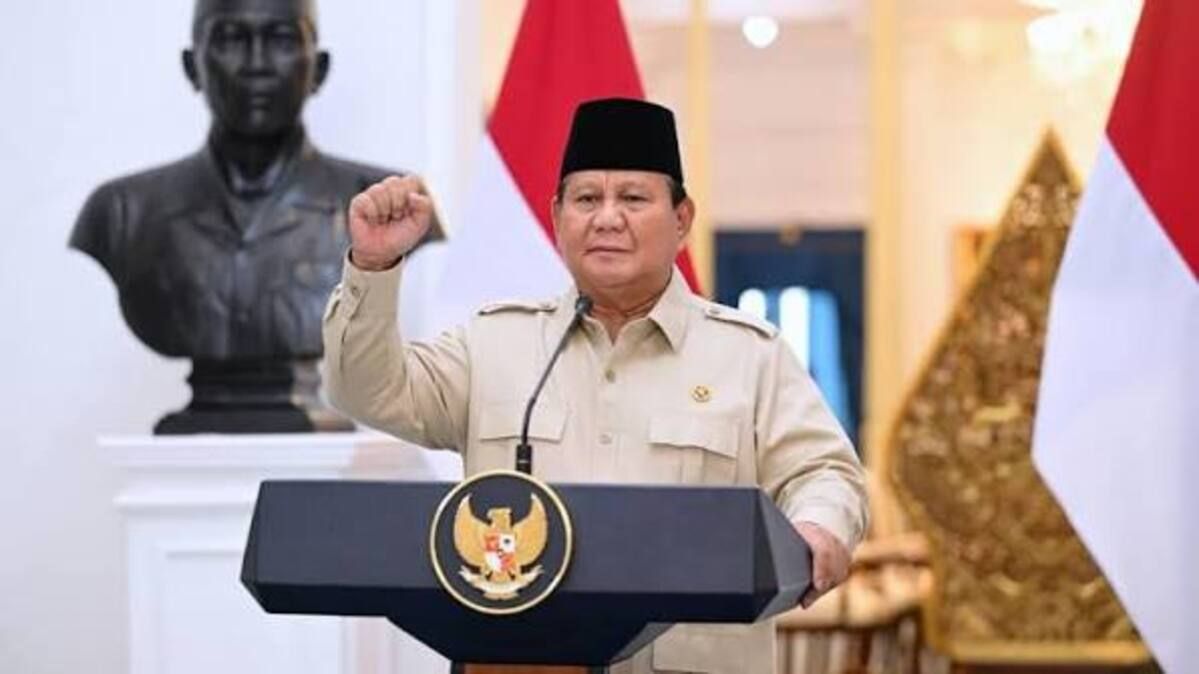
- Six witnesses have requested protection from LPSK as investigators examine alleged illegal surveillance targeting Prabowo and other public figures.
- Four police personnel, including former national police chief Listyo Sigit Prabowo, have been named as suspects.
- Prabowo has instructed police to investigate objectively, while the government considers safeguards against surveillance equipment misuse.

Six witnesses in an investigation into alleged illegal wiretapping targeting Indonesian President Prabowo Subianto and other public figures have applied for protection from the Witness and Victim Protection Agency (LPSK).
LPSK chairman Achmadi said on 10 November 2026 that the applications had been under review since 6 November. The agency is coordinating with investigators from the National Police’s Criminal Investigation Agency (Bareskrim), which is handling the case.
The identities of the six applicants have not been disclosed. LPSK has also not announced whether their requests will be approved.
Achmadi said the assessment would consider the importance of each witness’s testimony, the level of threat they might face and any particular circumstances affecting the applicants.
“Protection for witnesses is important to guarantee their sense of security, taking into account the specific circumstances they face, including their level of vulnerability and the seriousness of the crime,” he said, according to a statement reported by state news agency ANTARA.
The assessment is being conducted under Articles 49(1) and 5(4) of Law No. 3 of 2026 on Witness and Victim Protection, Achmadi said.
LPSK will continue monitoring developments in the investigation and has not ruled out receiving further applications as the legal process progresses. It will also assess what forms of protection may be required.
Four police officers named as suspects
The protection requests come after Bareskrim named four Indonesian police personnel as suspects in an investigation into alleged illegal interception, deletion of electronic data and unlawful access to electronic systems.
The suspects have been identified by the initials LSP, AS, EH and SU. LSP is former national police chief Listyo Sigit Prabowo, according to Indonesian media reports.
Investigators suspect that the alleged surveillance took place between 2025 and 2026 and involved the President, government officials, political figures, media organisations, community organisation leaders, non-governmental organisations and businesspeople.
ANTARA reported that investigators alleged the interception was carried out without the required requests from investigators or accompanying police reports, and was not connected to law enforcement proceedings.
The suspects are also alleged to have deleted the results of the interception in October 2026 to remove evidence. According to the agency's account, suspect SU, who served as an adviser to Bareskrim's Monitoring Centre, allegedly authorised the interception and the deletion of its results.
These are allegations under investigation. The naming of suspects does not establish guilt, and the investigation is continuing.
The police have not publicly identified the six witnesses seeking protection. LPSK has not provided details of their roles in the case or the threats, if any, that they may have reported.
Prabowo orders an objective investigation
The case has prompted a public commitment from the government that the investigation will be conducted transparently.
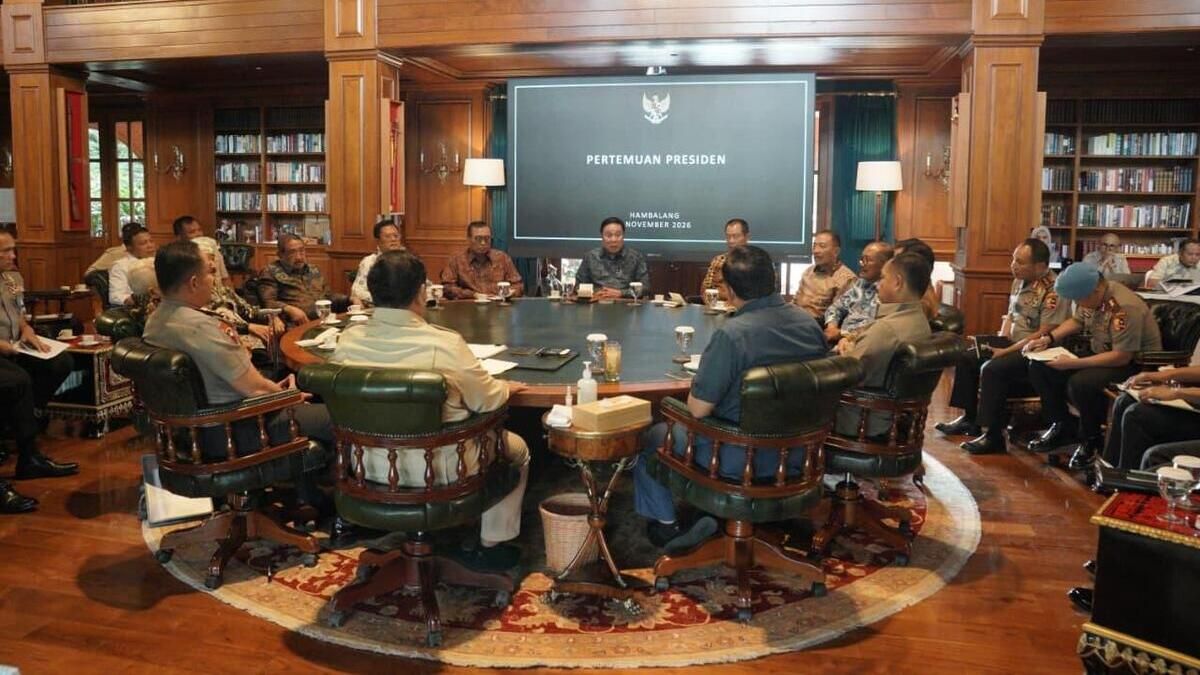
State Secretary Minister Prasetyo Hadi said on 5 November that Prabowo had instructed National Police Chief General Suyudi Ario Seto to ensure the investigation was thorough and conducted in accordance with the law.
“The President has instructed the Indonesian National Police Chief to carry out the investigation as thoroughly as possible, in accordance with applicable laws and regulations, as objectively as possible, without any cover-ups,” Prasetyo said at the Presidential Palace in Jakarta.
He confirmed that the case concerned allegations of wiretapping, the removal of electronic evidence and unlawful access involving the President and several state officials.
Prasetyo said the alleged surveillance targets included ministers, political party leaders and community organisation figures, in addition to the President. He added that the government did not yet know the detailed motive behind the alleged actions because the police investigation was ongoing.
The government has also discussed measures to prevent the misuse of interception equipment held by state institutions.
Coordinating Minister for Law, Human Rights, Immigration and Corrections Yusril Ihza Mahendra said on 9 November that the government was preparing preventive measures. Asked whether the Presidential Palace might be searched for suspected listening devices, he said such a measure was being considered as a precaution.
The investigation has raised questions about the procedures governing the use of surveillance equipment by state agencies. Indonesian authorities have not yet announced a complete account of how the alleged operation was organised or who may have ordered it.
Previous flooding in Aceh: extreme rainfall and land-use changes
Separately, Aceh experienced severe flooding in November 2025, when extreme rainfall and the condition of river catchments contributed to widespread inundation and displacement.
The floods affected Aceh and other parts of Sumatra between 25 and 27 November. The Meteorology, Climatology and Geophysics Agency (BMKG) said Tropical Cyclone Senyar, which developed from a weather system known as Tropical Cyclone Seed 95B over the Strait of Malacca, contributed to the extreme weather.
In a statement issued on 26 November 2025, BMKG said Senyar was moving towards mainland Aceh and could bring very heavy to extreme rainfall and strong winds. The agency recorded rainfall of 310.8 millimetres in 24 hours in North Aceh during the 25–27 November period.
BMKG also identified an active Equatorial Rossby wave as a contributing atmospheric factor. Its subsequent weather outlook said the cyclone and atmospheric wave had contributed to extreme rainfall in parts of Aceh, North Sumatra and West Sumatra.
The Ministry of Forestry said the flooding was also worsened by changes in land cover that did not comply with the designated functions of forest areas. In a statement on 28 November 2025, the ministry said such changes increased sedimentation and reduced the capacity of rivers to carry surface water.
In North Aceh, 3,507 people were displaced, while hundreds of hectares of rice fields and fish ponds were inundated. The ministry said prolonged heavy rainfall and land conditions that limited water absorption contributed to the flooding.
The disaster also caused infrastructure damage elsewhere in Sumatra. In Langkat, North Sumatra, the Titi Cempedak Bridge collapsed and a section of the North Sumatra–Aceh inter-provincial road was cut off, disrupting transport.
BNPB chief Suharyanto reported on 28 November 2025 that the wider disaster across Aceh, North Sumatra and West Sumatra had caused 174 deaths, with 79 people missing and 12 injured at that stage. These were provisional figures reported during the emergency response.
The Ministry of Forestry said it would strengthen watershed management, rehabilitate degraded forest and land areas, restore vegetation along riverbanks and steep slopes, and tighten supervision of land-use changes.
The 2025 floods were a separate disaster from the current wiretapping investigation. The official assessments identified extreme rainfall as the immediate trigger, with land-cover changes and sedimentation worsening the impact in affected river basins.