Indonesia's 2026 fire season pushes communities towards fire-free agriculture as hotspots persist
Indonesia recorded 410 fire hotspots on 26 November as prolonged drought and land fires continued to threaten communities. Farmers in Kalimantan are adopting fire-free agriculture, but funding constraints threaten efforts to expand the transition.
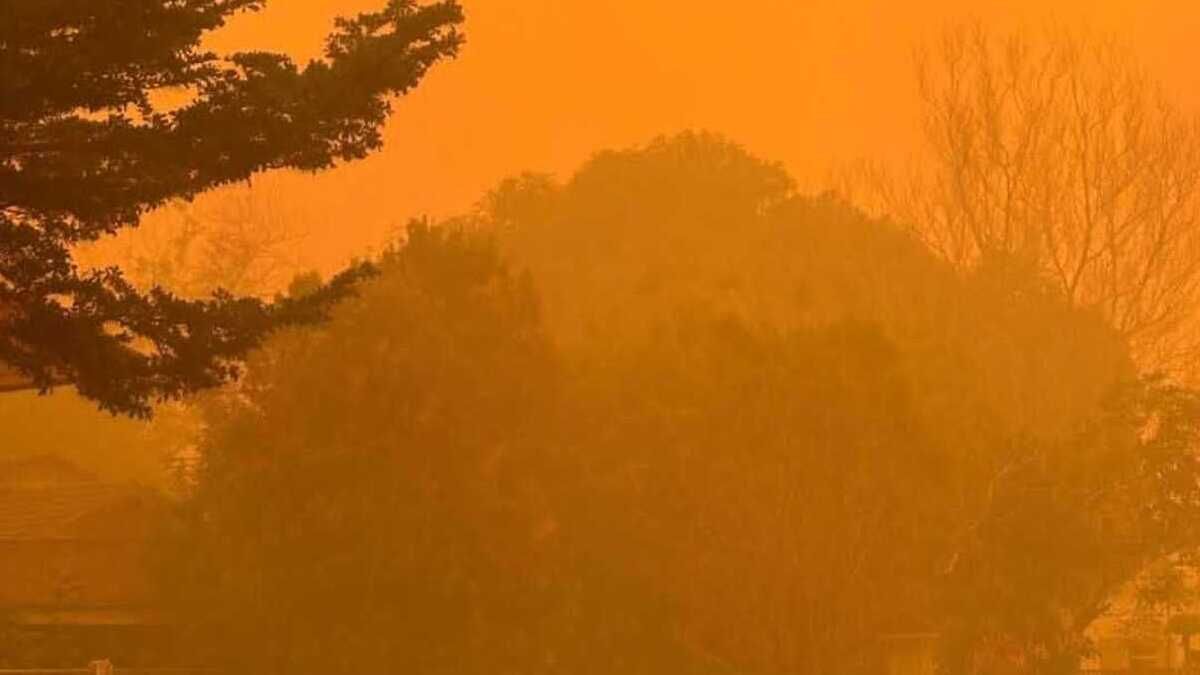
- Indonesia recorded 410 fire hotspots on 26 November, following 663 detections the previous day.
- Community programmes in Kalimantan are promoting fire-free agriculture, agroforestry and alternative organic fertilisers.
- Funding constraints, recurring plantation fires and peatland degradation threaten long-term fire prevention efforts.

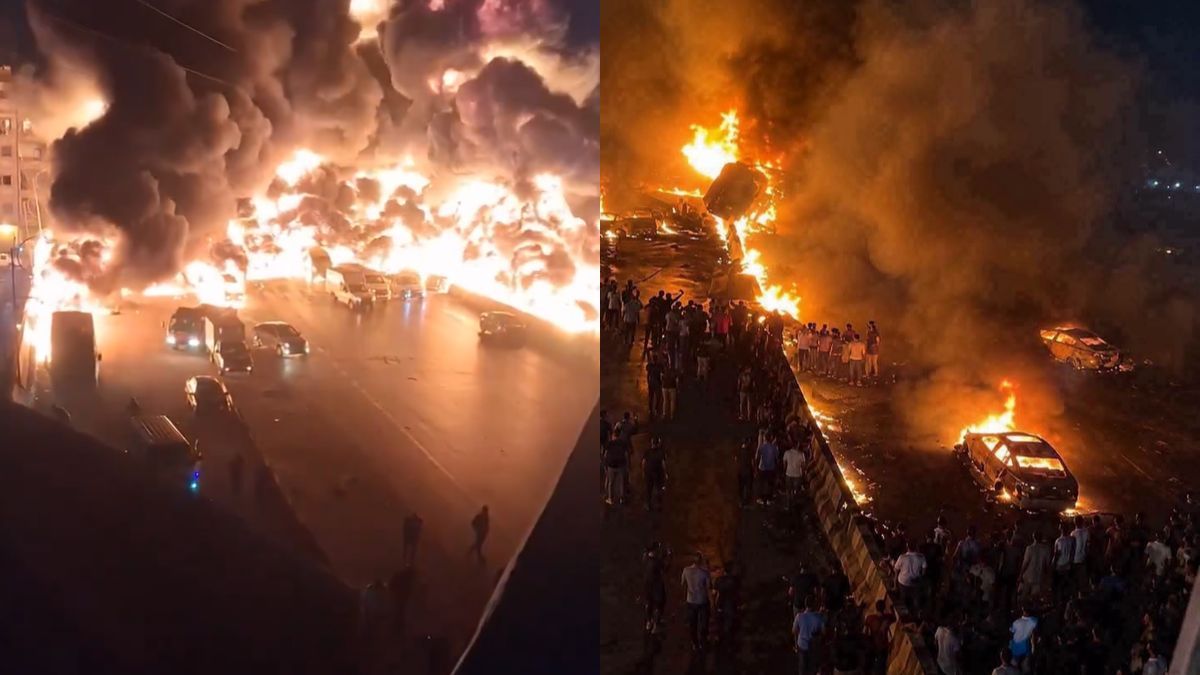
Indonesia recorded 410 forest and land fire hotspots on 26 November, as communities in Kalimantan continued efforts to adopt agricultural methods that do not rely on burning amid a prolonged fire season that has destroyed farmland and affected millions of people.
The latest figure represented a decline of 253 hotspots from the 663 detected on 25 November, according to Indonesia's Ministry of Forestry's SiPongi monitoring system.
Of the 410 hotspots recorded on 26 November, 21 were classified as high confidence, 380 as medium confidence and nine as low confidence, based on satellite observations from Terra/Aqua, SNPP and NOAA.
South Papua recorded the highest number, with 222 hotspots, followed by Southeast Sulawesi with 42 and North Maluku with 31.
East Kalimantan recorded 22 hotspots, West Kalimantan 15, while Central Kalimantan and South Sulawesi each recorded 14.
The figures represent satellite-detected thermal anomalies rather than confirmed individual fires or the total area burned.
In a separate report published on 25 November, the National Disaster Mitigation Agency (BNPB) said firefighting operations had been conducted at two locations in East Kalimantan, covering approximately two hectares, and one location in Central Kalimantan, covering 0.02 hectares.
The fire in Central Kalimantan had been extinguished, while firefighting operations continued in East Kalimantan.
BNPB also reported that air quality in the monitored area of East Kalimantan remained in the moderate category.
Fires continue despite declining hotspots
The latest figures come after Indonesia experienced an extended fire season that affected forests, peatlands and agricultural areas across several provinces.
A report published by environmental news outlet Mongabay on 25 November said approximately 684,000 hectares of land in Kalimantan, the Indonesian portion of Borneo, had burned between January and September 2026.
The figure represented 36 per cent of Indonesia's total burned area during the period, although Kalimantan accounts for only 28 per cent of the country's land area.
The extended dry season, intensified by a super El Niño weather pattern, reduced seasonal rainfall and prolonged conditions favourable to fires.
According to Indonesia's Ministry of Health, approximately 12.5 million people had been affected by fires or smoke exposure nationwide by September.
Although rainfall brought relief to parts of Kalimantan, fires continued to affect several areas, while satellite-detected hotspots shifted towards other regions.
The BNPB's 25 November report also documented firefighting operations in East and Central Kalimantan, indicating that fire suppression remained necessary despite the decline in nationwide hotspot detections.
Farmers lose livelihoods as fires spread
The prolonged fire season has severely affected farming communities in West and Central Kalimantan.
Katarina Rina, a 53-year-old farmer from Hulu Sungai subdistrict in Ketapang district, West Kalimantan, told Mongabay that fires had spread beyond previously affected areas into forests and agricultural land.
Her jengkol, or dog fruit, garden was completely destroyed, eliminating one of her family's main sources of income.
"We have had fires before, but they were quickly controlled, it has never been this bad," she said.
"This time the fires spread into the forests and farmland. It was very traumatising."
Although rainfall eventually helped contain the fires in her area, residents continued to experience smoke exposure.
Another farmer, Saro Halawa, 39, said many smallholders understood the risks of burning land but lacked the financial resources to adopt alternative agricultural practices.
"Farmers are actually aware that burning is not sustainable, but they also do not have the support they need to make the change, and they have to make a living," he told Mongabay.
Community programmes promote fire-free agriculture
Several community organisations in Kalimantan are working with farmers to reduce dependence on slash-and-burn cultivation.
In West Kalimantan, farmer groups are receiving training and equipment through a climate-smart agriculture programme run by the non-governmental organisation Planet Indonesia.
The programme teaches farmers to cultivate existing agricultural land more efficiently, introduce agroforestry and plant fruit and native trees on fallow land.
Hanna Runtu, a field officer with Planet Indonesia, said the programme also encouraged trained farmers to become mentors and establish demonstration plots to introduce the methods to other communities.
"It's difficult to ask farmers to change practices that have been passed down for generations without first showing them that the alternatives actually work," she said.
"It's a gradual process, and the idea is to help farmers move away from burning step by step, as they gain confidence in these alternatives on their own land."
In Central Kalimantan's Seruyan district, community organisation Gawi Bapakat has been running a fire-free agriculture programme since 2024.
The initiative works with farmers in six Indigenous Dayak villages, providing equipment such as hand tractors, seedlings and training in producing alternative organic fertilisers.
Alfiyan Amruddin, a field staff member with Gawi Bapakat, said farmers were being taught to produce organic fertiliser instead of relying on ash from burned vegetation.
"The farmers normally use ash [from slash-and-burn techniques] as fertiliser, but we try to educate them that there are so many options for making their own organic fertiliser with no cost to help them to transition to fire-free agriculture," he said.
The approach allows farmers to cultivate the same land for multiple planting cycles without repeatedly clearing new areas.
Farmers report higher yields from alternative methods
Yadi, a 66-year-old Dayak farmer from Tumbang Gugup village in Central Kalimantan, said the alternative agricultural methods had improved soil fertility.
He said land cleared through burning tended to lose its fertility relatively quickly, while soil cultivated without fire remained fertile for longer when supported by organic fertiliser.
"When the land is burned, the fertility doesn't last long," he told Mongabay.
"When it isn't burned, the soil stays fertile for a long time, especially with the organic fertiliser. That's what I've experienced. The soil also doesn't dry out quickly."
According to Yadi, a single planting could produce up to four harvests, potentially generating three times the yield of burned land.
However, he said productivity had also been affected by the drought conditions in 2026.
Gawi Bapakat has also introduced agroforestry initiatives to provide farmers with additional income while reducing pressure to clear forests.
The organisation purchases patchouli harvested from agroforestry plots operated by participating farmers and has established a patchouli oil distillery in Seruyan.
Yadi's first patchouli harvest in June 2026 produced 62kg, which he said provided an example for other farmers considering joining the programme.
Researchers identify recurring fires in plantation areas
Research into the 2026 fire season has also raised questions about land management and the recurrence of fires in previously burned areas.
The environmental organisation Sustainable and Innovative Areal Management Research (SIAR), based in West Kalimantan, mapped recent fire activity and compared it with hotspot records from the previous decade.
Its findings showed that 63 per cent of fire activity occurred within licensed oil palm plantation areas. Almost half of that activity was recorded in previously burned peatland.
SIAR director Erlangga Ananta told Mongabay that current hotspots were concentrated in areas that had experienced fires during the previous decade.
An analysis by Greenpeace Indonesia and Greenpeace Malaysia, published in October, also identified recurring fires in landscapes partly held or managed by corporate entities.
The report called for greater attention to land governance, the responsibilities of concession holders and the effectiveness of government oversight.
Ananta urged the government to prioritise peatland restoration and fire prevention.
"Time and again it has been proven that once peat is burning, it is almost impossible to put out," he said.
"I think the government should be preparing more on the restoration of burned areas and prevention of future fires because we have learned enough from the past historical fire disaster events."
BNPB develops satellite system to monitor fires
The government has also announced plans to strengthen monitoring and enforcement against companies suspected of being involved in land burning.
BNPB head Kristomei Sianturi said on 20 November that the agency was developing an integrated satellite monitoring system to identify fire locations, burned areas and companies or entities holding land concessions where fires occur.
The system combines satellite imagery with land concession records from the Ministry of Agrarian Affairs and Spatial Planning and the National Land Agency.
Sianturi said thousands of hotspots had repeatedly appeared along the boundaries of company concessions, raising concerns about possible land clearing through burning.
"We have built this system to provide information to regional authorities and law enforcement agencies so that these incidents do not keep recurring. There must be clear penalties for business operators who engage in land burning," he said.
Budget constraints threaten expansion of community programmes
Despite reported benefits, organisations promoting fire-free agriculture said financial constraints were limiting their ability to expand the programmes.
Anindya Hadi, director of Gawi Bapakat, said farmers needed equipment and sustained assistance to move away from traditional cultivation methods.
He said local government support was particularly important in providing machinery and other resources to communities beyond the existing programme locations.
The organisation had initially expected its programme to expand with support from local authorities, but national and regional budget cuts had affected partnerships with community organisations.
"After more than three years of working through Gawi Bapakat, this has been our most frustrating year," Hadi said.
"Communities are ready to adopt fire-free practices, and the local government supports the transition to sustainability, but national and regional budget cuts are limiting our ability to turn that commitment into action."
Sofyan Ansori, an anthropologist at the University of Indonesia who researches community-led fire management, said fire-free agriculture could work as a pilot initiative but faced difficulties when expanded without continued financial incentives.
He said moving away from traditional slash-and-burn farming could involve substantial costs for smallholders, including purchasing hand tractors, fuel, herbicides and pesticides.
The government has not yet provided a response to Mongabay's questions about funding for fire prevention programmes. The Ministry of Finance said the inquiry had been forwarded to its secretariat-general but did not provide a comment before publication.