US regulator clears SpaceX to launch one million satellites as data centres in orbit
The US Federal Communications Commission has authorised SpaceX to deploy up to one million Starmind satellites to operate as data centres in orbit, the first approval of its kind. The order is conditional and phased to 2040, and astronomers and rival operators had urged the regulator to refuse it.
- First US authorisation for orbital data centres: up to one million SpaceX Starmind satellites, roughly fifty times everything now in orbit.
- Conditional and phased — first launch by November 2033, half the fleet by 2038, full deployment by 2040 — and dependent on cheap Starship launches.
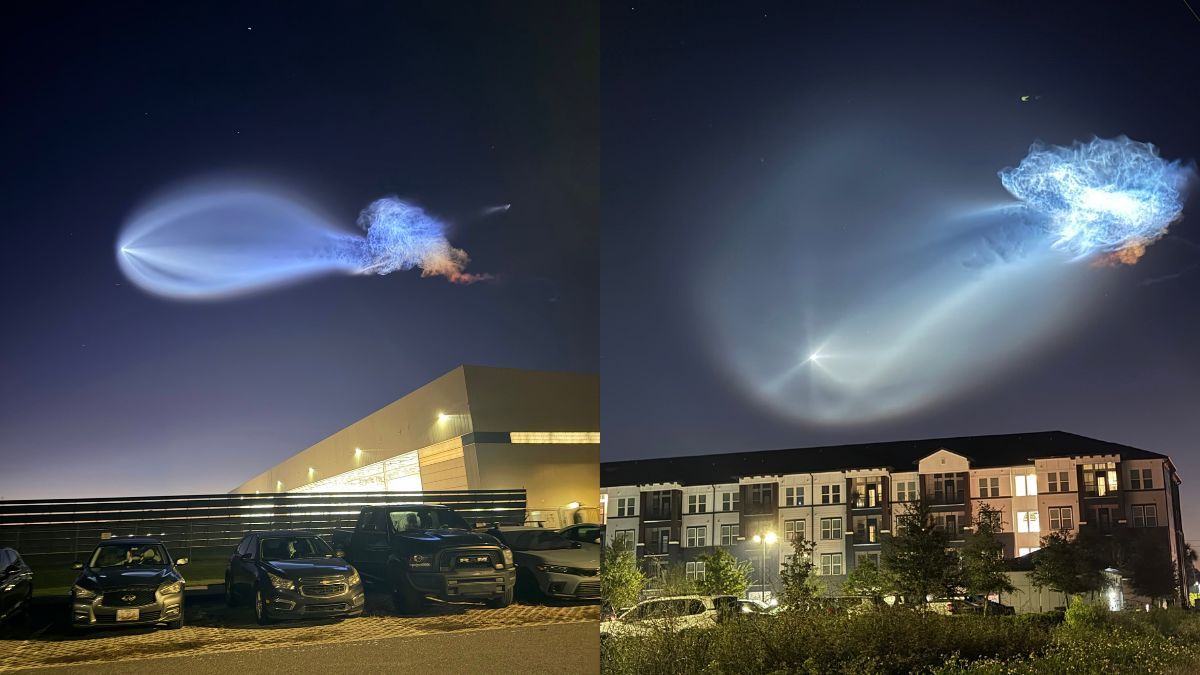
- Astronomers, Amazon and Viasat objected over debris, interference and night-sky damage; the regulator ruled brightness and environmental concerns outside its remit.

The United States communications regulator has cleared SpaceX to deploy up to one million satellites designed to function as data centres in orbit, in what the agency called the first authorisation of its kind in American history.
The Federal Communications Commission granted the authorisation on 25 November 2026 to Space Exploration Holdings, the licensing arm of Elon Musk's SpaceX, for a constellation named Starmind.
The satellites, described in the order as orbital compute modules, would process artificial intelligence workloads in space using near-continuous sunlight, then transmit the results back to Earth.
Approval covers a constellation far larger than everything now in orbit
Roughly 17,000 active satellites currently circle the Earth.
The authorisation therefore permits an expansion of orbital traffic of close to fiftyfold, concentrated in the hands of a single operator.
SpaceX plans to place the satellites in shells 50km thick at altitudes between 500km and 1,002km, using 30-degree and sun-synchronous inclinations.
Data would move between satellites over optical laser links, including links to the existing Starlink network. Radio spectrum in the Ka-band was approved only for backup telemetry, tracking and command.
Commission chairman Brendan Carr framed the decision as a matter of national competitiveness, describing data centres as essential to American leadership in what he termed super intelligence.
"This action opens a bold new frontier for the computing infrastructure needed to power America's leadership and growth," Carr said.
The regulator also claimed a longer horizon, suggesting the system moved humanity closer to harnessing the full power of the sun. Musk thanked Carr publicly and called the constellation a significant national asset.
Deployment milestones stretch from 2033 to the end of the next decade
The authorisation is conditional and phased. SpaceX must launch its first Starmind satellite by 25 November 2033, and have 100,000 in service, or a tenth of the maximum, by November 2035.
Half the constellation must be operating by 25 November 2038, with full deployment required by 25 November 2040. The application was filed on 30 January 2026.
Musk has indicated a far faster commercial timetable, pointing to a first launch in the third quarter of 2027 and large-scale deployment from 2029.
Astronomers say the ruling undermines decades of publicly funded research
The American Astronomical Society, which petitioned the regulator in March to reject the application, said it was "disheartened and dismayed" by the outcome.
The society has long argued that reflective satellites degrade optical and infrared observation, and that radio emissions disrupt radio astronomy.
It warned that the decision threatens decades of federally funded investment in observatories and the ability of researchers to work under a fundamentally altered night sky, and criticised the absence of binding coordination requirements.
The commission's Space Bureau, which issued the order under delegated authority, held that nothing in its rules caps the size of a constellation. Concerns about satellite brightness, it ruled, fell outside the scope of a radio licence. Environmental objections were likewise dismissed as beyond the agency's remit.
Rival operators dismissed the proposal as ambition rather than a plan
Amazon and Viasat also filed petitions to deny, citing orbital congestion, collision risk and radiofrequency interference. Amazon described Starmind in March as a "lofty ambition rather than a real plan" and said construction would take centuries.
Carr rejected that criticism, telling Amazon to concentrate on its own launches. The regulator concluded that the restricted Ka-band proposal addressed the interference objections raised by both companies.
The commission said further orbital data centre applications remain under review.
Disposal of retired satellites above 600 kilometres remains unresolved
One element was withheld. SpaceX sought a waiver of the requirement that satellites ending their missions below 2,000km re-enter the atmosphere within five years, proposing instead to move some retired craft into heliocentric or graveyard orbits.
The regulator deferred that request, finding the company had not supplied sufficient information to demonstrate compliance. SpaceX must file a modification before operating satellites above 600km that will not re-enter.
Engineering costs and Starship stand between the approval and orbit
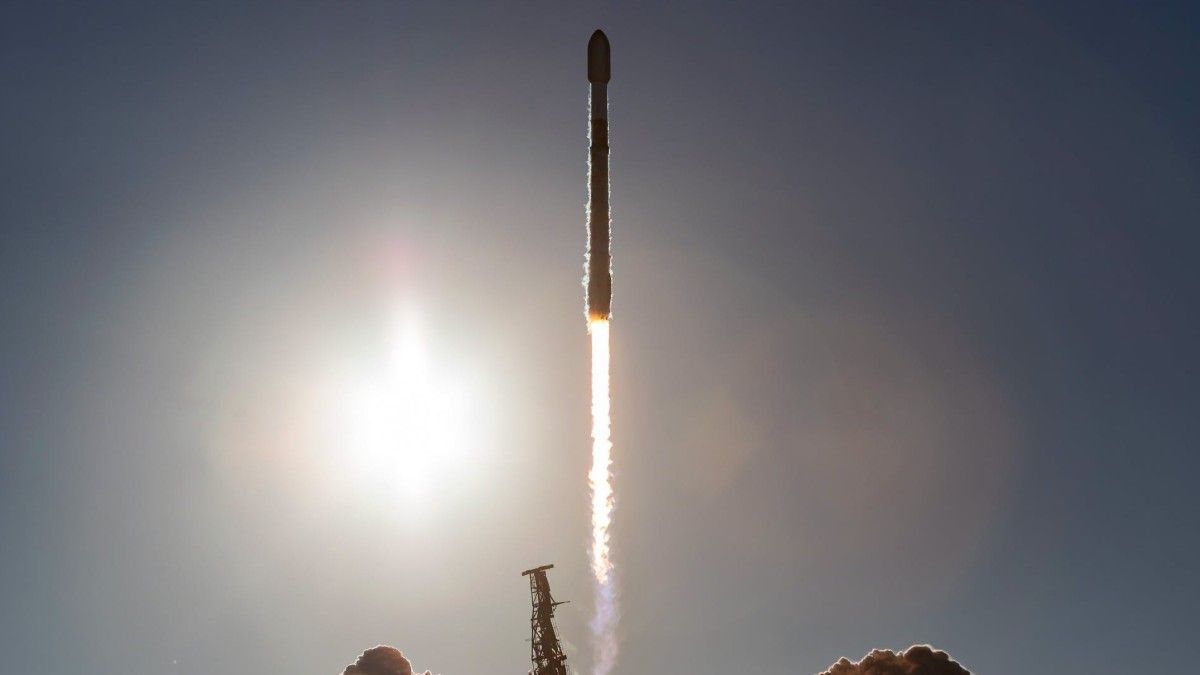
Authorisation is not capability. Starmind depends on Starship, which has completed a second orbital flight and deployed 52 Starlink satellites, reaching launch costs low enough to make orbital computing economic.
Cooling processors in vacuum, manufacturing at volume and financing chips for orbit all remain unsolved. Michael Nicolls, vice-president of Starlink engineering, has said the design requires clusters of satellites flying in tight formation to deliver coherent computing power.
Precedent counsels caution. SpaceX won approval for 42,000 Starlink satellites and has deployed roughly 11,200.
Astrophysicist Adam Becker called the prospect of a million orbital data centres a fantasy, adding that it will not happen.