13 dead and 13 missing after flooding at illegal gold mine in West Java
At least 13 miners have died and another 13 remain missing after heavy rain flooded two illegal gold mine shafts in Bogor, West Java, prompting a major search and rescue operation.
- Flooding at an illegal gold mine in Bogor has killed 13 workers and left another 13 missing.
- Rescue teams face difficult underground conditions, including deep shafts, narrow passages, water and mud.
- Police are investigating financiers and organisers, while Antam says the mine was outside its authorised operations.

At least 13 miners have died and another 13 remain missing after heavy rain caused flooding at an illegal gold mine in Bogor, West Java, Indonesian authorities said on Thursday, 26 November.
The incident occurred late on Monday, 23 November, when the Ciseureuh River overflowed following heavy rainfall and water flooded two mine shafts in the Pongkor area of Nanggung district.
The shafts, estimated to be about 100 metres deep, were being used for unauthorised gold mining. Eleven workers reportedly managed to escape before the water inundated the underground tunnels, while 26 others were initially reported trapped.
West Java Police Chief Inspector General Hengki said 13 bodies had been recovered. Six victims had been identified, while the identification of the remaining seven was still under way.
Rescue teams continued searching for the 13 workers who remained unaccounted for.
Rescue operation faces difficult conditions
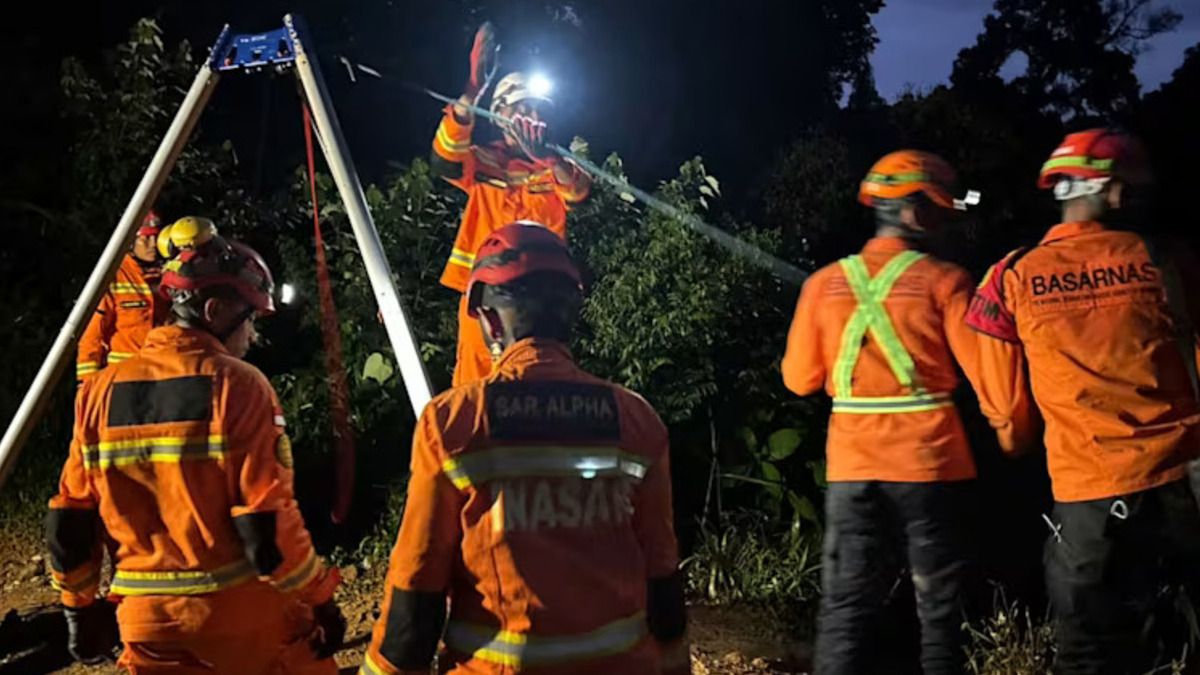
The search and rescue operation was complicated by the depth of the mine shafts, narrow access routes, darkness, slippery conditions and the presence of water and mud.
Desiana Kartika Bahari, head of the Jakarta Search and Rescue Office, said the operation was being adjusted to conditions inside the mine.
“All efforts are made by taking into account field conditions and prioritising the safety of personnel involved in SAR operations,” she said.
Rescue teams used water pumps and ropes to support the operation. Hundreds of personnel from different agencies were involved in the search.
Police said they were also urging families not to conduct independent searches because of the risks posed by unstable ground and the rainy season.
Authorities were not immediately informed about the incident. Muhammad Adam Hamdani, head of emergency and logistics at the Bogor disaster mitigation agency, said the illegal nature of the mining activity had contributed to the delay in reporting it.
“The problem was that nobody reported it and nobody wanted to report it because the activity was illegal,” he told the Associated Press.
Police received information about the trapped workers approximately 16 hours after the flooding.
Antam says mine was unauthorised
State-owned mining company PT Aneka Tambang (Antam) said the incident occurred at an unauthorised mining site and was not part of its official operations in Pongkor.
The company said all its employees were safe and its authorised mining activities continued normally.
Antam Corporate Secretary Wisnu Danandi said the company was supporting the rescue operation on humanitarian grounds and coordinating with police, the Bogor administration and search and rescue agencies.
The company also said it had taken measures to prevent illegal mining in the area, including patrols, sealing unauthorised tunnels and monitoring sites where illegal activities could resume.
The mine is located within an area covered by Antam's mining concession, but the company said the activity involved in the incident was not authorised.
Police investigate illegal mining operation
Police said they were investigating the people who financed and organised the illegal mining activity.
Hengki said investigators would pursue financiers, tunnel managers and others involved in directing the operation.
Illegal mining remains a recurring problem in Indonesia, where unauthorised operations can expose workers to dangerous conditions, including flooding, landslides and tunnel collapses.
The Bogor incident occurred during the rainy season, when heavy rainfall can cause rivers to overflow and destabilise underground excavations.