Greenpeace Indonesia says COP31 draft promotes carbon capture without a commitment to leave fossil fuels
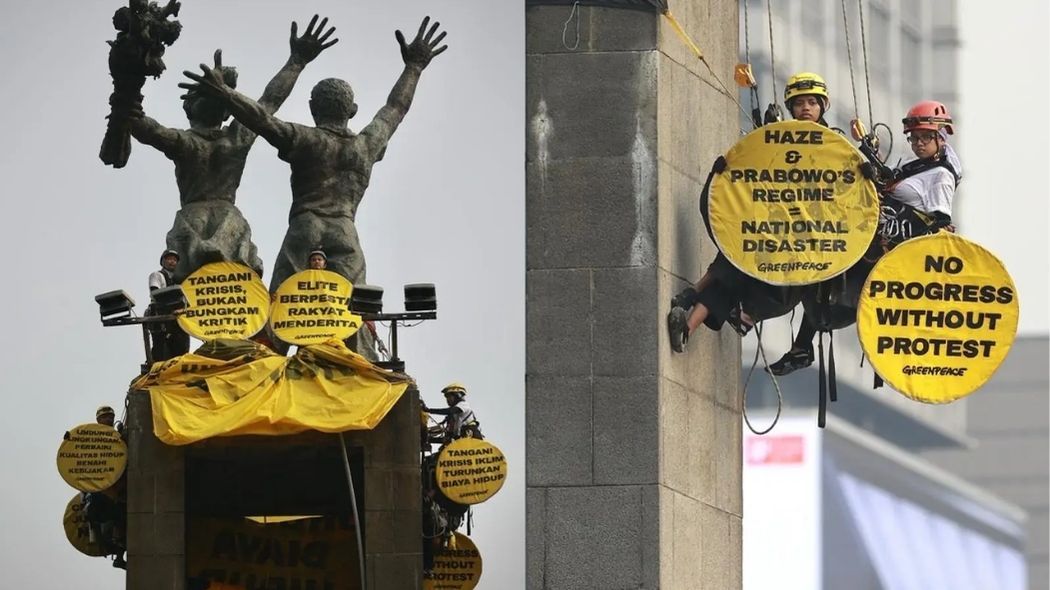
Greenpeace Indonesia says the third COP31 draft decision risks prolonging fossil fuel dependence by promoting carbon capture while lacking a clear commitment to a just transition away from coal, oil and gas.
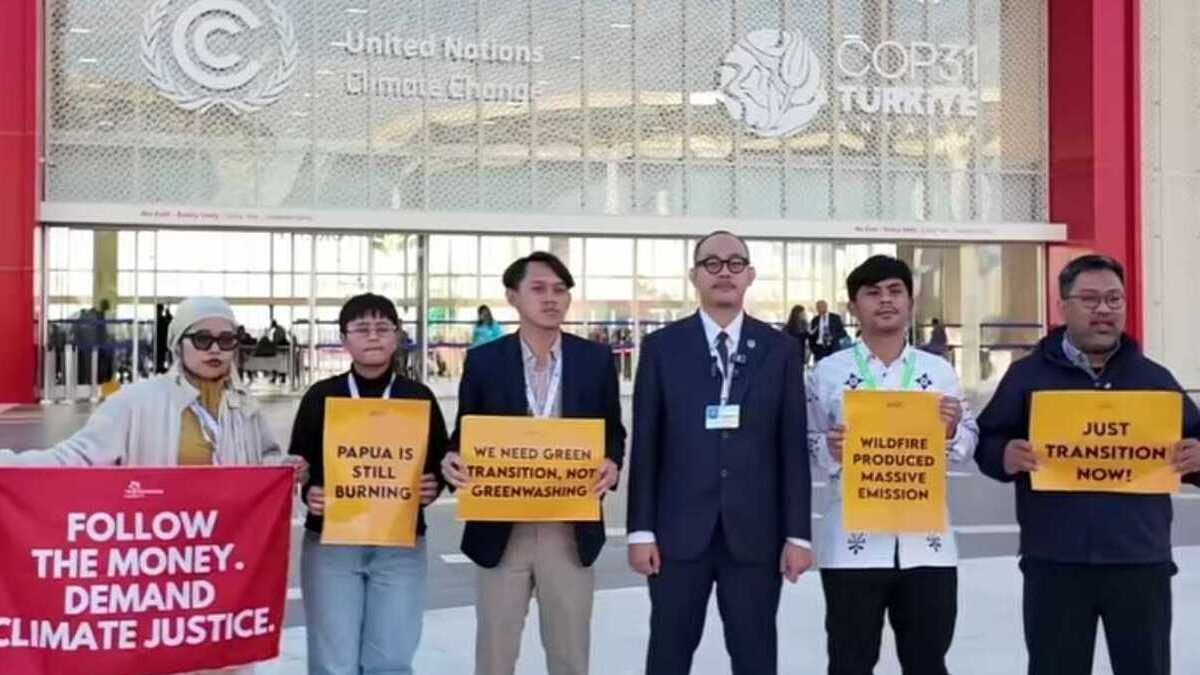
- Greenpeace Indonesia says the COP31 draft promotes carbon capture without explicitly committing countries to move away from fossil fuels.
- The organisation criticises the absence of a clear baseline for tripling adaptation finance by 2035.
- Greenpeace is urging Indonesia to seek stronger transition commitments and more reliable climate funding.

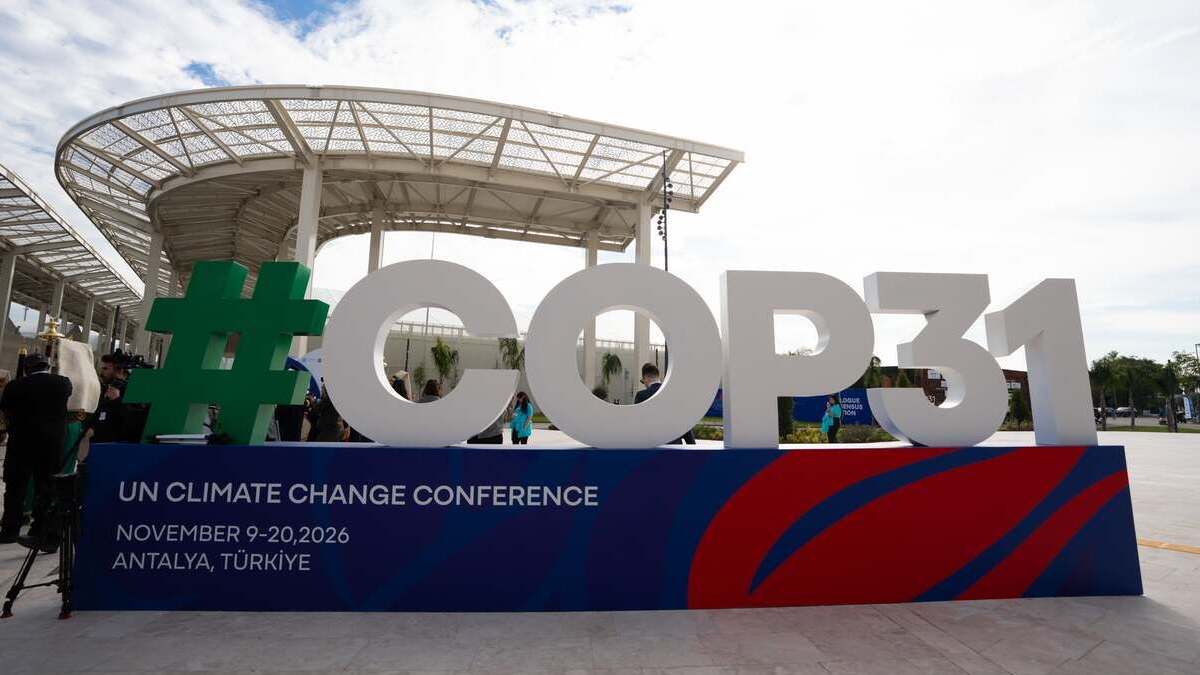
Greenpeace Indonesia has criticised the third draft decision of the COP31 climate summit in Antalya, Türkiye, saying it risks weakening global efforts to tackle climate change by promoting carbon capture technology while failing to set out a clear commitment to move away from fossil fuels.
In a statement published on 22 November 2026, the environmental organisation described the proposed text as a step backwards even compared with the 2015 Paris Agreement.
It called on the Indonesian government to take a stronger position in the negotiations, arguing that the draft could prolong dependence on coal, oil and gas rather than establish a just transition towards renewable energy.
The draft was issued by the COP31 presidency at 2am local time on Sunday, 22 November.
Greenpeace Indonesia said it contained provisions that could obstruct climate mitigation, particularly the inclusion of carbon capture, utilisation and storage (CCUS), while omitting an explicit commitment to transition away from fossil fuels.
Greenpeace challenges the role given to carbon capture
Greenpeace Indonesia argued that the draft gave excessive prominence to CCUS, a group of technologies designed to capture carbon dioxide emissions from industrial processes or the atmosphere for storage or use.
The organisation questioned whether the technology could deliver emissions reductions from fossil fuel use and industrial activity at an affordable cost. It warned that relying on carbon capture could allow fossil fuel consumption to continue rather than accelerate the shift to cleaner energy sources.
The draft's section on accelerating implementation called for international cooperation to support a range of climate measures.
Among them was an ambition to expand CCUS deployment to at least 500 million tonnes of carbon dioxide (MtCO₂) and work towards 2.5 billion tonnes (GtCO₂) annually by 2035.
Greenpeace Indonesia said the inclusion of those targets was particularly concerning because the text did not establish a corresponding commitment to phase out fossil fuels.
“The world has failed to keep the global temperature rise below the 1.5°C threshold, and now it has failed again to formulate more ambitious climate action,” said Iqbal Damanik, Climate and Energy Campaign Manager at Greenpeace Indonesia.
He said climate disasters did not wait for particular countries or communities, but that those least responsible for global emissions were often among the worst affected.
“The outcome of the COP31 negotiations has moved far away from the original ambition of creating climate justice for all,” he said.
No explicit commitment to a just transition away from fossil fuels
Another central concern raised by Greenpeace Indonesia was the absence of the phrase “just transition away from fossil fuels” in the third draft.
The organisation pointed to paragraph 36, which proposed increasing electricity's share of global final energy consumption to 35 per cent by 2035. The target was presented alongside efforts to triple global renewable energy capacity and double the rate of energy-efficiency improvements.
However, Greenpeace said the electrification target did not explicitly require a reduction or phase-out of fossil fuel use.
It warned that electrification alone would not guarantee lower emissions if the additional electricity demand were met through fossil-fuel-based power generation, including gas.
The organisation cited concerns that the proposed target could be accompanied by increased use of fossil gas, referring to a study by Oil Change International.
Yuyun Harmono, Head of Climate and Energy Campaigns at Greenpeace Indonesia, said the negotiations had been held hostage by the interests of the fossil fuel industry.
“By including false climate solutions such as CCUS, the draft will only extend the life of fossil fuels, increase carbon emissions and weaken efforts towards a just energy transition,” he said.
He added that this could also obstruct access to affordable and sustainable energy.
Greenpeace says climate finance remains unresolved
Greenpeace Indonesia also criticised the draft for failing to make meaningful progress on climate finance, particularly funding to help developing countries adapt to the effects of climate change.
Fajri Fadhillah, Senior Regional Campaign Strategist at Greenpeace Southeast Asia, said the proposed target to triple climate adaptation finance still lacked a clear baseline figure.
“The COP31 draft decision also shows no progress whatsoever on climate finance,” he said.
Greenpeace said the stalled negotiations reflected the failure of developed countries to meet their obligations to provide financial support for climate mitigation and adaptation in developing countries.
The organisation also referred to declining climate finance from developed countries, saying the trend sent a negative signal for efforts to accelerate climate action, particularly in countries vulnerable to climate impacts.
For developing countries such as Indonesia, adaptation finance is needed to strengthen resilience against climate-related disasters and protect communities whose livelihoods are exposed to extreme weather and other environmental changes.
Greenpeace warns of risks to Indonesia's energy targets
Greenpeace Indonesia said the outcome of COP31 would have direct implications for Indonesia, where climate-related disasters and extreme weather are already affecting communities.
The organisation warned that these impacts, alongside rising living costs in different parts of the country, could worsen without concrete measures to reduce dependence on fossil fuels.
It called on the Indonesian government to develop an energy-transition roadmap that goes beyond the proposed COP31 outcome.
Greenpeace also raised concerns about the involvement of people with fossil fuel business interests in government climate policy, specifically naming Hashim Djojohadikusumo.
It warned that adopting what it described as a weak COP31 decision could lock Indonesia into continued fossil fuel dependence and put two national energy goals at risk: the proposed development of 100 gigawatts (GW) of solar power capacity and the country's target of achieving net-zero emissions by 2060.
The organisation did not present these outcomes as inevitable, but said the direction of international negotiations could affect the policy environment for Indonesia's domestic energy transition.
Call for Indonesia to take a stronger position
Greenpeace Indonesia urged the government to press for three changes in the COP31 negotiations.
First, it called for an explicit commitment to a just energy transition, supported by clear and measurable measures to move away from fossil fuels.
Second, it called for the removal of the proposed CCUS deployment targets from the draft decision.
Third, it urged developed countries and polluting corporations to provide fair and inclusive funding for climate adaptation and a just transition.
The organisation said such funding should support countries and communities facing the consequences of climate change, while helping them move towards cleaner energy systems.
Greenpeace's statement was issued as negotiations entered their final stage in Antalya. The organisation's criticism focused on the gap between the draft's proposed technology and electrification targets and the absence of a clear pathway away from fossil fuels.
The draft's climate finance provisions draw further criticism
The proposed decision also addressed the need to increase adaptation finance, but Greenpeace said it did not provide a clear enough financial commitment.
The draft reaffirmed the call to at least triple adaptation finance by 2035. However, it asked the UNFCCC Standing Committee on Finance to prepare a technical report identifying options for establishing a baseline, with the report due for consideration at the next relevant session in November 2027.
It also proposed an implementation pathway for tripling adaptation finance by 2035 to be discussed at that session.
Greenpeace Indonesia argued that these provisions did not provide the clarity and certainty developing countries needed to plan and implement climate adaptation measures.
COP31 ends without agreement on the main decision
The dispute over fossil fuels continued as the summit entered its closing stage. According to Greenpeace International, the third draft failed to secure consensus and was not adopted during the closing plenary on 22 November.
The European Union, Panama, the Marshall Islands and Norway were among the parties that formally rejected the proposed text. Greenpeace International said the draft acknowledged that global warming would exceed 1.5°C but did not identify fossil fuels as the cause or establish a credible pathway to phase them out.
Jasper Inventor, Head of the Greenpeace COP31 delegation, said the organisation had come to the summit to seek an end to fossil fuels rather than measures that could extend their use.
He described the absence of an agreement as a failure for communities on the frontlines of the climate crisis, while saying that rejecting a deal favouring fossil fuel interests had prevented a worse outcome.
Greenpeace International also criticised the lack of progress on adaptation finance and the failure of negotiations on a Just Transition Mechanism to conclude.
The organisation said Indonesia's response should not be limited to the outcome of the international negotiations. It called for a domestic energy-transition roadmap with measurable steps to reduce fossil fuel dependence and protect the country's renewable energy and net-zero targets.