Orange haze blankets Indonesia’s Palangka Raya as air pollution reaches hazardous levels
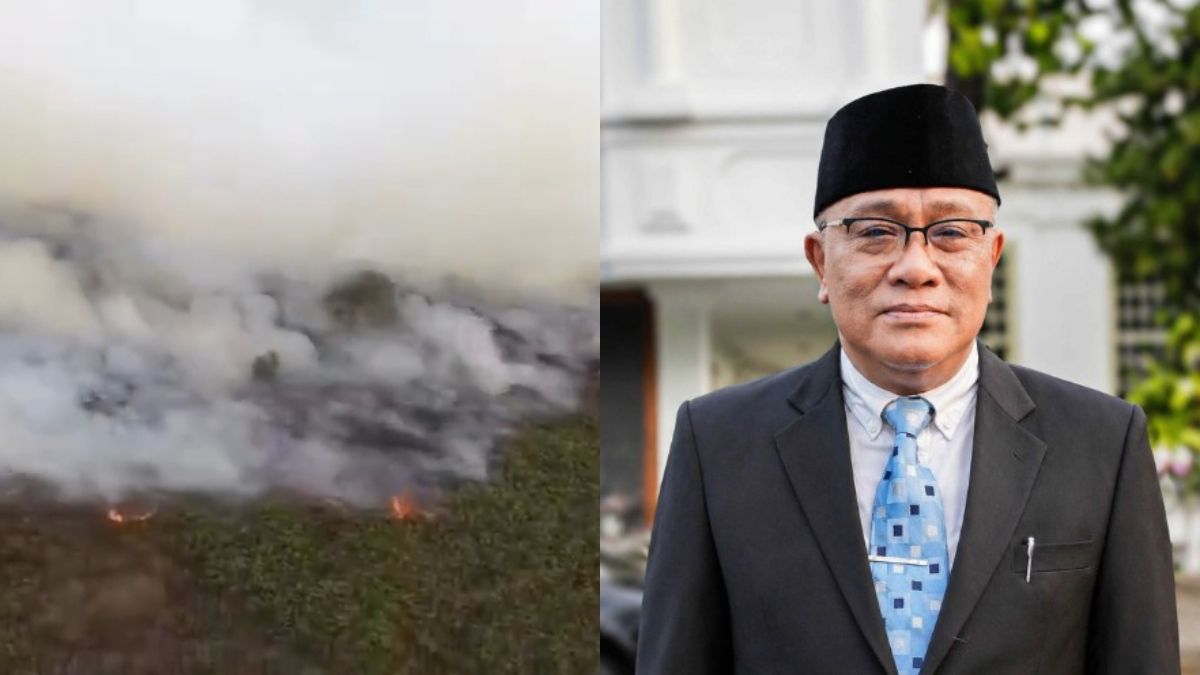
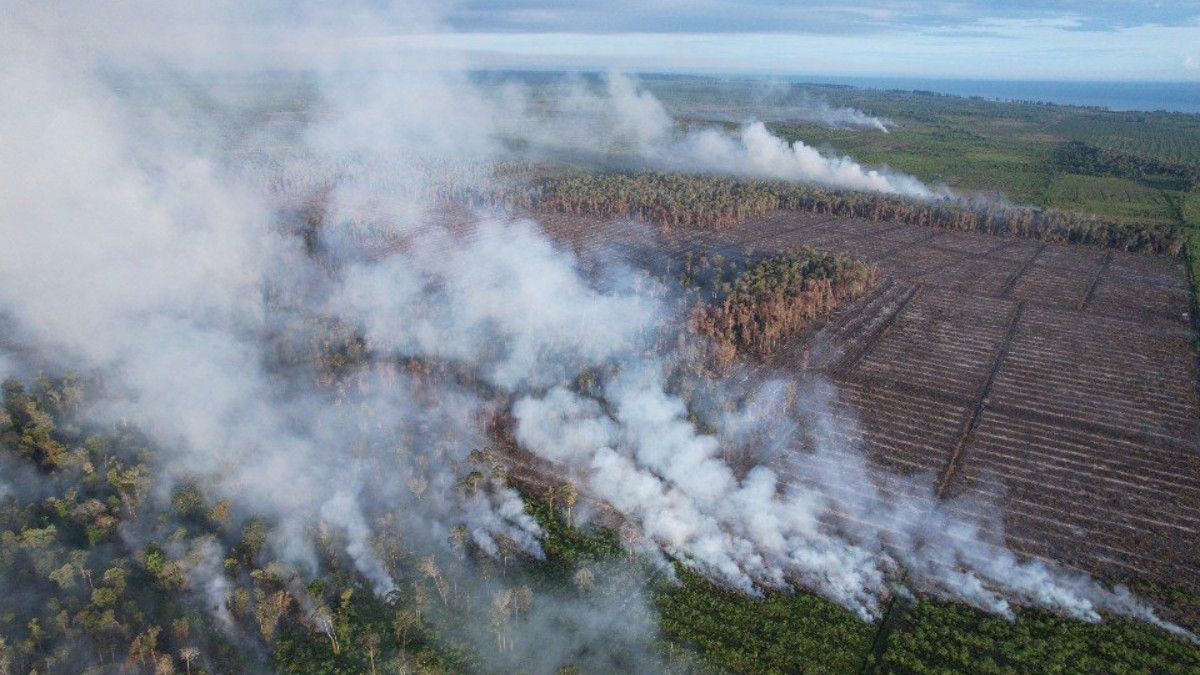
Thick smoke from forest and land fires has turned the sky yellow-orange over Palangka Raya, where reported air-quality readings reached hazardous levels for the 37th consecutive day as peat fires continued to spread.
- Thick smoke from forest and land fires reduced visibility below 100 metres on major roads in Palangka Raya.
- Reported air-quality readings remained hazardous for the 37th consecutive day, with monitoring platforms recording sharply different PM2.5 concentrations.
- Reigniting peat fires continued to generate smoke as residents worked outdoors and haze affected parts of South Sulawesi.

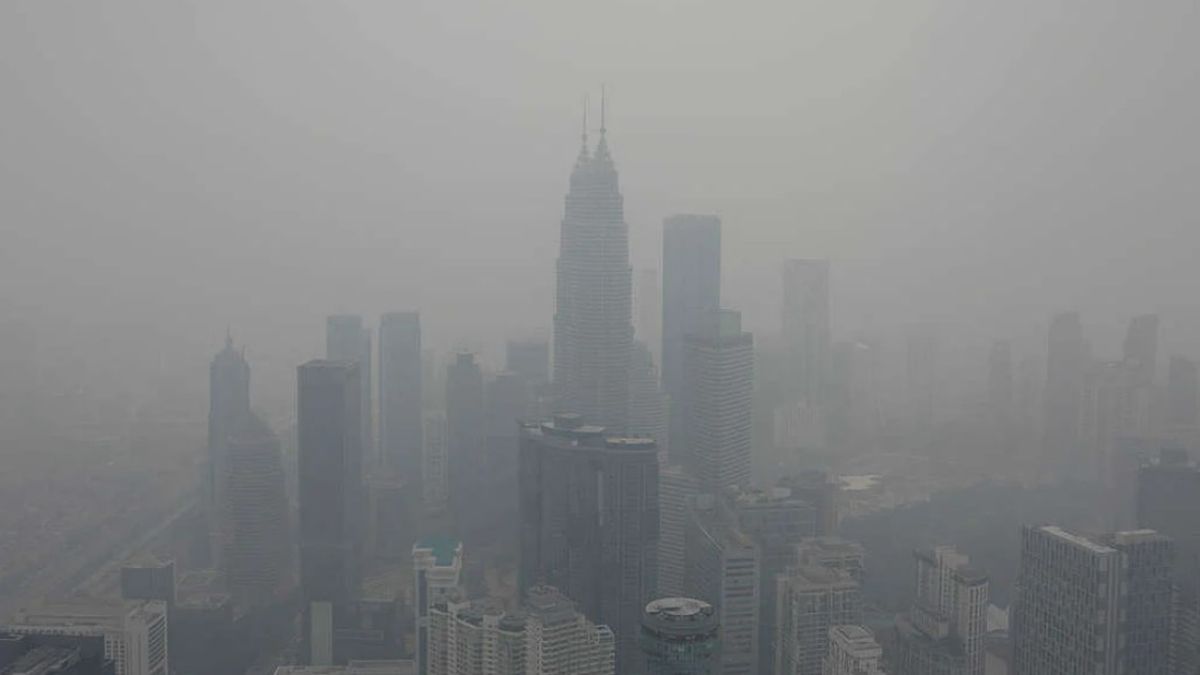
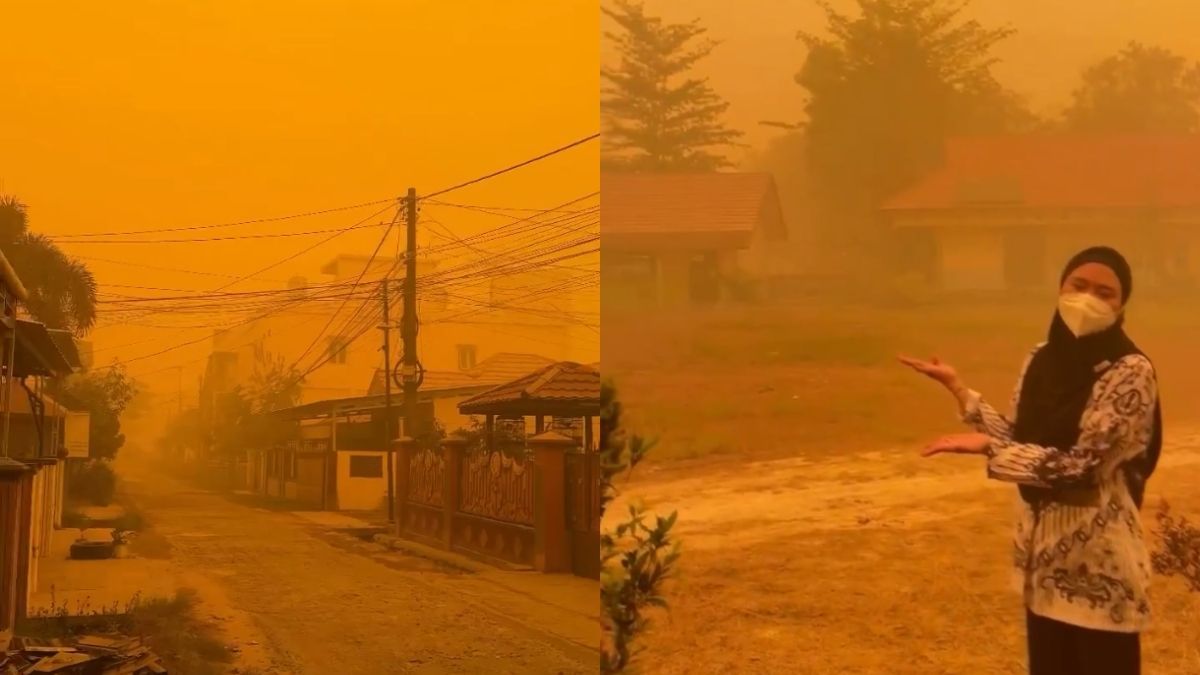
Thick smoke from forest and land fires turned the sky yellow-orange over Palangka Raya in Indonesia’s Central Kalimantan province on Wednesday, obscuring buildings and trees and reducing visibility amid hazardous air pollution.
Indonesia’s public radio broadcaster, Radio Republik Indonesia (RRI), reported that smoke blanketed residential areas, giving the morning sky a dense yellowish-brown appearance. Buildings, trees, houses and roads appeared faint through the haze.
The smoke was so dense that sunlight struggled to reach the ground, turning the sky over the city centre yellow-orange.
Visibility on major roads fell to below 100 metres, with some prominent buildings and towers almost disappearing behind the smoke. Residents had reportedly experienced more than three months without normal sunlight.
The appearance of the haze illustrates the extent of the smoke, although visual observation alone cannot establish the precise level of air pollution at a particular location.
Air pollution readings reach hazardous levels
Air-quality figures reported on Wednesday showed severe pollution in Palangka Raya, although readings varied by monitoring platform and reporting time.
According to data displayed by IQAir and reported by RRI, the city recorded a US Air Quality Index (AQI) reading of 659, classified as hazardous, in an update at 1am local time. The platform also recorded a PM2.5 concentration of 405.3 micrograms per cubic metre. Its hourly forecast showed an AQI reading of 525 for 10am.
Separately, Tribrata News reported that monitoring by Indonesia’s Meteorology, Climatology and Geophysics Agency (BMKG) recorded a PM2.5 concentration of 2,512 micrograms per cubic metre at noon on Wednesday, placing air quality in the hazardous category.
The concentration had already reached 549.1 micrograms per cubic metre at midnight and continued rising from 5am, according to the report.
Wednesday marked the 37th consecutive day on which Palangka Raya’s highest daily air-quality index had been classified as hazardous, based on the city’s air-quality calendar.
PM2.5 refers to fine particles with a diameter of less than 2.5 micrometres. Their small size allows them to penetrate deep into the respiratory system, posing health risks when inhaled.
Peat fires continue to produce thick smoke
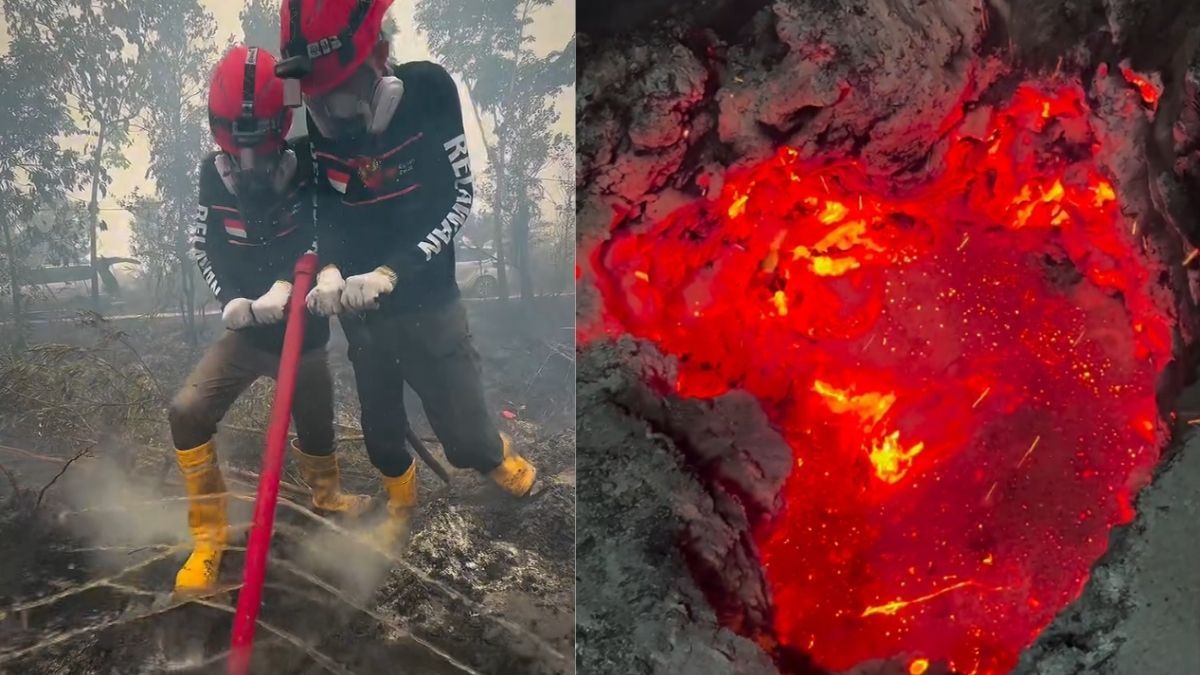
Peatland fires were continuing around Jalan Mahir Mahar, part of the outer ring road in Palangka Raya. Flames within the peat layer had reportedly reignited and intensified when winds strengthened.
Residents said the fire had previously been extinguished, only to reappear several days later and spread further. Dense yellowish smoke nearly covered the road, disrupting visibility for motorists.
Peat fires can be difficult to extinguish because burning material may persist beneath the surface even when flames are no longer visible above ground. The continued presence of underground embers can allow fires to reignite and produce further smoke.
The Dashboard for Forest and Land Fires in Palangka Raya, cited by Tribrata News, recorded 534 hotspots in the city and 8,805 across Central Kalimantan.
The continuing fires have contributed to the smoke affecting residential neighbourhoods and major roads, while the reported air-quality readings indicate that the pollution remains a serious concern.
Residents continue working despite health risks
Despite hazardous air quality, residents in Palangka Raya continue working outdoors as vendors, motorcycle taxi drivers and street sweepers.
Metro TV journalist Joy Jones said many had little choice but to work to earn a living.
“Many people are still moving around in the centre of Palangka Raya. This is not because they are unconcerned about their health amid the haze, but because they are forced to work outdoors and have no other choice to meet their living needs,” Jones reported on Metro Hari Ini on Wednesday.
Radio Republik Indonesia (RRI) warned that smoke exposure can cause eye and throat irritation, coughing and worsening respiratory problems. It advised residents to limit outdoor activity, close windows and wear suitable masks when outside, particularly protecting children, older people and those with respiratory conditions. Anyone experiencing severe breathing difficulties should seek medical assistance.
Haze spreads beyond Central Kalimantan
Haze has also reached Maros in South Sulawesi, including Sultan Hasanuddin International Airport, where smoke had persisted for several days.
Visibility fell to about five kilometres, although flights continued normally.
Coordinating Minister for Political and Security Affairs Dudung Abdurachman said the government had no plans to declare the forest and land fires a national disaster, maintaining that it could manage the situation despite offers of assistance from Malaysia and Singapore.
RRI cautioned that air-quality readings can vary between monitoring platforms and that visual observations alone cannot establish precise pollution levels.
Continued air-quality monitoring and fire prevention efforts remain important as residents face prolonged smoke exposure while trying to maintain their livelihoods.