Rights groups urge sanctions on Myanmar after ICJ rules genocide committed against Rohingya
Rights organisations have called for arms restrictions, military sanctions and economic measures against Myanmar after the International Court of Justice ruled that the country committed genocide against the Rohingya in 2017.
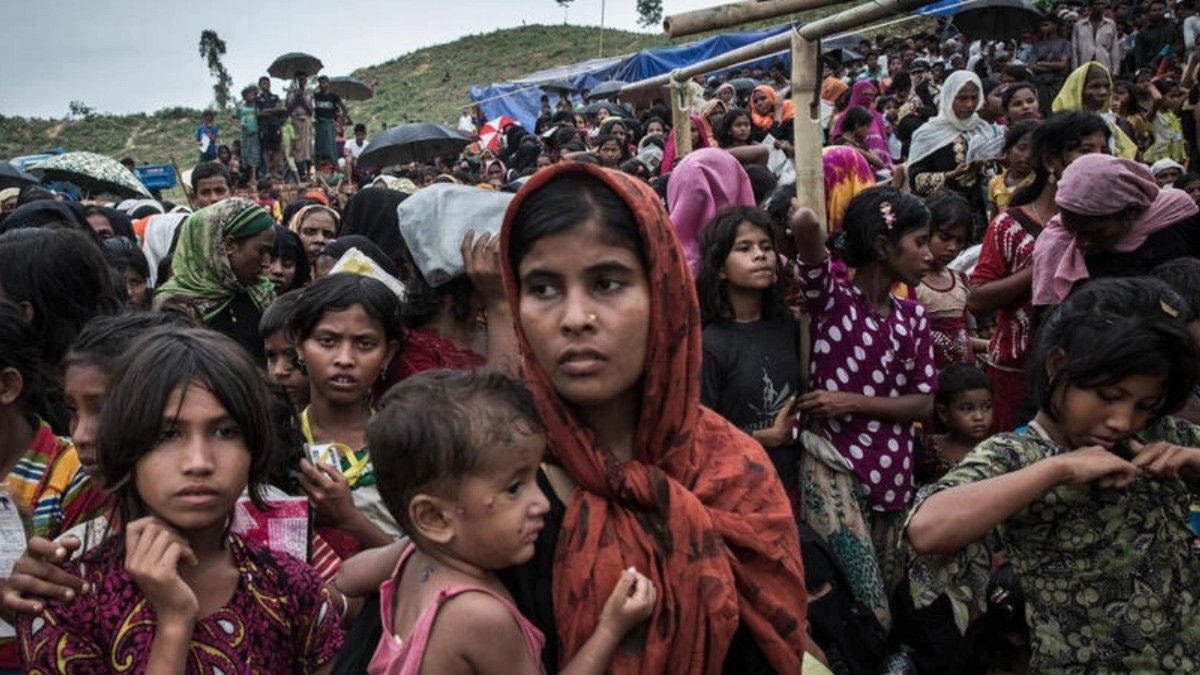
- The International Court of Justice ruled that Myanmar committed genocide against the Rohingya during its 2017 military operation.
- Rights organisations are demanding arms restrictions, military sanctions and international action against those responsible.
- Myanmar has rejected the judgment, while refugees and activists are calling for citizenship, reparations and safe repatriation.

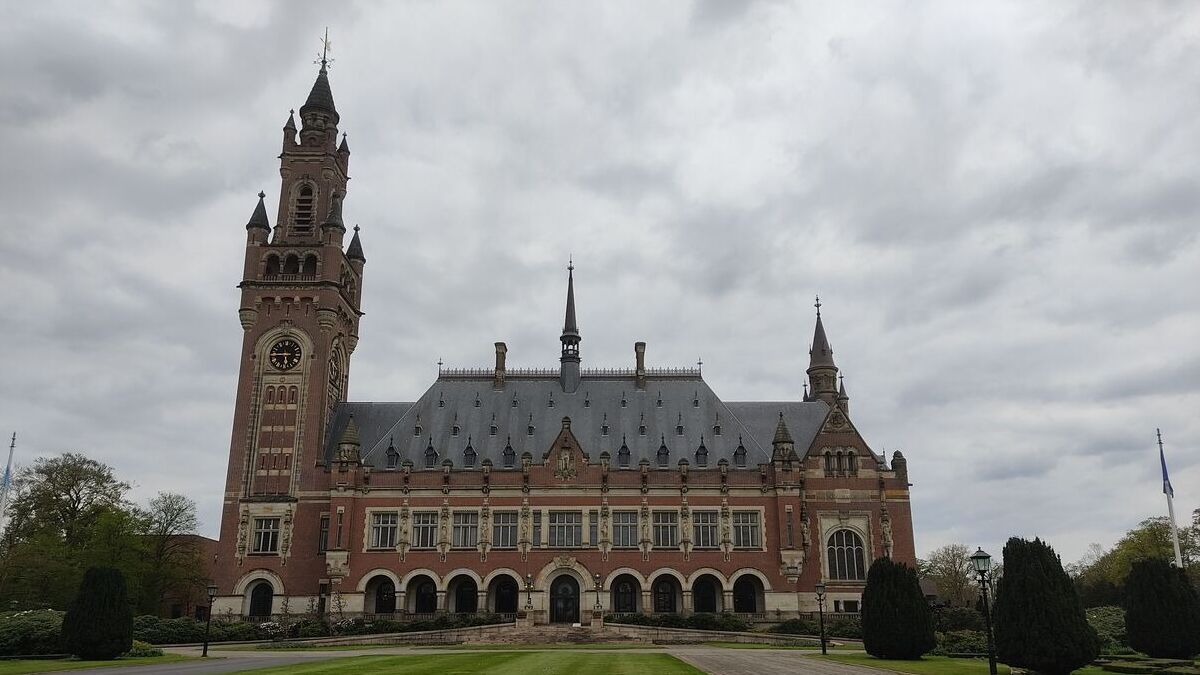
Rights groups have called for military and economic sanctions against Myanmar after the International Court of Justice (ICJ) ruled that the country committed genocide against the Rohingya Muslim minority during a military operation in 2017.
The ruling, delivered on 19 November 2026, marks the first time the United Nations' highest court has determined Myanmar's responsibility for genocide against the Rohingya, who have faced decades of persecution, restrictions and displacement.
The court ordered Myanmar to ensure that Rohingya refugees who fled the violence can return safely, pay reparations to victims and prosecute individuals suspected of involvement in the genocide.
However, the ICJ has no enforcement mechanism of its own, leaving implementation dependent on Myanmar's compliance and possible action by the international community.
Rights organisations are urging governments to take concrete measures, including stopping arms transfers, restricting military assistance and imposing economic sanctions on networks supporting Myanmar's military.
Myanmar rejects the ruling
Myanmar's military-backed government has rejected the ICJ's findings, describing the decision as unfair because it was not unanimous.
Presidential spokeswoman Khine Khine Soe said the ruling was supported by nine of the 15 judges, while six opposed it.
"Not all 15 judges agreed with the decision," she told reporters in the capital, Naypyitaw. "So it was not a decision made unanimously. I would say that it was unfair."
Myanmar has consistently denied committing genocide, arguing that its military operations in Rakhine State were conducted in response to attacks by Rohingya insurgents.
The country's position contrasts with the court's assessment of the evidence, which included killings, sexual violence, attacks against children and the systematic destruction of Rohingya villages.
The court concluded that Myanmar's actions were carried out with the intention of destroying a substantial part of the Rohingya population.
International community calls for accountability
United Nations Secretary-General António Guterres described the judgment as a demonstration of international justice and a reaffirmation that impunity for serious crimes must not be allowed.
He called on Myanmar to comply with the court's decision and fulfil its international obligations.
UN High Commissioner for Human Rights Volker Türk also welcomed the ruling, saying it established Myanmar's responsibility for one of the gravest crimes under international law.
The Gambia, which initiated the proceedings in November 2019 with support from the Organisation of Islamic Cooperation (OIC), welcomed the decision as a historic day for international justice.
The Gambian government said the obligation to prevent and punish genocide was shared by all states that had signed the 1948 Genocide Convention.
The United Kingdom announced immediate diplomatic measures following the ruling.
Foreign Secretary Ed Miliband said Britain would expel Myanmar's defence attaché, summon the country's chargé d'affaires and seek an urgent United Nations Security Council meeting to discuss the judgment.
The British government said further measures would follow to ensure those responsible were held accountable.
Amnesty International Secretary-General Agnes Callamard urged governments to stop transferring weapons, security and surveillance equipment, as well as military and security assistance to Myanmar.
She also called on the Security Council to impose a global arms embargo and refer the situation in Myanmar to the International Criminal Court (ICC).
However, the prospect of international sanctions faces diplomatic obstacles. China and Russia, both permanent members of the Security Council, have opposed stronger international intervention against Myanmar's military authorities.
Daniel Forti, head of UN affairs at the International Crisis Group, said any attempt to secure Security Council action could face opposition from both countries.
He noted that China had discouraged Security Council action on Myanmar since 2021 and was unlikely to change its position following the ICJ judgment.
The United States could also veto a Security Council initiative to refer Myanmar to the ICC, according to the Associated Press report.
Rohingya refugees seek more than a court victory
The judgment has been welcomed by Rohingya activists, who say accountability must include restoring the community's citizenship, recognising its identity and ensuring refugees can return safely.
Yasmin Ullah, a Rohingya activist who was part of Gambia's delegation in the case, said the ruling formally recognised what the community had experienced.
"The Rohingya never needed a court to tell us what happened to us. (...) We needed the world to hear it, and today it has," she said.
Nay San Lwin, co-chair of the Arakan Rohingya National Council, said justice would require the restoration of citizenship, recognition of Rohingya identity and a safe and dignified return.
Wai Wai Nu, executive director of the Women's Peace Network, said the judgment challenged decades of efforts by Myanmar's military to deny the existence and suffering of the Rohingya.
In Bangladesh, where more than one million Rohingya refugees live, survivors also welcomed the decision while stressing that it would not immediately change their living conditions.
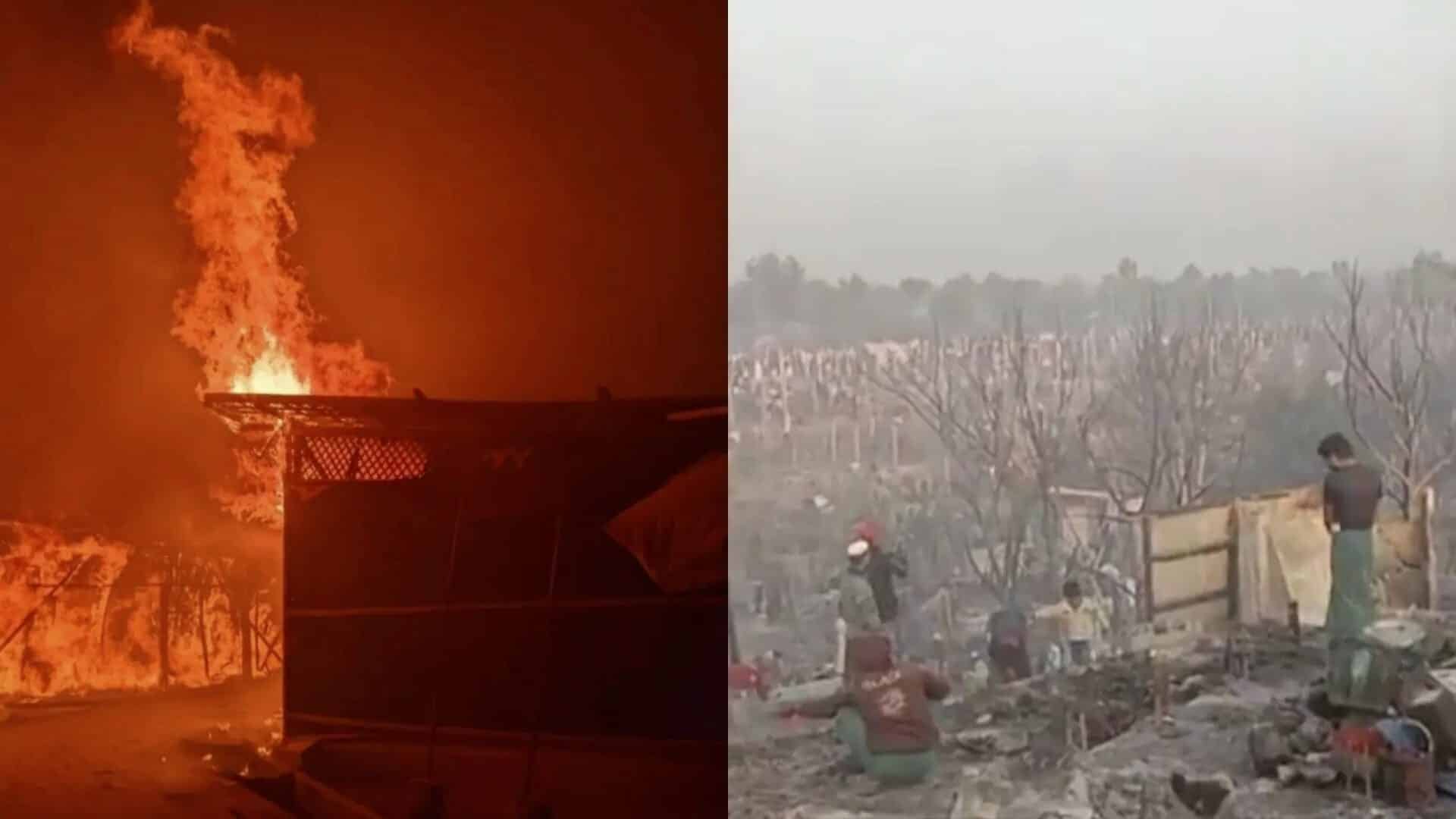
Many have spent years in overcrowded camps in Cox's Bazar after fleeing Myanmar in 2017. They continue to face restrictions, limited access to employment and dependence on humanitarian assistance.
The UN refugee agency has said that access to citizenship and conditions for safe, voluntary and dignified return are essential to resolving the displacement crisis.
Online backlash in Myanmar lays bare the Rohingya's contested place at home
The ruling has also prompted strong reactions on social media, particularly in Myanmar, where the Rohingya's identity and historical presence remain politically contested.
An Associated Press report highlighted the continuing difficulty of securing compliance with the court's decision, while subsequent reporting by ABC Religion and Ethics described hostile reactions in Myanmar's online comment sections.
Some nationalist accounts accused overseas Rohingya advocates of betraying the country, while others portrayed the military as defending national sovereignty.
The online hostility reflects a longer-running campaign against the Rohingya. In January 2026, Buddhist monks and nationalist groups rallied in Yangon in support of Myanmar's legal defence at The Hague. One speaker reportedly declared that there was no genocide.
The ICJ's findings also addressed the role of social media in spreading anti-Rohingya sentiment before the 2017 military operations.
According to the court's assessment, Facebook was widely used in Myanmar at the time, and military-linked accounts circulated messages portraying the Rohingya as foreign infiltrators and threats to the country's religious and ethnic identity.
A 30-year-old Rohingya resident inside Myanmar, who spoke to Reuters anonymously because of fears of retaliation, said hate speech remained visible on social media even after the ruling.
The resident expressed hope that the judgment would encourage people in Myanmar to acknowledge the atrocities and treat one another without discrimination based on religion or ethnicity.
The contrasting reactions underline the continuing challenges facing the Rohingya, whose struggle for recognition and equal rights extends beyond the courtroom.
Background: The 2017 military crackdown
The case dates back to August 2017, when Myanmar's military launched a major security operation in Rakhine State following attacks by Rohingya armed militants on police posts.
The military operation resulted in widespread killings, sexual violence, torture and the destruction of hundreds of Rohingya villages.
More than 700,000 Rohingya fled across the border into Bangladesh within months. Many joined earlier waves of refugees who had escaped previous military operations and persecution.
The Rohingya, a predominantly Muslim ethnic minority, have faced decades of discrimination in Myanmar, where the majority population is Buddhist.
The 1982 Citizenship Law effectively excluded most Rohingya from citizenship, leaving the community largely stateless. They have also faced restrictions on movement, access to education, healthcare and employment.
In 2018, a United Nations fact-finding mission called for Myanmar's senior military leaders, including then military chief Min Aung Hlaing, to be investigated and prosecuted for genocide, crimes against humanity and war crimes.
Min Aung Hlaing, who oversaw the 2017 military operation, is now Myanmar's president.
The Gambia filed its case against Myanmar at the ICJ in November 2019, arguing that the military's treatment of the Rohingya violated the 1948 Genocide Convention.
The proceedings were supported by the OIC, while 11 countries intervened in the case on legal questions concerning the convention.
What happens next?
Although the ICJ's judgment is final and legally binding, the court does not have its own enforcement mechanism.
Under the UN Charter, a country seeking enforcement of an ICJ judgment can bring the matter before the Security Council, which may recommend or decide on measures to give effect to the ruling.
However, any proposed action could face opposition from permanent members with veto powers.
The United Nations General Assembly could also adopt a resolution calling on Myanmar to comply, although such a resolution would not carry the same binding enforcement authority as a Security Council decision.
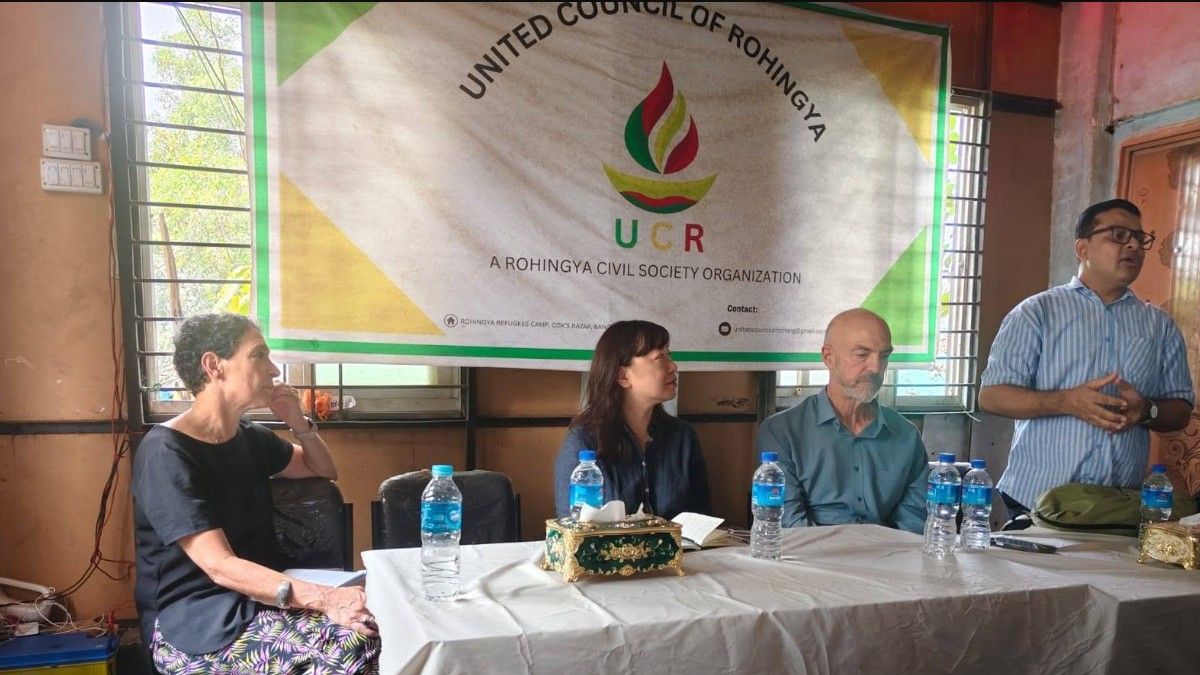
The president of the 81st session of the General Assembly, Khalilur Rahman, who is also Bangladesh's foreign minister, visited Rohingya refugee camps in Cox's Bazar on 20 November.
He called for four priorities: implementation of the judgment, the safe return of Rohingya refugees, reparations for victims and measures to prevent further atrocities.
He also urged the international community to maintain humanitarian assistance for refugees until safe repatriation becomes possible.
The ICJ ruling has established Myanmar's responsibility under international law. However, the return of refugees, compensation for victims and accountability for those responsible will depend on the implementation of the judgment and continued international pressure.