UN investigator urges end to violence against civilians in Myanmar’s Rakhine State to ensure Rohingya can return home safely
A UN investigator has urged an end to violence against civilians in Myanmar’s Rakhine State to enable Rohingya refugees to return safely. Rights groups have separately called for investigations into alleged abuses and stronger international action.
- UN investigator Nicholas Koumjian says ending violence against civilians is essential for Rohingya refugees to return safely to Rakhine State.
- The United Council of Rohingya has urged an independent investigation into alleged crimes against Rohingya civilians by the Arakan Army.
- The Burma Human Rights Network has called on the Organisation of Islamic Cooperation to strengthen refugee protection, humanitarian assistance and accountability.

Nicholas Koumjian, head of the Independent Investigative Mechanism for Myanmar (IIMM), has urged an end to violence against civilians in Rakhine State, Myanmar, saying continued fighting is preventing Rohingya refugees in Bangladesh from returning home safely.
At the conclusion of a six-day official visit to Bangladesh on 12 October 2026, Koumjian said ending violence and pursuing justice for serious international crimes were essential to creating conditions for a safe and sustainable return.
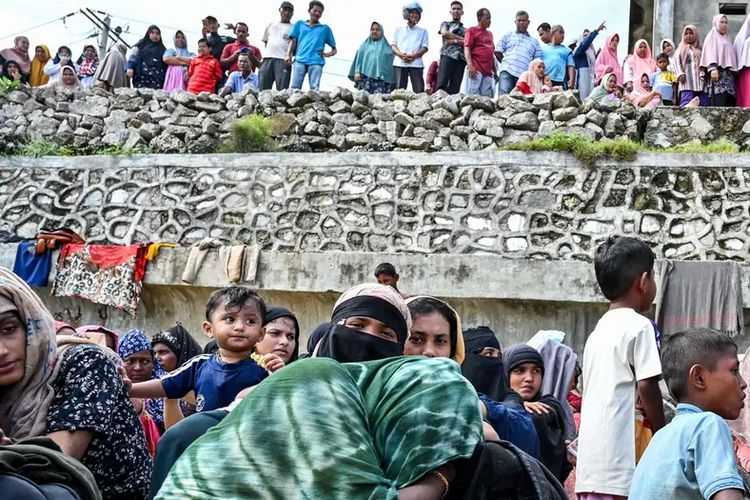
During his visit, he met senior government officials and more than 200 people from Rohingya and other communities living in camps in Cox’s Bazar. Many had fled Myanmar during the previous two years.
“The Mechanism is investigating allegations of very serious international crimes that are currently being committed in Rakhine State by perpetrators from different ethnicities, religions and political affiliations,” Koumjian said.
He added that Rohingya refugees had shared traumatic experiences that forced them to seek refuge in Bangladesh, describing their testimonies as crucial to the Mechanism’s investigations.
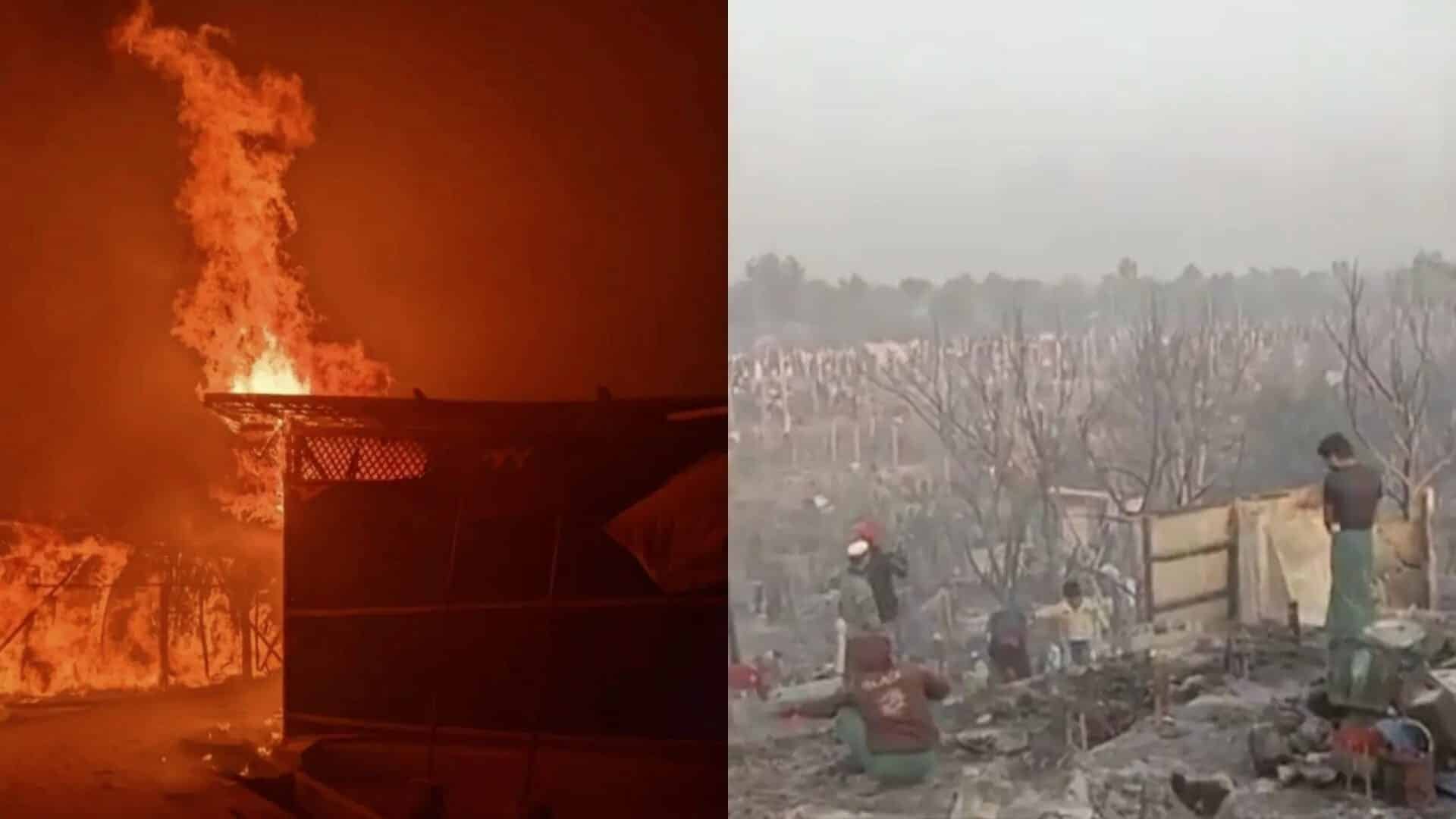
More than 154,000 Rohingya have arrived in Cox’s Bazar since early 2024, fleeing violence during the ongoing conflict between the Arakan Army and the Myanmar military. The number of displaced Rohingya in Bangladesh now exceeds 1.2 million.
Ending violence is key to safe returns
Koumjian said the situation in Rakhine State was a major concern for people he met during the visit.
“Ending the violence against civilians and pursuing justice for these crimes are critical steps to ensure that Rohingya communities can return home safely and sustainably,” he said.
He added that rebuilding could begin for all communities in Rakhine only after these conditions were met.
During the visit, Koumjian met Home Affairs Minister Salahuddin Ahmed, Disaster Management and Relief Minister Asadul Habib Dulu, State Minister for Foreign Affairs Humayun Kabir and Foreign Secretary Asad Alam Siam.
He also met Major General Mohammad Ashrafuzzaman Siddiqui, director general of Border Guard Bangladesh.
Koumjian thanked the Bangladeshi government for its continued cooperation with the Mechanism and for facilitating investigations into serious international crimes committed in Myanmar.
He also acknowledged support from the Refugee Relief and Repatriation Commissioner and the Camp-in-Charge offices in Cox’s Bazar.
The IIMM was established by the United Nations Human Rights Council in 2018 to collect and analyse evidence of serious international crimes and other violations of international law committed in Myanmar since 2011.
Its work includes preserving evidence for potential prosecutions in national, regional and international courts.
Rohingya rights group calls for investigation into alleged Arakan Army abuses
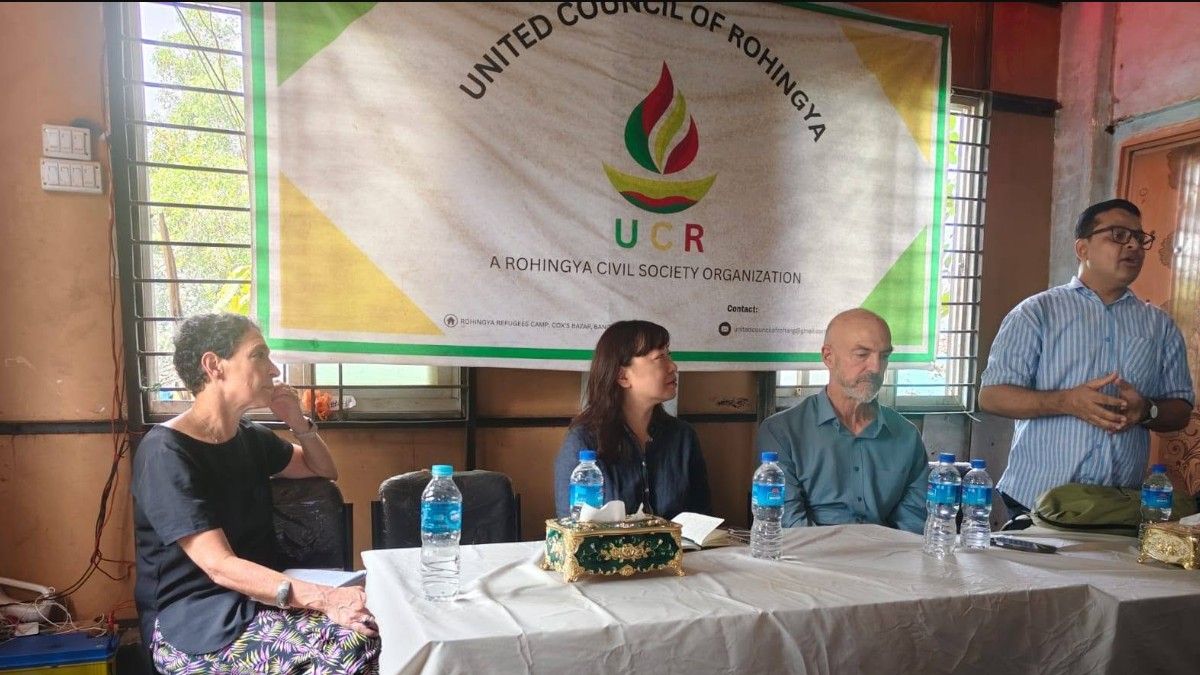
The United Council of Rohingya (UCR) has called on the IIMM to investigate alleged crimes against Rohingya civilians by the Arakan Army.
In a Facebook post, the organisation shared details of its meeting with Koumjian on 9 October. The meeting took place at the UCR office in Camp 1 West, Lambashia, in Cox’s Bazar, Bangladesh.
The group raised concerns about reported abuses and violence against Rohingya civilians in Rakhine State. It urged the Mechanism to investigate credible allegations of crimes against humanity and war crimes independently and impartially.
“All allegations must be investigated independently, impartially, and thoroughly, based on credible evidence,” UCR said.
The organisation added that individuals found responsible should be held accountable under international law, regardless of their identity or affiliation.
International legal proceedings focus on accountability
The meeting also addressed international accountability efforts, including proceedings at the International Criminal Court (ICC), The Gambia’s genocide case against Myanmar at the International Court of Justice (ICJ), and judicial proceedings in Argentina.
The ICC prosecutor has sought an arrest warrant for Myanmar military leader Min Aung Hlaing over alleged crimes against humanity involving the deportation and persecution of the Rohingya.
In February 2025, an Argentine federal court issued arrest warrants against 25 individuals over alleged genocide and crimes against humanity.
UCR said accountability was essential to enabling the safe, voluntary and dignified return of Rohingya refugees, with guarantees of citizenship, security and fundamental rights.
It reaffirmed its commitment to working with international mechanisms, stating: “Justice for every victim. Accountability for every perpetrator. Protection for every Rohingya.”
BHRN urges OIC to strengthen refugee protection
Separately, Kyaw Win, executive director of the Burma Human Rights Network (BHRN), in an opinion piece posted on Al Jazeera has called on the Organisation of Islamic Cooperation (OIC) to turn its pledges of solidarity with the Rohingya into practical action.
Kyaw Win said years of resolutions had failed to protect the minority.
He also said BHRN had documented massacres, village destruction and systematic persecution, while many Rohingya continued to face statelessness, violence and deprivation.
Ahead of the OIC foreign ministers’ meeting in Baghdad on 17 October, he urged the organisation’s 57 member states to reject forced returns to Myanmar, protect refugees arriving at their borders and maintain humanitarian assistance in Bangladesh.
He also called for diplomatic and economic measures against those responsible for persecution and urged the OIC to challenge abuses by governments outside its membership.
Rohingya refugees face uncertain conditions across Asia
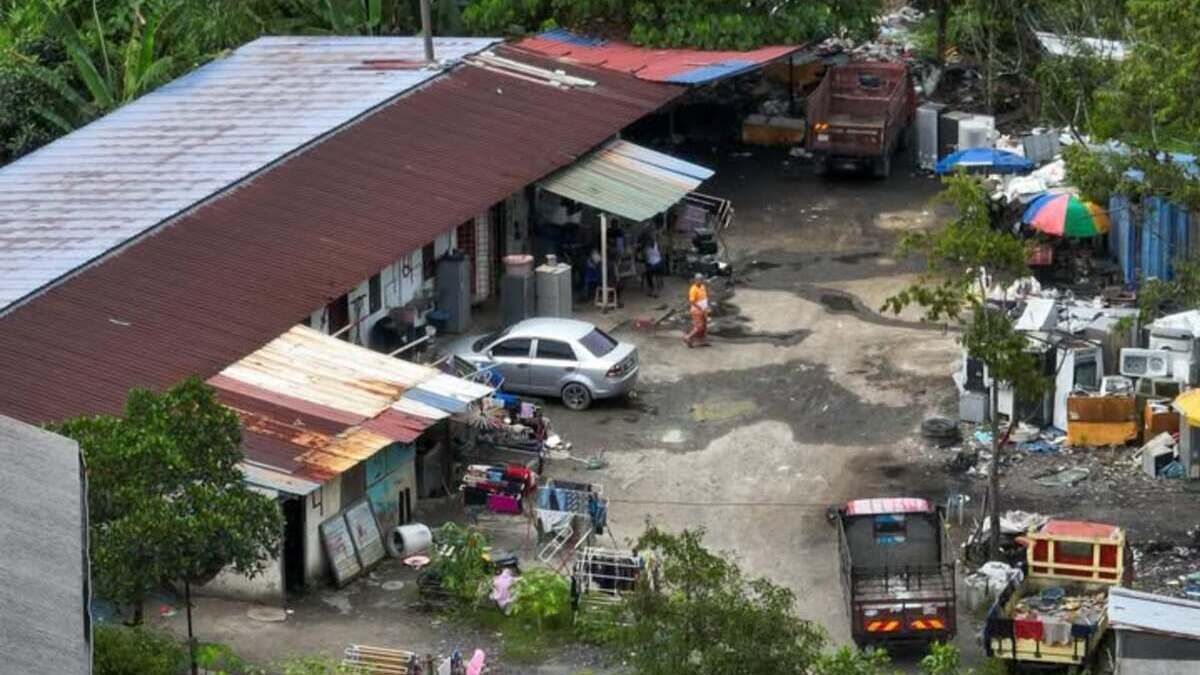
Beyond Bangladesh, Rohingya refugees live in Malaysia, India, Indonesia, Thailand and other countries, with smaller communities elsewhere.
Many lack citizenship, secure legal status or reliable access to employment, education and healthcare.
UNHCR recorded approximately 126,144 Rohingya among registered refugees and asylum-seekers from Myanmar in Malaysia in February 2026.
Without a national refugee protection framework, they face risks of detention and barriers to formal employment, education and public services.
Recent repatriations of Myanmar nationals have also raised concerns about the safety of those returned.
India hosted an estimated 22,700 Rohingya refugees and asylum-seekers at the end of 2025, according to UNHCR. Reports of detention and forced returns have raised concerns about their safety.
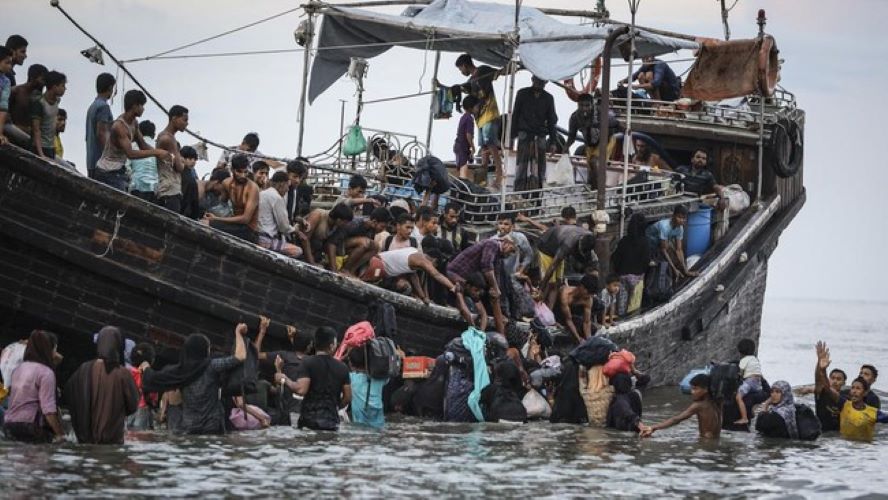
Indonesia recorded approximately 2,600 Rohingya at the end of 2025, many of whom arrived by boat in Aceh and other parts of north-western Sumatra.
They rely heavily on humanitarian assistance and face uncertainty over long-term settlement.
Thailand hosted approximately 500 Rohingya at the end of 2025, according to UNHCR.
The country also hosts other refugees from Myanmar, particularly near its border, whose circumstances and legal status differ from those of Rohingya refugees.