Rare footage shows isolated Amazon indigenous tribe asking for food in Brazil
Rare footage shows about 20 isolated Awá Indigenous people emerging from the Brazilian Amazon to ask a neighbouring Guajajara community for food. The encounter highlights threats from loggers, hunters and ranchers, and the response from Brazilian authorities.
- About 20 isolated Awá people approached a Guajajara village in Maranhão, Brazil, and asked for yams.
- Survival International says the encounter highlights pressure from loggers, hunters and ranchers on Indigenous territory.
- Funai has activated a contingency plan while maintaining a policy of non-contact.

Rare footage of an isolated Indigenous group asking for food in Brazil’s Amazon rainforest has been released by Survival International, a UK-based rights group.
The encounter took place on Monday, 16 November 2026, in Maranhão state in northeastern Brazil, between about 20 uncontacted Awá people and a neighbouring community.
The meeting began near a government access control post within the Arariboia Indigenous territory, which is home to the Guajajara ethnic group. Members of the Guajajara recorded the encounter on video.
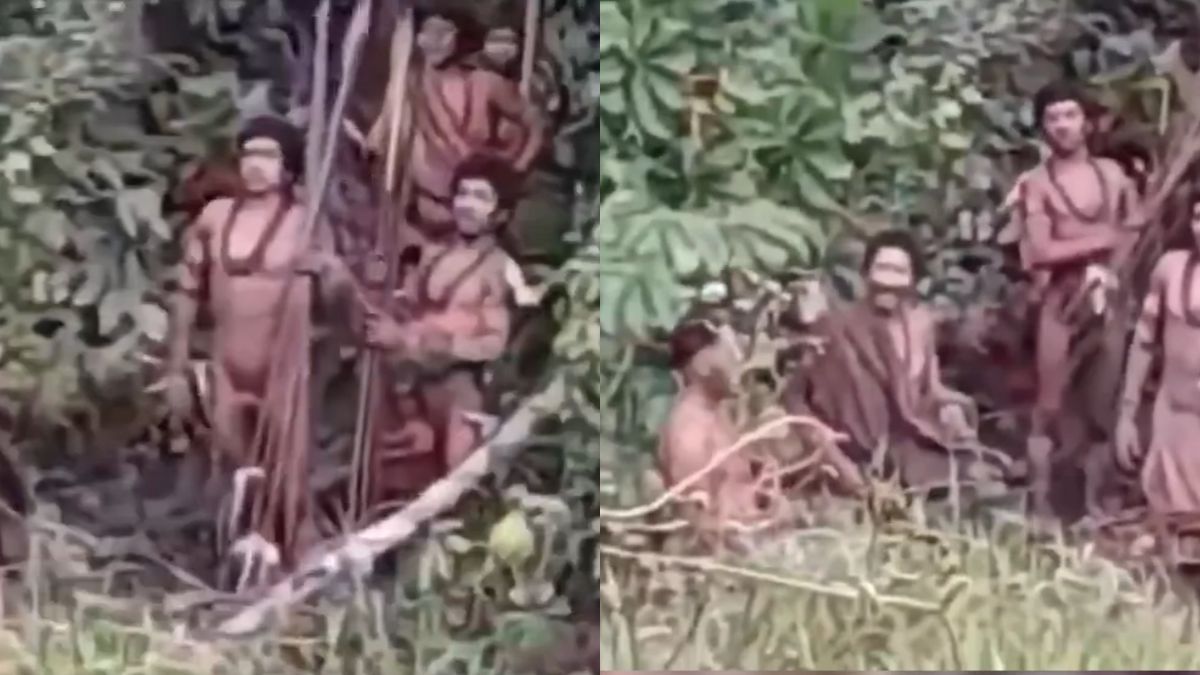
The footage shows men, women and children partially hidden by vegetation at the edge of the forest. They appear naked, wear necklaces and feathered headdresses, and the men carry bows and long arrows.
According to the Guajajara community, villagers at Tawari offered the visitors yams, which the group took back into the forest. Survival International said nothing similar had happened with the Awá in recent decades.
Survival International said the Awá apparently approached a government team, asked for yams and took them back into the forest. This account differs from the Guajajara community’s description of villagers making the offer.
Reasons behind the approach
The reason for the approach remains unclear. Survival International suggested the Awá may have asked for food because of growing pressure from outsiders entering their territory.
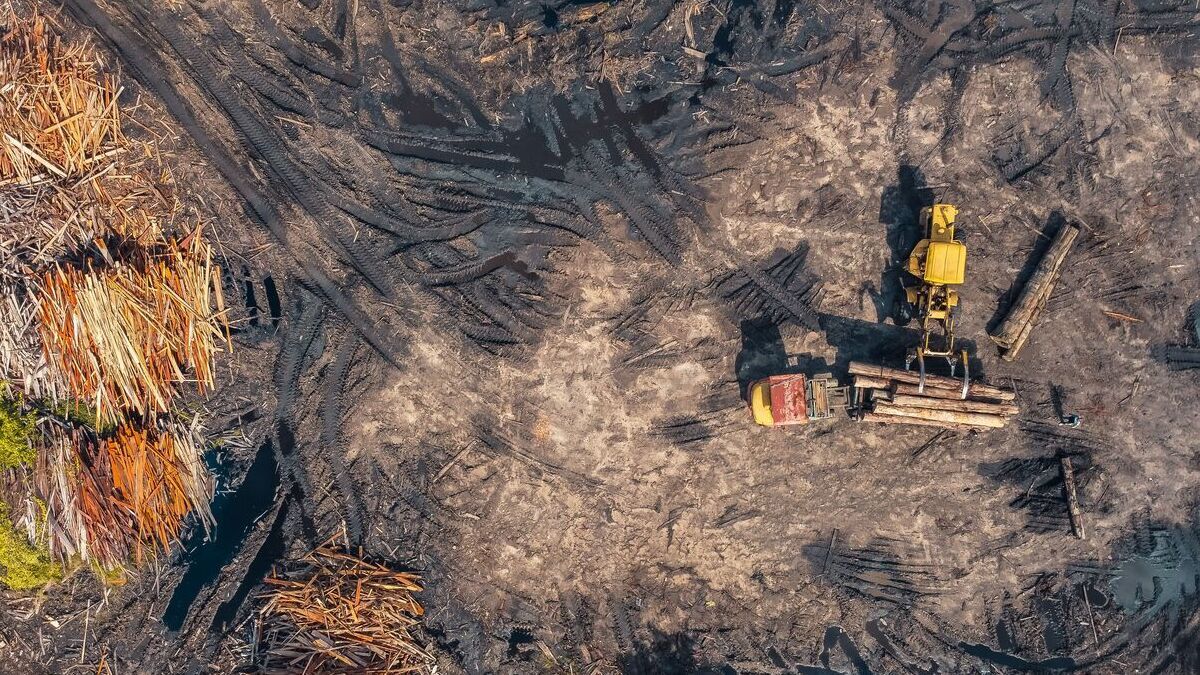
The Awá mostly live by hunting and gathering, but have faced increasing incursions from illegal loggers, hunters and cattle ranchers, the rights group said.
Leonardo Guajajara, a local leader, told UOL that hunters entering the territory had depleted wildlife. He believed the Awá had reached a state of desperation.
Health concerns and risks
COAPIMA, a Maranhão Indigenous people’s organisation, said on Tuesday, 17 November 2026, that unplanned contact could expose isolated people to diseases and other threats.
Villagers noted signs of severe emaciation among some members, particularly children and older people, and COAPIMA said this had caused concern.
Indigenous peoples living in isolation can be especially vulnerable to infectious illnesses, because they have had limited exposure to pathogens common in wider populations.
Official response
Fundação Nacional dos Povos Indígenas (Funai), Brazil’s indigenous affairs agency, said it was reviewing videos and social media accounts of the interaction.
Funai said it had activated a contingency plan for contact situations, focused on minimising health risks to the Indigenous people involved.
The agency said the Brazilian state is not seeking contact with the group. It said its policy remains one of non-contact and respect for the self-determination of isolated peoples.
Local Arariboia leaders have decided not to allow authorities or institutions to enter the reserve where the isolated people live.
UOL said it had also contacted the Ministry of Indigenous Peoples (MPI) and was awaiting a reply at the time of publication.
Pressure from intruders
Caroline Pearce, director of Survival International, said intruders were closing in from every direction, confining the Awá to a shrinking patch of forest.
Pearce added that the group’s decision to emerge was a troubling sign that continued invasion of uncontacted peoples’ forests endangers self-sufficient communities.
Sarah Shenker, head of Survival Brasil, described the encounter as a moment of crisis and a wake-up call. She urged Brazilian authorities to crack down on illegal intrusions into Awá territory.
Shenker said Guajajara forest guardians who have monitored the lands for years have faced violence, including killings of community members. She said responsibility for protection ultimately rests with the Brazilian government.
Shenker also said she would rather the Awá had stayed out of view, living undisturbed in their forest, if that meant they could live as they chose.
Wider threats to uncontacted peoples
Survival International has estimated that around 100 Awá remain uncontacted, although it cautioned that this figure is not necessarily a current population count.
The organisation counts 196 uncontacted Indigenous groups across ten countries. Of these, 124 are in Brazil, and close to 95 per cent sit within the Amazon.
The timing followed remarks by Pope Leo, who on Sunday, 15 November 2026, in Pucallpa, Peru, condemned the exploitation of the Amazon.
The Pope urged Catholics to oppose deforestation and pollution linked to gold and oil production. He also described the murders of Indigenous leaders who defended their territories as crimes that must be solved.
Survival International maintains that the Awá can only survive if intruders are kept out of their forest permanently. Funai says its priority is protecting the lives, health and autonomy of isolated Awá people.