Indonesia inspects four West Kalimantan forestry firms as dry-season fire risks rise across Borneo
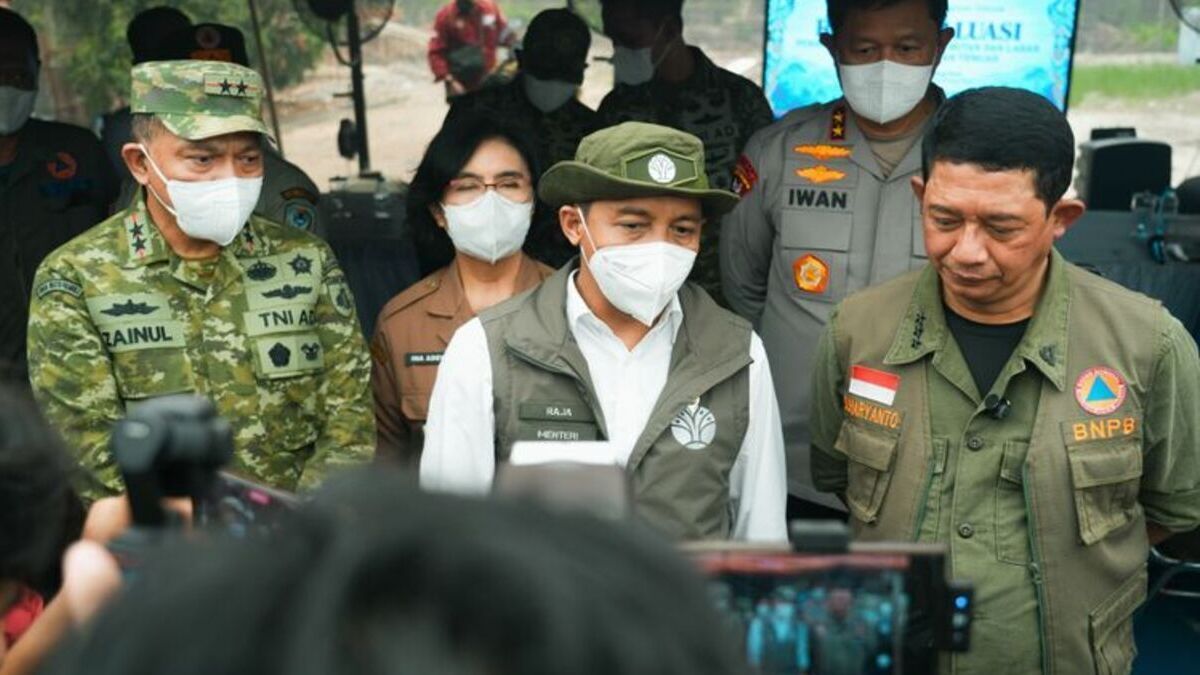
Indonesia’s Forestry Ministry inspected four West Kalimantan forestry companies from 10 to 14 August as authorities strengthen fire prevention before the dry-season peak.
- Four West Kalimantan forestry companies were inspected between 10 and 14 August.
- The ministry has not publicly reported individual violations or specific deficiencies after the inspections.
- Haze and fires are affecting Kalimantan while smoke from West Kalimantan moves towards Sarawak.

Four forestry companies in West Kalimantan have been inspected by Indonesia's Ministry of Forestry as authorities strengthen fire prevention measures ahead of the peak of the dry season and amid higher risks associated with El Niño.
The companies are PT Wanakerta Eka Lestari, PT Finantara Intiga, PT Mohairson Pawan Khatulistiwa and PT Wana Subur Persada.
The inspections were conducted from 10 to 14 August 2026 by the Forestry Law Enforcement Agency's Kalimantan office, together with the West Kalimantan Environmental and Forestry Agency and other forestry and fire-control agencies.
PT Wanakerta Eka Lestari
PT Wanakerta Eka Lestari's reported beneficial owner is Lioe Tha Nen, according to a study on beneficial ownership in Indonesia's pulp sector.
However, publicly available corporate and forestry records reviewed for this report do not state his nationality or place of origin.
The available records identify his role in the company's ownership structure, but do not establish whether he is an Indonesian citizen or a citizen of another country.
The company's latest public management summary lists a PBPH area of 27,250 hectares.
Its forest concession originated from a 2007 forestry ministry decree, while its current PBPH licence was issued in November 2021.
WEL describes its business as the sustainable management of plantation forests and the production of timber while maintaining environmental and social functions.
WEL's public documents state that fire prevention is part of its occupational safety and environmental policy and that it is committed to managing fire risks in accordance with Indonesian regulations.
During the August inspection, government officials checked the company's fire-control facilities, personnel and early-warning systems.
The inspection included fire lookout towers, canal blocks, reservoirs and other water sources, firefighting equipment and the company's fire-control team.
PT Finantara Intiga
PT Finantara Intiga is a forest plantation company whose management area covers Sanggau, Sekadau and Sintang regencies in West Kalimantan.
A company public summary describes Finantara Intiga as a producer of plantation timber.
Earlier company documentation gives its concession area as about 299,700 hectares, making it substantially larger than the other three companies inspected in the same operation.
Its stated objective is to establish and manage plantation forests under sustainable production, social and ecological principles and to supply raw material for wood-chip production.
The ministry's inspection examined Finantara Intiga's facilities, personnel and fire-control system, including its ability to detect and respond to potential fires.
PT Mohairson Pawan Khatulistiwa
PT Mohairson Pawan Khatulistiwa, commonly known as Mopakha, describes itself as a privately owned Indonesian forestry company focused on sustainable peatland management in Ketapang.
The company says it manages 36,973 hectares of natural forest and applies a multi-business forestry approach combining conservation, sustainable production and community development. Its concession is in northern Ketapang.
A 2025 document from the Ketapang administration also identifies Mopakha as a company involved in forest and peatland management.
Mopakha was among the companies inspected by the Forestry Ministry from 10 to 14 August.
Officials checked its fire-prevention infrastructure, water sources, firefighting equipment, personnel and early-warning and response arrangements.
PT Wana Subur Persada
PT Wana Subur Persada (WSP) operates in Ketapang and Sekadau regencies in West Kalimantan.
Government forestry data records its former IUPHHK-HTI concession at 42,735 hectares, while a 2025 certification document identifies it as a PBPH in production forest.
Corporate documentation identifies WSP as a private national company (PMDN).
It was established in 2009, with PT Bumi Madani Lestari holding 90 per cent of its shares and PT Mulia Generasi Perkasa holding 10 per cent in the corporate information contained in its development plan.
Its business covers forest plantations, including rubber and timber.
The company received its environmental feasibility approval in 2012 for a timber plantation operation in Hulu Sungai, Ketapang, and Nanga Mahap, Sekadau.
WSP was also inspected in August as part of the government's four-company operation, with officials checking its fire-prevention facilities, personnel and fire-control systems.
What the government found
The Forestry Ministry has not publicly reported individual violations or specific deficiencies at any of the four companies following the August inspections.
Instead, the ministry said the inspection assessed whether the companies' fire-control systems were actually ready for use.
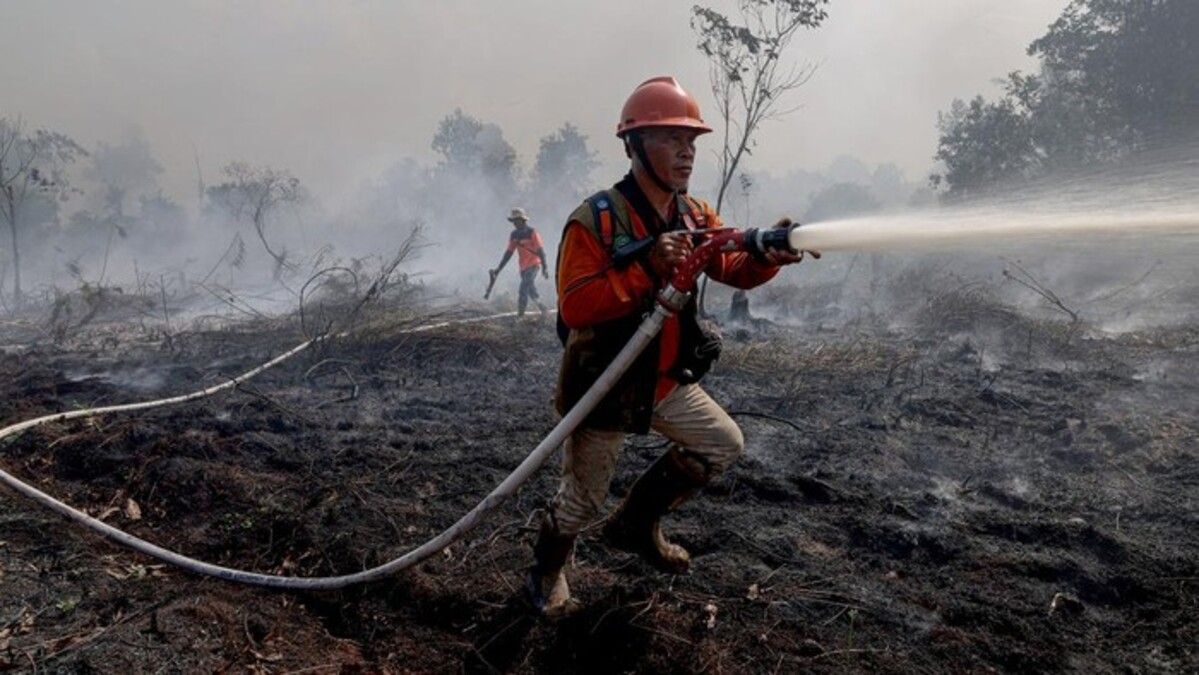
Officials examined lookout towers, canal blocks, reservoirs and water sources, firefighting equipment, fire-control teams, and early detection and response systems.
Leonardo Gultom, head of the Forestry Law Enforcement Agency for Kalimantan, said the assessment was not limited to checking whether facilities existed.
"What we tested was not only the existence of facilities, but whether the company's fire-control system actually works when needed."
The government said the inspections were intended to ensure that companies were prepared before fires occurred.
Background: fires and haze spread across Kalimantan
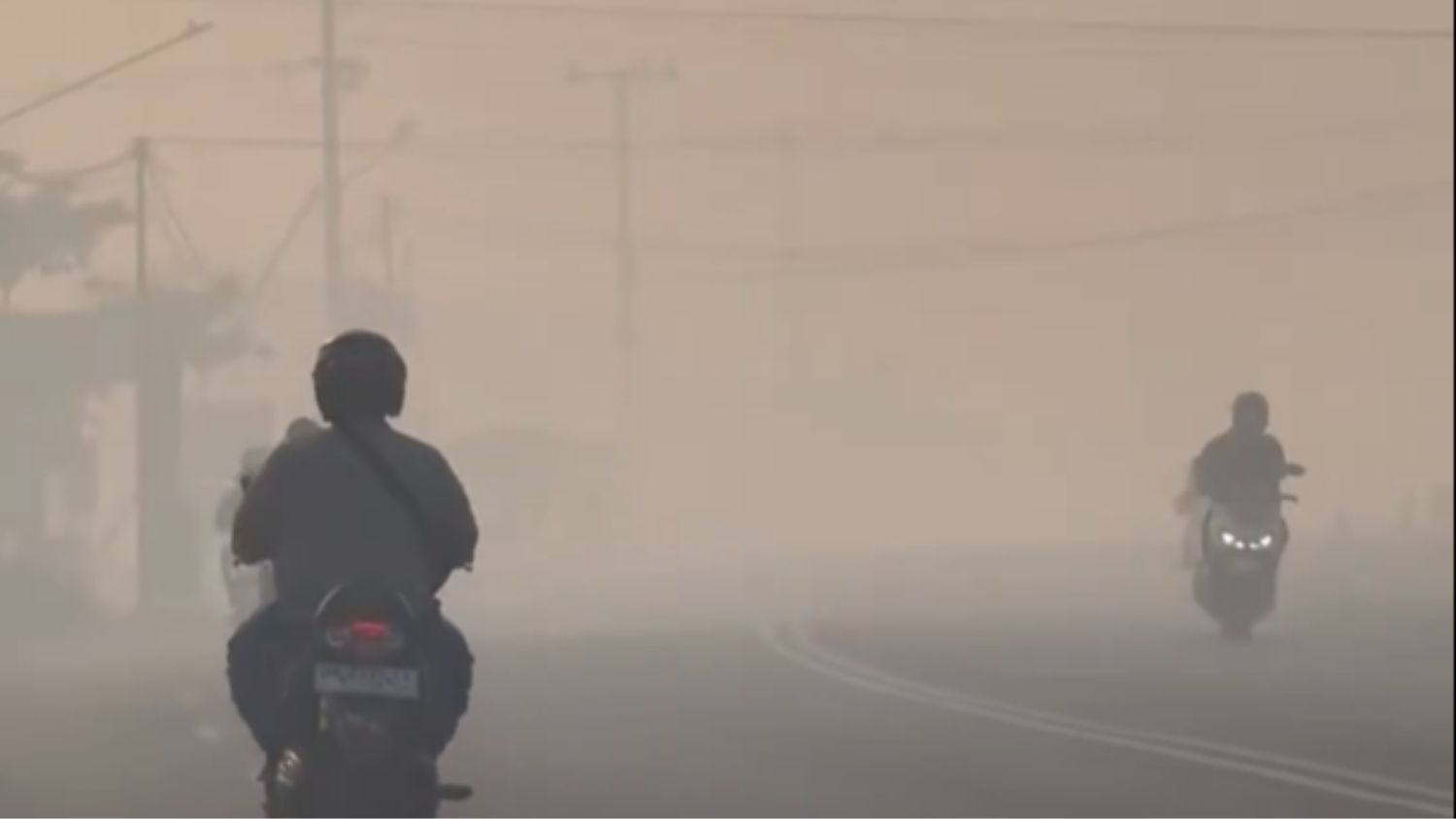
The corporate inspections come as forest and land fires have spread across several parts of Kalimantan.
In Banjarbaru, South Kalimantan, PM2.5 concentrations reached 389.4 micrograms per cubic metre on 19 August, while visibility in some areas fell to about three metres. Schools affected by the haze were instructed to delay their start time, and smoke disrupted flights at Syamsudin Noor International Airport.
In Central Kalimantan, Palangka Raya recorded 298 forest and land-fire incidents covering 261.41 hectares between 1 June and 19 August. Kotawaringin Barat recorded 189 incidents, 461 hotspots and 859.49 hectares of burned land by 18 August.
In Pontianak, West Kalimantan, the air-quality index reached 191, classified as unhealthy, on the morning of 20 August. BMKG also reported thousands of hotspots in West Kalimantan.
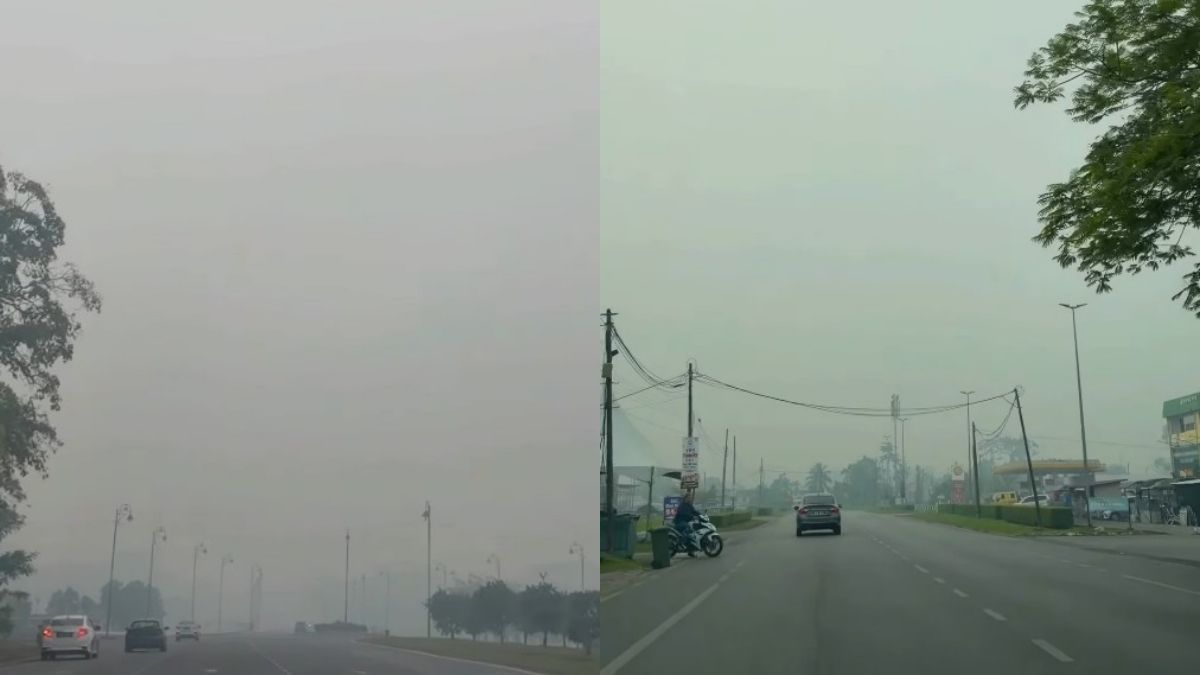
Smoke from West Kalimantan has been moving towards Sarawak, prompting monitoring in Malaysia. The regional Asean Specialised Meteorological Centre has also been tracking hotspot activity and smoke movement across Borneo.
The regional haze situation is relevant to Singapore, which monitors smoke and hotspot activity across Indonesia and neighbouring countries.
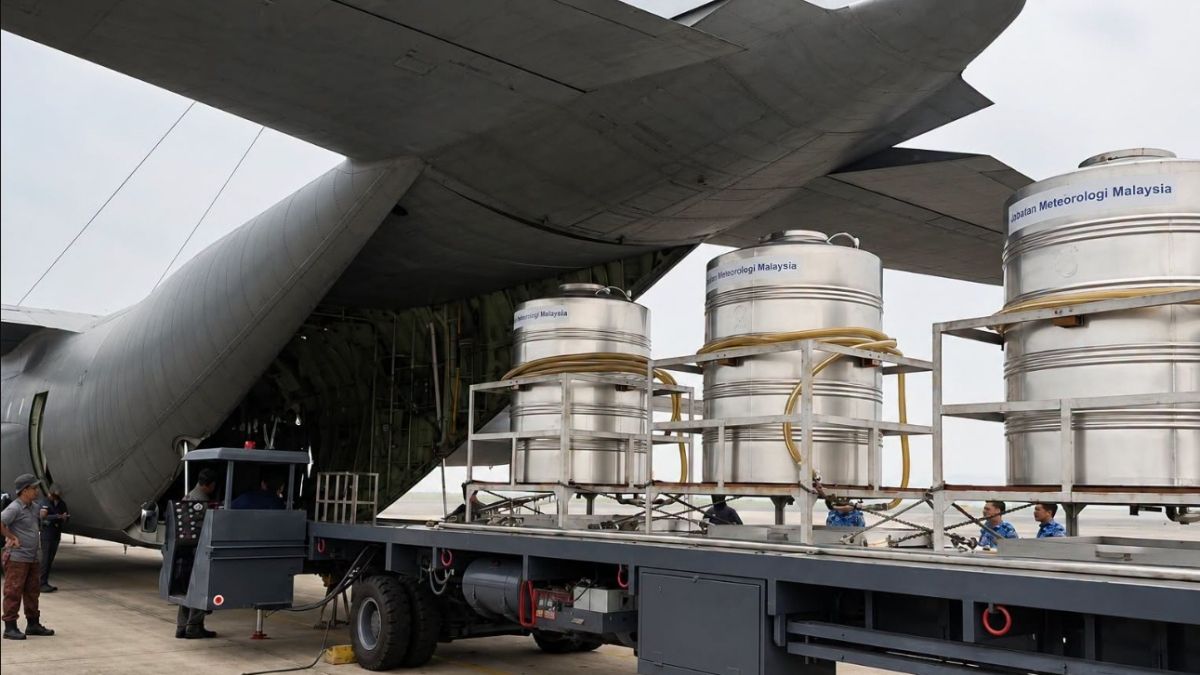
Indonesia has responded with expanded firefighting operations, including weather-modification efforts, water-bombing aircraft and increased monitoring of fire-prone areas.
The four West Kalimantan companies remain under scrutiny as the Forestry Ministry checks whether their fire-prevention systems, personnel and equipment are ready to operate during the peak of the dry season.