Iran and US conclude indirect Doha talks, agree to establish MoU violations channel
Iran and the US wrapped up indirect negotiations in Qatar on Wednesday, with mediators Qatar and Pakistan facilitating discussions on ceasefire implementation, frozen assets, and the Strait of Hormuz dispute.
- Iran and the US concluded indirect technical talks in Doha via Qatari and Pakistani mediators.
- An emergency communication channel will be set up to document MoU violations.
- Part of Iran's US$6 billion in frozen assets may be used to purchase goods.

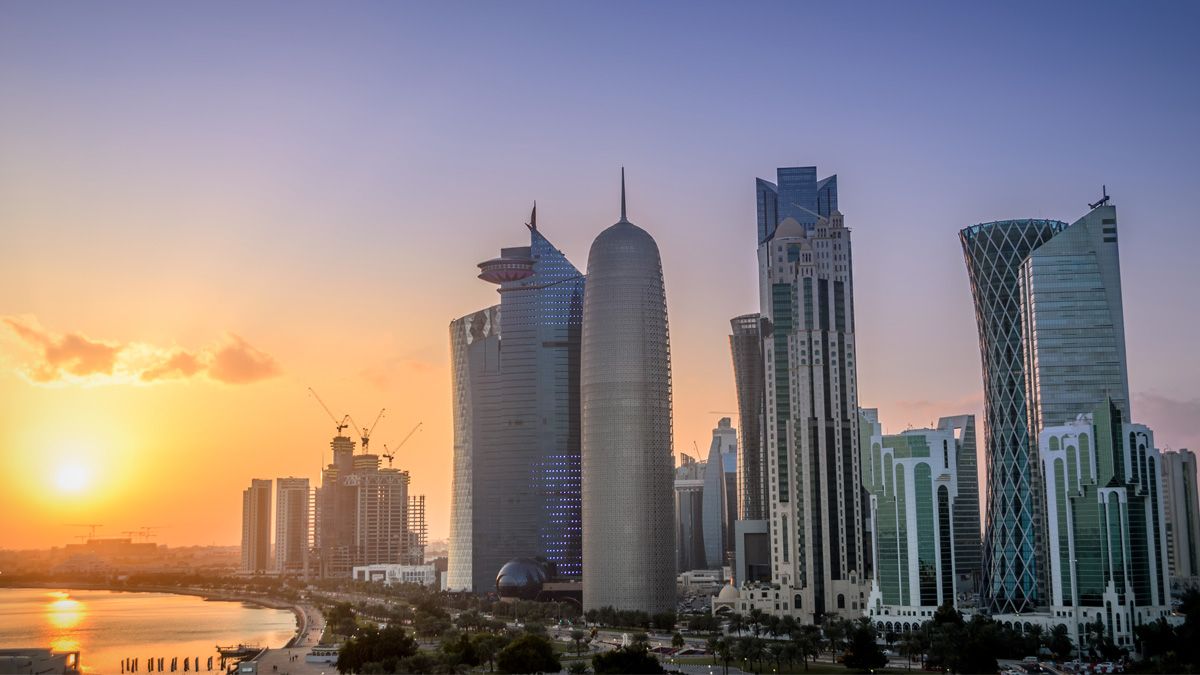
Iran and the United States wrapped up a round of indirect technical negotiations in Doha, Qatar, on Wednesday, as the two countries sought to advance the implementation of a memorandum of understanding (MoU) signed on 18 June to end hostilities in the region.
Iranian Deputy Foreign Minister for Legal and International Affairs Kazem Gharibabadi led the Iranian delegation, which included officials from the Foreign Ministry, Central Bank, and Agriculture Ministry. He confirmed that no direct meetings took place between Iranian and US negotiators, with all discussions conducted through Qatari and Pakistani mediators.
"The first meeting of the supervision group for the MoU's implementation was also held with the participation of senior negotiators from the three countries," Gharibabadi said.
The MoU, brokered by Qatar and Pakistan, includes a 60-day ceasefire, the reopening of the Strait of Hormuz to international shipping, and a framework for reaching a final agreement on Iran's nuclear programme and a permanent end to the war.
Violations raised by Iranian delegation
During the talks, Iran raised what it described as US violations of obligations under the MoU's Paragraph 1, which pertains to the end of the war in Lebanon. The Iranian delegation also flagged concerns over the reinforcement of US military equipment and forces in the West Asia region, as well as what it characterised as "threatening and interventionist" remarks by US officials.
One of the key outcomes of the concluded talks was an agreement to establish a monitoring group emergency communication channel by Thursday. Alleged violations of the MoU would thereafter be reported, discussed, and addressed in "an official and documented manner," Gharibabadi said.
The Iranian delegation stressed that the parties' obligations under the MoU constitute an integrated set and cannot be considered in isolation.
Frozen assets discussions
The concluded talks also covered Iran's frozen assets, valued at US$6 billion. Gharibabadi said discussions were held with Qatari officials, including central bank representatives, and that it was agreed Iran's stated needs would guide the purchase of required goods, which would then be delivered to the country.
"It was agreed that, based on the needs communicated by our country, the required goods would be purchased and made available to Iran," he said.
US officials disputed reports that a formal understanding on releasing the first tranche of the frozen funds had been reached, saying no funds had been released. A regional source said a sum of US$3 billion would not be transferred in cash, but that Iran's central bank could use it to purchase humanitarian goods, some of which may come from the US market.
US envoys in Doha
Alongside the Iranian team's meetings, a US delegation headed by special envoy Steve Witkoff and Trump adviser Jared Kushner held separate meetings with Qatari officials, including Emir Sheikh Tamim bin Hamad Al Thani, who reaffirmed Qatar's continued mediation role.
Qatari Ministry of Foreign Affairs spokesperson Majed Al-Ansari said the parties reported "positive progress" and agreed to continue discussions, with the next meeting to be scheduled following funeral processions for Iran's former Supreme Leader.
US Vice President JD Vance said the technical team had been engaged in discussions in Doha but stopped short of guarantees on avoiding a return to conflict. "I can't commit to anything, because, obviously, it depends on what the Iranians are ultimately going to do," he told reporters in Virginia.
President Donald Trump told reporters he was satisfied with how the concluded round of talks went. "As far as things are going, the denuclearisation of Iran is moving along well," he said. "We hit them very hard… but we're getting along very well."
Strait of Hormuz dispute remains unresolved
Despite the conclusion of this round of talks, a central dispute over the status of the Strait of Hormuz remains unresolved. Iran has insisted it holds joint sovereignty over the waterway alongside Oman, and has indicated it intends to charge passage fees once the 60-day MoU period expires.
The US maintains that the strait is an international waterway and that any new arrangements require endorsement from Gulf states, a position Secretary of State Marco Rubio discussed with counterparts from six Gulf countries in Bahrain last week.
US officials sought to persuade Iran to forgo toll collection in exchange for broader economic benefits under a comprehensive nuclear deal, including sanctions relief that could allow Iran to freely develop and sell its oil and other resources.
"The US message to Iran was 'Think bigger,'" a US official said, adding that the sums Iran could generate under a full deal "would be 100 times more valuable to them than using a gangster tactic to try and charge a toll."
The two sides had reached an informal understanding on Sunday to keep the strait calm for one week, providing a temporary reprieve after a series of Iranian attacks on commercial vessels. A US official confirmed Trump had been briefed on military options in response but was persuaded to allow negotiations to continue.
Oil prices fell roughly two percent on Wednesday to their lowest levels since February, as optimism over the Doha talks eased supply concerns.