Trump says he has cancelled attack on Iran pending rapid deal
President Donald Trump says he has agreed to cancel planned US strikes on Iran after Tehran and regional states requested a pause, as both sides work towards a deal to reopen the Strait of Hormuz.
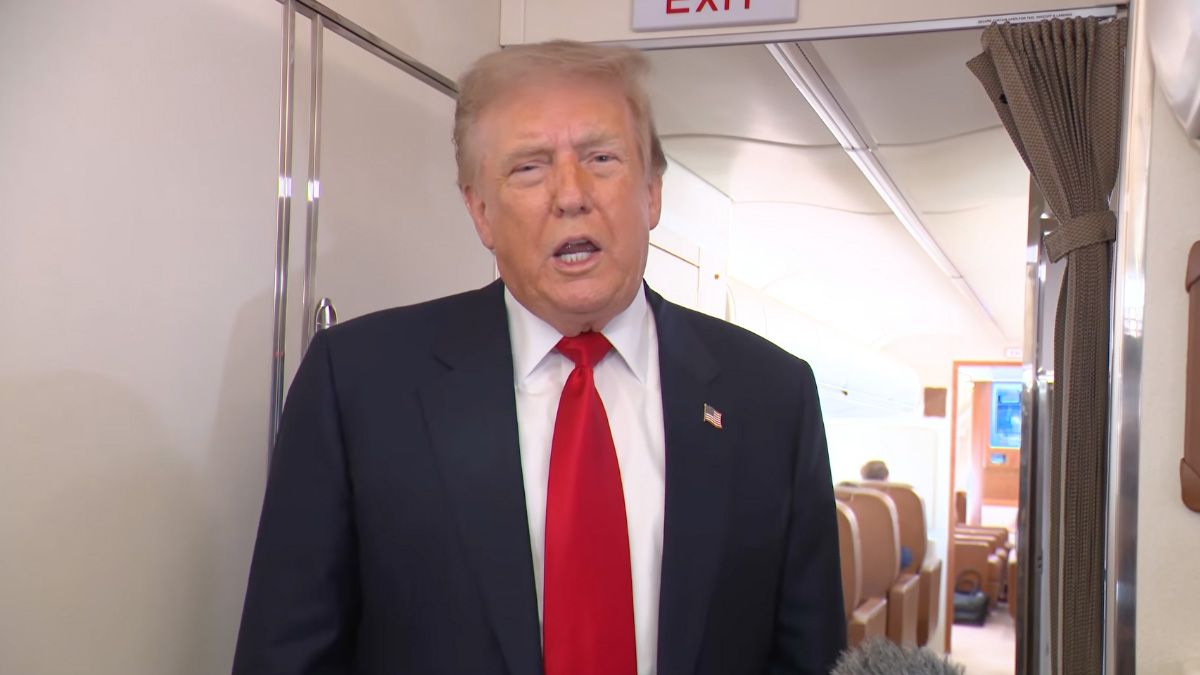
- Trump says he has cancelled planned Iran strikes pending a rapid deal
- Proposed deal would reopen Hormuz Strait, end Iran's nuclear programme
- Region remains volatile with tanker attacks, Lebanon strikes and cyberattack probe

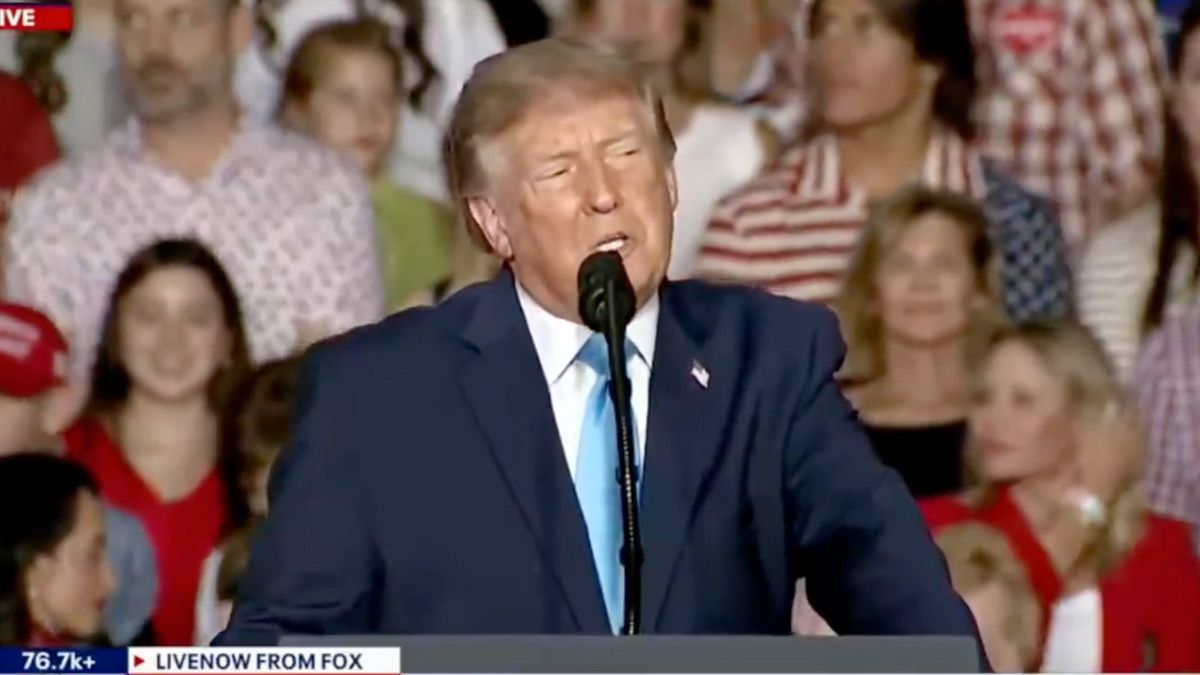
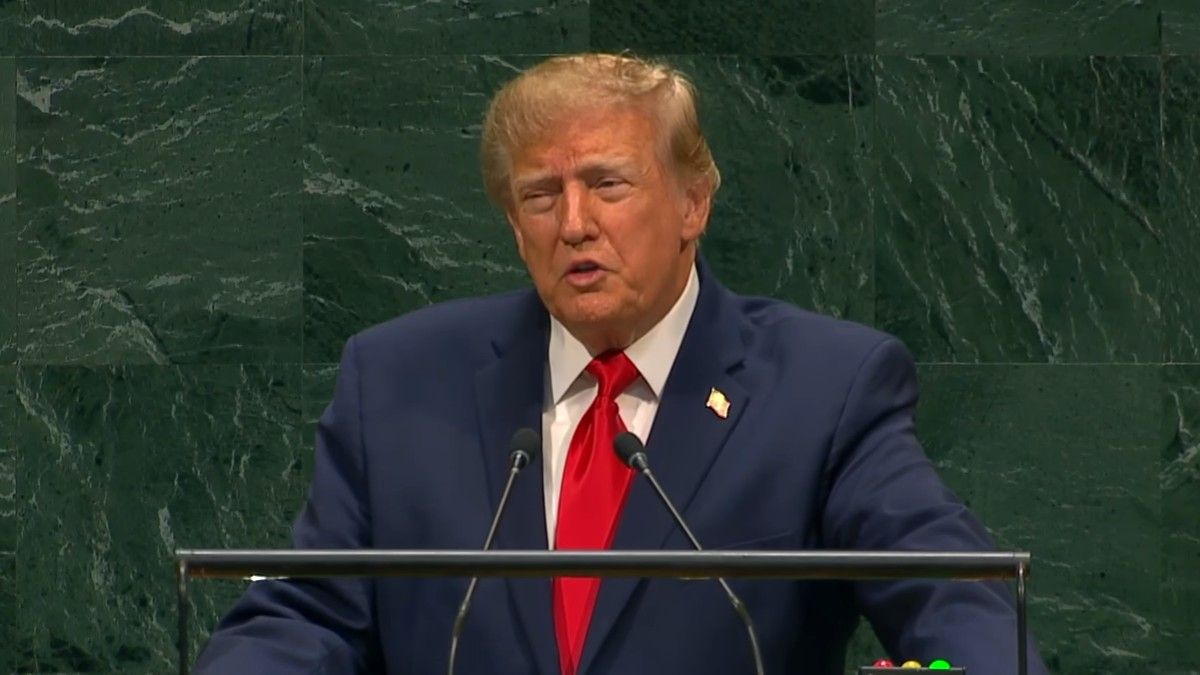
US President Donald Trump says he has agreed to cancel a planned attack on Iran after Tehran and other Middle Eastern states asked Washington to hold off while the outline of a deal is finalised.
Trump said on Truth Social that Iran and other regional states had asked the United States to pause any attack because the "perimeters of a deal" had been agreed. He said he would cancel the strike "subject to being able to rapidly make a deal".
The proposed agreement would include the immediate reopening of the Strait of Hormuz and an end to Iran's nuclear programme, Trump said. He added that Israel had joined the commitment to pursue a peace deal.

The announcement follows reports on Friday that the United States and Israel were preparing a heavy bombing campaign against Iranian energy infrastructure, with strikes possible as early as the weekend.
Deal terms and Saudi mediation
Saudi Crown Prince Mohammed bin Salman spoke with Trump on Saturday and urged him against launching fresh strikes on Iran, according to people familiar with the call. One source said the crown prince's intervention centred on concern over the choice of targets.
Iranian Foreign Minister Abbas Araghchi separately warned against any "adventurous action" by the United States, in calls with counterparts from Turkey, Pakistan and Saudi Arabia. He said any attack by Washington or Israel would be met with a proportionate response.

An unnamed Iranian official told the semi-official Tasnim News Agency that Tehran had prepared a comprehensive response covering both Israeli and regional US energy infrastructure, should strikes proceed.
Continued strikes and maritime attacks
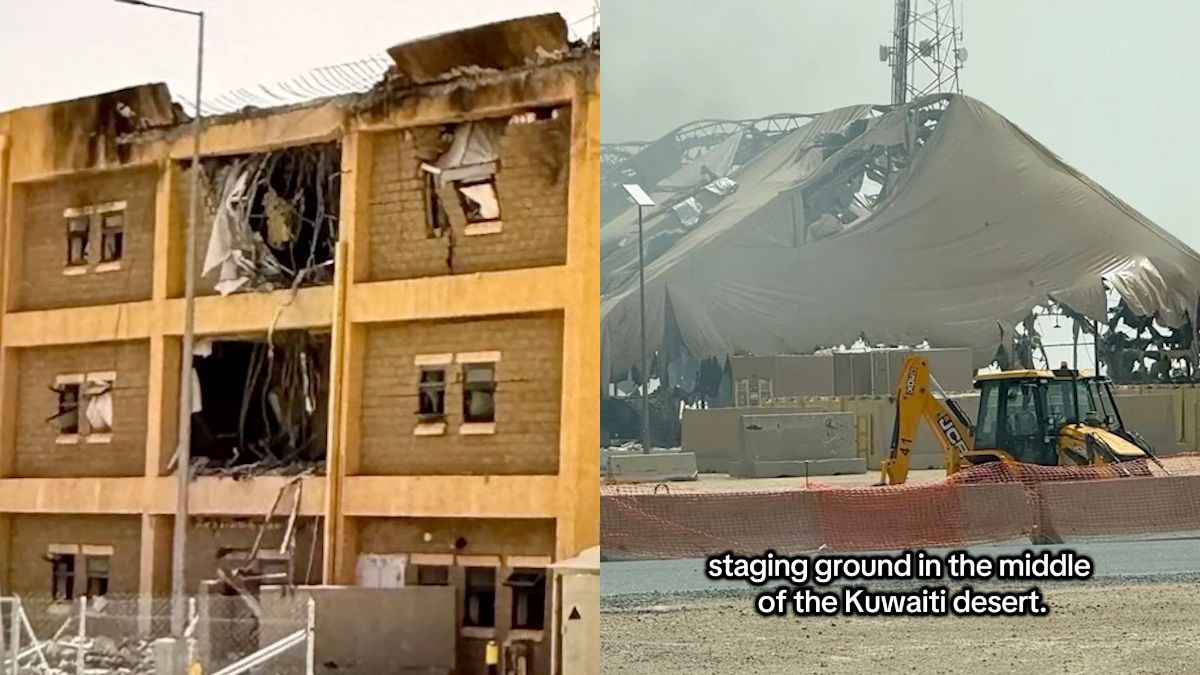
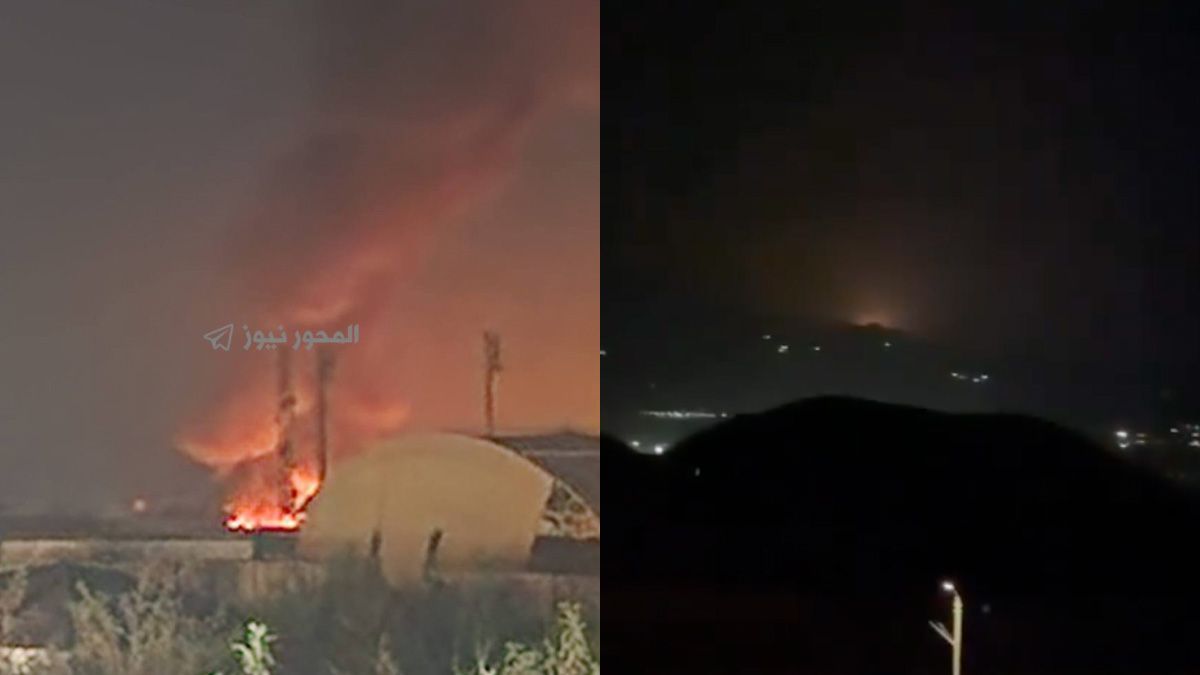
Despite the diplomatic overtures, hostilities continued across the region in the days before Trump's announcement. Kuwait's military said its air defences intercepted Iranian drone attacks early on Saturday, warning residents that explosions they heard were interceptions rather than impacts.
Britain's maritime trade agency reported that a tanker was struck by an unidentified projectile off the coast of Oman on Friday, damaging its engine room, with a further explosion reported near a second vessel on Saturday. No casualties were reported in either incident.
Iran has repeatedly targeted vessels attempting to transit the Strait of Hormuz without its authorisation since the conflict escalated. Satellite images reviewed separately showed oil leaking from a sanctioned tanker grounded near a marine protected area off Oman.
Yemen's Houthi movement denied on Saturday that it was seeking to impose tolls on shipping through the Bab al-Mandeb Strait, rejecting accusations levelled earlier in the week by Yemen's internationally recognised government.
Lebanon operations and UN concern
The Israeli military said it killed several Hezbollah fighters in southern Lebanon on Saturday during an operation in which an Israeli soldier was also injured, despite a ceasefire between the two sides.
The United Nations described continuing Israeli demolitions in southern Lebanon as "deeply concerning", citing damage to civilian infrastructure and cultural heritage. The statement followed large overnight detonations near a UNESCO-listed castle.
Israeli Prime Minister Benjamin Netanyahu and Defence Minister Israel Katz said the operation destroyed tunnels using approximately 700 tonnes of explosives. Lebanese President Joseph Aoun called the detonations "an extremely dangerous escalation".
Cyberattack investigation and economic fallout
US investigators are examining whether Iranian-linked hackers were behind malicious activity that affected water systems in at least seven states this week, including Minnesota, forcing some utilities to switch to manual operations. Officials cautioned that attribution had not been confirmed.
Trump said on Friday he did not believe Iran was responsible, instead suggesting Minnesota's state government was at fault. Iran has consistently denied involvement in cyberattacks against the United States.
Iraq and Turkey announced a one-year agreement on Saturday to continue oil flows through the Kirkuk-Ceyhan pipeline, offering exporters a route that circumvents the Strait of Hormuz, as regional states seek alternatives amid the ongoing conflict.
UN Secretary-General António Guterres warned on Friday that the war was "increasingly becoming a driver of global instability", citing disrupted energy markets, rising food and fertiliser prices, and strained supply chains.
US embassies in Amman, Jerusalem and Baghdad issued security alerts urging American citizens to consider leaving the region or prepare to do so in the event of further escalation.
The conflict began on 28 February, when the United States and Israel launched joint strikes against Iran, triggering sustained volatility in global oil markets that has persisted through the following months.