Donald Trump threatens to ‘annihilate’ Iran as he weighs new strike or peace deal
Donald Trump told the UN General Assembly he faces a “big decision” over whether to strike Iran again or pursue a deal, while defending US military power and outlining positions on Gaza, Ukraine, AI and global governance.
- Trump said he faces a choice between negotiating with Iran and renewed military action against Tehran.
- US and Iranian representatives held three hours of mediated discussions in New York.
- Trump also addressed Gaza, Ukraine, artificial intelligence, global governance and US military power.

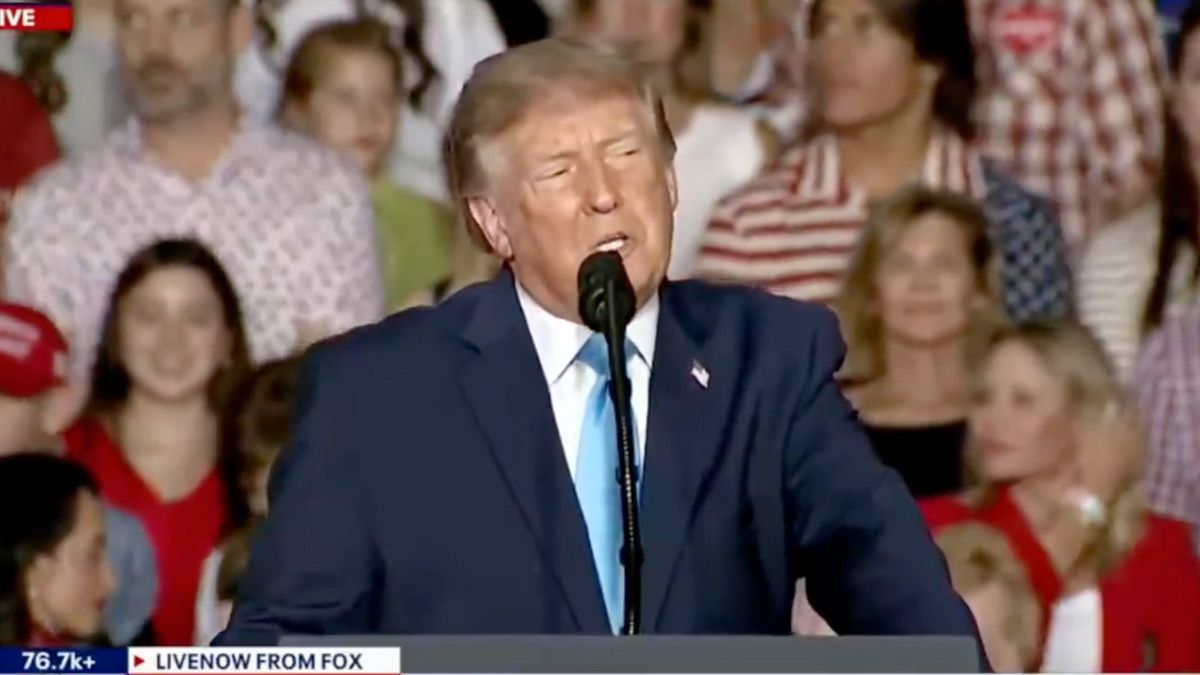
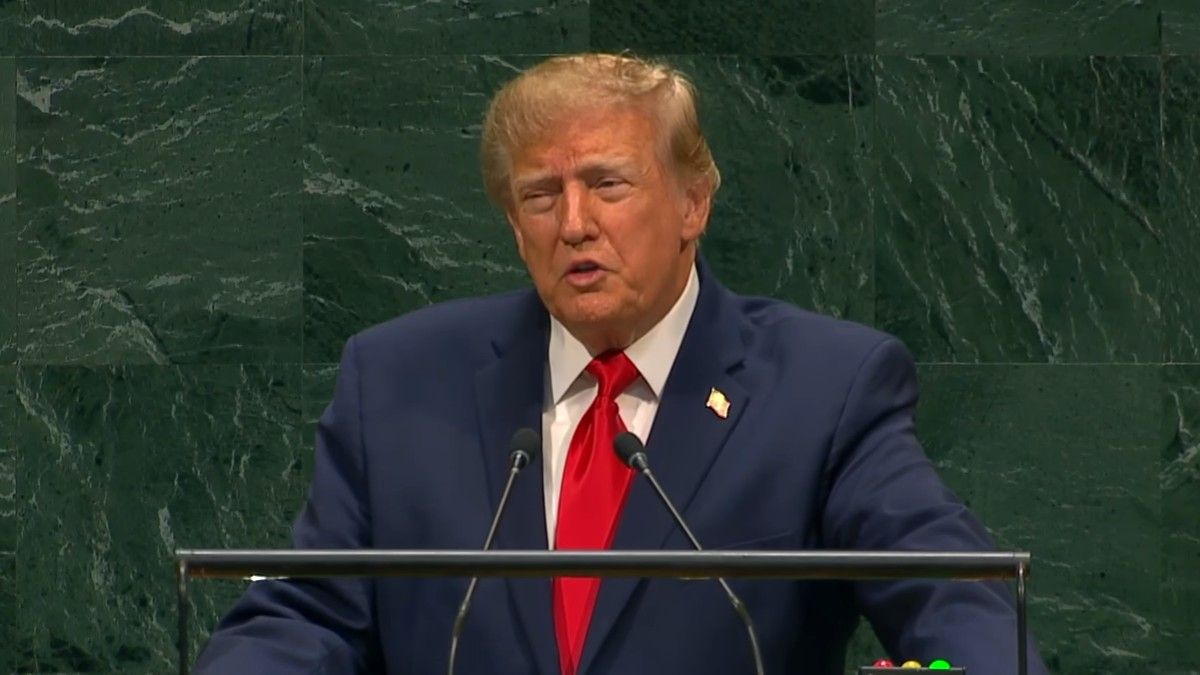
US President Donald Trump told the United Nations General Assembly on 22 September 2026 that he faces a “big decision” over whether to strike Iran again or pursue a peace deal.
A single member of Iran’s delegation watched during Trump’s speech in New York, where the US president said he could “annihilate” the Islamic Republic if the conflict remained unresolved.
Before a standing-room-only audience, Trump also rejected what he called “global government”, pledged to help end Russia’s war in Ukraine and said the United States would maintain its lead in artificial intelligence.
His address came during a day of high-level diplomacy, including talks between US and Iranian representatives, while Trump met more than a dozen world leaders as conflicts in the Middle East and Ukraine continued to shape his foreign policy agenda.
Trump began by highlighting his record on the economy, immigration, border security and violent crime.
His remarks also touched on issues expected to feature prominently in the US midterm elections in November.
Iran talks held in New York
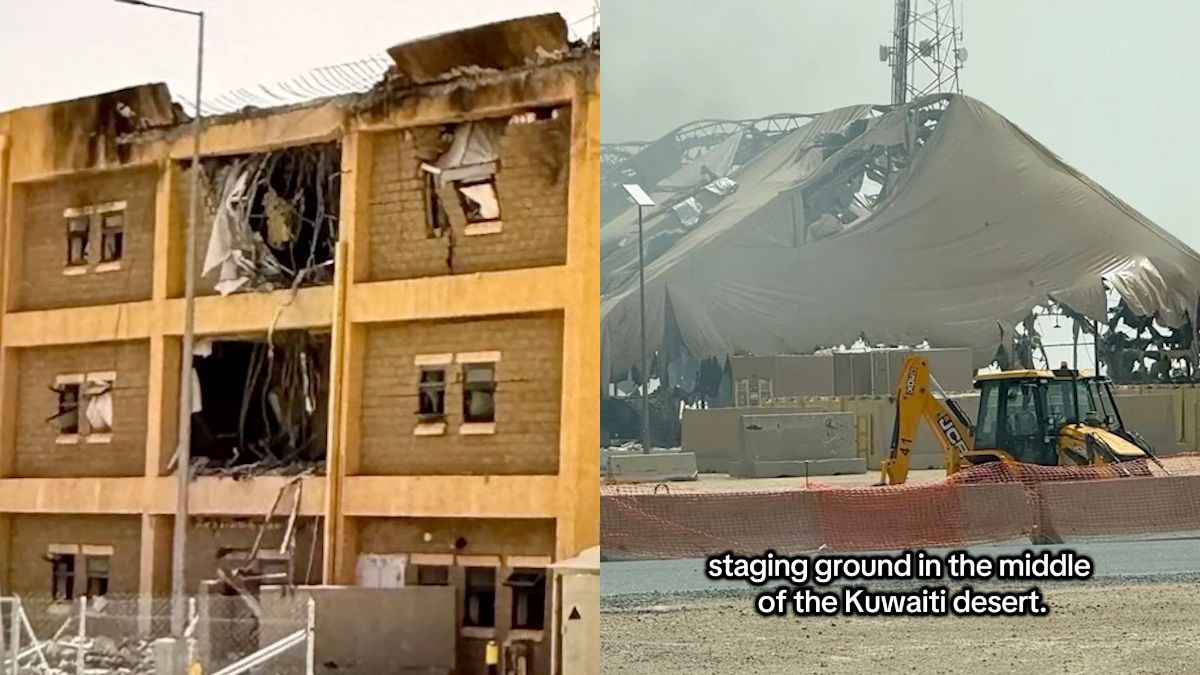
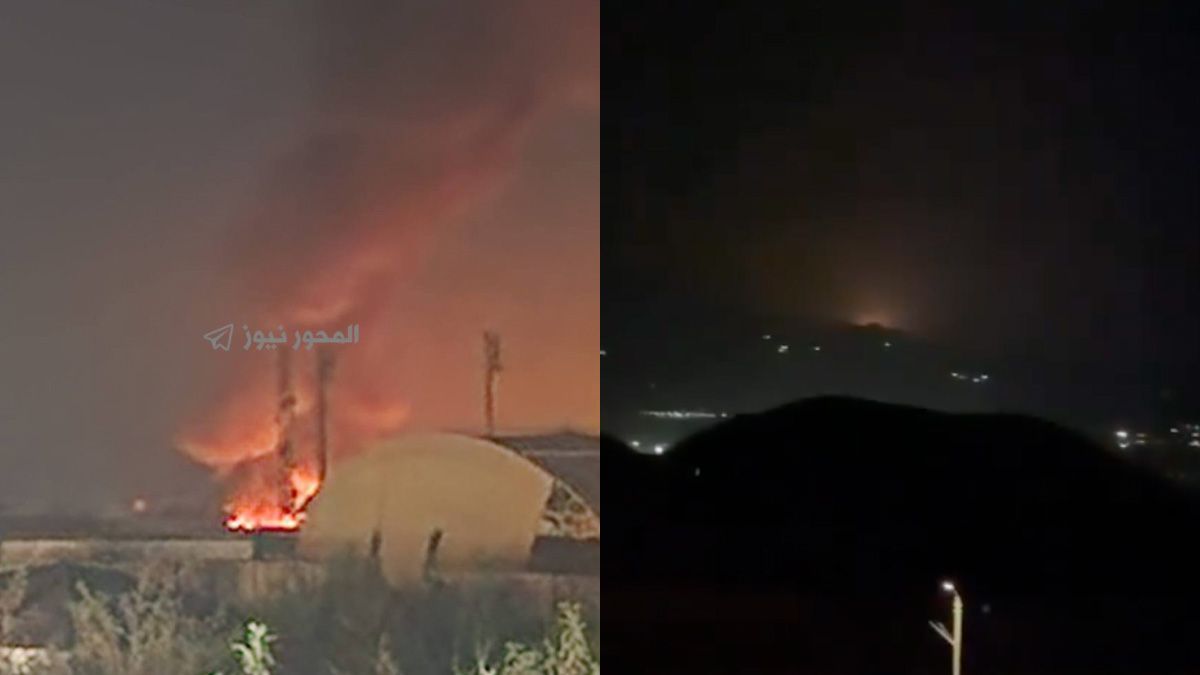
Trump spent much of his address defending the war with Iran, which has pushed global oil prices higher and affected his approval ratings since the United States and Israel launched military action in February.
He argued that the conflict had prevented Tehran from obtaining a nuclear weapon and demonstrated what he described as “peace through strength”, relying on ultimatums rather than compromise.
“Will a deal be made with Iran that lets them rebuild and create a far greater country than it ever was before?” Trump asked.
“Or do I annihilate the Islamic Republic and do it quickly, never giving them a chance to kill and destroy people and countries again? Do I drive them into hell?”
Trump said he believed an agreement with Iran, which has so far eluded his administration, would come after November’s elections.
Later, he told reporters that American officials had held a “very productive” three-hour meeting with the Iranian delegation on the sidelines of the General Assembly.
Iran’s state television confirmed that Foreign Minister Abbas Araghchi met US Special Envoy to the Middle East Steve Witkoff.
Iranian Foreign Ministry spokesman Esmail Baghaei, quoted by state broadcaster IRNA, said negotiations took place through a Qatari mediator. Tehran’s conditions included an end to the war on all fronts and an end to what it described as US “acts of aggression”.
The BBC asked Witkoff about the discussions as he left the UN building. He responded with a thumbs up.
Witkoff later said on X that the talks had taken place “through the mediators, who shuttled between the two sides throughout the day”.
“They successfully completed a round of discussions that we hope will prove constructive and promising,” Witkoff said. “The mediators will continue their work.”
Ukraine and artificial intelligence
Trump again predicted that his diplomacy would end Russia’s war in Ukraine, despite continuing missile and drone strikes by both sides deep inside each other’s territory.
“We’re working very closely with the leaders of Russia and Ukraine, and we will get that one done,” he said. “It’s going to happen, I think, more quickly than people understand.”
US Secretary of State Marco Rubio is due to meet Russian Foreign Minister Sergei Lavrov in New York on 23 September, according to the State Department.
Trump also addressed concerns surrounding artificial intelligence, saying the United States would not surrender its lead to China because of what he described as alarmism or a “globalist scheme” to control the technology.
He argued that artificial intelligence should instead be called “super intelligence”.
“The use of the word artificial makes it sound fake,” Trump said. “It’s not fake, it’s actually amazing. But we have to be careful.”
Gaza peace plan and stabilisation force
Trump also used his speech to highlight his 20-point Gaza peace plan and the Board of Peace, which he said would oversee reconstruction in the territory.
He thanked Gulf countries for providing financial and diplomatic backing for the plan and said nearly 30 countries had joined the Board of Peace, which he is due to chair.
Trump also thanked the United Nations Security Council for what he described as its unanimous endorsement of the plan and the board.
“One year ago, when I addressed the great leaders in this hall, the war in Gaza was still raging brutally,” Trump said.
“The hostages were still deep in Hamas tunnels, and there was no end in sight.”
Trump said that meetings with Arab and Muslim-majority leaders on the sidelines of the General Assembly had secured support for his plan.
“A few weeks later, we ended the war in Gaza, saving untold thousands of lives,” he said, adding that all remaining hostages, “both living and dead”, had been brought home.
The plan has struggled to advance amid disagreements over disarmament. Hamas accepted the proposal on 30 July, while Israel has subsequently maintained that the initiative was insufficient.
Trump said Morocco, Bahrain, Qatar, Kuwait, Kazakhstan, Saudi Arabia, Turkey and Uzbekistan had agreed to contribute billions of dollars towards Gaza’s reconstruction. The vast majority of those funds, however, had not been transferred.
He also thanked Indonesia, Morocco, Albania, Kosovo and Kazakhstan for agreeing to contribute personnel to the proposed International Stabilization Force, which would help secure Gaza and phase out the Israeli military presence.
Trump named Indonesia among countries committed to sending troops, police personnel and training support, alongside Egypt and Jordan.
Indonesia had committed up to 8,000 personnel for the proposed mission, according to President Prabowo Subianto’s announcement at the inaugural Board of Peace meeting in Washington in February.
Indonesia later suspended the planned deployment indefinitely amid escalating conflict in the Middle East. Its Foreign Ministry also said discussions concerning the Board of Peace had been suspended.
No foreign troops are currently stationed in Gaza, while Israel has also blocked such a deployment. There is no stated timeline for the International Stabilization Force to begin training.
Trump said Egypt and Jordan would help train a new Palestinian police force for Gaza. That process has been delayed because Israel has refused to allow recruits to leave the territory for training in Egypt.
Greenland and regional diplomacy
On the sidelines of the General Assembly, Trump signed an agreement with the leaders of Denmark and Greenland to increase the US military presence on the North Atlantic island.
The agreement reaffirms Greenland’s sovereignty as an autonomous territory of Denmark while granting the United States broad access to its airspace and territory.
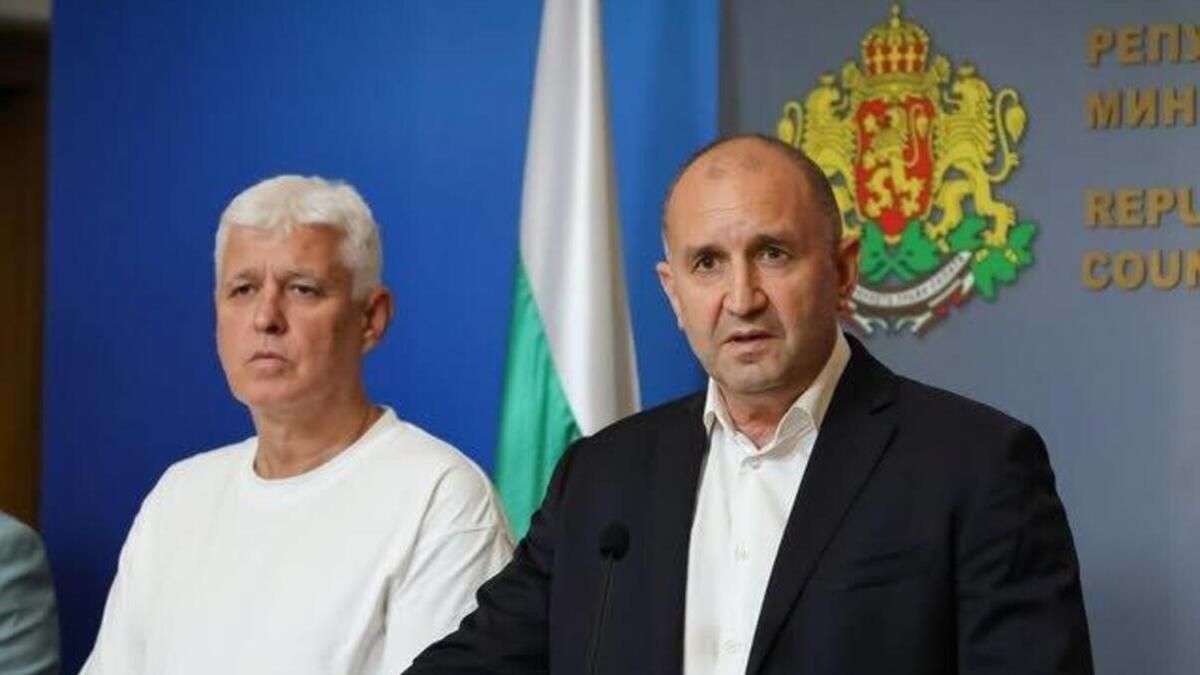
Trump also met Ukrainian President Volodymyr Zelensky, British Prime Minister Andy Burnham, South Korean President Lee Jae Myung and leaders from Saudi Arabia, the United Arab Emirates, Qatar, Kuwait, Bahrain and Oman.
A meeting involving Arab and Islamic leaders discussed regional developments, the Middle East and ways to consolidate security and stability, according to the UAE’s foreign minister.
UN divisions and US sovereignty
Earlier, UN Secretary-General António Guterres delivered his farewell speech, warning that geopolitical rivalries, wars, climate change and artificial intelligence were widening divisions.
“The fault lines in our world are widening,” Guterres said, urging unnamed superpowers to recognise “that their power isn’t so super”.
Trump took a different position, criticising international institutions and accusing the UN of pursuing what he called a “far-left agenda of globalist bureaucrats who nobody ever elected”.
“There is no global government,” he said.
He emphasised national sovereignty and what he described as “unmatched” American military power, warning that the United States would act against threats in the Western hemisphere.
“If necessary, we will use our unmatched military might to secure the vital national interests of the United States,” Trump said.