Nearly 90 million displaced people face severe climate risks, UNHCR warns ahead of COP31
Nearly 90 million forcibly displaced people live in countries highly exposed to climate hazards, UNHCR warns, urging governments to include refugees in climate adaptation plans and funding ahead of COP31.
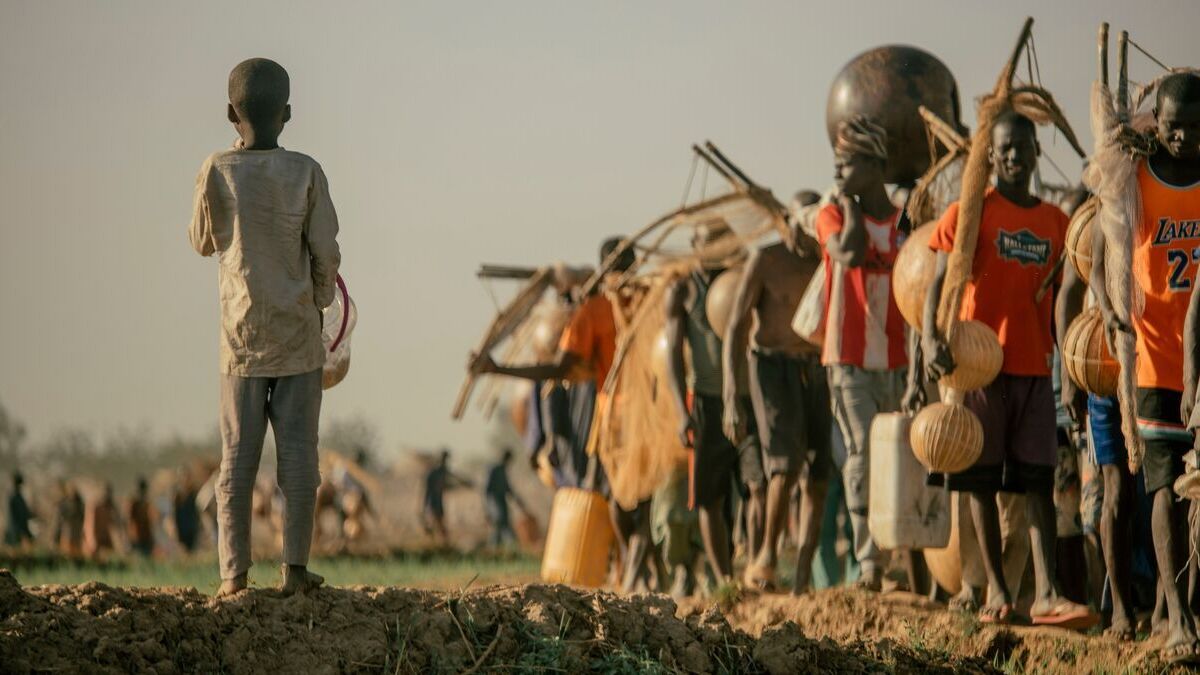
- Nearly 90 million displaced people live in countries highly or severely exposed to climate-related hazards.
- Only around 10 per cent of global climate finance reaches fragile and conflict-affected countries.
- UNHCR is urging governments to include displaced populations in climate adaptation plans and funding arrangements at COP31.

Nearly 90 million refugees and other forcibly displaced people are living in countries severely exposed to climate-related hazards, including droughts, floods and extreme heat, the United Nations refugee agency has warned ahead of the COP31 climate conference in Türkiye.
In a statement released on 6 November, the UN High Commissioner for Refugees (UNHCR) said around three-quarters of the world’s displaced population lived in countries facing high or severe exposure to climate risks.
The agency said people forced to flee conflict, violence and persecution were increasingly facing additional threats in their places of refuge, while climate-related disasters were making it harder for them to rebuild their lives or return home safely.
“Refugees face a double injustice,” said Anton Leis Garcia, UNHCR’s Assistant High Commissioner for Operations.
“Forced to flee conflicts they did not cause, they are now on the frontlines of a climate crisis they have contributed least to.”
UNHCR called on governments and climate finance institutions to include refugees and other displaced populations in national climate plans and funding arrangements when they meet at the 31st UN Climate Change Conference (COP31) in Antalya, Türkiye, from 9 to 20 November.
Climate hazards threaten people already displaced
The report highlights the overlap between forced displacement and exposure to climate-related hazards. People who have fled conflict often find themselves in areas affected by severe drought, flooding and extreme heat, with limited access to the resources needed to prepare for or recover from disasters.
UNHCR said climate change was increasingly threatening the prospects of lasting solutions for displaced people, including those seeking to return to their countries or communities of origin.
More than two-thirds of refugees who returned home during the first half of 2026 went back to countries highly vulnerable to climate hazards, according to the agency.
The findings highlight the difficulties facing people who return after years of displacement, particularly where water shortages, unreliable rainfall and extreme weather affect housing, agriculture and basic services.
The agency said climate adaptation in fragile and displacement-affected areas was essential to protecting people and supporting recovery.
Syria faces water shortages and flooding after returns
Syria was among the countries highlighted in the report.
Nearly four million displaced people have recently returned to the country, but declining groundwater levels and climate-related shocks are threatening recovery, UNHCR said.
Flooding along the Euphrates River in May damaged homes and displaced thousands of people again.
The situation illustrates the challenges facing returnees in areas where communities are attempting to rebuild after years of conflict while also dealing with environmental pressures.
UNHCR said climate-related risks could undermine the sustainability of returns if people lacked access to water, shelter and livelihoods.
The agency has repeatedly stressed that returns must be voluntary, safe and dignified. Climate vulnerability adds another consideration for governments and humanitarian organisations supporting people who return to their homes.
Extreme heat threatens refugee settlements in Africa
Extreme heat is also becoming a growing concern for displaced populations, particularly those living in refugee settlements with limited access to cooling, reliable electricity and safe water.
UNHCR warned that by 2050, one in three refugee settlements across sub-Saharan Africa could experience at least 100 days of dangerous heat each year.
Some settlements could face substantially longer periods of extreme heat, increasing the risks of heat-related illness and death.
The agency said displaced people often have limited options for protecting themselves from high temperatures. Overcrowded shelters, inadequate infrastructure and restricted access to water can increase their exposure.
Heat can also affect livelihoods, particularly for people who depend on outdoor work or agriculture.
Weather-related disasters cause 255 million internal displacements
The report also highlighted the scale of displacement caused by weather-related disasters.
More than 255 million internal displacements were recorded worldwide over the past decade as a result of weather-related events, including floods and droughts, according to UNHCR.
That represents an average of around 70,000 displacements each day.
Internal displacement refers to people forced to leave their homes but who remain within their own countries. The figure counts displacement movements and does not necessarily represent the number of distinct individuals, as one person may be displaced more than once.
UNHCR said the effects of climate change were increasingly intersecting with existing vulnerabilities, including conflict, poverty and limited access to essential services.
The agency also warned that the exceptionally strong El Niño expected this year could worsen climate-related risks and lead to further displacement.
In East Africa, forecasts indicated that severe flooding associated with the weather phenomenon could displace up to three million people in Somalia, Kenya, South Sudan and Uganda by the end of 2026.
The projection covers potential displacement across the four countries and is dependent on the development and effects of the weather pattern.
Only 10 per cent of climate finance reaches fragile countries
UNHCR said only around 10 per cent of global climate finance reached fragile and conflict-affected countries that host large populations of people exposed to climate risks.
The agency said this funding gap left displaced people and host communities with limited resources to prepare for extreme weather, strengthen infrastructure and recover from climate-related disasters.
Climate finance is funding provided through public, private and international channels to support measures addressing climate change, including adaptation, mitigation and resilience.
UNHCR is calling for climate funding to reach communities affected by displacement, rather than being concentrated in countries and areas with greater institutional and financial capacity.
The agency also wants refugees and other displaced people to be included in national adaptation plans and climate financing mechanisms.
Garcia said climate change was already damaging shelters, undermining livelihoods and threatening the ability of displaced people to rebuild their lives.
“We cannot allow those who have already lost so much to be left behind in global climate action,” he said.
UNHCR to raise displacement at COP31
COP31 will take place in Antalya, Türkiye, from 9 to 20 November. Governments, climate negotiators, international organisations and civil society groups are expected to discuss measures to address climate change and support countries facing its effects.
UNHCR said it would use the conference to urge governments and climate finance institutions to incorporate refugees and other displaced populations into national climate plans and financing arrangements.
The agency has argued that people displaced by conflict and persecution should be included in climate adaptation policies because they often live in areas exposed to environmental hazards and face barriers to accessing services and resources.
Its Strategic Plan for Climate Action 2024–2030 sets out work to improve protection, strengthen climate resilience and support access to sustainable services for forcibly displaced and stateless people, as well as the communities hosting them.
The plan includes support for climate-resilient shelter, early-warning systems, water and sanitation services, renewable energy and livelihoods.
UNHCR said climate action needed to address the circumstances of people who were already displaced, as well as those at risk of being forced from their homes by future disasters.