Hegseth says Iran war has cost US$37.5 billion as Senate weighs new funding
US Defence Secretary Pete Hegseth told a Senate hearing on Tuesday that the Iran war has cost US$37.5 billion, as lawmakers clashed over a US$87.6 billion emergency funding request and a rising death toll.
- Hegseth estimates Iran war cost at US$37.5 billion, up sharply from earlier figures
- Senate hearing turns combative as Democrats challenge war strategy and funding request
- Pentagon confirms death toll at 17 after three more service members killed

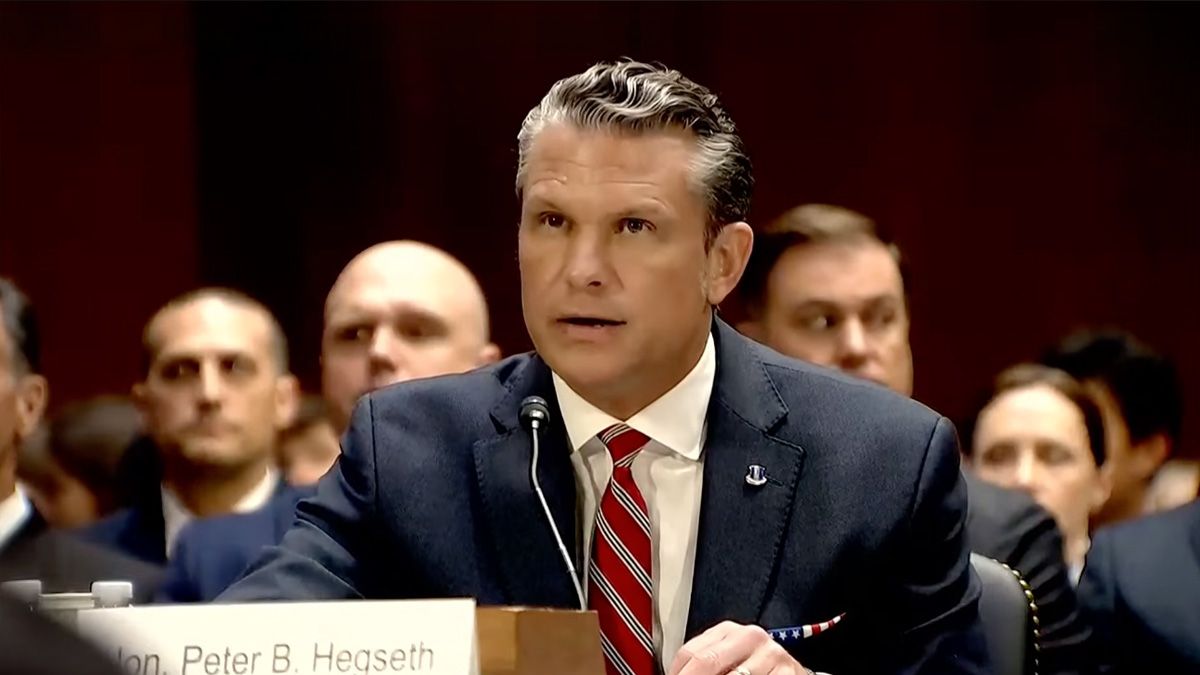
US Defence Secretary Pete Hegseth told the Senate Appropriations Committee on Tuesday, 21 July 2026, that the war with Iran has cost approximately US$37.5 billion so far, as he defended a US$87.6 billion supplemental funding request from President Donald Trump's administration.
The figure marks a sharp rise from earlier Pentagon estimates. A senior Pentagon official had put the cost at US$29 billion as of 12 May, while the department's acting comptroller told the House Armed Services Committee in April that spending stood at roughly US$25 billion after 60 days. The Pentagon previously estimated the first six days of the conflict alone cost US$11.3 billion.
Of the new request, US$67.1 billion would go directly to the Pentagon to replenish munitions and cover the cost of continuing operations against Iran, according to reporting from the hearing. Hegseth said the money was needed urgently, warning that without it, the department would have to cut military training.
Hegseth's appearance formed part of a wider push by Republicans for a separate US$95 billion GOP budget package covering defence, farm aid and voting law changes, alongside Trump's proposed US$1.5 trillion defence budget for the next fiscal year.
Protesters interrupted Hegseth's opening remarks several times during the more than three-hour hearing. Committee chair Senator Susan Collins, a Republican, opened proceedings by criticising the Pentagon over blocked or denied promotions, particularly for women and minority officers.
Senator Patty Murray, the panel's senior Democrat, warned against "another forever war," saying the conflict was "spiralling out of control again" despite Trump's repeated assurances that a deal was close. She said the president was now seeking a further US$70 billion "and for us to just trust him it'll all work out fine."
Senator Jeanne Shaheen pressed Hegseth on why fresh funds were needed when the department had not yet spent roughly half the US$150 billion Congress approved last year, asking why Americans should "absorb the cost of a war they don't support."
General Dan Caine, chairman of the Joint Chiefs of Staff, declined to estimate a final cost when questioned by Senator Mike Rounds, saying "the enemy has a vote." Senator John Kennedy pressed Caine on whether Iran might impose tolls on shipping through the Strait of Hormuz, calling his response inadequate.
Exchanges grew heated later in the hearing. Senator Kirsten Gillibrand accused the administration of seeking "unlimited money for bombs" for a war Trump had previously declared won, while Senator Gary Peters called the war strategy a "failure," prompting Hegseth to respond, "Shame on you and others who call this a quagmire and a failure."
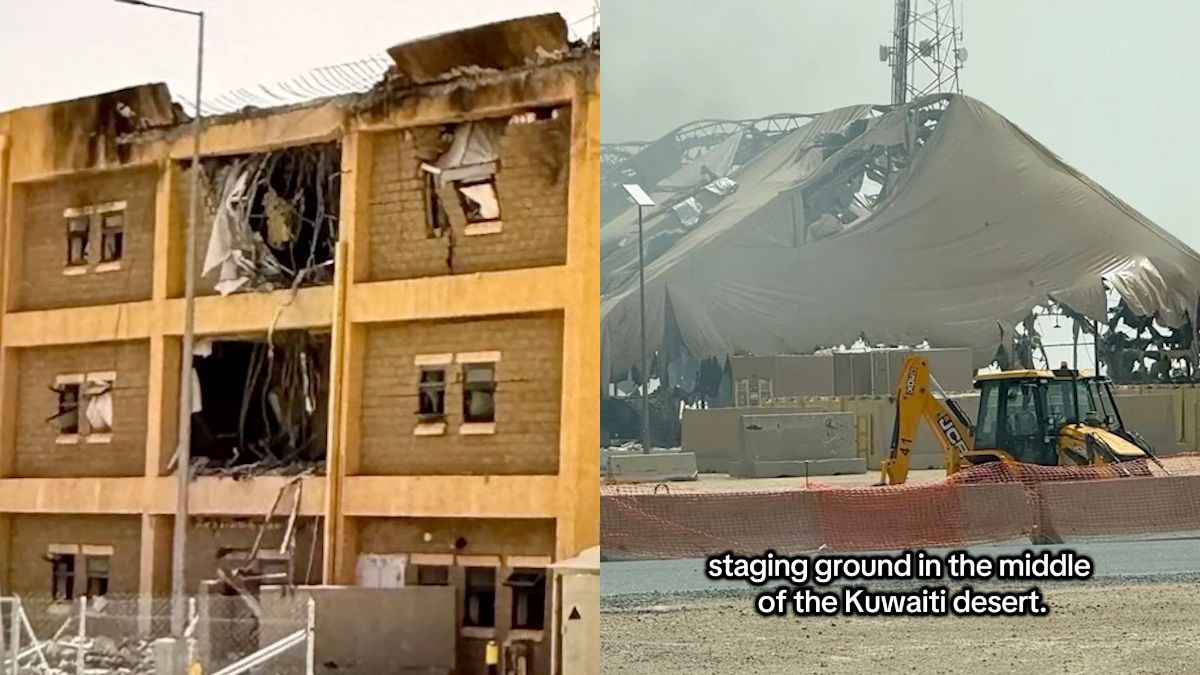
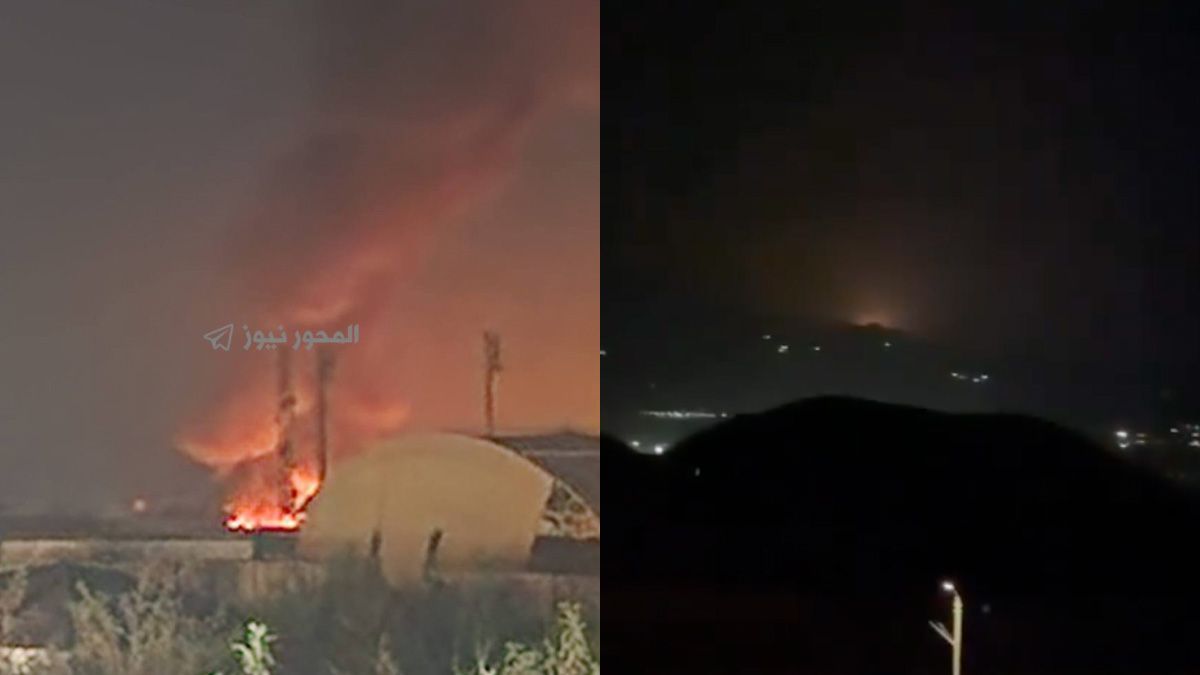
The hearing came days after the Pentagon announced the deaths of three more service members, taking the confirmed toll to 17. Sergeant Michael Emmanuel Swinton, 30, of Fayetteville, North Carolina, was killed on 19 July during the disposal of a downed Iranian drone at Erbil Air Base in Iraq. First Lieutenant Tyler James Feehan, 25, and Private Isabella Gonzales, 19, were killed in an Iranian attack on Muwaffaq Salti Air Base in Jordan. The Pentagon said more than 100 service members had been injured since 7 July 2026.
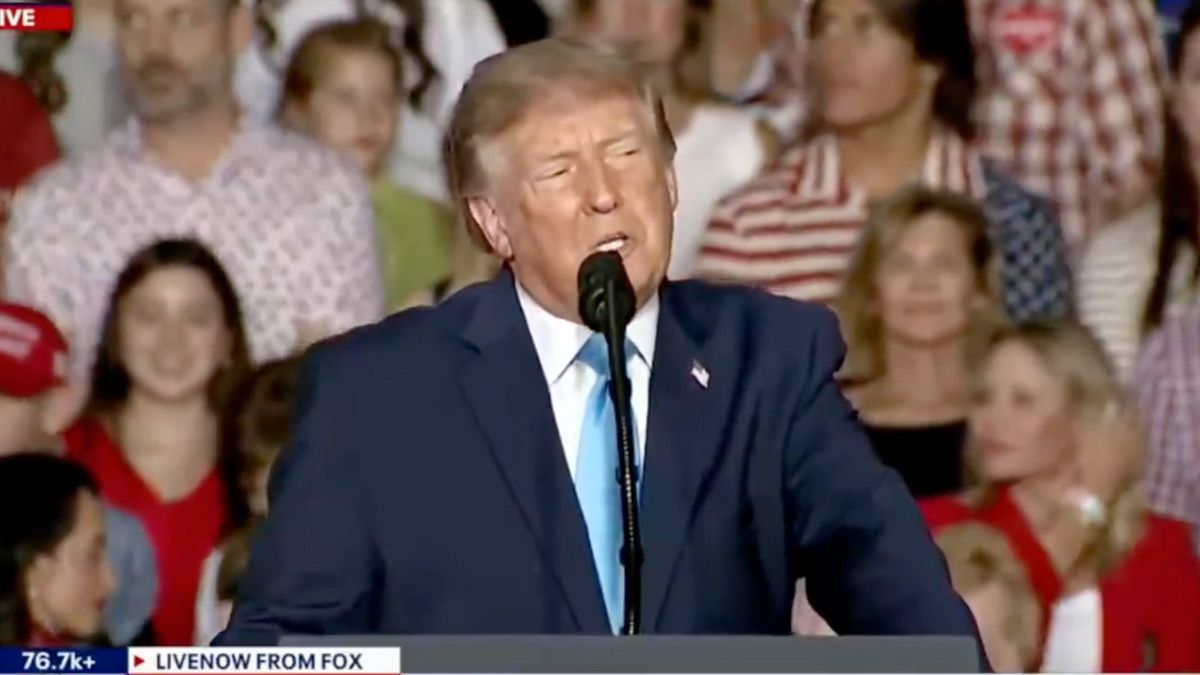
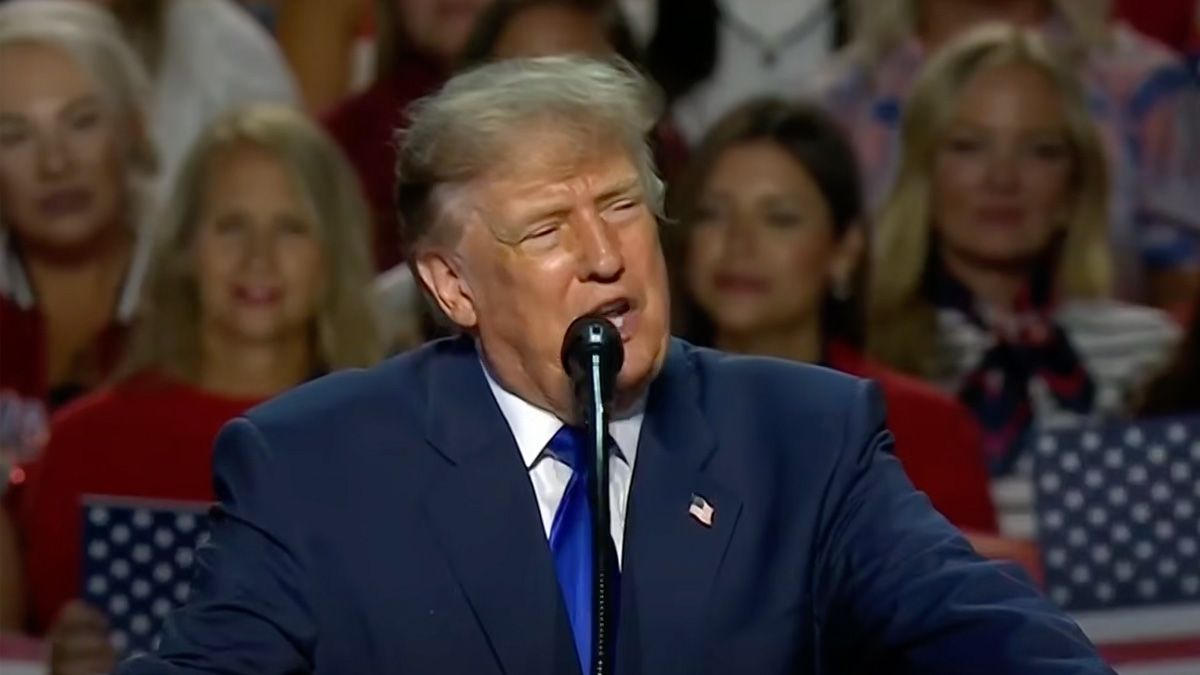
Trump, who did not attend the hearing, posted a list of past US wars on social media during the proceedings, stating that 18 people had died in the Iran conflict, a figure at odds with the Pentagon's confirmed count of 17.
The renewed fighting, now in its tenth consecutive day of strikes, followed the collapse of a ceasefire agreed in April. The war began on 28 February 2026 under the codename Operation Epic Fury and centres on US efforts to keep the Strait of Hormuz open to shipping.
The GOP budget package is expected to proceed through the reconciliation process, allowing Republicans to pass it without Democratic support. House Speaker Mike Johnson said the administration was "working very hard to bring this to a resolution," though some conservatives want any new spending offset elsewhere.