China pressures Taiwanese politicians to block military drone bill, source says
A Beijing source says China's united front and Taiwan Affairs bodies are pressuring pro-Beijing Taiwanese politicians to block a NT$210 billion special act funding military uncrewed vehicles ahead of Thursday's cross-caucus talks.
- Beijing source says China is pressuring Taiwanese politicians to block drone funding bill.
- PLA reportedly ran wargames on Taiwan's drone build-up, warned it erodes deterrence.
- Legislature holds cross-caucus talks on 14 rival bill versions on Thursday, 20 August.

China's Communist Party (CCP) is pressuring Taiwanese politicians sympathetic to Beijing to block a government bill funding military drones, according to the Taipei Times and the Liberty Times, both citing a source in Beijing.
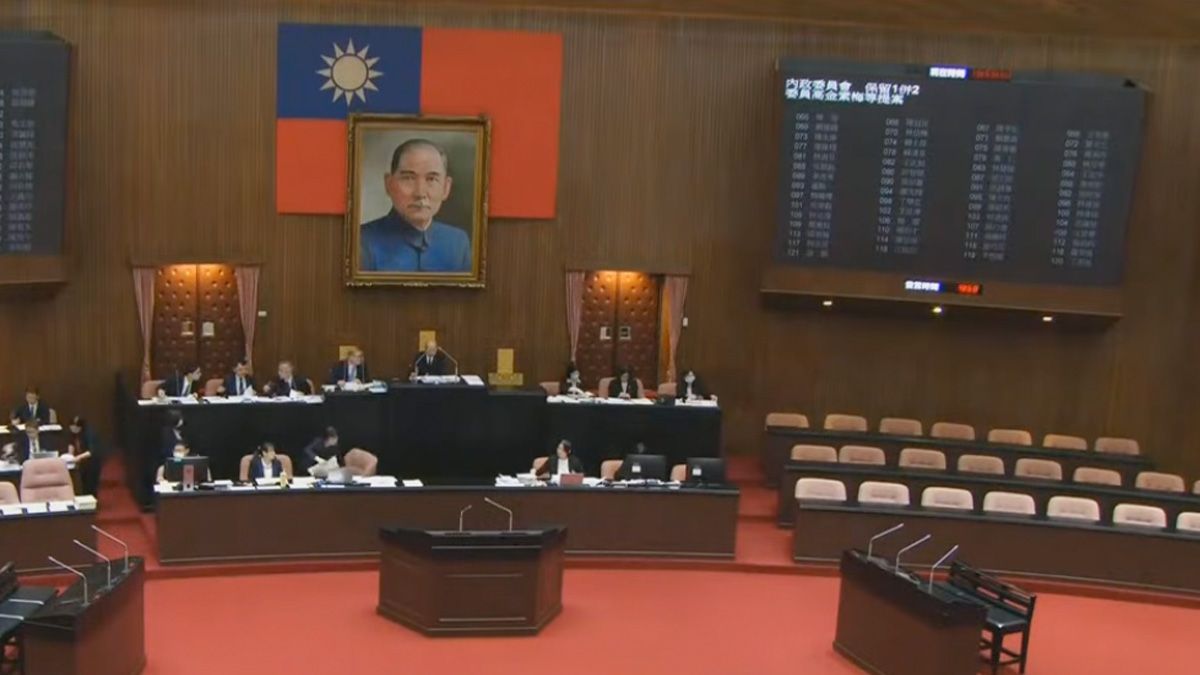
The Legislative Yuan is scheduled to hold cross-caucus negotiations on 14 versions of a draft uncrewed vehicle act on Thursday, 20 August, the Legislative Yuan's Economics Committee said, according to the Taipei Times and the Liberty Times.
Beijing's pressure campaign
The CCP has been deploying both its United Front Work Department and its Taiwan Affairs Office (TAO) in a coordinated, dual-track mobilisation effort, the source told the Taipei Times and the Liberty Times. The campaign targets Taiwanese politicians considered friendly towards Beijing, pushing them to block the Executive Yuan's special act funding uncrewed military vehicles, proposed by the Ministry of National Defence (MND).
The proposed legislation would allocate up to NT$210 billion (US$6.55 billion) from August 2026 through December 2031, local media reported, covering coastal surveillance and reconnaissance drones, coastal attack drones, and small uncrewed surface vessels designed for attack missions, described by the Liberty Times as small suicide drone boats.
Wargames and strategic calculations
Staff units of the Chinese People's Liberation Army (PLA) have run several wargame simulations analysing Taiwan's drone build-up plans, developed in coordination with the United States, the source said, according to both outlets. The Liberty Times described these as "intelligent wargame" simulations.
Beijing assesses that a completed Taiwanese deployment would structurally damage the PLA's existing strategic advantage in the Taiwan Strait, and would weaken Chinese deterrence against Japan and the Philippines, local media reported, citing the source.
The PLA has reported these findings to China's Central Military Commission (CMC), recommending that Beijing act to block Taiwan's drone build-up process, the source said. As these strategic assessments rest on a single anonymous source relayed through both outlets, they remain unverified independently.
Beijing could accept a version of the legislation focused on "demilitarisation", provided the budget is subject to annual, item-by-item review and approval rather than lump-sum approval, the source said, attributing the condition to the United Front Work Department and TAO.
Blocking the Executive Yuan's special budget is also intended to pressure President William Lai's administration into seeking alternative routes to complete its planned military build-up, giving Chinese military planners more time to develop countermeasures, the source told both outlets.
Legislative progress so far
The Legislative Yuan's Economics Committee, together with the Foreign Affairs and National Defence Committee and the Finance Committee, jointly reviewed the 14 versions of the legislation on 27 July, the Taipei Times reported. After nearly six hours of discussion, lawmakers failed to agree on the bill's responsible authority, spending cap and implementation period, though the bills cleared committee stage.
The Legislative Yuan separately approved NT$63.4 billion in uncrewed vehicle spending on Friday, 14 August, the Taipei Times reported, comprising a six-year, NT$44.2 billion industrial development programme from the Ministry of Economic Affairs and NT$19.2 billion in drone procurement budgets from government agencies.
Government and opposition responses
Executive Yuan Secretary-General Xavier Chang said on Saturday, 15 August, that the opposition should support the administration's special act if it genuinely supports the armed forces, the Taipei Times reported. He said opposition lawmakers had previously blocked drone-related spending, and that the coming negotiations would show whether they truly backed Taiwan's drone development and national defence.
Chinese Nationalist Party (KMT) caucus deputy secretary-general Hsu Yu-chen said on 15 August that the opposition had in fact supported the NT$63.4 billion already approved, the Taipei Times reported.
The KMT's own proposed legislation would invest NT$240 billion over six years in the uncrewed vehicle industry, more than the NT$210 billion proposed by the Executive Yuan, the Taipei Times reported.
Hsu said the KMT favours funding the programme through annual budgets rather than a single special budget, arguing this would let the legislature review procurement results, industrial policy and progress towards domestic production yearly.
Hsu said the KMT supports drone development and greater defence autonomy, but wants closer scrutiny of spending, equipment purchases, production sourcing, and whether the equipment meets the military's operational needs, according to the Taipei Times.