Kishore Mahbubani warns China-Taiwan war could severely affect Southeast Asia
Former Singapore diplomat Kishore Mahbubani has warned that a China-Taiwan war could hurt Southeast Asia and the global economy, while Taiwan’s representative office rejected his argument over who would be responsible for a conflict.
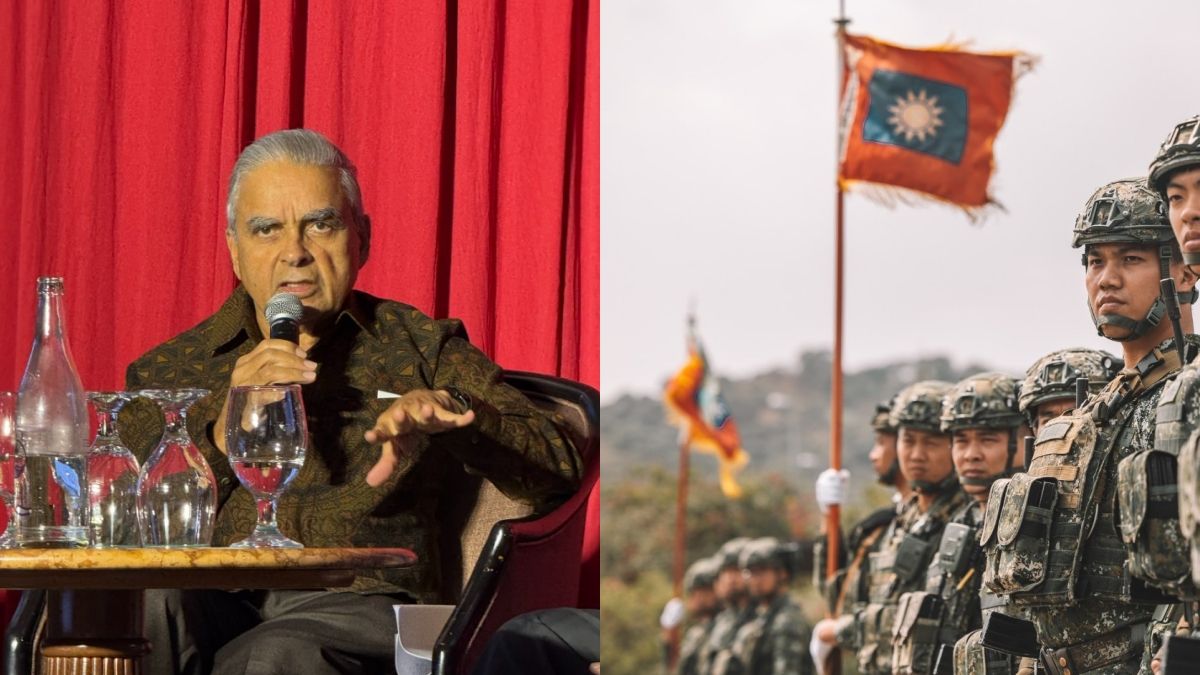
- Kishore Mahbubani warned that a China-Taiwan war could seriously affect Southeast Asia and damage regional economies.
- He said US involvement would increase the risk of wider global economic and geopolitical disruption.
- Taiwan’s representative office rejected his argument, saying it wrongly shifts responsibility for conflict risks onto Taiwan.

PENANG, MALAYSIA: Former Singapore diplomat Kishore Mahbubani has warned that a potential armed conflict between China and Taiwan could have serious consequences for Southeast Asia, particularly if the United States becomes involved.
Speaking at a fireside chat during the Penang Peace Dialogue conference on 5 September 2026, Kishore said Southeast Asia should not assume that a conflict across the Taiwan Strait would remain limited to the parties directly involved.
“And I think if we in Southeast Asia naively believe that a war across Taiwan will have no impact on us, then I would say that we are really living in a fool’s paradise,” he said.
Kishore, who is also a former president of the United Nations Security Council, said the likelihood of US involvement in a China-Taiwan war would be very high.
“We have to be aware that a war between China and Taiwan will have incredibly negative consequences for, in fact, the whole world and also for our region,” he said.
He later told Malaysian media outlet Free Malaysia Today, that Southeast Asia would be affected economically if the United States became involved in a conflict.
“Global economic growth will go down, and our economies will suffer. There are many ways we’ll suffer. So, that is why we should prevent it,” Kishore said.
He argued that the international community should avoid supporting circumstances that could lead to war, including what he described as a move by Taiwan to declare independence.
“If Taiwan declares independence, China will declare war on Taiwan, and then we will go down a slippery slope towards a global conflict,” he said.
Kishore cites Ukraine war
Kishore also referred to the Russia-Ukraine war when discussing the potential consequences for Taiwan.
He said he had told Taiwanese people that many people had died in proxy wars since World War II, citing the Russia-Ukraine conflict as an example.
He argued that Taiwan should understand what China considers its red lines and avoid crossing them if it wanted to prevent a conflict.
However, Kishore did not say that Taiwan’s people should simply be subjected to China.
He said possible diplomatic arrangements could allow Taiwan’s people to retain autonomy and their existing way of life while being formally reunified with China.
“It is conceivable to work out all kinds of arrangements whereby the people of Taiwan enjoy autonomy, a good life, and have exactly what they have today, but yet, in principle, they are reunified with China,” he said.
“There are many creative diplomatic ways to find a solution, and you can look for those creative diplomatic ways to avoid any kind of war that would damage all of us,” he added.
Taiwan rejects Kishore’s argument
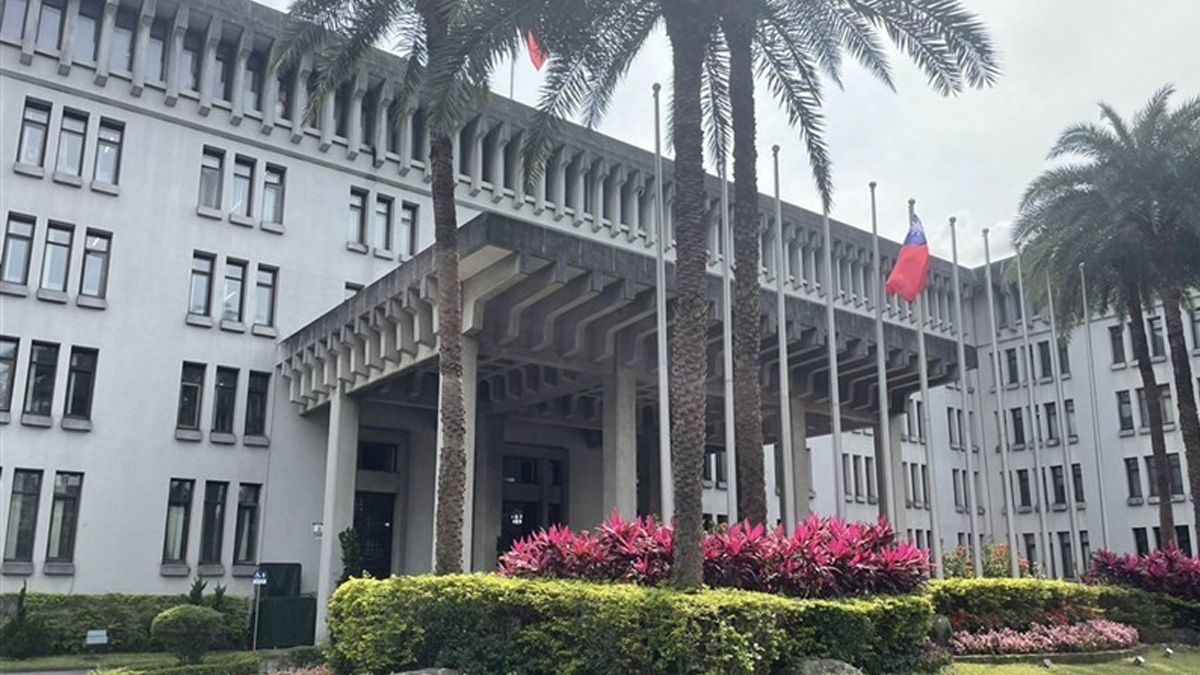
Kishore’s comments were subsequently rejected by the Taipei Representative Office in the Republic of Singapore in a statement issued on 7 September 2026.
The office said the argument reversed the cause-and-responsibility relationship surrounding threats to peace in the Taiwan Strait.
It said Taiwan was not responsible for threatening peace and stability in the Asia-Pacific, and argued that the responsible position was to oppose any unilateral attempt to change the status quo through force or coercion.
The office also told Taiwan state media CNA that Kishore was now a retired official and that his comments did not represent the Singapore Government’s position.
It described his argument as containing a fundamental logical error and said it could provide justification for China’s military pressure and threats against Taiwan.
Taiwan’s representative office said the Republic of China (Taiwan) is a sovereign and independent country and described this as an established fact that did not require a declaration of independence.
It therefore rejected Kishore’s premise that China might go to war because Taiwan declared independence, arguing that the premise was based on a situation that did not exist.
The office said such reasoning could provide room for China to justify political pressure, military intimidation or military action against Taiwan.
PM Lawrence Wong reaffirmed Singapore’s One China policy in October 2025
The dispute comes as Southeast Asian governments continue to balance their relationships with China, Taiwan and the United States.
In an October 2025 interview with the Australian Broadcasting Corporation, Singapore Prime Minister Lawrence Wong reaffirmed Singapore’s One China Policy.
While declining to comment on a hypothetical conflict, Wong explicitly said Singapore opposed Taiwanese independence. He also urged Taiwan, the United States and China to maintain the status quo and avoid unilateral or non-peaceful changes.
Taiwan’s Ministry of Foreign Affairs (MOFA) expressed “grave concerns” over Wong’s remarks and defended Taiwan’s sovereignty by pointing to its international standing in political freedom and economic competitiveness.
Malaysian PM faced criticism in August after saying Taiwan was part of China and backing force to preserve unity
Malaysia has also faced criticism over its position on Taiwan.
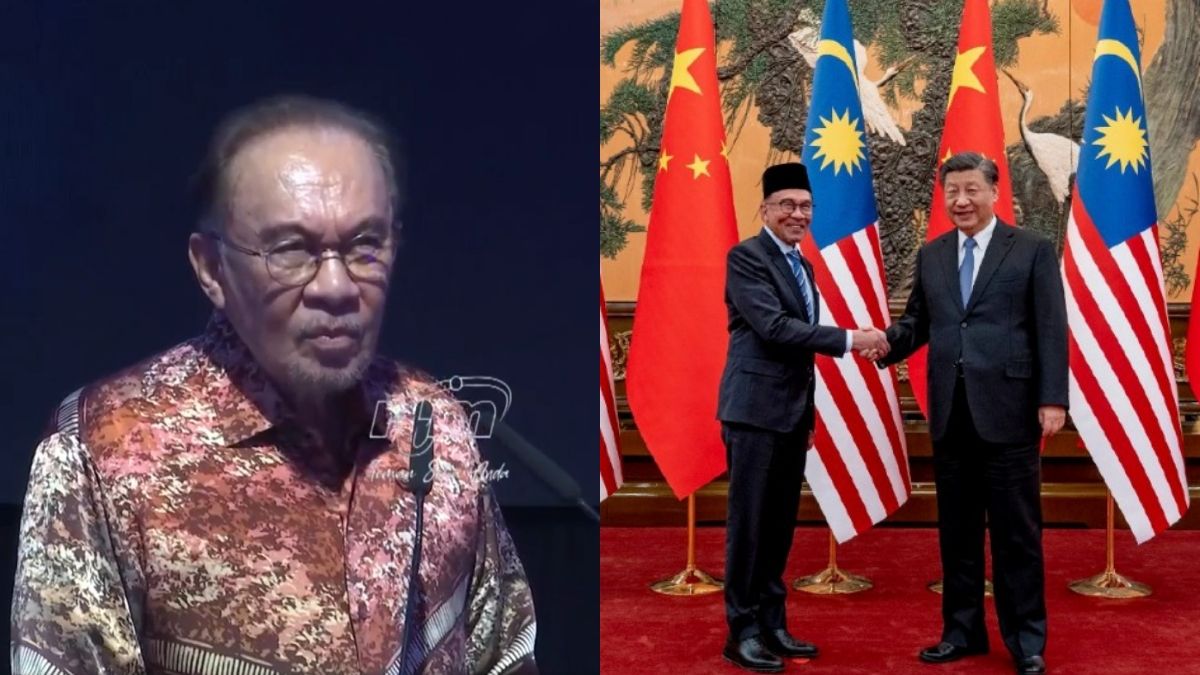
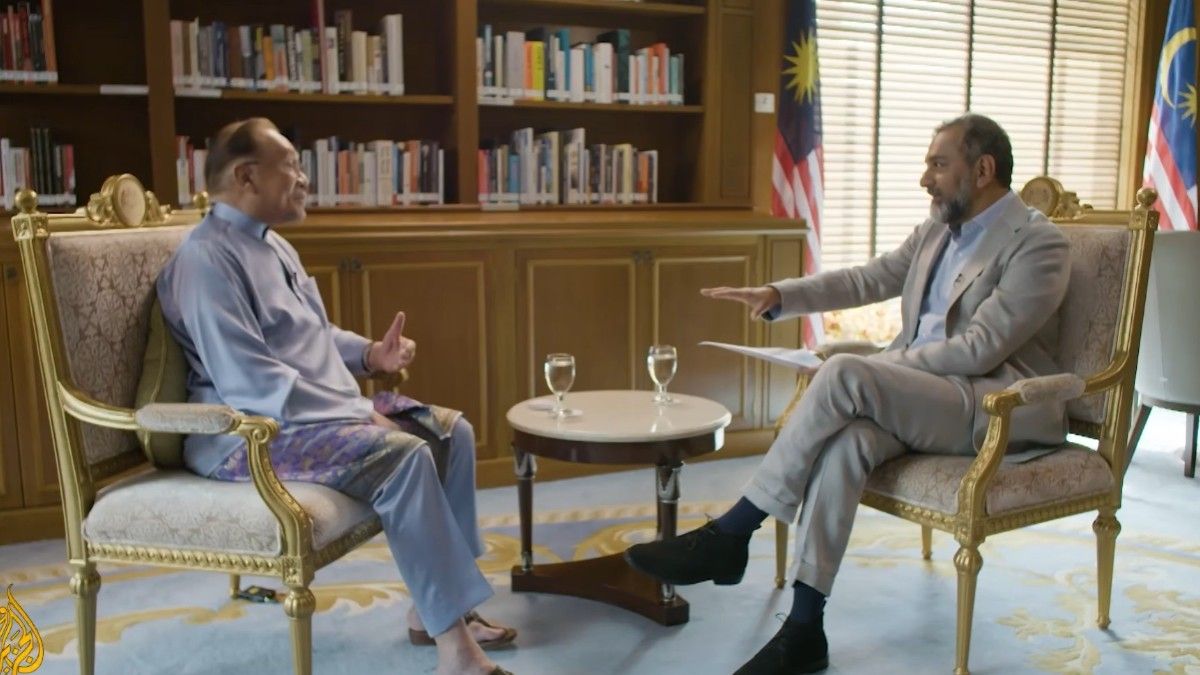
In an Al Jazeera interview published on 17 August 2026, Malaysian Prime Minister Anwar Ibrahim said, “I see Taiwan as part of China, period,” and argued that “the Chinese have to decide”.
When asked whether Malaysia would condemn Beijing if it used force against Taiwan, Anwar said he would protect Malaysia’s “sanctity and unity” if a state sought to break away.
Taiwan’s foreign ministry criticised those remarks, saying they supported Beijing’s position and undermined Taiwan’s sovereignty, democracy and right to self-determination.
It also warned that such statements could affect Taiwanese businesses’ confidence in investing in Malaysia.
Anwar later reiterated that Malaysia had followed the One-China policy since 1974, while stressing that “a peaceful path is best” and that Malaysia respected China’s position.