Malaysian PM Anwar faces criticism after saying Taiwan is part of China and backing force to preserve unity
Malaysian Prime Minister Anwar Ibrahim has drawn criticism from Taiwan after saying he regards Taiwan as part of China and would support force to preserve national unity.
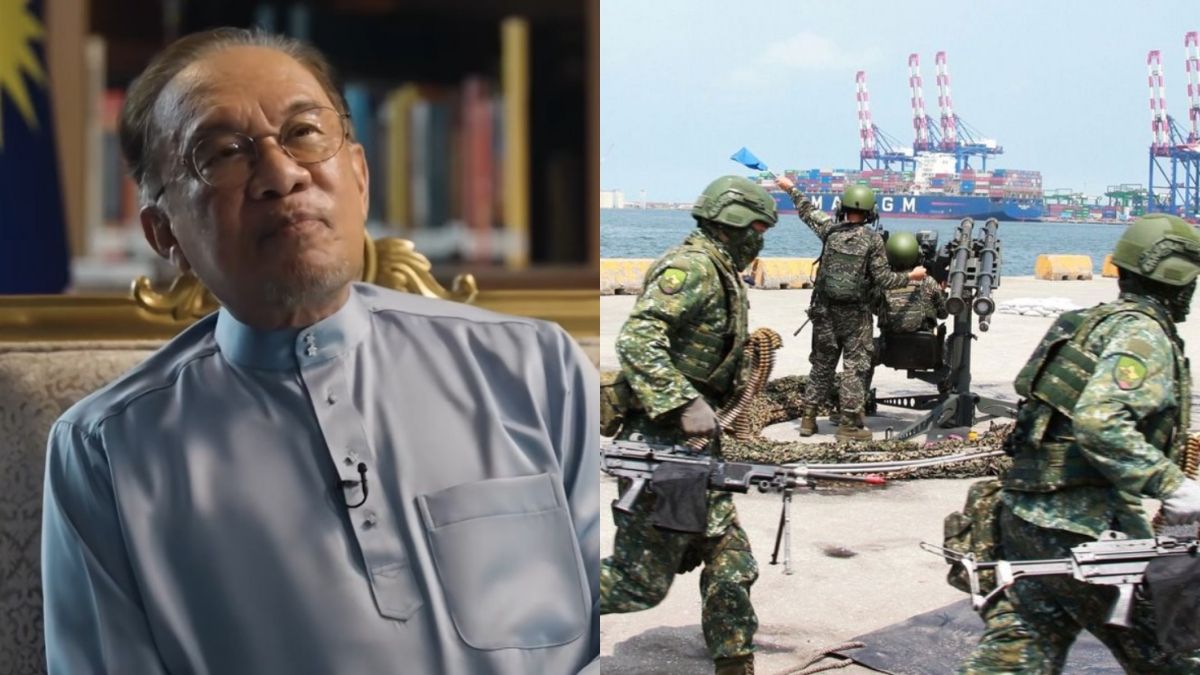
- Anwar Ibrahim reaffirmed that Malaysia views Taiwan as part of China during an Al Jazeera interview.
- He said force could be used to prevent a Malaysian province from breaking away, drawing criticism from Taiwan.
- Taiwan warned the remarks could affect regional stability, political trust and Taiwanese investment confidence in Malaysia.

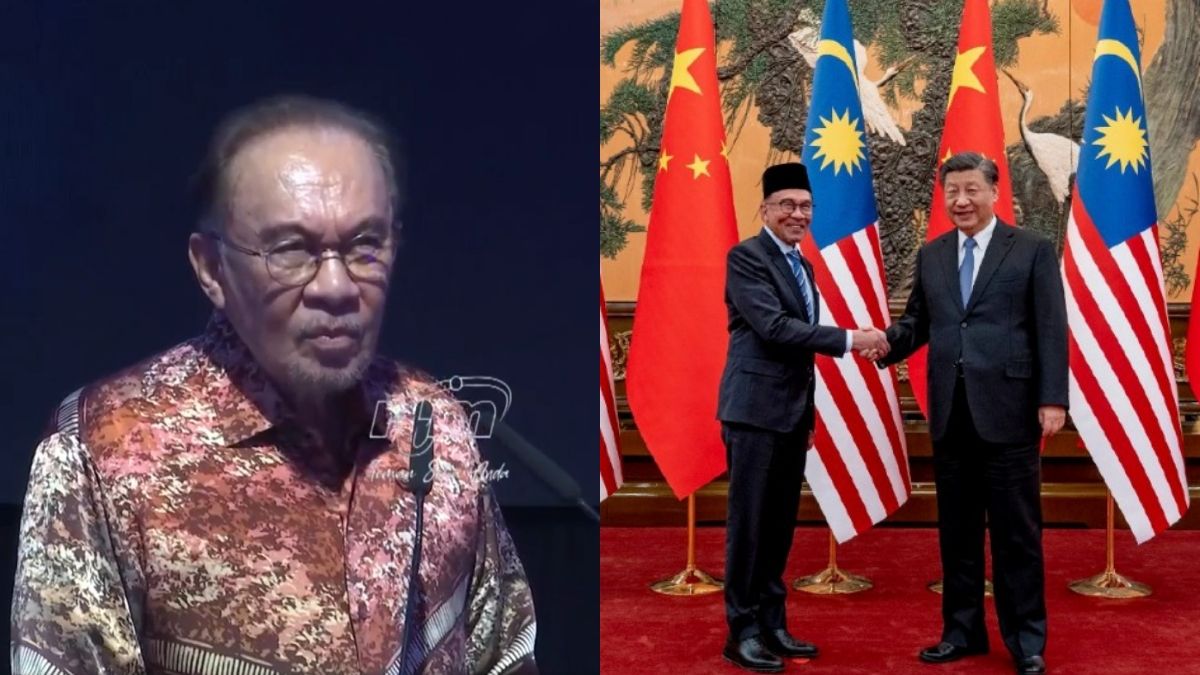
Malaysian Prime Minister Anwar Ibrahim has faced criticism from Taiwan after reaffirming support for China’s One China policy and stating that he regards Taiwan as part of China.
The remarks were made during an exclusive interview with Al Jazeera published on 17 August 2026, in an exchange that examined democracy, Taiwan’s political status and the possibility of force being used to achieve national reunification.
Journalist Sreenivasan Jain asked Anwar whether the wishes of Taiwanese people should carry weight, noting that polls have repeatedly indicated strong opposition in Taiwan to being governed by Beijing.
Anwar responded by referring to history and Malaysia’s position on Taiwan, saying: “It is a part of China and the Chinese have to decide.”
“I see Taiwan as part of China, period,” Anwar said.
“We may disagree with some excesses. Yes, express your view. But it must be in that context. It is one China. It’s accepted by all.”
Jain then challenged Anwar over the apparent tension between that position and his longstanding advocacy of democracy, asking whether he had empathy for people in Taiwan who prefer their existing democratic system.
Anwar said he did express empathy on numerous international issues, including religious and tribal matters, as well as issues within Malaysia.
He rejected what he characterised as an implication that supporting Taiwan’s separation from China would amount to accepting the fragmentation of an independent country.
“What you are suggesting is a way a complicity or even condoning an attempt to break up a legitimate independent country. I don’t accept that,” Anwar said.
The prime minister also attributed the Taiwan dispute partly to the legacy of colonialism, while stressing that he was not condoning colonialism.
The exchange then moved to China’s stated objective of reunification and Beijing’s position that force could remain an option if peaceful reunification could not be achieved.
Anwar linked the issue to the role of the United States, referring to the US Seventh Fleet when explaining why the language surrounding reunification had emerged.
Force and the question of national unity
Jain subsequently asked Anwar directly whether he would condemn China if it used force against Taiwan after peaceful reunification failed.
Anwar responded by drawing a comparison with Malaysia and the possibility of a Malaysian province seeking to separate from the federation.
“If one province decides, yes, to break away. Do we use force? I think I will protect the sanctity and unity of the nation,” Anwar said.
When Jain pressed him on whether that meant he would use force, Anwar replied: “Yes. Because otherwise they’ll be fragmented.”
The comments came during a wider discussion about what Anwar described as hypocrisy among Western countries and major powers in applying international principles.
“I said that this hypocrisy cannot be tolerated,” Anwar said when asked about his criticism of Western superpowers.
The interview took place against a backdrop described by the programme as a weakening international order and intensifying rivalry between major powers.
Anwar has repeatedly advocated an independent Malaysian foreign policy, arguing that Malaysia should not be forced to choose between competing power centres such as the United States and China.
He has also maintained positions on justice and international law while criticising Western powers over the Gaza conflict.
The interview therefore placed his comments on Taiwan within a broader argument that major powers should be held to the same international principles and rules that they expect other states to follow.
Taiwan pushes back
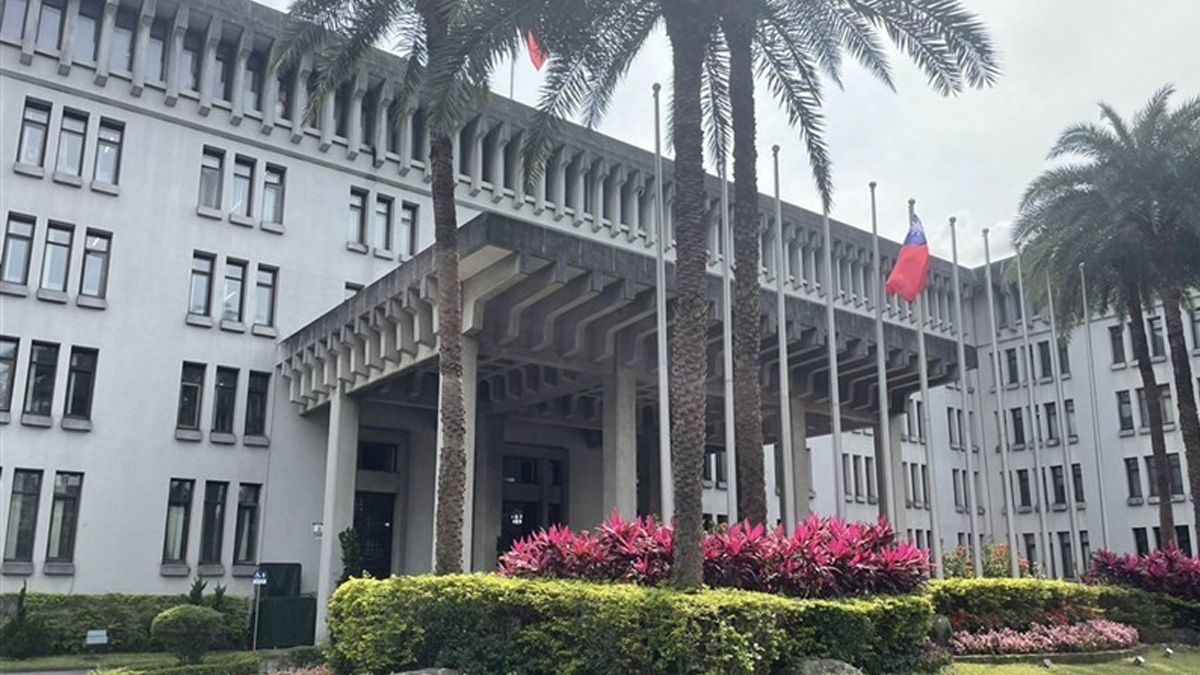
Taiwan’s Ministry of Foreign Affairs (MOFA) responded by criticising Anwar’s remarks and arguing that they effectively endorsed Beijing’s position on Taiwan.
MOFA said Anwar had recently made remarks implying that Taiwan was a province seeking to separate from China, thereby legitimising Beijing’s position on using force to take Taiwan.
The ministry said the Republic of China, Taiwan, is a sovereign and independent country and is not subordinate to the People’s Republic of China.
That position, MOFA said, would not be changed by claims made by others.
The ministry also invoked Malaysia’s status as a democracy, saying Anwar had long portrayed himself as a defender of democracy and human rights.
MOFA said he should therefore value freedom, human rights and the rule of law, while respecting and upholding the will of the people.
It further warned that political manoeuvring endorsing attempts to unilaterally change the status quo across the Taiwan Strait through threats or force could have wider consequences.
Such an approach, MOFA said, would not only undermine Taiwan’s safety and democracy but could also damage political trust between Taiwan and Malaysia.
Economic implications for Malaysia
Taiwan’s foreign ministry also linked the dispute to the economic relationship between Taiwan and Malaysia.
MOFA said Taiwan and Malaysia maintain close economic ties, but argued that the close connection between national sovereignty and economic security meant Anwar’s one-sided support for China could undermine Taiwanese businesses’ confidence in investing in Malaysia.
The ministry said Taiwan would continue to uphold universal values including democracy, freedom and human rights.
It also said Taiwan would continue working with like-minded countries to counter authoritarianism and safeguard peace, stability and prosperity in the Indo-Pacific region.
The response adds an economic dimension to what is otherwise primarily a geopolitical disagreement over sovereignty, self-determination and the use of force.
Growing pressure across the Taiwan Strait
Anwar’s comments came as Taiwan faces continuing military and political pressure from Beijing, which continues to stress its goal of “complete reunification” with Taiwan.
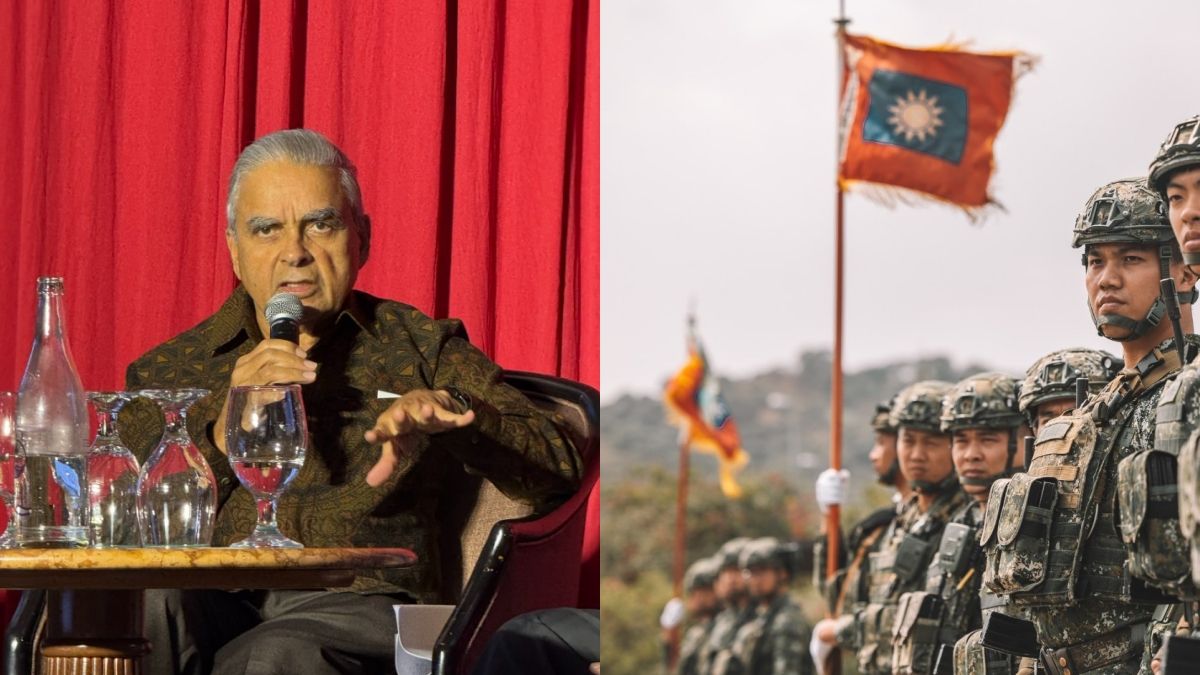
Against that backdrop, Taiwan has increased its military preparedness, with its 2026 Han Kuang exercises placing greater emphasis on realistic combat scenarios, civil defence and resilience against a potential Chinese attack.
The exercises reflect broader concerns about Taiwan’s ability to respond to a potential conflict and maintain resilience during heightened military pressure.
Taiwanese media have also reported that Chinese authorities are seeking to influence Taiwan’s domestic debate over plans to strengthen its military drone capabilities.
Those reports cited an anonymous source in Beijing in describing the alleged effort to influence discussion surrounding Taiwan’s defence plans.
The developments illustrate the wider tension between Beijing and Taipei as Taiwan seeks to strengthen its defences while China opposes moves it regards as advancing Taiwan’s military and political autonomy.