Thousands of seafarers stranded as Hormuz shipping grinds to a halt
Around 6,000 seafarers remain stranded aboard 500 vessels in the Persian Gulf as shipping through the Strait of Hormuz largely stops, prompting UN warnings over global trade, maritime safety and regional stability.
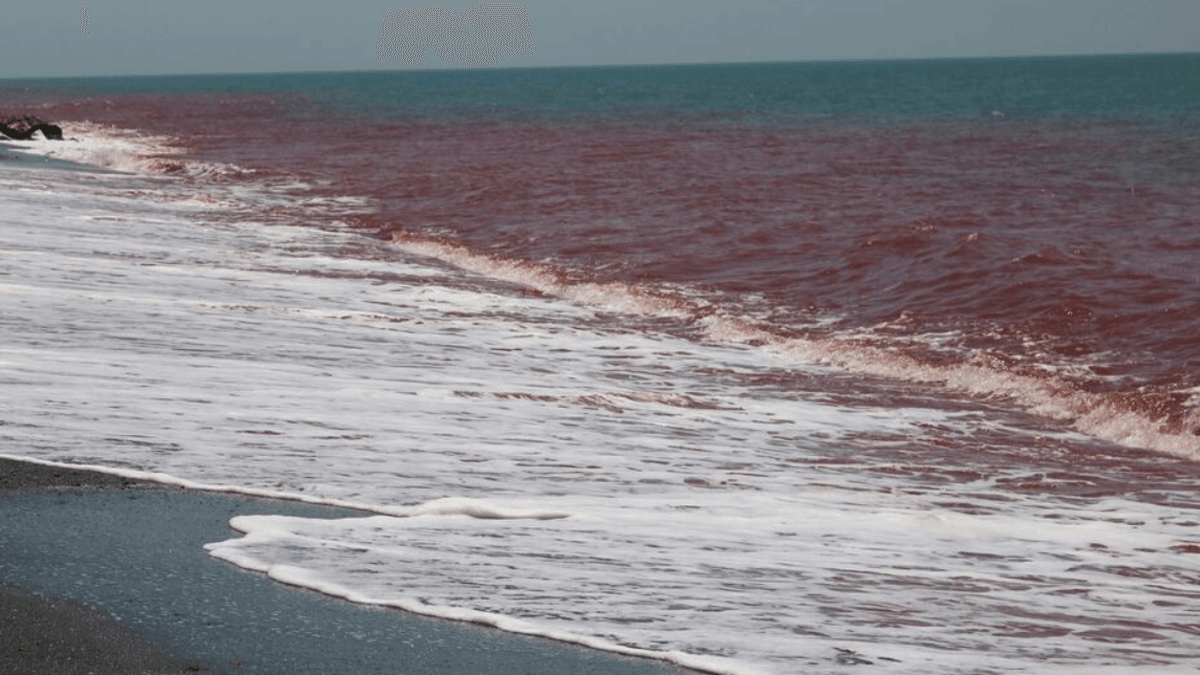
- Around 6,000 seafarers remain stranded as commercial shipping through the Strait of Hormuz largely stops.
- The United Nations warns the conflict threatens global trade, regional stability and civilian safety.
- Independent human rights experts expressed concern over reported attacks affecting civilian infrastructure in Iran.

Around 6,000 seafarers remain stranded aboard approximately 500 commercial vessels in the Persian Gulf as shipping through the Strait of Hormuz has largely come to a standstill following renewed hostilities between the United States and Iran, prompting the United Nations to warn of escalating risks to global trade, regional stability and civilian lives.
The UN's International Maritime Organization (IMO) said "very few ships, if any" are currently transiting the narrow waterway after attacks on vessels resumed following the latest escalation of fighting on 12–13 July.
IMO Secretary-General Arsenio Dominguez said the trapped crews were civilians caught in a conflict beyond their control.
"We need to remember that these are innocent people who are trained to do the work, that they are not trained for combat, and the vessels are not prepared to defend themselves against missiles and drones," he told UN News.
He stressed that ensuring the safety and evacuation of stranded seafarers remains the organisation's immediate priority.
UN Chief Warns Situation Nearing "Unimaginable"
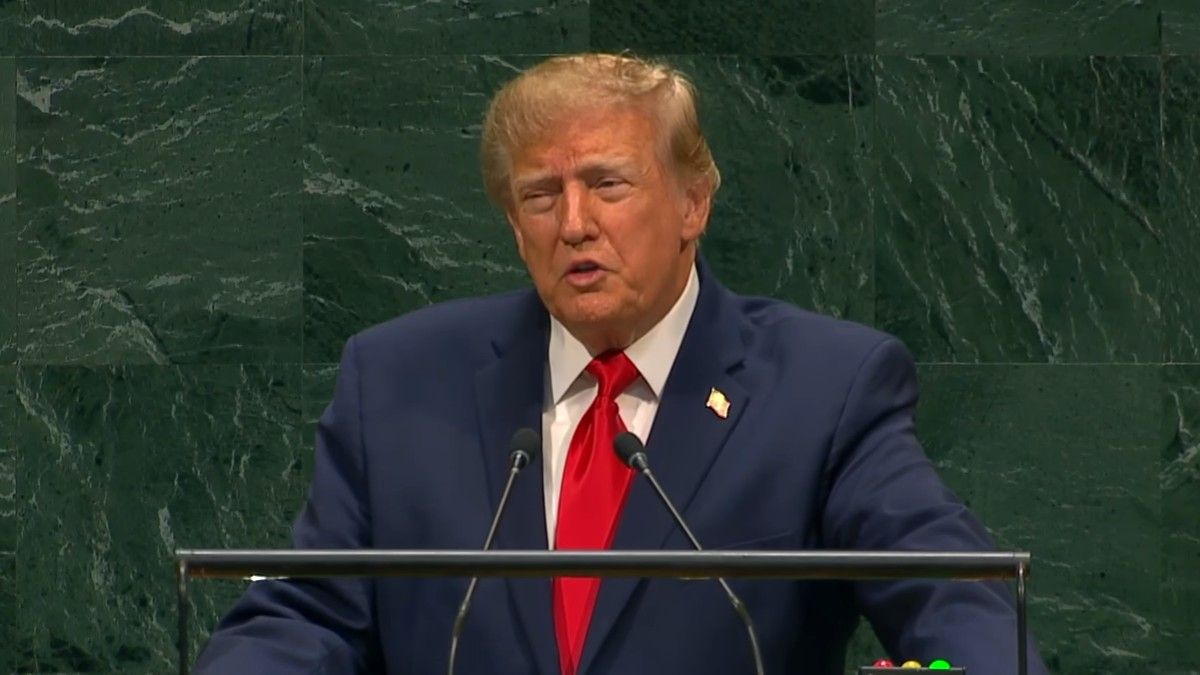
Addressing the UN Security Council on Thursday, Secretary-General António Guterres warned that continued military exchanges between the United States and Iran risked triggering devastating regional and global consequences.
"The situation is getting out of control. It is teetering on the edge of the unimaginable," Guterres told the Council during a meeting on dispute resolution.
He warned that the continuing cycle of military action was becoming increasingly detached from its original political objectives.
"One crisis feeds another. One escalation triggers the next. As this dynamic spreads, the political objectives are becoming increasingly obscured by the confrontation itself."
Guterres urged all parties to reverse course, calling for restraint, diplomacy and compliance with international humanitarian law.
Shipping Disruption Threatens Global Supply Chains
The IMO warned that the near suspension of shipping through the Strait of Hormuz could have significant implications for international commerce.
According to the organisation, around 90 per cent of global trade by volume is transported by sea.
Dominguez said the maritime industry had already been placed under considerable pressure by recent conflicts, including Russia's war in Ukraine and continuing attacks on commercial shipping in the Red Sea.
"We've been taken to the limit," he said.
"One thing that we cannot replace is those essential cargoes and essential goods that either come from the regions where the conflicts are taking place or that are required for the communities in the countries that are at war."
The IMO chief advised shipping companies not to attempt to transit the Strait of Hormuz until security conditions improve.
Hormuz Remains a Vital Energy Corridor
The Strait of Hormuz is one of the world's most important maritime chokepoints, carrying an estimated 20 per cent of global oil and gas supplies during normal operations.
Dominguez said restoring commercial traffic would require first evacuating stranded crews before ensuring the waterway had been cleared of mines and other threats.
Only after security guarantees are in place, he said, can shipping gradually return to previous levels.
Before the conflict intensified, approximately 135 vessels transited the Strait of Hormuz each day.
He added that any future management of the strait would continue in accordance with international law.
Houthi Attacks Widen Maritime Crisis
The UN also warned that attacks around the Bab al-Mandab Strait, the southern entrance to the Red Sea, have expanded the maritime security crisis.
According to the organisation, Houthi forces in Yemen have intensified attacks on commercial shipping, including reported attacks on two Saudi oil tankers and actions affecting traffic through the Bab al-Mandab Strait, a key route connecting the Red Sea with the Gulf of Aden and the Suez Canal.
Dominguez described the latest attacks as "indefensible", warning they endangered seafarers, threatened maritime security, increased environmental risks and disrupted global supply chains.
The Office of the UN Spokesperson said the humanitarian consequences of disruptions around both the Hormuz and Bab al-Mandab straits continue to grow, increasing operational challenges and costs for humanitarian relief efforts.
Diplomatic Contacts Continue
Despite the conflict, Dominguez said diplomatic engagement between the United States and Iran had resumed after years without direct dialogue.
He noted that a Memorandum of Understanding signed by both countries last month remained in force and continued to provide the basis for negotiations over a proposed 14-point framework.
Without naming specific countries, he added that several governments were also conducting bilateral diplomatic efforts alongside wider UN initiatives.
"Hopefully that would allow us to bring the situation back to where it was a couple of weeks ago and continue to make progress," he said.
IMO Rejects Charges for Strait Transit
Dominguez also said there is no provision under international law allowing countries to impose transit charges on merchant vessels passing through the Strait of Hormuz.
He pointed to the 2007 cooperative agreement governing the Straits of Malacca and Singapore as an example of international management that preserves freedom of navigation without charging commercial vessels.
"There's no imposition of charges. It's not a mechanism that introduces any charges or fees. And that is something that has to be very clear," he said.
Human Rights Experts Raise Civilian Concerns
Separately, 10 independent experts appointed by the UN Human Rights Council condemned the renewed fighting and expressed concern over reports of attacks affecting civilian infrastructure in Iran.
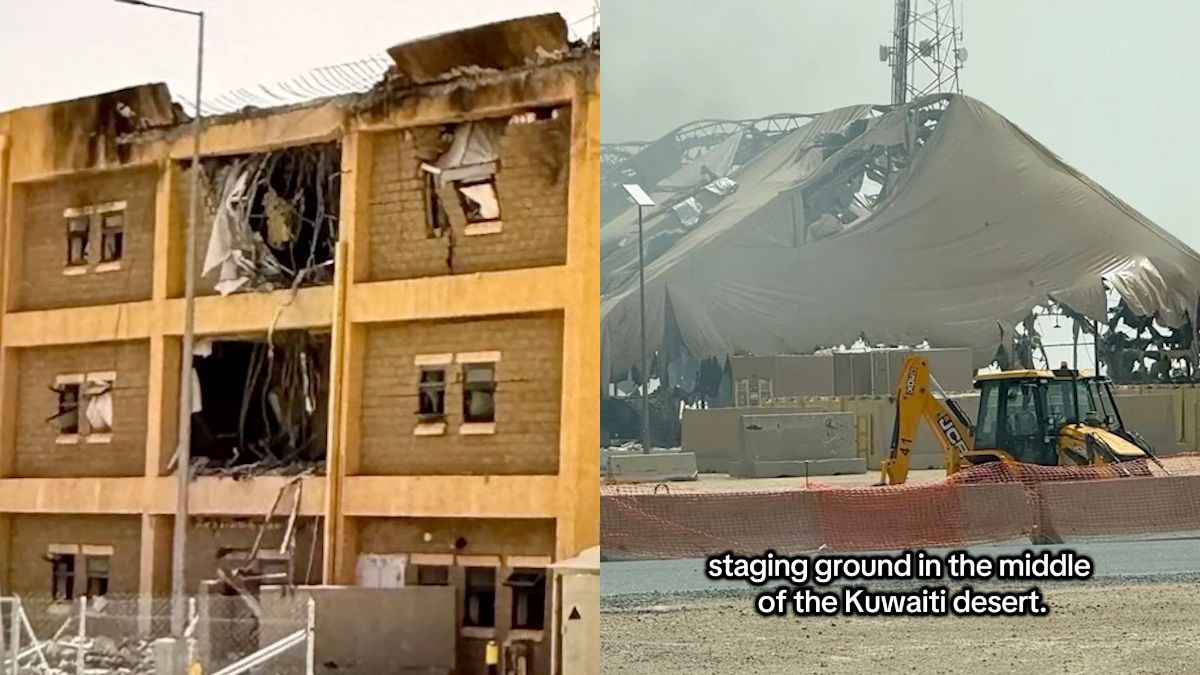
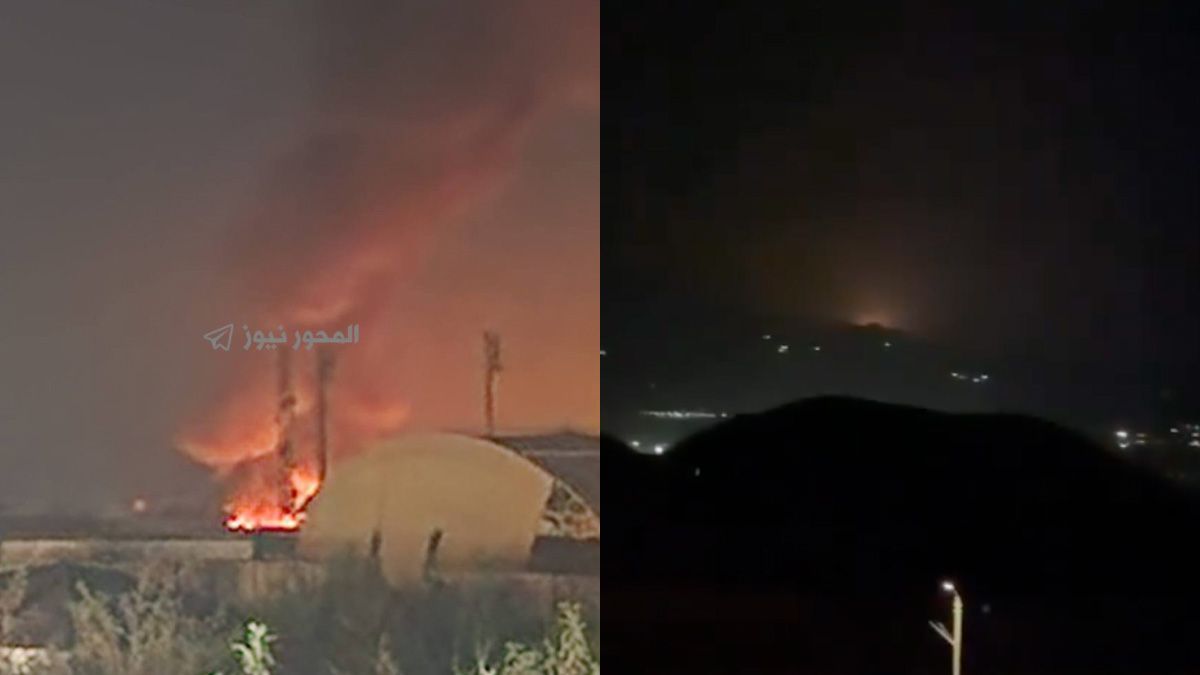
The experts cited reported strikes on ports in southern Iran, power outages in Chabahar, damage near the Bushehr nuclear power plant, railway infrastructure including the Agh Tekkeh Khan bridge, and a desalination plant that reportedly left around 10,000 people without water.
They also referred to reports of strikes on Semnan Airport, a wheat silo, a bottled water factory and areas adjacent to a children's cancer hospital in Ahvaz, forcing patients to be evacuated.
According to Iranian authorities, 50 people have been killed and more than 500 injured since hostilities resumed.
The experts said those killed included fishermen, night-shift workers and residents of informal settlements.
They noted that they serve independently of the United Nations, are not UN staff members and receive no remuneration for their work.
Higher Energy Prices Lift Global Trade Value
The conflict has also affected international trade, according to the latest assessment by the UN Trade and Development (UNCTAD) agency.
UNCTAD reported that the value of global goods trade reached US$13.7 trillion during the first half of 2026, an increase of 12.5 per cent compared with the same period in 2025.
The agency said the increase was driven primarily by higher energy prices linked to the US-Iran conflict rather than increased trade volumes.
Combined with a 10.5 per cent rise in global services trade, around US$2 trillion has been added to the overall value of international commerce during the first six months of the year.
UNCTAD said current trends indicate that global trade remains on course to reach record levels by the end of 2026 despite continuing geopolitical tensions and disruptions to international shipping.