Greenpeace criticises Indonesia over stance on Indigenous participation at UN biodiversity talks in Armenia
Greenpeace Indonesia and civil society groups have criticised Indonesia’s negotiating position on Indigenous representation in global biodiversity governance, despite the adoption of new participation guidelines at COP17 in Armenia.
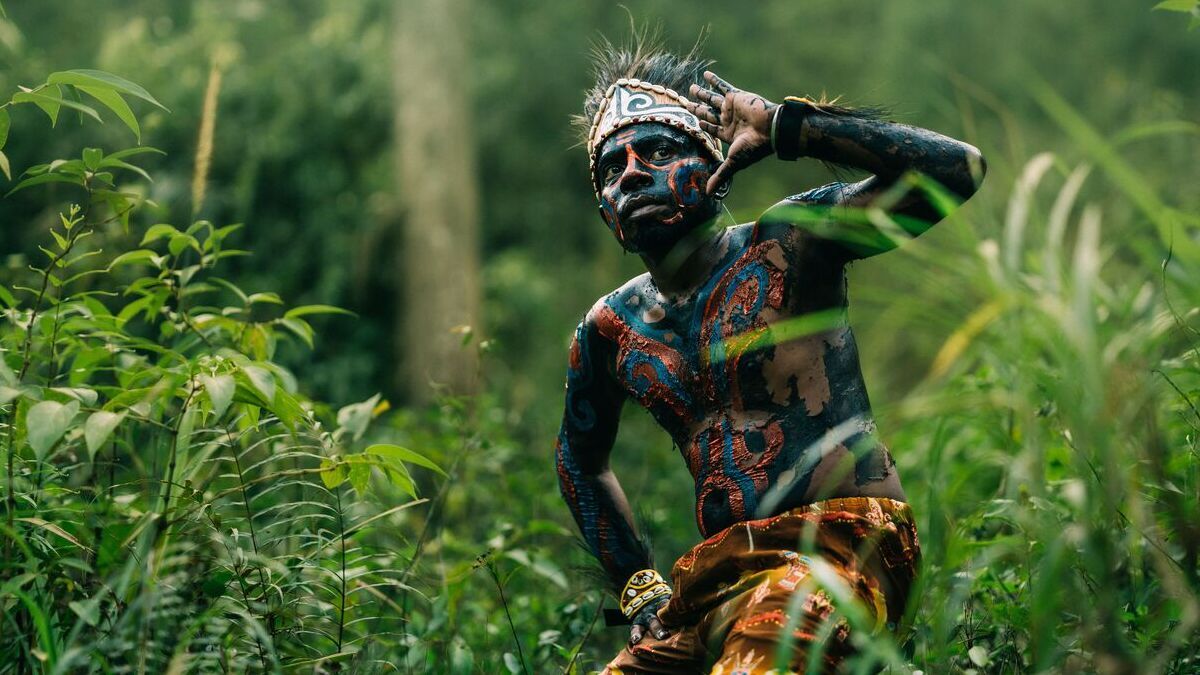
- Greenpeace criticised Indonesia for opposing aspects of proposed arrangements governing Indigenous participation in biodiversity decision-making.
- Countries adopted the Sevan Guidelines at COP17 following negotiations and the presentation of compromise text.
- Civil society groups are demanding stronger customary rights, meaningful representation and equitable access to biodiversity funding.

Indonesia’s position during negotiations on Indigenous Peoples’ and local communities’ participation in global biodiversity governance has drawn criticism from Greenpeace and Indonesian civil society groups following the UN Biodiversity Conference in Yerevan, Armenia.
Greenpeace Indonesia said the Indonesian delegation had opposed aspects of an agreement on the operating arrangements of a permanent body established under Article 8(j) of the Convention on Biological Diversity (CBD), and had sought to defer further consideration until the next conference.
The negotiations concerned how Indigenous Peoples and local communities would be represented in the body and how they would participate in decisions affecting traditional knowledge and biodiversity conservation.
The permanent Subsidiary Body on Article 8(j) was established at the CBD’s 16th Conference of the Parties (COP16) in Cali, Colombia, in 2024. At COP17, which concluded in Yerevan on 31 October 2026, countries adopted its operating arrangements, known as the Sevan Guidelines.
The distinction is important: although Indonesia raised serious concerns and supported further consideration at the next conference, the final arrangements were adopted at COP17 after negotiations and the presentation of compromise text.
Indonesia’s position during the negotiations
In a statement issued on 2 November, Greenpeace Indonesia said the Indonesian delegation had objected to the proposed arrangements for the Subsidiary Body on Article 8(j) during the closing stages of COP17 on 31 October. The organisation said Indonesia had asked for the discussion to be postponed until the next CBD conference.
Syahrul Fitra, Greenpeace Indonesia’s Global Forest Solutions Campaign Lead, said the position risked restricting the leadership role of Indigenous Peoples and local communities in protecting traditional knowledge and participating in biodiversity-related decision-making.
He said other countries had supported Indigenous representation in the permanent body following pressure from Indigenous groups and civil society organisations.
Greenpeace described Indonesia’s position as a setback for the recognition of Indigenous Peoples’ and local communities’ rights, arguing that their participation was essential to protecting forests, marine ecosystems and biodiversity.
The negotiations had focused on the body’s operating procedures, including the role of Indigenous representatives and the arrangements for selecting representatives from different socio-cultural regions.
A joint statement published on 28 October by civil society organisations and representatives of Indigenous Peoples and local communities had urged Indonesia to retain the Indigenous co-chair mechanism and representation from seven socio-cultural regions.
The statement warned that the proposed arrangements could weaken participation and leadership established under the previous Working Group on Article 8(j). It called on Indonesia to reject provisions that would reduce existing participation standards.
What Article 8(j) means
Article 8(j) of the Convention on Biological Diversity concerns the knowledge, innovations and practices of Indigenous and local communities that embody traditional lifestyles relevant to the conservation and sustainable use of biological diversity.
It calls on parties to respect, preserve and maintain such knowledge and practices, promote their wider application with the approval and involvement of their holders, and encourage the equitable sharing of benefits arising from their use.
The permanent Subsidiary Body on Article 8(j) was established through Decision 16/5, adopted at COP16 in November 2024. Its mandate is to provide advice to the CBD Conference of the Parties and other relevant bodies on matters concerning Indigenous Peoples and local communities within the scope of the convention.
The decision recognised the role of Indigenous Peoples and local communities, including their traditional knowledge and practices, in implementing the convention and the Kunming-Montreal Global Biodiversity Framework.
The framework, adopted in 2022, sets 23 targets for 2030, including conserving 30 per cent of the world’s land and seas, restoring 30 per cent of degraded ecosystems, and mobilising greater financial resources for biodiversity protection.
The operating procedures agreed at COP17 are intended to guide how the new body carries out its work. The CBD Secretariat said the rules, officially named the Sevan Guidelines, were adopted after intensive negotiations and represented a step towards strengthening the participation of Indigenous Peoples and local communities in global biodiversity policy.
Government says it supports stronger protection for Indigenous communities
Indonesia’s Environment Ministry presented a more positive account of the country’s participation at COP17.
In a statement issued on 29 October, the ministry said the Indonesian delegation had actively pursued national interests during the conference, including stronger protection for local communities and Indigenous Peoples.
The delegation was led by Noer Adi Wardjojo, Deputy for Pollution and Environmental Damage Control at the Ministry of Environment and the Environmental Control Agency.
Noer Adi said Indonesia’s participation was intended to advance ecological justice and ensure that the country’s biodiversity was managed sustainably for public welfare.
The ministry said Indonesia had pursued several issues during negotiations, including resource mobilisation and financing, capacity-building, technology transfer, digital sequence information, benefit-sharing, biosafety, protected areas and stronger protection for local communities and Indigenous Peoples.
It also highlighted the implementation of the Indonesian Biodiversity Strategy and Action Plan (IBSAP) 2025–2045, which contains 20 national targets, and said Indonesia had submitted its seventh national report to the CBD Secretariat in February 2026.
The ministry’s statement did not specifically address Greenpeace’s criticism of Indonesia’s position on the operating procedures of the Subsidiary Body on Article 8(j), nor did it explain the delegation’s objections during the final negotiations.
Civil society groups demand recognition and direct funding
Greenpeace said the Indonesian delegation’s position had prompted reactions from civil society organisations, which presented seven demands to the government.
Among their requests were recognition and protection of the rights of Indigenous Peoples and local communities; an end to restrictions on their participation in decision-making; direct and equitable biodiversity funding; and an end to financial support for activities that damage the environment.
The groups also called for changes to development policies that threaten ecosystems and the territories in which communities live, as well as greater transparency and accountability over Indonesia’s position during the COP17 negotiations.
Fajri Fadhillah, Greenpeace Southeast Asia’s Legal and Political Campaigner, said the conference had failed to adequately recognise the rights of Indigenous Peoples and local communities to determine their own futures.
He said governments could not claim to be on track to meet the 2030 biodiversity targets while weakening the rights and disregarding the contributions of communities that protect nature.
Fadhillah added that establishing an institutional space for Indigenous Peoples and local communities was not sufficient on its own. They also needed meaningful participation, fair representation and influence over decisions affecting their territories, rights and future.
Rossy You, Greenpeace Indonesia’s Papua Forest Campaigner, said the struggle to protect biodiversity and Indigenous rights in Indonesia remained difficult.
She pointed to the continued delay in passing the Indigenous Peoples Bill, which campaigners say is needed to provide a legal basis for recognising and protecting customary rights.
You also referred to disputes over customary land and forests in southern Papua in connection with national strategic projects. She said Indigenous communities would continue to defend their territories and traditional knowledge.
COP17 adopts biodiversity pathway but global targets remain off track
COP17 took place in Yerevan from 19 to 30 October, with the final negotiations and conference conclusion extending into 31 October.
The conference marked the first global review of collective progress towards the Kunming-Montreal Global Biodiversity Framework, adopted in 2022. The CBD Secretariat said the review found that the world was not on track to achieve the framework’s 23 targets by 2030.
Countries adopted the Yerevan Pathway, which sets out priorities for accelerating implementation over the remaining four years before the 2030 deadline.
The priorities include addressing subsidies and incentives that harm nature, increasing financial and technical support for developing countries, aligning national budgets and economic decisions with biodiversity goals, and strengthening implementation, monitoring and reporting.
The CBD Secretariat also reported nearly US$2 billion in new biodiversity funding announcements during the conference. These included US$560 million under the ninth replenishment of the Global Environment Facility and its Global Biodiversity Framework Fund, US$500 million through the Species Recovery Alliance and more than US$330 million through the Value Nature Fund.
Greenpeace, however, said the conference had not adequately addressed financing gaps or the reform of subsidies that continue to support environmentally damaging industries. It also criticised the influence of large corporations in the negotiations.
The International Union for Conservation of Nature (IUCN), in its closing statement on 1 November, welcomed progress on recognising the contributions of Indigenous Peoples and local communities but said the outcomes did not fully match the ambition and resources required to close implementation gaps.
The CBD’s next Conference of the Parties, COP18, is scheduled to take place in Quito, Ecuador, in 2028.