Iran's retaliatory strike on Israel: Hundreds of missiles and drones launched, 99% intercepted
Iran launched a direct attack on Israel with hundreds of drones and missiles, causing minimal damage. Over 99% were intercepted by Israeli defenses. This act, the first of its kind, was in retaliation for an earlier strike on an Iranian facility in Damascus.


In an unprecedented move, Iran launched a massive assault on Israel with hundreds of drones and cruise missiles late Saturday night. This marked the first direct attack by the Islamic Republic on the Jewish state, ostensibly in retaliation for the 1 April bombing of an Iranian diplomatic facility in Damascus, Syria, which resulted in the deaths of a senior figure in Iran’s Islamic Revolutionary Guards and eight other officers.
According to Israel's Defense Minister, Yoav Gallant, the attack caused minimal damage within Israel.
An IDF spokesperson revealed that over 99% of the more than 300 missiles and drones launched were successfully intercepted by Israeli air defenses.
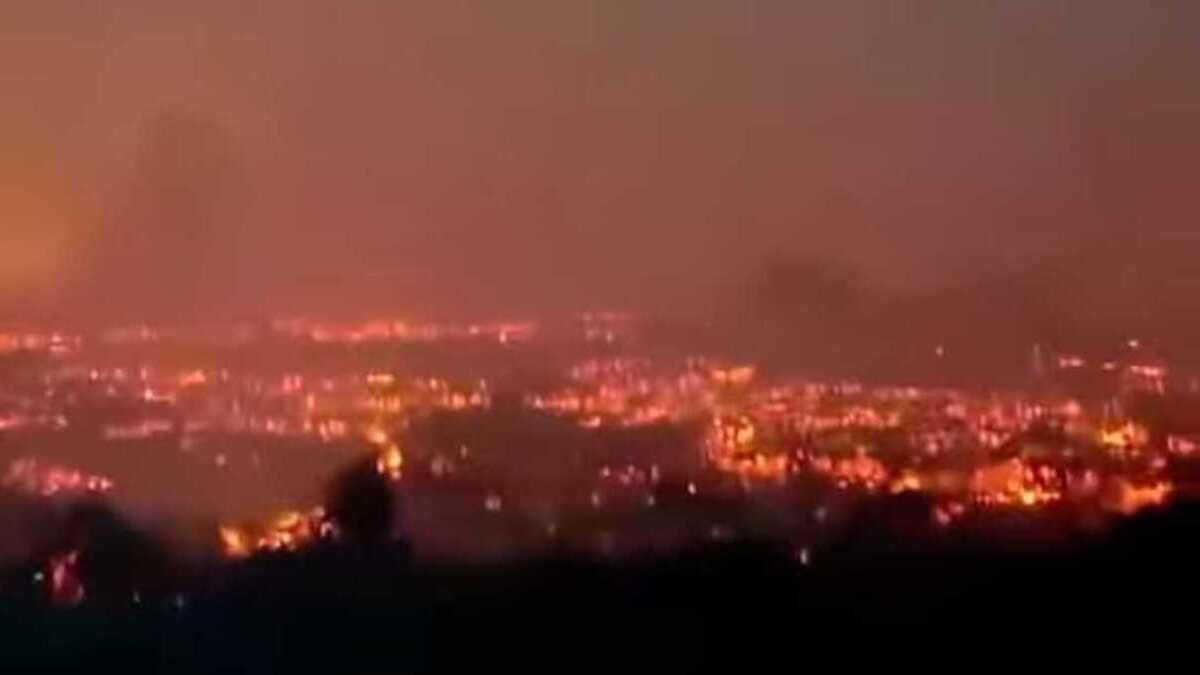
Despite the high interception rate, the attacks prompted widespread alarm across Israel, with sirens sounding off and explosions lighting up the night sky as defenses engaged incoming threats around 2 am local time.
The Iranian strikes reportedly inflicted minor damage on the Nevatim Air Base in southern Israel.
IDF spokesperson Daniel Hagari indicated that only a handful of missiles breached Israeli defenses, causing slight damage to the base's infrastructure.
In response to the attacks, the United States played a significant role in thwarting the assault, with Secretary of Defense Lloyd Austin reporting that US forces intercepted dozens of the Iranian projectiles.
US President Joe Biden lauded the efforts of US military personnel, which contributed to neutralizing nearly all the incoming threats.
President Biden also noted Iran's use of proxy forces in Yemen, Syria, and Iraq to carry out this operation. He returned early from a weekend trip to convene with his national security team and announced plans to hold a G7 leaders' meeting to discuss the situation.
The UK's Royal Air Force was also active during the incident, deploying fighter jets and refueling aircraft from bases in Cyprus not only to support US forces but also to intercept Iranian drones entering their area of operations.
Regional reactions have been swift, with world leaders including those from Saudi Arabia and Egypt urging restraint to prevent further escalation.
UN Secretary-General António Guterres expressed deep concern over the potential for a devastating regional conflict and called for maximum restraint from all parties involved.
Israel's ambassador to the UN has successfully petitioned for an emergency meeting of the UN Security Council to address the crisis, underscoring the high stakes and tense international atmosphere following Iran's counterattack.
https://twitter.com/MOSSADil/status/1779320953044083089