Netizens question Mdm Halimah's role in reserves withdrawal decision and oversight of former PAP colleagues
Mdm Halimah Yacob, Singapore's 8th President, stressed the "robust and intense" of discussions on tapping into the nation's reserves during the COVID-19 pandemic. \n \nHowever, questions linger about her role in the decision and her capacity to oversee former PAP colleagues. Bertha Henson, former Associate Editor of The Straits Times, highlighted that Mdm Halimah did not address whether she had discussed the potential replenishment of reserves.
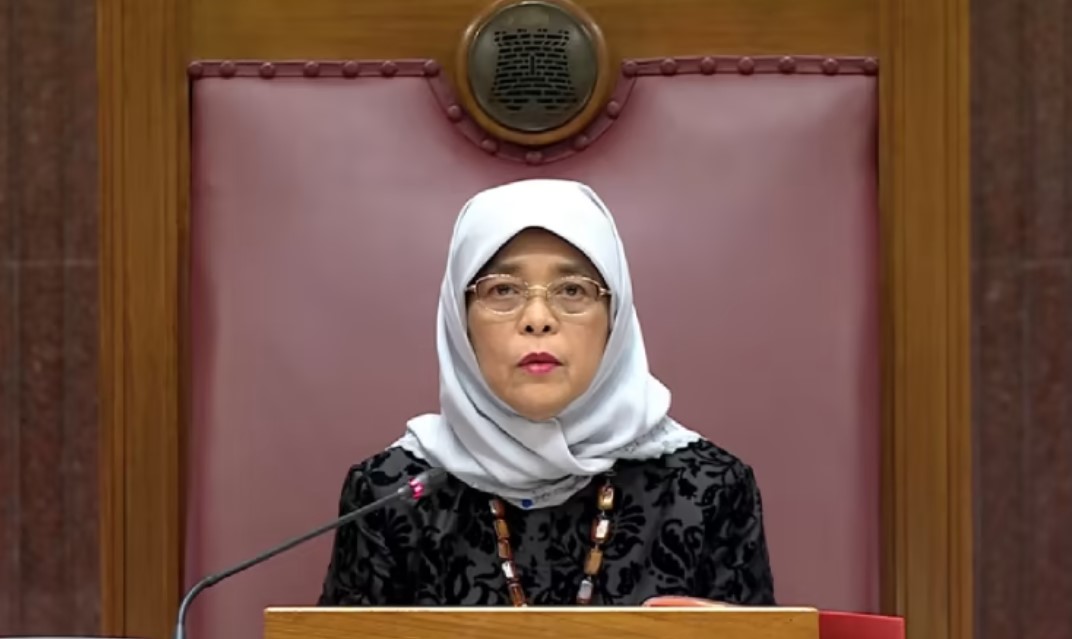

SINGAPORE: In a comprehensive interview with state media Channel News Asia, Mdm Halimah Yacob, Singapore’s 8th President, elaborated on the challenges and intense discussions surrounding the decision to draw on the nation’s reserves during the COVID-19 pandemic.
“We had many, many meetings. And those meetings actually don’t just (last) half an hour. They lasted a few hours because we need to ask questions, we need to be satisfied, we wanted more information,” Mdm Halimah detailed.
She reflected on the gravity of the situation, as Singapore was poised to make its most significant withdrawal from its reserves since the 2009 global financial crisis.
Back then, Singapore extracted S$4.9 billion (US$3.6 billion) to support the economy. Fast forward to the pandemic years between 2020 and 2022, and Singapore had to tap into about S$40 billion from the reserves to combat the unprecedented crisis.
Despite the logistical challenges posed by the COVID-19 pandemic, Mdm Halimah shared that discussions on the reserves were conducted rigorously with half of the participants in separate rooms and others joining via Zoom.
The deliberations were marked by a high level of respect for each other's roles, ensuring a “very thorough” process during this critical crisis.
Mdm Halimah stressed, “We have our role to protect the reserves and to make sure that the government’s request is reasonable.”
“I’m very clear in my mind, I’m only authorized to release past reserves for very exceptional circumstances,” she emphasized.
She grappled with the weighty responsibility of assessing the government's request to utilize reserves for pandemic support, ultimately recognizing the dire necessity due to the dual health and economic crisis.
She offered a glimpse into her decision-making process, describing it as a “very intense process.”
Mdm Halimah recalled the rigorous briefings with ministers and officials, where she would prod them with questions to justify the funds they requested. “If you say the health situation is critical, what do you mean by that? Hospitals, if you say it’s going to be overwhelmed, what do you mean by that?”
The meticulous process ensured the government presented a clear breakdown of their needs.
“Once they provide that, then we understand better the situation, then we can talk about whether we want to support the government’s request to draw down the past reserves.”
Mdm Halimah's unconventional path to Presidency raises questions of independence and public representation
Mdm Halimah’s presidential election was somewhat controversial because it was the first reserved race election.
In the backdrop of her term, Mdm Halimah’s rapid transition from a prominent member of the People’s Action Party (PAP) in 2017 as both a Member of Parliament and Speaker of Parliament to her role as the non-partisan President in just over a month had garnered significant attention.
Questions arose about her ability to act independently from the PAP and serve as an effective check on the government.
Her being the sole eligible candidate in the presidential race – after two potential candidates from the Malay community were disqualified – had left many Singaporeans shocked, feeling deprived of their political voice.
The President receives the same monthly salary as the Prime Minister, which includes the 13th month and the annual variable component, but excludes the performance and national bonuses. This totals S$1.54 million.
Henson: Tendency to glorify a person at the end of the term
When discussing the CNA's interview with Halimah, Bertha Henson, the former Associate Editor of The Straits Times, pointed out that Mdm Halimah did not address whether she had discussed the potential replenishment of reserves.
Ms Henson found this omission unusual, given the importance of preserving resources for future generations.
Additionally, there was no mention of whether Mdm Halimah's lack of financial expertise posed any challenges or clarification about the role played by her Council of Presidential Advisers (CPA) in financial matters.
"I think the tendency is for us always to glorify a person at the end of the term. Rather than ask hard questions."
Netizens scrutinize Mdm Halimah's involvement in reserves withdrawal decision
Commenting on CNA's Facebook post and official TikTok account, numerous netizens raised valid concerns regarding Mdm Halimah's role in the decision to withdraw the reserves.
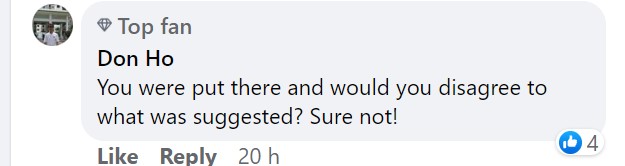
They questioned whether she had voiced objections to her former colleagues when disagreements arose with the current government's choices.
Additionally, some comments called for Mdm Halimah to provide a detailed account of her contributions to Singapore, as many believe that transparency is essential to assess her performance during her term.


Netizens express scepticism over the President's ability to oversee her former colleagues
One comment astutely highlights the striking contrast between Mdm Halimah, a former member of the PAP, winning the presidency in a walkover election in 2017, and the fact that the Prime Minister also hails from the ruling party, the PAP.
This raises the question of the effectiveness of a President in a situation where it may seem like a case of "ownself checking ownself."
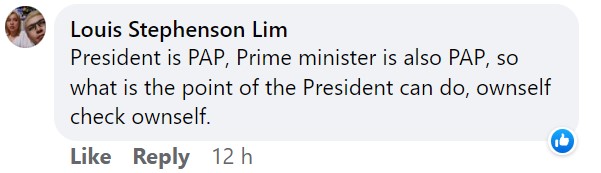
Considering the limited power held by Singapore's President, certain netizens have raised more probing questions about the extent of Mdm Halimah's involvement in the decision to access past reserves.
Some have even questioned whether these decisions were primarily made by the Prime Minister and his Cabinet, prompting queries regarding whether Mdm Halimah had voiced objections to the government's recommendations.

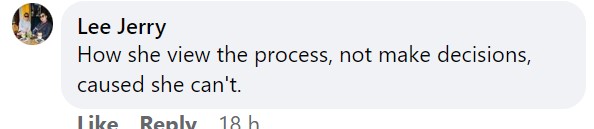
A netizen pointed out that Mdm Halimah's role appears to be more about monitoring processes rather than making decisive policies on significant issues.
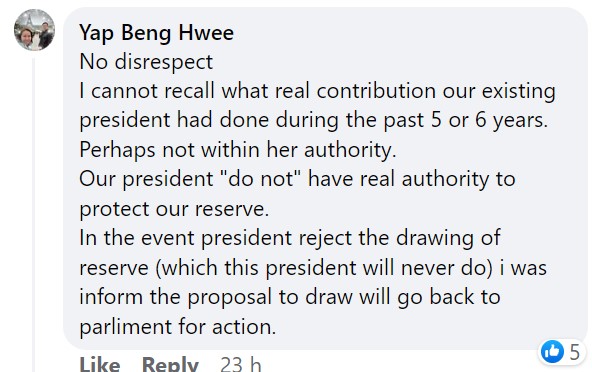
Another netizen expressed the sentiment that they couldn't recall any substantial contributions made by the current president over the past 5 or 6 years, possibly due to the limited authority within her role.
She pointed out that the president does not have significant authority to protect the nation's reserves.
In the event the president was to reject a proposal to access reserves (which they believe is unlikely with the current president), the proposal would likely return to parliament for further action.
Parliament may overrule the President's decision with two-thirds majority vote
In fact, In addition to its ceremonial role, the President is required to seek the advice of the Council of Presidential Advisers (CPA) on all fiscal matters related to Singapore's reserves and the appointment or removal of key public service officials and Fifth Schedule entities.
In other areas involving the President’s discretionary powers, consultation with CPA is optional.
If the President vetoes any fiscal matter touching on Singapore’s reserves or the appointment/removal of any key office holder in the public service or Fifth Schedule entity, and the President’s decision is contrary to CPA’s advice, Parliament may overrule the President’s decision with a two-thirds majority vote.