Bhutan flash flood destroys Gasa Tshachu hot springs infrastructure after glacial lake outburst
A glacial lake outburst flood has damaged infrastructure at Bhutan’s Gasa Tshachu hot springs, destroyed sections of a key access road and prompted precautionary closures, as authorities warn communities downstream to remain vigilant.
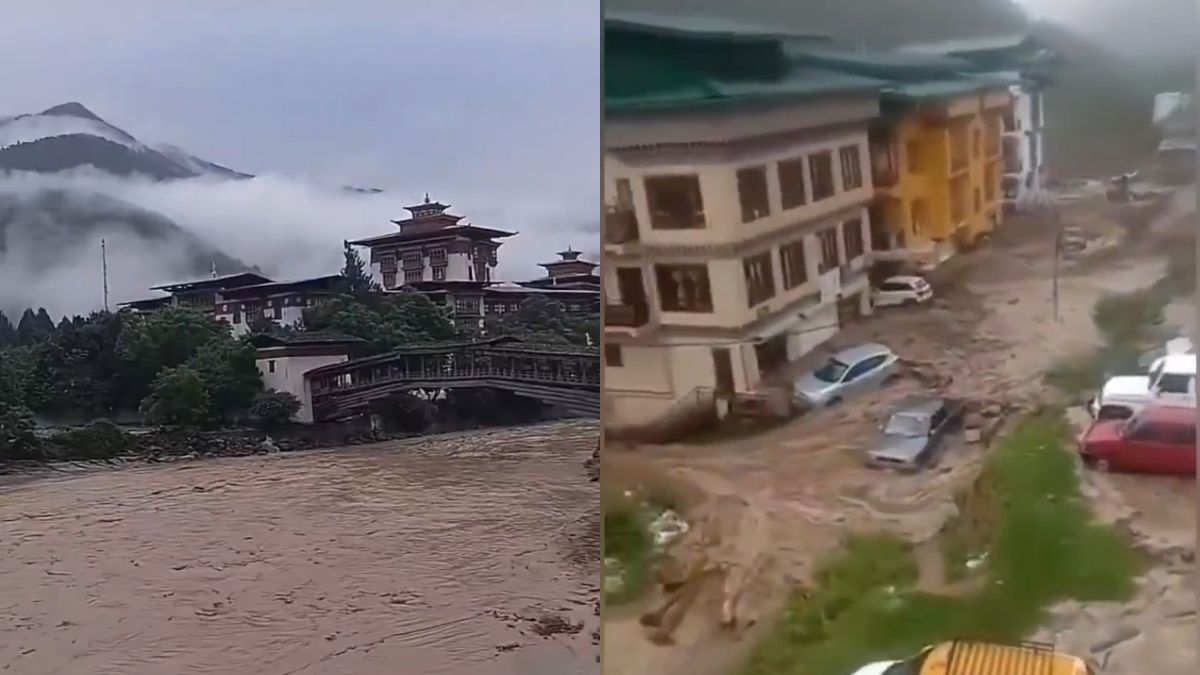
- A glacial lake outburst flood damaged infrastructure at Bhutan’s Gasa Tshachu hot springs on 30 October 2026.
- Authorities warned downstream communities after an artificial lake formed at the confluence of two rivers.
- Research shows development in potentially flood-prone Himalayan areas increased substantially between 2016 and 2023.

A glacial lake outburst flood (GLOF) has swept through Bhutan’s Gasa Tshachu natural hot springs, damaging infrastructure and potentially destroying two bridges, prompting safety warnings and precautionary closures across affected areas.
The late-night flash flood occurred following the outburst of Shintaphu Lake in Lungo Chiwog, Laya Gewog, Gasa, on 29 October 2026.
No injuries or fatalities have been reported, according to Bhutan Broadcasting Service (BBS), the country's state broadcaster.
The extent of the destruction remained unclear on 30 October because darkness and the strong flow of floodwaters prevented an immediate assessment of the affected infrastructure.
BBS reported that two Bailey bridges, which are portable bridges assembled from prefabricated sections, may have been washed away by the floodwaters.
The incident has raised concerns over the safety of communities and infrastructure situated along Himalayan river valleys, where sudden glacial lake releases can generate destructive flooding downstream.
Gasa Tshachu, located in northern Bhutan, is a significant natural tourism attraction.
The Himalayan kingdom is situated between India and China.
Punakha Dzong closed as authorities introduce precautionary measures
Authorities have introduced precautionary restrictions following the glacial lake outburst, including the temporary closure of Punakha Dzong to visitors and tourists.
According to an announcement issued by the Punakha District Administration, the historic fortress will remain closed with immediate effect until further notice.
The administration said the decision was taken in the interest of public safety following the outburst of Shintaphu Lake.
The closure reflects wider concerns about the potential consequences of the flood, particularly as water moves through connected river systems and affects downstream locations.
Although no casualties have been reported, the full extent of the damage to local infrastructure and surrounding facilities has yet to be established.
Road to Laya village becomes impassable following flash flooding
The flooding has also disrupted access to Laya village, where Gasa Tshachu is located.
Bhutan's national newspaper, Kuensel, reported that part of the road leading to the village had been washed away, leaving the route impassable.
The road has been closed to traffic indefinitely, according to the newspaper.
Kuensel also reported that the affected area had been evacuated before the floodwaters reached it, a measure that helped reduce the immediate risk to people in the vicinity.
National hydrology authorities warn communities along major rivers
Bhutan's National Centre for Hydrology and Meteorology (NCHM) has issued a public advisory following the glacial lake outburst on 29 October.
According to the agency, an artificial lake has formed at Taktsi Makhang, where Shintpahu Chhu meets Lunana/Gangchen Taak Chhu.
The formation of the artificial lake adds another element of concern to the evolving hydrological situation.
NCHM advised residents living along the Mochhu and Punatsangchhu river valleys to remain vigilant and avoid riverbanks and flood-prone areas.
The agency also urged the public to remain alert and take the necessary precautions.
"Stay alert and take necessary precautions," the advisory stated.
NCHM said it was continuously monitoring the situation in coordination with concerned agencies.
Further updates would be provided as more information became available, the agency said.
The latest incident is not the first time Gasa Tshachu has suffered significant flooding.
The hot springs were also affected by a flash flood in 2021, when the Mochhu River changed course and swept through the area.
Nearly 300,000 people face Himalayan flood threats as construction in danger zones surges 46%
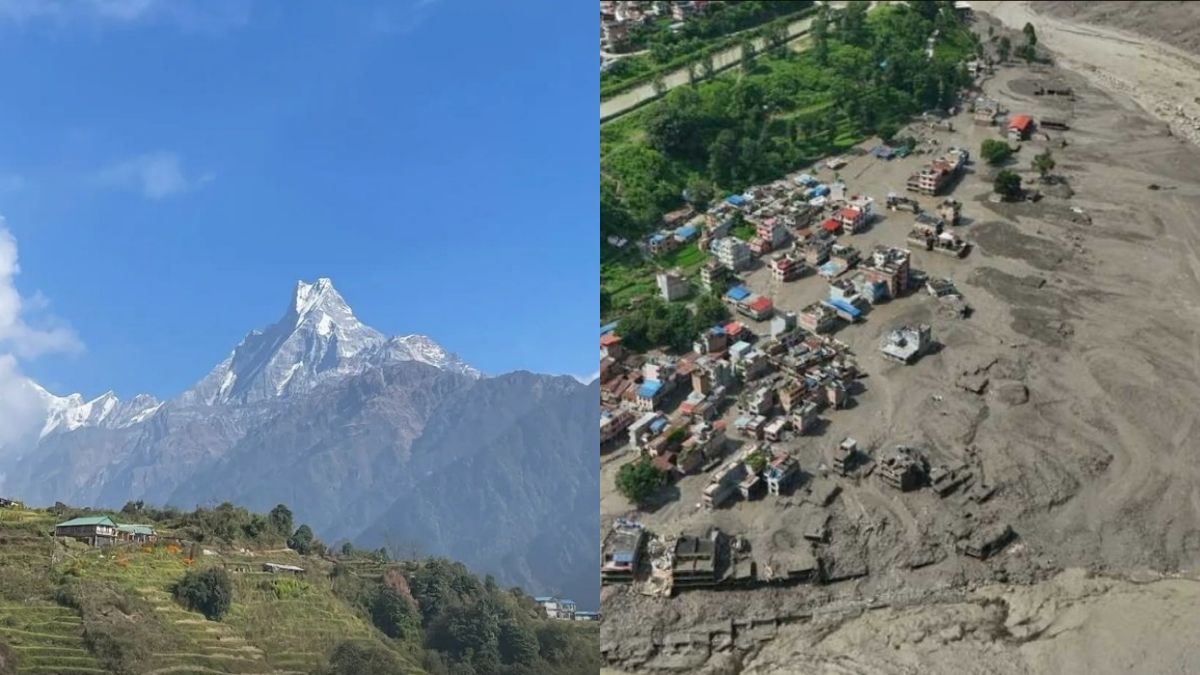
The latest Bhutan disaster comes amid wider scientific concerns about increasing human exposure to flood hazards across the Himalayan region.
A study published in Scientific Reports on 8 October 2026 found that building footprints in potentially flood-prone Himalayan catchments increased by 46% between 2016 and 2023.
Development within areas threatened by glacial lake outburst floods increased by an even greater 78% over the same period.
Researchers estimated that approximately 293,800 people, representing 18% of the study area's projected population, could be living within 50 vertical metres of river channels.
The research covered selected catchments in Nepal, south-eastern Tibet and India's Uttarakhand.
It associated increasing exposure with tourism, hydropower and infrastructure development, alongside weaknesses in land-use planning and growing climate-related hazards.
Recent Himalayan disasters leave more than 1,400 dead and thousands missing
The study was conducted before a series of catastrophic flooding events across the wider Himalayan river system in August 2026.
Those disasters reportedly killed more than 1,400 people and left thousands missing in Nepal.
On 26 August 2026, a mudslide at Gyirong Port on the China–Nepal border in Tibet triggered flooding.
Local authorities confirmed 43 deaths, while another 519 people were reported missing.
A separate disaster struck Nepal's Gorkha district on 11 October 2026, when a dry landslide blocked the Budhi Gandaki River near Chumchet in Chumnubri.
The resulting natural debris dam subsequently burst, releasing floodwaters downstream.
More than 200 homes were damaged or destroyed, while five bridges were swept away. Five people were also reported missing.
Parts of the 341-megawatt Budhi Gandaki hydropower station at Selleri sustained damage.
Between 300 and 650 people were reportedly directly affected by the disaster.
More than 100 foreign trekkers also became stranded in the Manaslu Conservation Area after floodwaters destroyed sections of trekking trails.