Nepal flood strands more than 100 foreign trekkers as five villagers remain missing
More than 100 foreign trekkers remain stranded in central Nepal after a landslide-triggered flood destroyed trails, bridges and homes along the Budhi Gandaki River. Authorities have rescued 321 people, while five villagers remain missing.
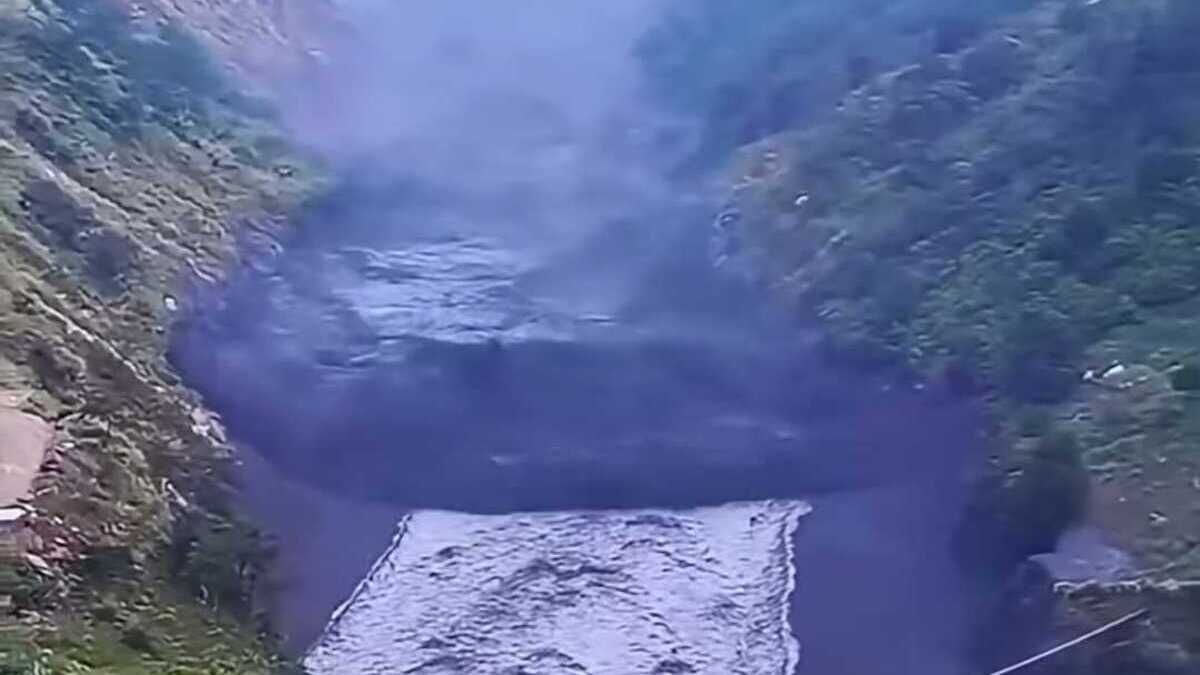
- More than 100 foreign trekkers remain stranded after flooding destroyed trails and bridges in Nepal’s Manaslu region.
- Authorities rescued 321 people, including 12 foreign nationals, while five villagers remained missing as of 12 October.
- The flood damaged homes, livestock shelters and three hydropower projects, while concerns emerged over flood monitoring and warning delays.

More than 100 foreign trekkers have been stranded in different parts of central Nepal after a landslide-triggered flood swept away hiking trails, bridges and homes along the Budhi Gandaki River, prompting a rescue operation involving the Nepal Army and other authorities.
Authorities rescued 321 people, including 12 foreign nationals, by Monday (12 October), according to officials cited by Reuters. Five villagers remained missing, while no deaths had been reported as of Monday.
The flood also damaged three hydropower projects and cut off settlements in Gorkha district, about 100km west of Kathmandu.
The disaster occurred on Sunday after a landslide blocked the Budhi Gandaki River system. Water accumulated behind the blockage before surging downstream with mud, rocks and other debris.
Although the river level had receded by Monday, damaged trails and bridges continued to prevent residents, workers and tourists from leaving some affected areas.
The Nepal Army said rescue operations would continue on Tuesday.
Trekkers stranded as routes are washed away
The flooding has severely disrupted travel in the Manaslu region, a popular trekking destination in northern Gorkha that includes routes towards the Tsum Valley.
Bhuwan Raj Ojha, an information officer with the Manaslu Conservation Area Project, told Reuters that more than 100 foreign trekkers were stranded at different locations because sections of the trails had been swept away.
Trekkers wishing to return because of the flooding would need to be rescued, while those who wanted to continue their journeys could do so from locations considered safe, he said. Restaurants and teahouses along the route were also reported to be safe.
The Kathmandu Post reported on Monday that the flood had severed the foot trail connecting Jagat and Salleri, leaving residents unable to travel between the two settlements or reach the administrative centre of Chumnubri Rural Municipality.
Ganesh Karki, a resident of Jagat, told the newspaper that the lower route had been washed away and there was no usable uphill path out of the village. More than 100 tourists in the area were unable to leave because of the damage.
Ram Kumar Gurung, the ward chair of Chumnubri-3, said residents were unable to travel in either direction. Food supplies had been delivered by helicopter, and authorities were making arrangements to evacuate tourists and workers who could not leave on foot.
The Manaslu Conservation Area Project said tourists were staying where they had spent Saturday night and were safe, according to the Kathmandu Post.
Five villagers missing as homes and infrastructure are damaged
The flood carried black mud, rocks and debris through settlements along the river corridor. Preliminary assessments reported that 45 houses had been completely destroyed and 27 partially damaged across affected areas, including Ghattekhola, Salleri, Paiyun and Jagatbagar in Chumnubri, as well as Machhakhola in Dharche Rural Municipality.
Two motorable bridges and two suspension bridges were also reported damaged, along with 34 livestock sheds. Authorities were still gathering information to establish the full extent of the destruction.
The five missing villagers were identified by local police as Sonam Lama, 65; his wife, Memmo Aji Lama, 59; Som Bhuti Lama, 66; Karma Lama, 73; and Dorje Lama, 41.
They were from Chumchet in Chumnubri-6 and had reportedly gone to graze sheep and were staying in a shed near the Ungilung stream.
Assistant Chief District Officer of Gorkha Netra Prasad Sharma confirmed that the five were missing. Local residents said the shed could no longer be seen and that continuing landslide activity made it dangerous to approach the area.
The Nepal Army deployed helicopters to rescue people stranded by the flood. Its personnel moved dozens of people to safer locations on Sunday, while the wider rescue effort continued on Monday.
Three hydropower projects damaged
The flooding also damaged three hydropower projects in the area, according to the Kathmandu Post.
The 341-megawatt Budhi Gandaki semi-reservoir project, under construction in Salleri, sustained damage when floodwaters swept away equipment and affected its construction camp.
The 24.5-megawatt project at Dobhan suffered damage to its camp and a Bailey bridge, while the access road to the 16-megawatt Machhakhola hydropower project was damaged.
The destruction of bridges and trails has complicated efforts to deliver supplies and reach isolated settlements. In some areas, air transport has become the only practical means of access while authorities assess damage and consider alternative routes.
Authorities investigate how the flood began
Nepal’s National Disaster Risk Reduction and Management Authority has provisionally attributed the flooding to a landslide that blocked a stream feeding into the Budhi Gandaki River system. The accumulated water was then released when the temporary blockage gave way, according to local reporting.
The exact sequence of events remained unconfirmed as of Monday.
The International Centre for Integrated Mountain Development (ICIMOD) said the flood may have been triggered by the failure of a temporary river blockage created by a landslide, based on preliminary accounts from Nepal’s authorities.
Pema Gyamtsho, ICIMOD’s director general, said the incident highlighted the exposure of mountain communities and river corridors to sudden, cascading hazards.
He said that, alongside the immediate response, understanding what had triggered the flood would be important for reducing future risks.
The disaster has also raised questions about the speed of official flood warnings.
In a report published on Monday, the Kathmandu Post said residents began alerting one another before 5am on Sunday, while the first official warning from a local police post was issued later.
The newspaper quoted Rajan Bhattarai, deputy director and spokesperson for the Flood Forecasting Division, as saying that the flood appeared to have started at about 4.30am, while SMS alerts to residents in upper areas were sent between 6.30am and 6.40am.
Bhattarai said the hydrology department lacked monitoring equipment along the upper reaches of the Budhi Gandaki, making it difficult to detect sudden floods in unmonitored tributaries.
Flood follows deadly disaster in the Himalayan river system
The latest flooding comes less than two months after a catastrophic flood in August in the wider Himalayan river system killed more than 1,400 people and left thousands missing, according to earlier reports cited by Reuters and regional media.
The August disaster followed a glacier collapse and caused widespread destruction in the Nepal-China border region. The two events are distinct, and authorities have not established that the latest flood was caused by a glacier collapse.
The latest incident demonstrates the immediate challenges facing emergency teams in remote mountain areas: damaged transport links, isolated settlements, missing residents and trekkers unable to continue or return along established routes.
Nepal’s tourism authorities have advised trekkers and visitors in the affected area to exercise extreme caution, avoid riverbanks and damaged bridges, move to higher ground when necessary, and follow instructions from local authorities.
Visitors have also been advised to confirm trail conditions with guides and accommodation providers before attempting to continue their journeys.
As rescue operations continue, authorities are working to locate the five missing villagers, evacuate people unable to leave on foot, and restore access to communities cut off by the flood.