Magnitude 7.7 earthquake strikes southern Panama, damaging buildings and cutting off town
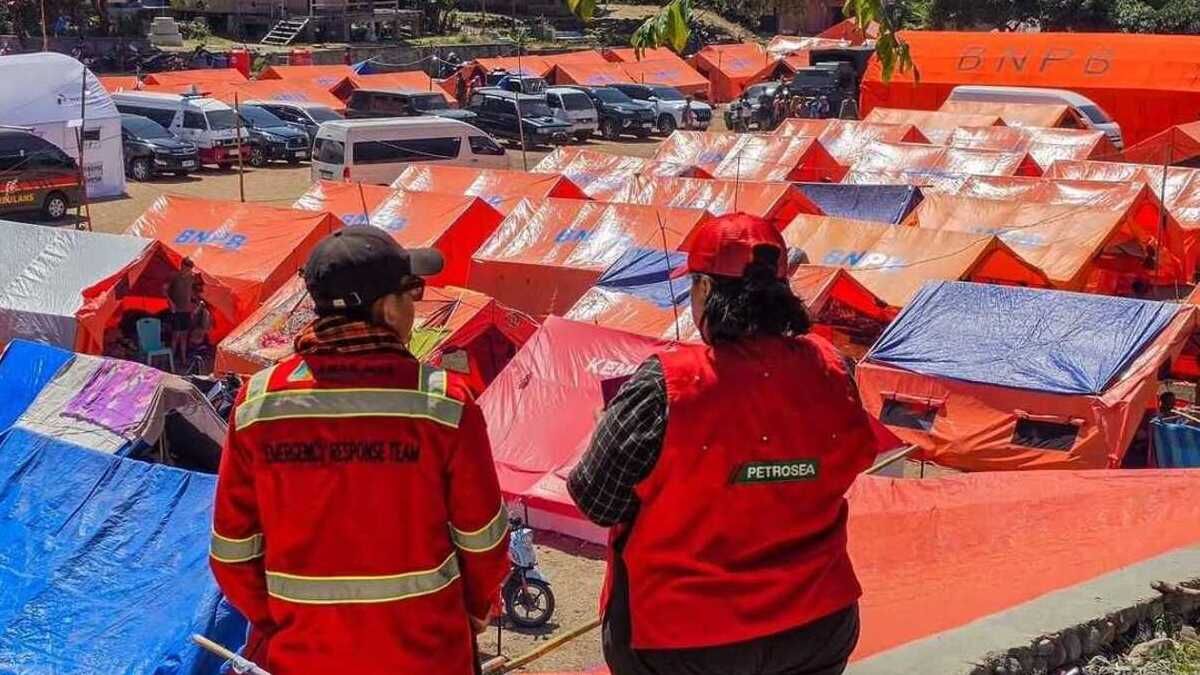
A magnitude 7.7 earthquake struck southern Panama on 9 October 2026, damaging homes, churches, hotels and roads in central provinces and sparking panic in Panama City. Officials reported minor injuries but no deaths, while the town of Tonosí was left cut off by land.
- A magnitude 7.7 earthquake struck southern Panama, with officials reporting minor injuries but no deaths.
- Damage was concentrated in central provinces, and the town of Tonosí was cut off by land.
- Tsunami warnings were lifted, while the Panama Canal continued operating normally despite dozens of aftershocks.

A magnitude 7.7 earthquake struck southern Panama on Friday, 9 October 2026, damaging homes, roads, churches and government buildings across the central provinces and triggering panic in the capital, Panama City.
Officials said several people suffered minor injuries, but there were no reports of fatalities or missing persons, according to the National Civil Protection System (SINAPROC).
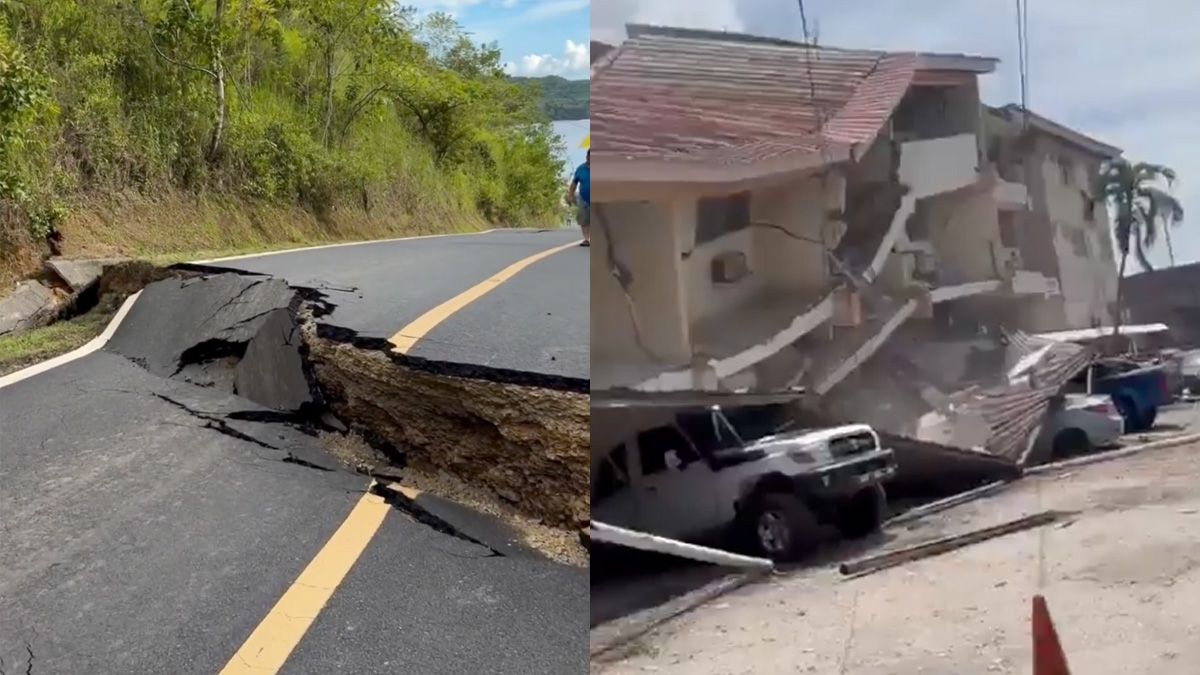
“We are facing a major disaster,” President José Raúl Mulino said, according to AFP, adding that some roads had “completely collapsed”.
Epicentre and magnitude
According to the US Geological Survey (USGS), the earthquake struck at 1756 GMT, 12 kilometres west-southwest of the small town of Pitaloza Arriba, at a shallow depth of 12.6 kilometres.
The USGS upgraded its initial magnitude estimate from 7.6 to 7.7. The agency had earlier warned that some casualties were possible and that extensive damage was probable.
The Geoscience Institute of Panama placed the epicentre 14 kilometres from Pitaloza Arriba, while AFP reported it as 10 kilometres from the town, which lies in the south-centre of the country.
According to the National Civil Protection System, the tremor lasted around a minute and was felt across the Central American nation of about 4.5 million people.
Damage concentrated in central provinces
AFP reported that the damage appeared to be concentrated in the central regions of Herrera, Azuero, Veraguas and Los Santos.
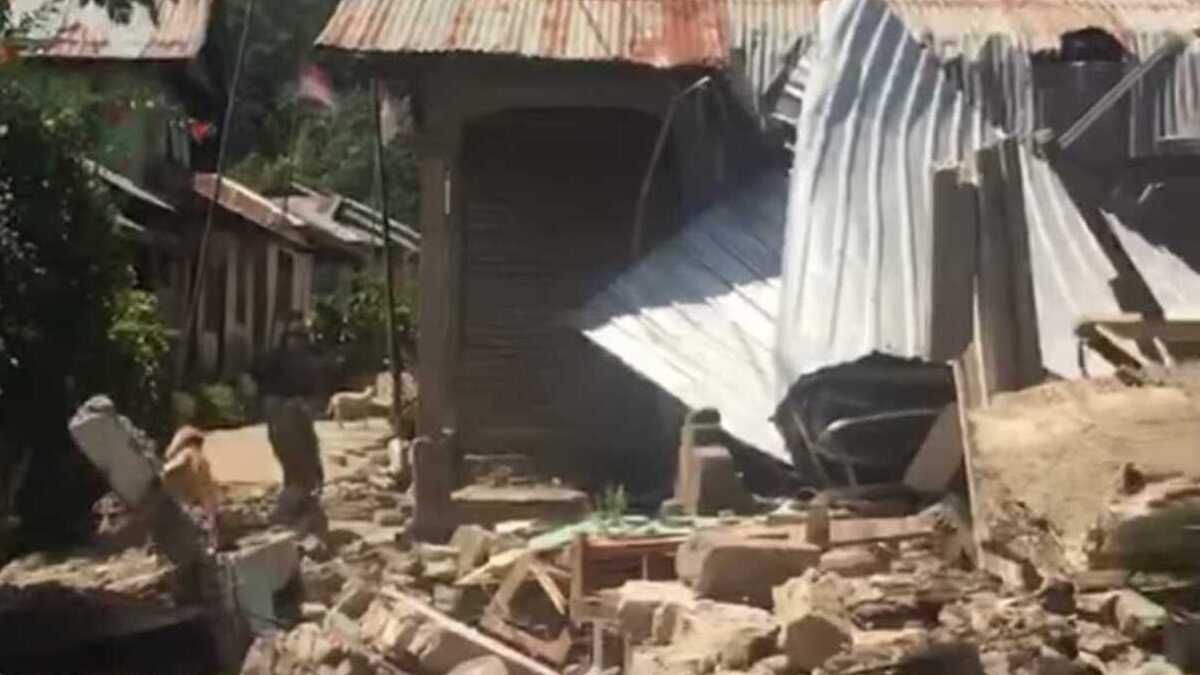
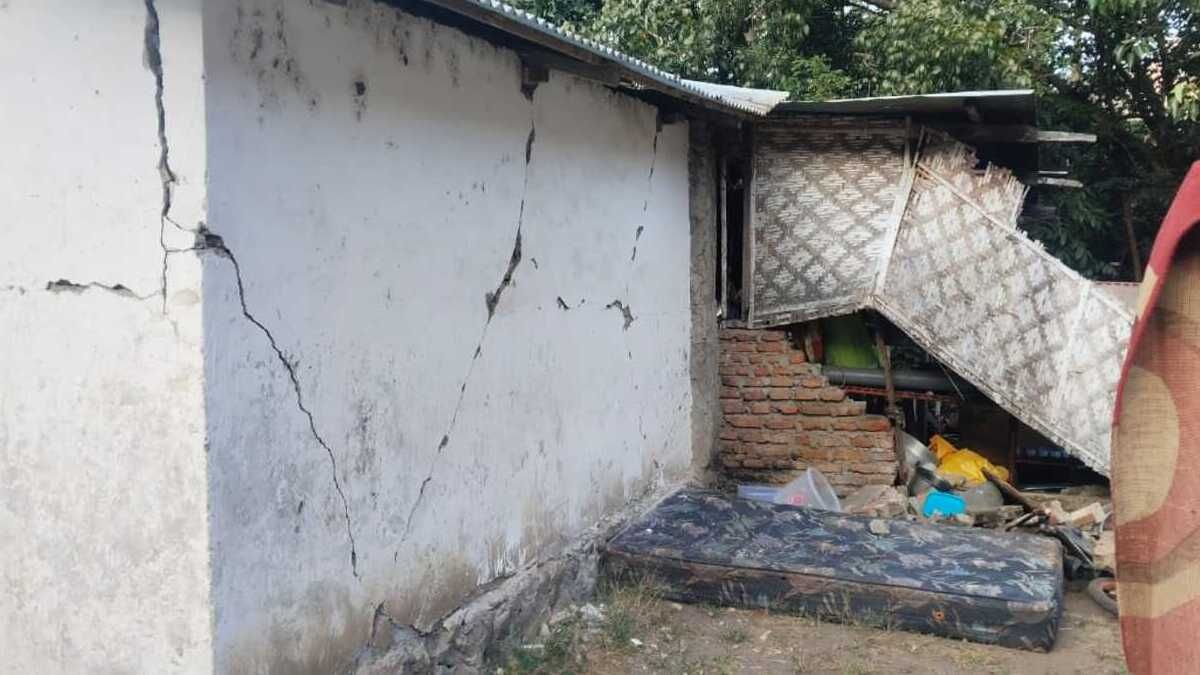
Homes, roads, hotels, businesses, churches and government buildings sustained structural damage, according to the civil protection system.
Health Minister Fernando Boyd said the most affected areas were the provinces of Herrera and Coclé, as well as Los Santos in the south-east.
Boyd said the town of Tonosí in Los Santos had been completely cut off. “We are trying to figure out how to get there by air, because it’s impossible by land,” he said.
In Penonomé, about 150 kilometres south-west of Panama City and some 70 miles from the epicentre, footage verified by CNN showed several damaged buildings.
One video showed a church with a partially collapsed steeple, while another showed a building with a crumbled facade. Images shared by local media showed that part of a hotel in the town had collapsed.
Photographs from Penonomé also showed a damaged house near the St John the Baptist Cathedral, with police officers standing guard beside damaged structures. Authorities also reported severe damage in Santiago.
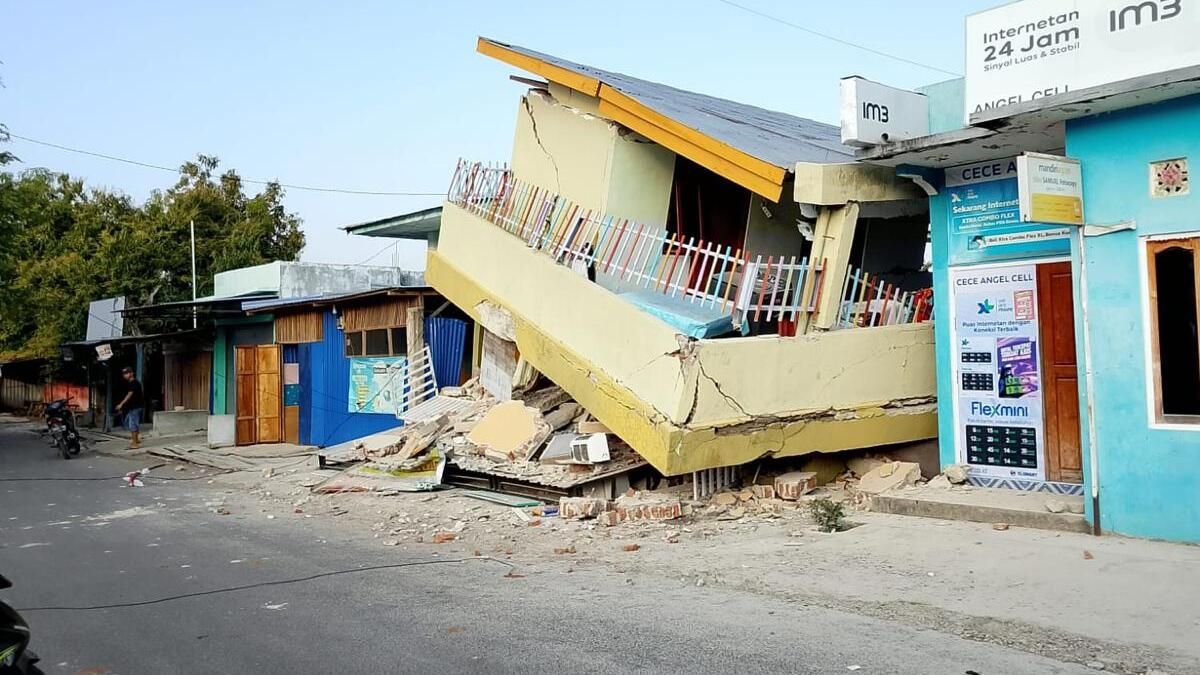
In the popular resort town of Playa Venao, a multi-storey building collapsed and crushed several cars beneath it, CNN reported. Minor damage was also recorded in Santa Catalina, in Veraguas province.
Hospitals evacuated
President Mulino visited an affected hospital in Penonomé, where several patients were evacuated and had to receive treatment outdoors, according to CNN.
In Panama City, people were evacuated from a hospital, and crowds gathered outside the maternity ward of Santo Tomás Hospital following the quake.
Panic in the capital
In Panama City, about 200 kilometres from the epicentre, people rushed to evacuate from skyscrapers, AFP reported. Scores of residents gathered in the streets after fleeing their buildings.
“I am on the ninth floor here and yes it was felt strongly, it was felt strongly,” Panama City resident Kevin Cortez told Reuters.
Another resident described the shaking inside their home. “Everything was moving: the lamp, the chair, the table,” the resident said, explaining that they chose to wait it out because running down the stairs posed a risk.
“Yes, we felt it was quite prolonged. People running, shouting; not everyone takes it the same way, but well, here we are, downstairs,” the resident added.
A video widely shared on social media, which AFP said it could not verify, showed water spilling from a pool at the top of a building of more than 20 storeys.
Early reports indicated that there was no significant damage in the capital itself.
Transport and public services disrupted
Panama City’s public transit system suspended service on two metro lines and evacuated passengers from some stations.
The country’s main international airport, a major regional hub, was temporarily closed as a precaution. Several flights were diverted to other airports before operations resumed later in the day, according to the Civil Aeronautics Authority.
The Ministry of Education cancelled classes nationwide for the rest of the day.
The National Institute of Aqueducts and Sewers (IDAAN) reported interruptions at several water treatment plants due to power outages caused by the quake.
Panama Canal operations continue
The Panama Canal Authority said shipping through the waterway, which connects the Pacific and Atlantic oceans, was operating “as normal”, and that staff were inspecting facilities for potential damage.
Footage showed the suspension cables of the Centennial Bridge shaking as vehicles drove across. Another video showed a bridge over the canal shaking violently but remaining upright, AFP reported.
Tsunami warnings lifted
The quake initially triggered a tsunami warning for Panama, along with warnings of smaller but dangerous waves along coasts elsewhere in Latin America and the South Pacific.
The warnings were later lifted, with the US Tsunami Warning Center stating there was no longer a threat. No damage from waves was reported.
Aftershocks continue
According to the USGS, more than 40 aftershocks were recorded, including one with a preliminary magnitude of 6.6.
AFP reported that the local geosciences institute had recorded more than 80 aftershocks, one of them above magnitude 6.0.
Earthquakes are rare in Panama and usually occur in the western province of Chiriquí, which borders Costa Rica, according to AFP.
Government response
President Mulino called for calm and instructed the Minister of Government to provide information on the earthquake’s effects. He also mobilised resources for those affected.
Writing on X, Mulino said: “What happened should not be used to generate alarms and disorder.” He added that he had called for a report on the damage.
Regional context
The earthquake is the latest powerful tremor to strike Latin America this year. According to CNN, two earthquakes in Venezuela over the summer killed more than 6,400 people, while a quake in Colombia left around 300 dead.
The leaders of both Venezuela and Colombia have offered to help Panama’s government as it responds to the disaster.