Death toll from Indonesia’s Flores earthquake rises to 91 as aftershocks exceed 6,400
The death toll from the magnitude 7.7 earthquake in Flores, East Nusa Tenggara, has risen to 91, with more than 161,000 people displaced and 6,407 aftershocks recorded.
- The Flores earthquake death toll has risen to 91 across seven regencies in East Nusa Tenggara.
- More than 161,000 people are staying at evacuation sites following the disaster.
- BMKG has recorded 6,407 aftershocks, including 33 with magnitudes above 5.

The death toll from a magnitude 7.7 earthquake that struck Flores in Indonesia’s East Nusa Tenggara province has risen to 91, while the number of people displaced by the disaster has reached more than 161,000, according to the National Disaster Management Agency (BNPB).
The earthquake has also been followed by thousands of aftershocks, with the Meteorology, Climatology and Geophysical Agency (BMKG) recording 6,407 events by 5am local time on Monday, 24 August 2026.
BNPB said four additional deaths had been recorded compared with the previous day, bringing the total number of fatalities to 91.
The victims were spread across seven regencies in East Nusa Tenggara. The highest number of deaths was recorded in Manggarai, with 32 fatalities, followed by East Manggarai with 31 and Nagekeo with 14.
Sikka recorded six deaths, Ngada five, Ende two and West Manggarai one.
Berton SP Panjaitan, acting head of BNPB’s Disaster Data, Information and Communication Centre, said the number of people displaced by the earthquake had also increased.
More than 161,000 people displaced
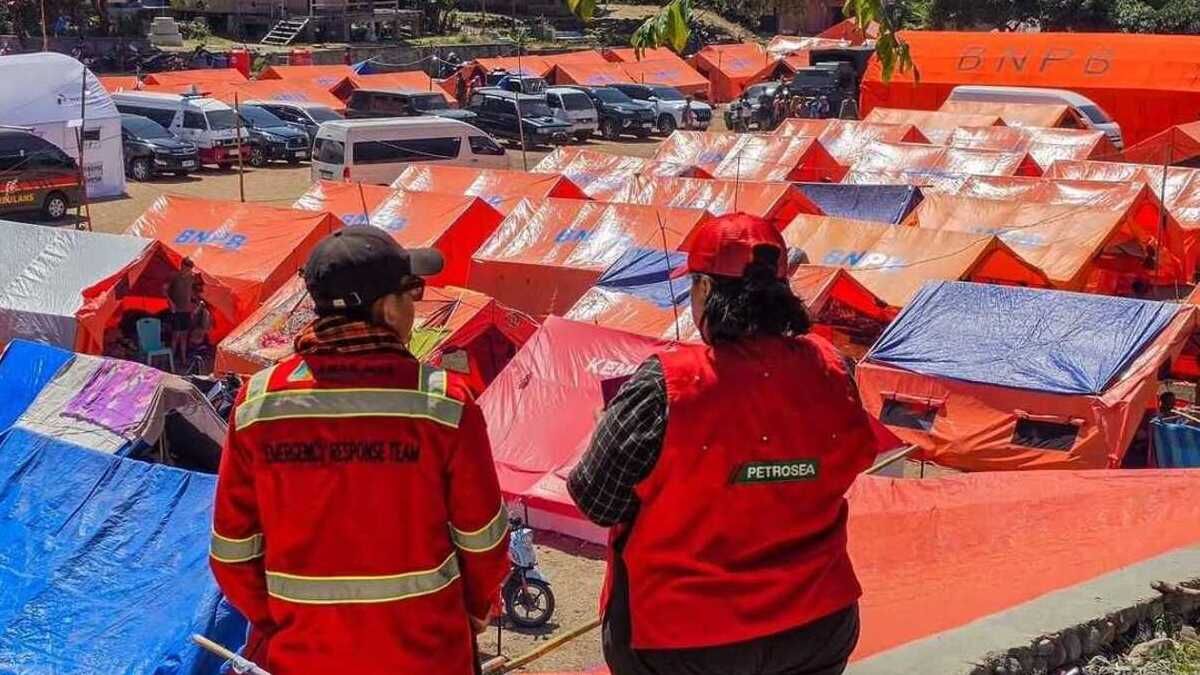
BNPB reported that 161,084 people were staying at evacuation sites following the earthquake.
Manggarai had the largest displaced population, with 46,519 people. It was followed by Nagekeo, with 34,256 displaced residents, and East Manggarai, with 31,372.
The large number of displaced residents reflects the continuing impact of the earthquake across several areas of Flores and neighbouring parts of East Nusa Tenggara.
Authorities have continued to monitor affected communities as aftershocks persist.
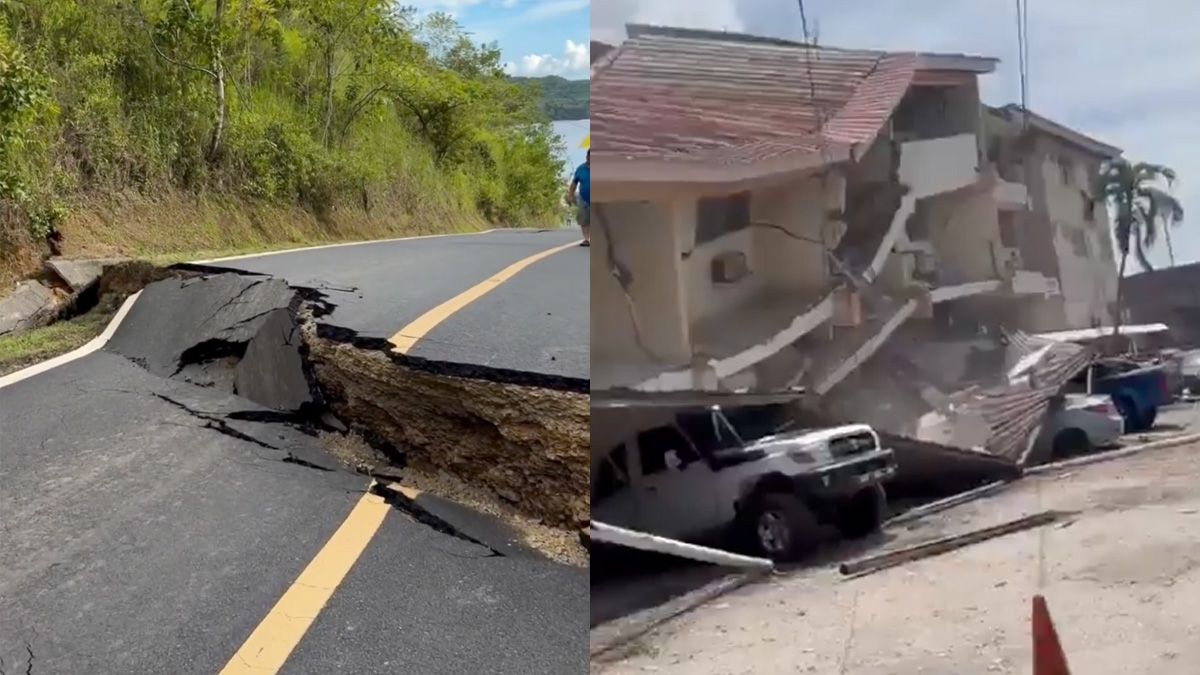
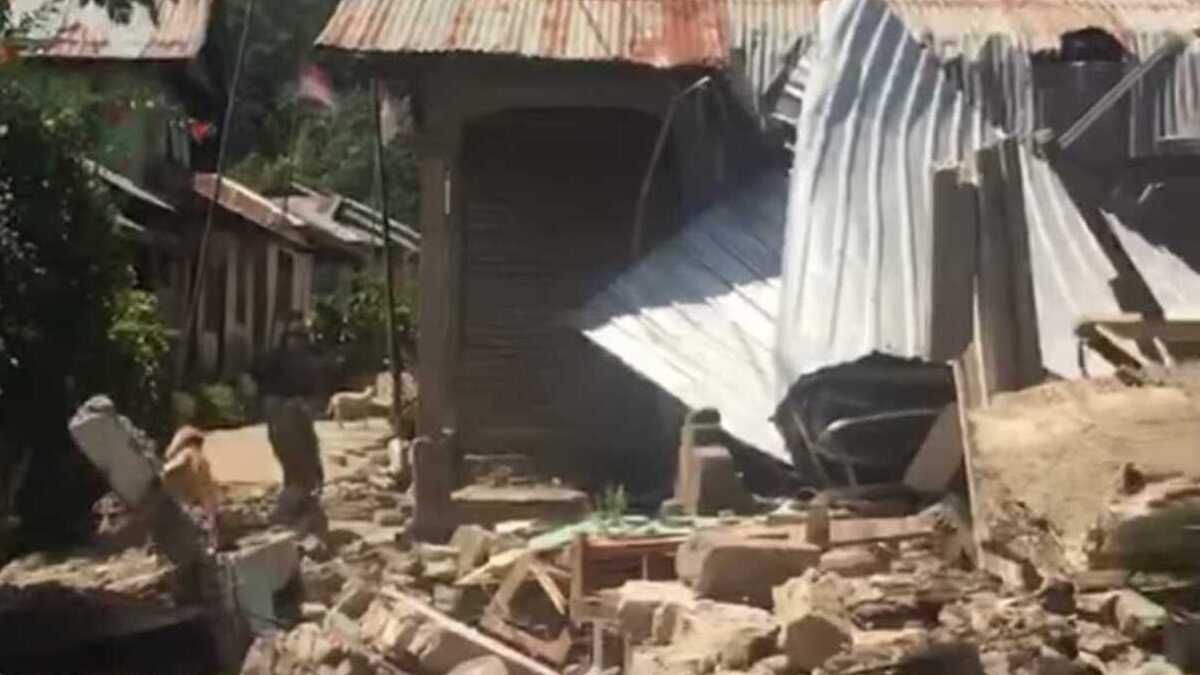
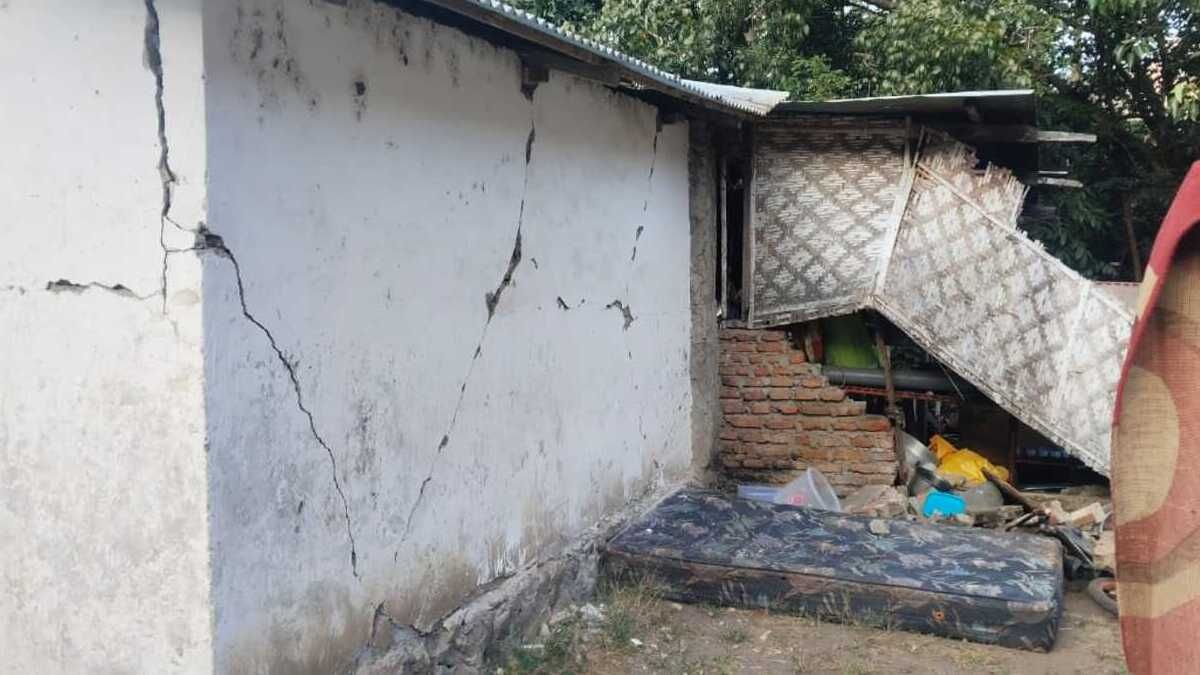
The earthquake struck Flores with a magnitude of 7.7 and caused casualties and damage across several regencies. Emergency authorities have been collecting data on deaths, injuries and displacement as rescue and response operations continue.
Elderly people among largest groups of victims
BNPB said 40 of the 91 people who died were men, while 48 were women. The identities of three other victims were still being established.
By age group, 39 of the victims were elderly people. Four were toddlers, one was a child under five, 12 were children and teenagers, and 35 were adults.
BNPB also reported that 1,286 people had been injured.
East Manggarai recorded the highest number of injured people, followed by West Manggarai.
The agency said 51 per cent of the deaths were caused by the direct effects of the earthquake, including people being struck or trapped by collapsed buildings.
The remaining 49 per cent of deaths were attributed to indirect effects of the disaster.
Aftershocks continue across Flores
The earthquake has been followed by a large number of aftershocks.
BMKG said that, as of 5am on Monday, 24 August, it had recorded 6,407 aftershocks following the magnitude 7.7 earthquake in Flores.
The largest aftershock had a magnitude of 6.2, while the smallest measured 1.1.
Of the total, 33 aftershocks had magnitudes above 5. BMKG also recorded 137 aftershocks that were felt by residents.
The agency has continued to monitor seismic activity in the region as communities affected by the main earthquake remain in evacuation areas.
Seven regencies report fatalities
The fatalities recorded by BNPB were concentrated in seven regencies.
Manggarai recorded the highest death toll at 32, closely followed by East Manggarai with 31. Nagekeo recorded 14 deaths, while Sikka recorded six and Ngada five.
Ende recorded two deaths and West Manggarai one.
The affected regencies are located on Flores, an island in East Nusa Tenggara, a province in eastern Indonesia. Flores is home to several densely populated districts and is a major part of the province's population and transport network.
With aftershocks continuing, authorities have maintained evacuation arrangements and disaster monitoring in affected areas.