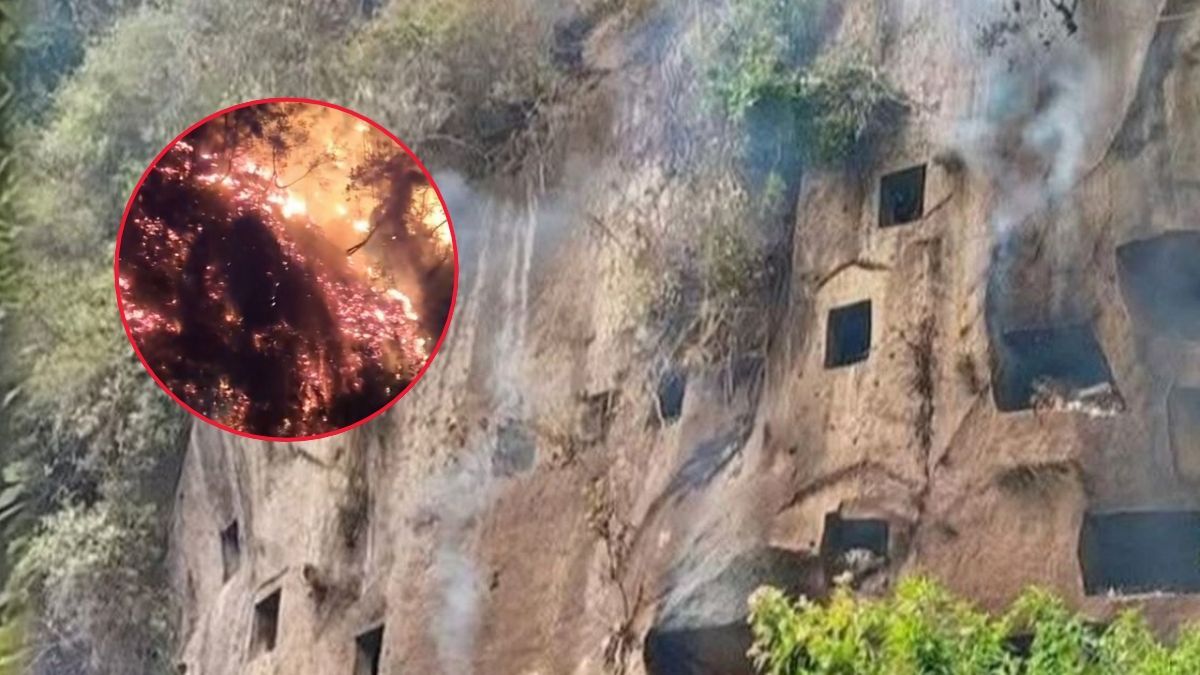
Indonesia earthquake death toll reaches 103 as aftershocks top 7,492 in East Nusa Tenggara province
The death toll from the magnitude 7.7 earthquake that struck East Nusa Tenggara has risen to 103, while BMKG has recorded 7,492 aftershocks since the 15 August main quake.
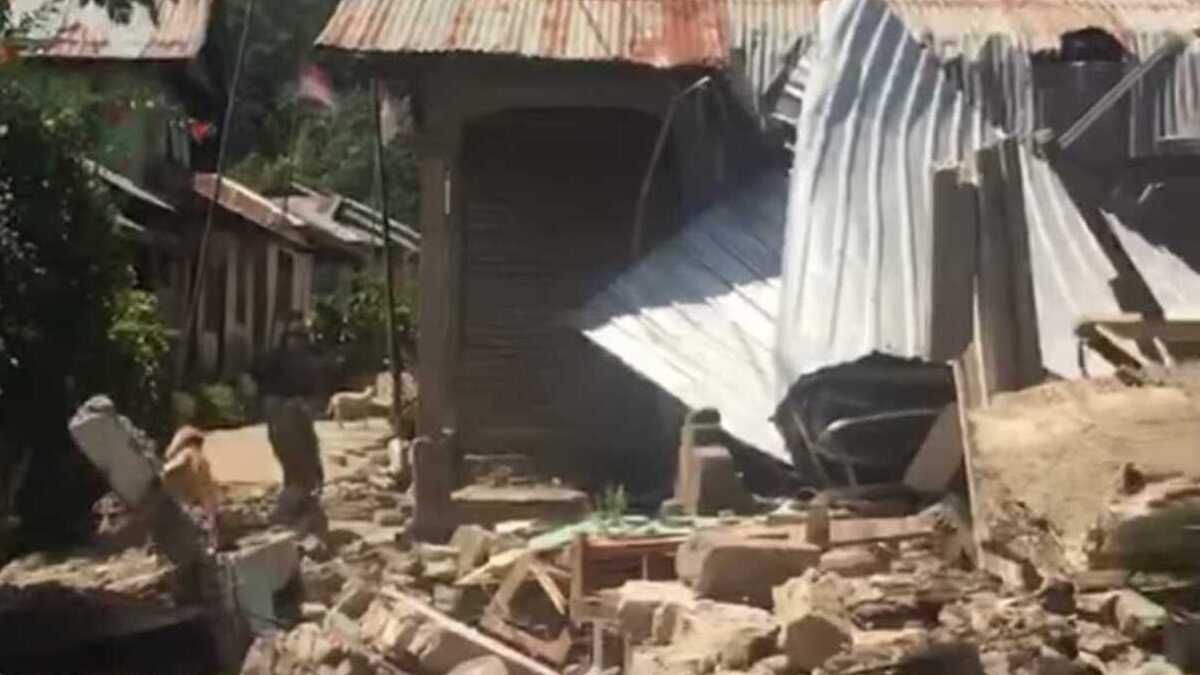
- The NTT earthquake death toll has risen to 103 across seven regencies.
- More than 1,600 people have been injured and over 185,000 displaced.
- BMKG has recorded 7,492 aftershocks, including 33 measuring above magnitude 5.

The death toll from the magnitude 7.7 earthquake that struck East Nusa Tenggara (NTT) has risen to 103, while the number of aftershocks recorded since the main quake has reached 7,492, according to Indonesia’s disaster and geophysical authorities.
The National Disaster Management Agency (BNPB) said three additional deaths had been recorded as of Tuesday (25 August 2026), bringing the total number of fatalities to 103.
“As of today, we have recorded an additional three deaths, bringing the total to 103,” Berton Suar Pelita Panjaitan, acting head of the BNPB Data, Information and Disaster Communications Centre, said during a press conference broadcast on BNPB’s YouTube channel.
Fatalities recorded across seven regencies
Berton said the highest number of deaths was recorded in Manggarai, with 41 fatalities.
East Manggarai recorded 34 deaths, followed by Nagekeo with 13, Sikka with six, Ngada with five, Ende with three and West Manggarai with one.
The BNPB also reported a rise in the number of injured people.
“We received an additional 63 injured people, bringing the total we have recorded to 1,666,” Berton said.
The earthquake has also left more than 185,000 people displaced.
BNPB recorded 185,131 displaced people, including those staying independently and those in centralised evacuation shelters. A further 4,804 people were recorded as newly displaced.
Thousands of aftershocks recorded
The Meteorology, Climatology and Geophysical Agency (BMKG) said the number of aftershocks had continued to rise following the magnitude 7.7 earthquake.
As of 5am Western Indonesia Time (WIB) on Wednesday (26 August), BMKG had recorded 7,492 aftershocks.
The largest aftershock measured magnitude 6.2, while the smallest measured magnitude 1.0. BMKG said 33 of the aftershocks had magnitudes above 5.
The number of aftershocks felt by residents reached 143.
The latest figure represents an increase from the 7,029 aftershocks recorded by BMKG a day earlier. At that point, the largest recorded aftershock had also measured magnitude 6.2, while the smallest measured 1.1.
Berton said the continuing seismic activity had contributed to panic and trauma among residents in affected areas.
“As of now, BMKG has recorded 7,029 aftershocks, with the largest measuring 6.2 and the smallest 1.1 in magnitude. Today, 141 earthquakes were felt,” he said on Tuesday.
“This pattern will continue for three to four weeks after the main earthquake,” he added.
Displacement continues amid tremors
BNPB said the number of displaced residents continued to increase as aftershocks were still being felt across NTT.
“We are still recording additional displaced people. It is understandable that when earthquakes continue to occur, these aftershocks cause panic and deep trauma among residents who experienced the earthquake,” Berton said.
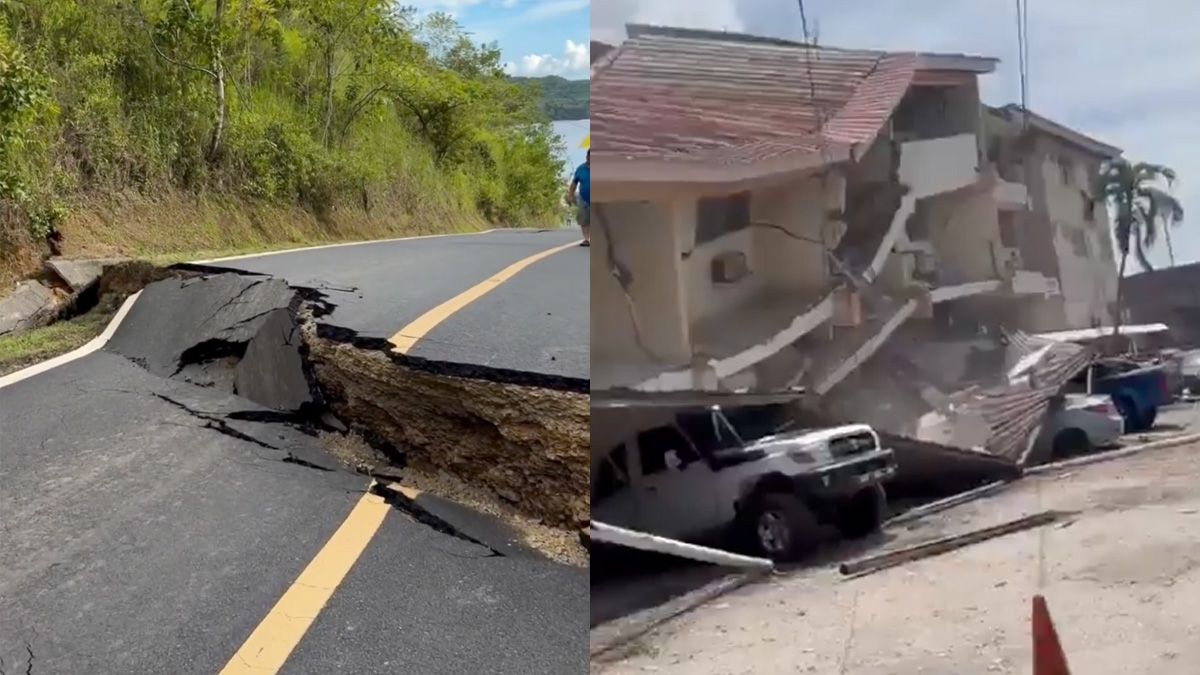
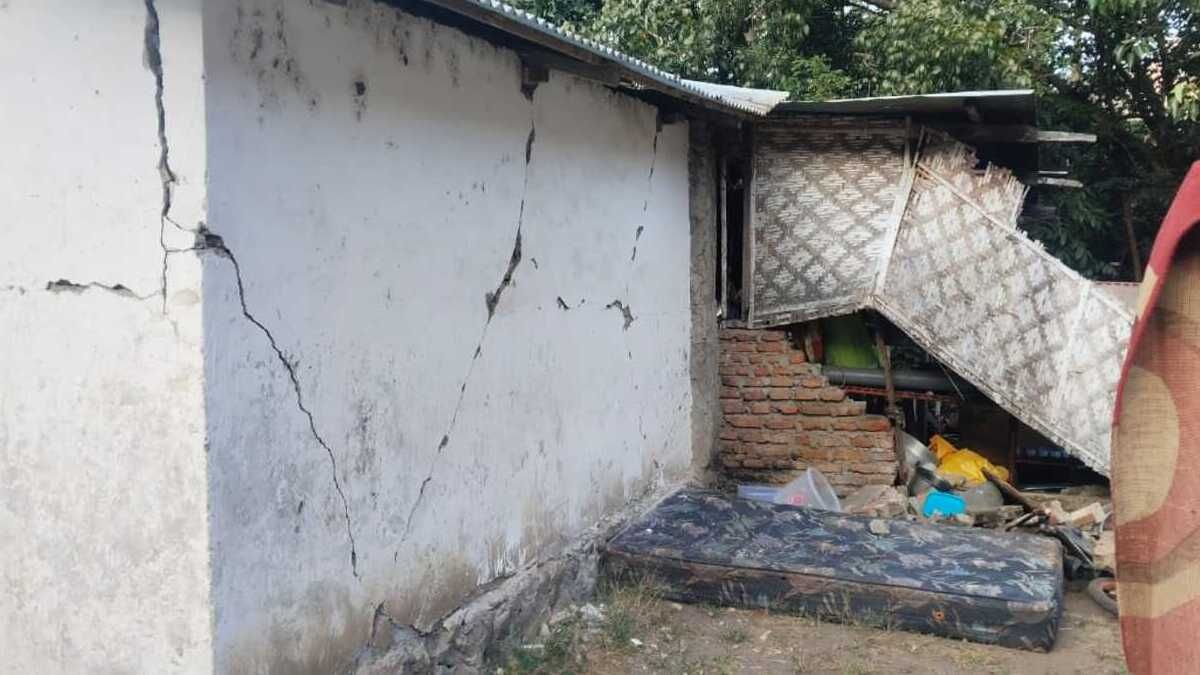
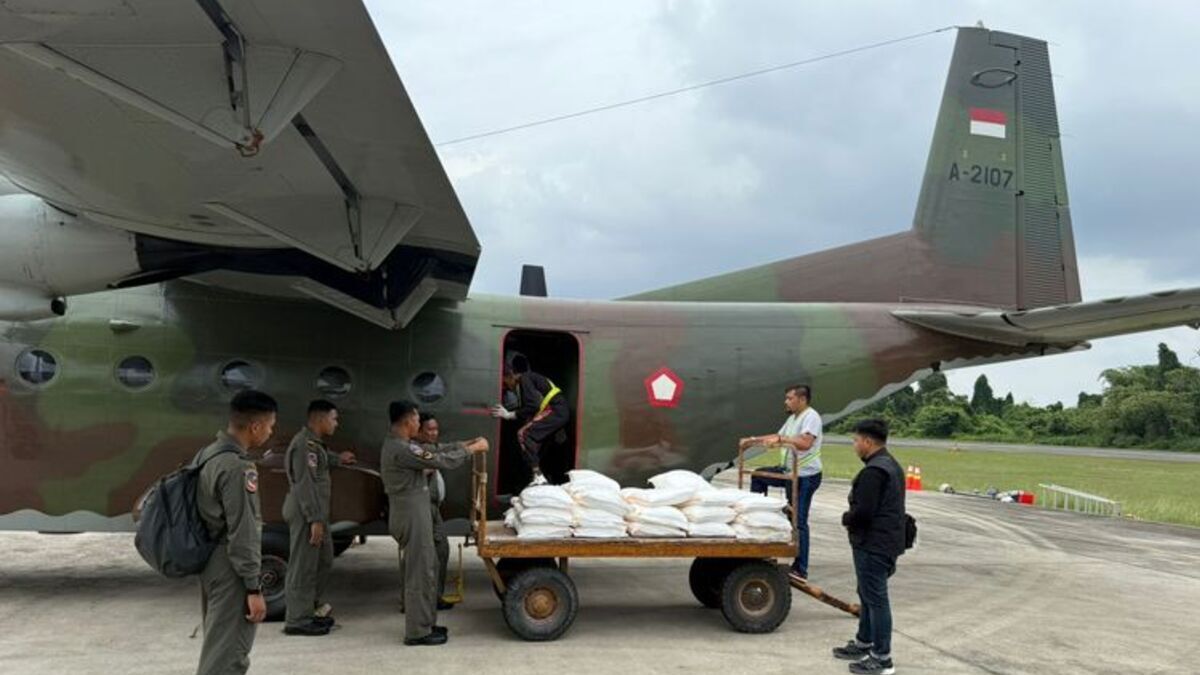
The magnitude 7.7 earthquake struck the Flores region of East Nusa Tenggara on 15 August, triggering widespread damage and a tsunami warning that was subsequently lifted. The earthquake was followed by thousands of aftershocks and a major relief operation.
Earlier reports showed the death toll rising steadily as search and rescue teams reached affected areas and authorities continued assessing the scale of the disaster.