94 die in Indonesian evacuation centres after Flores earthquake as aid gaps persist among survivors
At least 94 people have died indirectly after the 15 August earthquake in East Nusa Tenggara, while survivors report uneven aid distribution and shortages as 46,461 remain displaced.
- BNPB recorded 142 deaths, including 94 indirect deaths associated with the earthquake.
- Survivors reported shortages and inconsistent distribution of assistance at some evacuation centres.
- More than 46,000 people remain displaced amid extensive damage and continuing aftershocks.

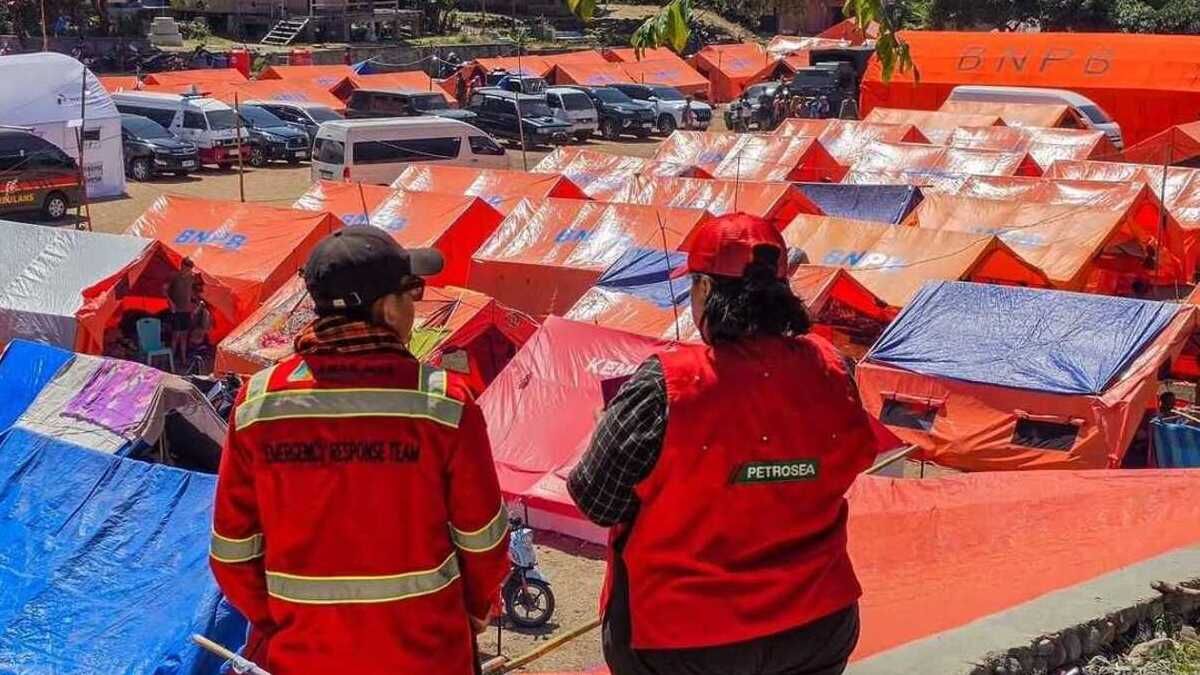
At least 94 people have died while staying in evacuation centres following the magnitude 7.7 earthquake that struck Indonesia's East Nusa Tenggara province on 15 August, while survivors have reported delays, uneven aid distribution and unmet basic needs more than a month after the disaster.
The deaths were recorded by the National Disaster Management Agency (BNPB) as indirect deaths associated with the earthquake. They bring the overall death toll to 142, including 48 people who died directly as a result of the earthquake, BNPB said on 15 September.
BNPB also recorded 1,603 injuries, while 46,461 people remained displaced. The number has fallen from more than 150,000 during the earlier emergency response.
BNPB has not stated what caused the 94 indirect deaths or provided a breakdown by evacuation centre.
Survivors report shortages and uneven aid
Local media reports from evacuation centres in Nagekeo documented complaints about the distribution of assistance.
At a shelter in Danga, Aesesa district, survivors told detikBali on 29 August that aid sometimes arrived but was not consistently available to residents.
Skolastika Sau Nelo, 35, said officials sometimes brought assistance to the shelter and distributed it while taking photographs, but that the supplies were no longer there the following morning.
Another survivor, Lidwina Konga, 30, said trucks carrying large quantities of aid had arrived but residents did not receive all the supplies.
She also said residents were repeatedly asked to provide family-registration documents when collecting assistance, while some people still did not receive aid. Konga said her family had received about 40 kilograms of rice since becoming displaced, which had to be shared among several families.
The accounts are individual testimonies and do not establish what happened to the supplies after they arrived.
Earlier, on 20 August, survivors at the same evacuation area told detikBali that they still needed clean water, milk and nappies. A pregnant resident said supplies specifically needed by pregnant women had not been provided, although medical services were available.
Governor acknowledges gaps in aid delivery
On 1 September, NTT Governor Melki Laka Lena called for assistance to reach all evacuation locations, saying some areas had not been adequately reached because of access difficulties.
He highlighted continuing needs for clean water, sanitation and portable toilets, particularly because large numbers of people were living together in temporary shelters.
The governor also said authorities needed to prevent aid from becoming concentrated in particular locations while other communities remained underserved.
Damaged roads delayed access
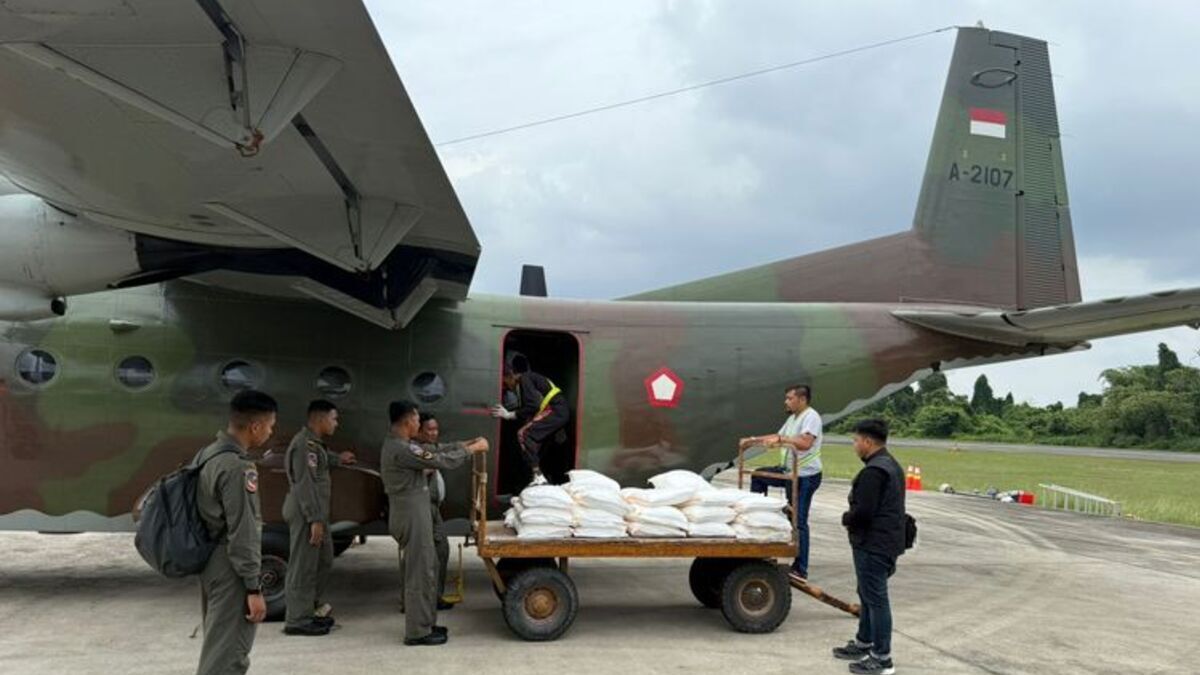
Government agencies said the delivery of assistance was complicated by damaged infrastructure and difficult terrain.
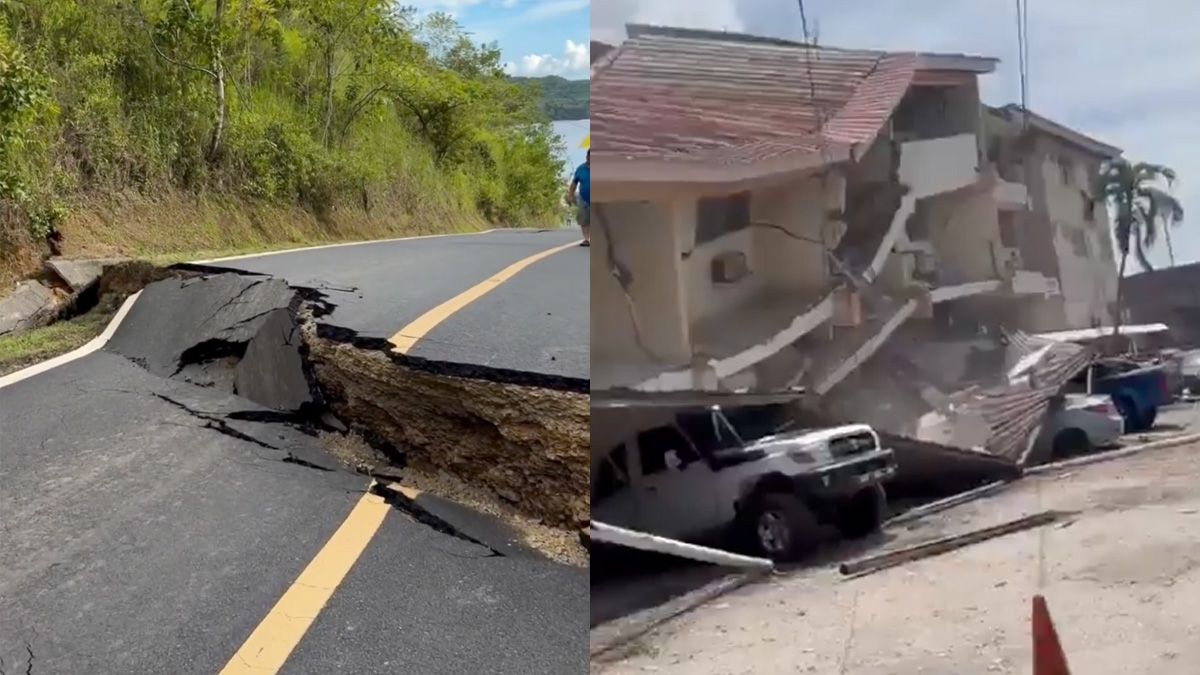
On 16 August, the National Search and Rescue Agency (Basarnas) reported that several roads had been blocked by landslides following the earthquake. Electricity and telecommunications were also disrupted in parts of Manggarai Timur and Nagekeo.
Some previously isolated areas could only be reached after access routes were restored. Basarnas and other response teams used satellite communications where conventional networks were unavailable.
Volunteers delivering aid to remote areas also reported difficult terrain, landslides and poor mobile-phone coverage. Benyamin Deaniel Asadoma, who helped distribute assistance in Manggarai Timur, said some roads became blocked again after further landslides and aftershocks.
Residents raise concerns with vice-president
Concerns about the distribution of assistance were also raised directly with Vice-President Gibran Rakabuming Raka during his visit to Manggarai on 21 August.
Resident representative Desiderius Mikael asked the government to ensure food assistance reached people sheltering independently, including residents of Wora hamlet. He also requested internet access, repairs to a damaged church, relief on loan repayments and faster and more equitable reconstruction of damaged houses.
Gibran said assistance would be provided gradually.
During another visit to an evacuation centre in Sikka on 20 August, the vice-president apologised for shortcomings in the emergency response and said the safety of affected residents and fulfilment of urgent needs had to be prioritised.
More than 100,000 homes damaged
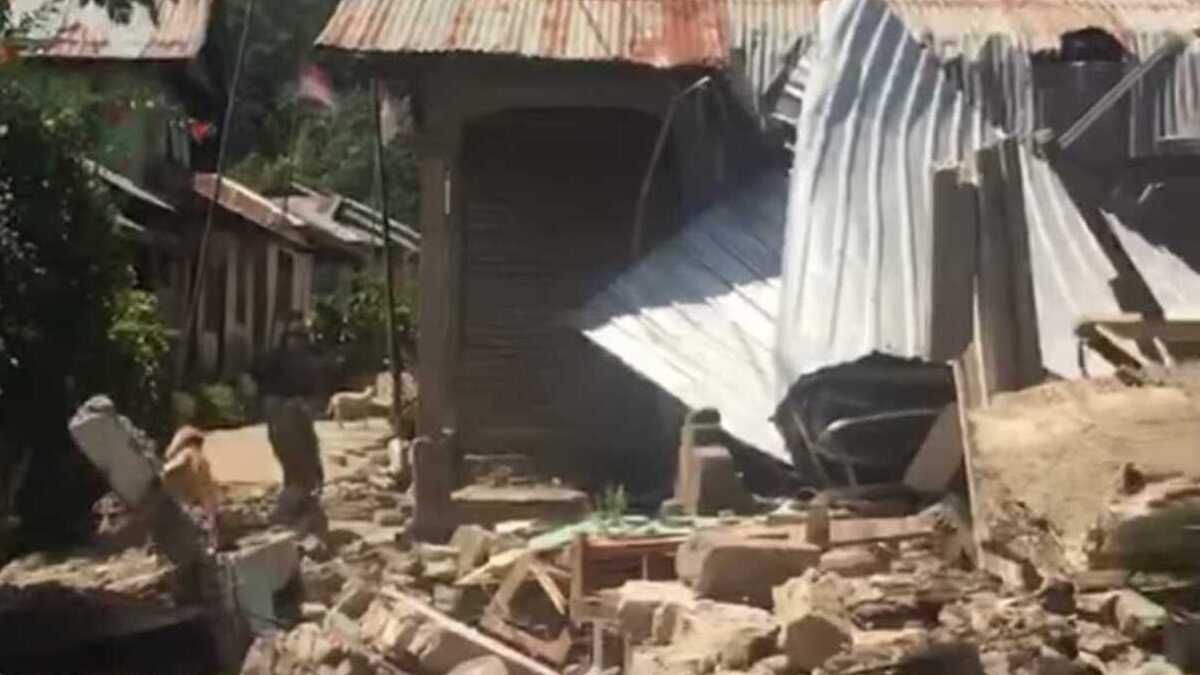
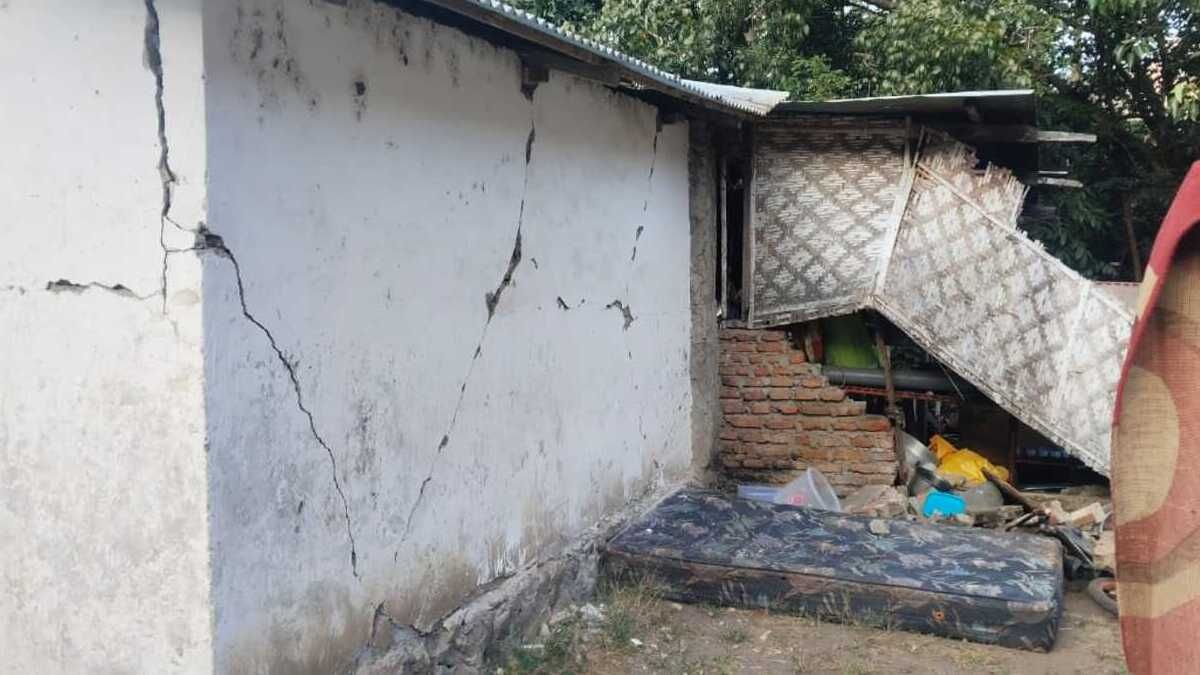
BNPB recorded 103,427 damaged houses as of 15 September, although it said the figures were still being verified.
The earthquake also damaged 712 educational facilities, 558 places of worship, 157 health facilities, 685 offices, 175 road locations and 50 irrigation facilities.
The scale of the damage has contributed to the continuing displacement, with tens of thousands of residents still unable to return home.
15,722 aftershocks recorded
BMKG said it recorded 15,722 aftershocks between 15 August and 15 September, ranging from magnitude 0.9 to 6.2. Of these, 190 were felt by residents.
The number declined each week, from 5,011 in the first week to 4,267, 3,158, 2,421 and 864 in the fifth week.
BMKG said the sequence had entered a decay phase. Earthquakes below magnitude 3 accounted for 75.9 per cent of the total, while 26 aftershocks were magnitude 5 or above. The agency said larger aftershocks had become increasingly rare.
BMKG stressed that its statistical assessment does not predict when another earthquake will occur or establish a precise date for the end of aftershock activity.
Recovery continues
The 15 August earthquake was centred about 30 kilometres north-east of Nagekeo at a depth of 15 kilometres and was associated with the Flores Back-Arc Thrust.
BMKG's field survey recorded shaking reaching VII on the Modified Mercalli Intensity scale in several locations and identified signs of liquefaction in Nagekeo. It also recorded tsunami run-up of up to 2.68 metres along the northern Flores coast.
The government has begun shifting towards rehabilitation and reconstruction, while emergency assistance continues.
For the 46,461 people still displaced, reports from evacuation centres show that access to basic supplies remains an issue in some communities, alongside the logistical difficulties of reaching remote areas and distributing assistance evenly.