Nepal raises missing toll to 6,150 as search continues three weeks after deadly flood
Nepal has revised the number of people missing after the 26 August flood and debris flow to 6,150, as searches continue at hydropower projects and other sites.
- Nepal revised its missing-person figure to 6,150 after district-level verification.
- At least 1,403 bodies have been recovered, but most remain unidentified.
- Reconstruction following the disaster is estimated to cost US$4.78 billion.

Nepal has sharply revised the number of people missing after a catastrophic flood and debris flow on 26 August to 6,150, as authorities continue searching damaged hydropower facilities and other sites more than three weeks after the disaster.
The National Disaster Risk Reduction and Management Authority (NDRRMA) revised the figure after collecting and verifying information from affected districts, Nepalese officials said on Wednesday, 16 September.
The number had stood at 5,179 a day earlier. NDRRMA spokeswoman Shanti Mahat told AFP that officials had been collecting missing-person details from district offices and revising the records following verification.
As of 16 September, 1,403 bodies had been recovered in Nepal, according to NDRRMA figures reported by local media. Only about 104–105 had been identified and handed to families. Nepal News reported that 636 foreign nationals were among those listed as missing.
Across the border in China's Xizang Autonomous Region, 43 people have been confirmed dead and 519 remain missing following the same disaster. Chinese authorities previously reported that 261 foreign nationals from 23 countries were among those missing in China.
Search continues at hydropower projects
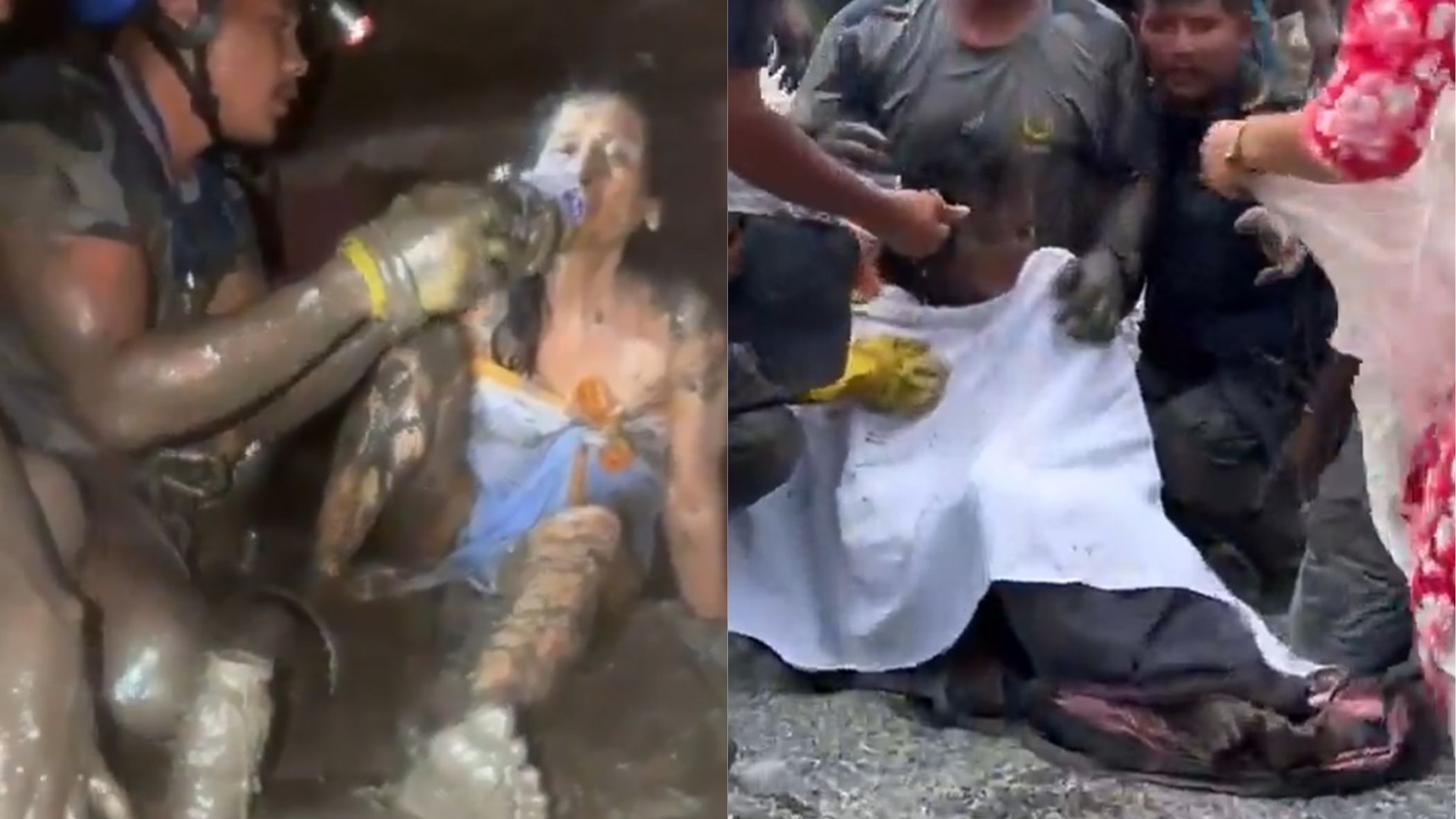
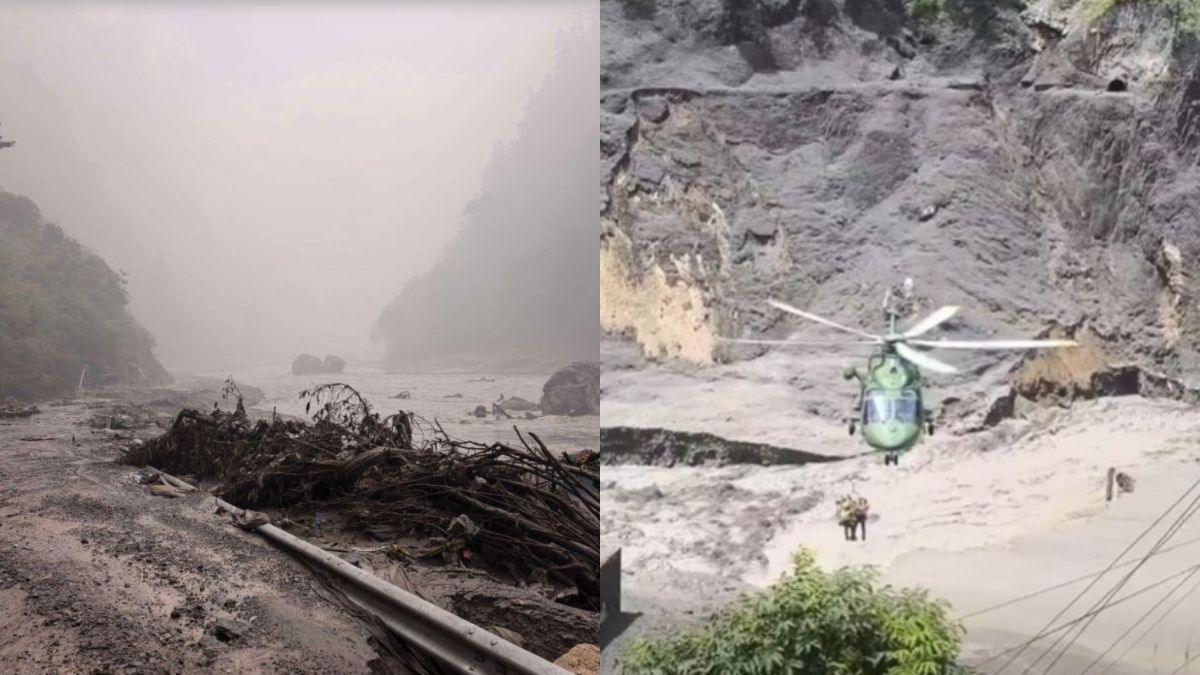
Search and recovery operations remain concentrated in some of the most severely damaged areas, including Rasuwa district, where several hydropower projects were hit by the flood.
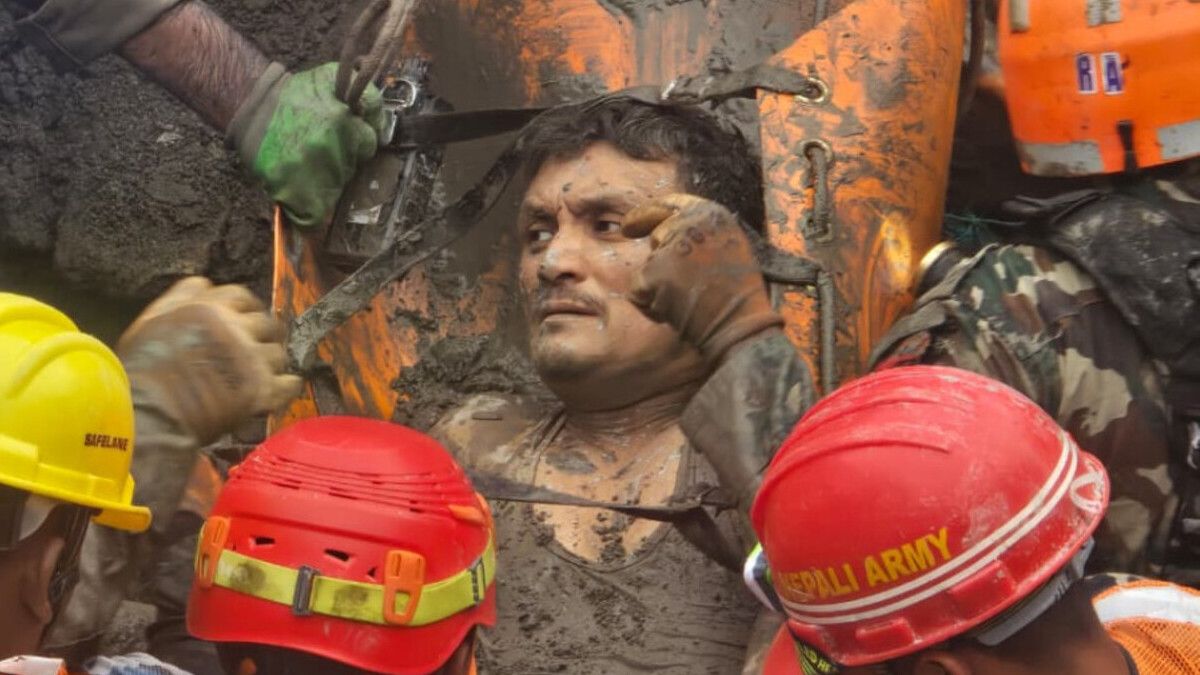
On Wednesday, search teams recovered bodies from the Chilime Hydropower Project and the Upper Trishuli-1 Hydropower Project.
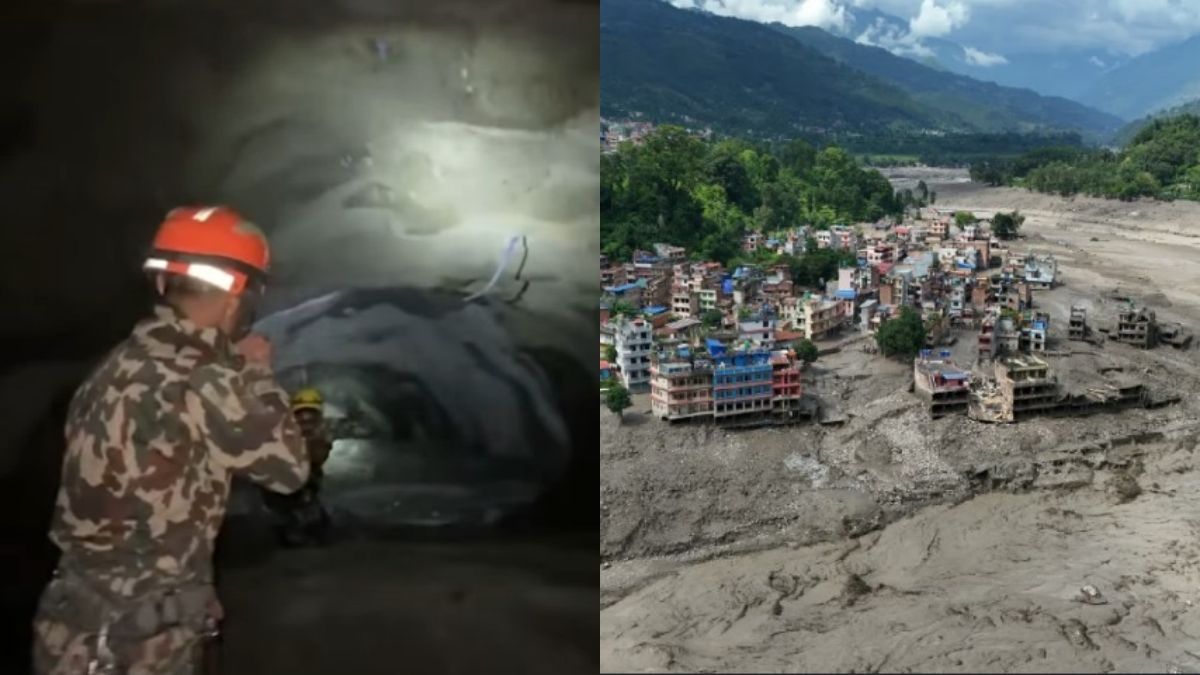
At Chilime, a joint team involving the Nepal Army, Armed Police Force, Nepal Electricity Authority and Indian Army personnel recovered three bodies and human remains from the powerhouse area. Five additional bodies were recovered from an underground tunnel at Upper Trishuli-1, according to local reports.
The hydropower facilities have been particularly important in the continuing search because workers were present at several projects when the disaster struck. Rescuers are using helicopters, drones and specialised equipment to reach tunnels and other areas buried by debris.
The Nepal Army said it had rescued 4,177 people by air, including 3,894 Nepali citizens and 283 foreigners. More than 8,900 personnel had been deployed across several affected districts, while drones were being used to deliver supplies to communities cut off from road access.
How the disaster unfolded
The disaster began on 26 August after a large collapse involving ice and rock in the Langtang Lirung area of the Himalayas in northern Nepal.
The collapse obstructed the Lhende River, creating a temporary blockage and lake before the barrier failed. A large volume of water, mud, rocks and other debris then moved rapidly downstream through the Bhote Koshi and Trishuli river systems.
Scientists and officials have continued investigating the precise sequence of events. The Kathmandu Post reported that satellite imagery indicated a major fall of ice and rock had blocked the river, while the role of an earthquake recorded in Tibet that morning had not been established.
The resulting flood affected Nepal's Rasuwa, Nuwakot, Dhading, Gorkha and Chitwan districts and reached major river corridors downstream. The disaster also struck the Gyirong border area in China's Xizang region.
China's official Xinhua news agency described the event on its side of the border as a fast-moving chain mudslide triggered by a high-altitude glacier collapse in Nepal. By 5 September, Chinese authorities had deployed more than 2,500 personnel and more than 500 vehicles for rescue operations.
Foreign nationals among the missing
The disaster has also affected tourists, pilgrims, workers and other foreign nationals travelling through the border region.
Nepal's Ministry of Foreign Affairs established an Emergency Control Room on 27 August to coordinate information about foreign nationals who were missing or otherwise affected. The ministry said diplomatic missions, international organisations and families could use the facility to provide information and seek assistance.
In an 11 September briefing, the ministry reported that more than 320 foreign nationals had been rescued, while approximately 600 foreigners from about 35 countries were still missing. It said the figures were subject to continuous updating as search, recovery and verification operations continued.
Forensic teams from India, China, Japan, Singapore and South Korea have been assisting Nepal Police with DNA collection and identification. Nepal's foreign ministry said DNA samples had been collected from recovered remains as well as relatives of missing people.
Reconstruction estimated at US$4.78 billion
The scale of destruction has extended well beyond the loss of life.
Nepal's government has estimated that reconstruction following the disaster will require about US$4.78 billion. Its Rapid Damage and Needs Assessment estimated direct damage at approximately US$1.8 billion and economic losses at about US$883 million. The government said about US$57.67 million would be needed for short-term recovery over six months, with a further US$4.71 billion required for longer-term reconstruction.
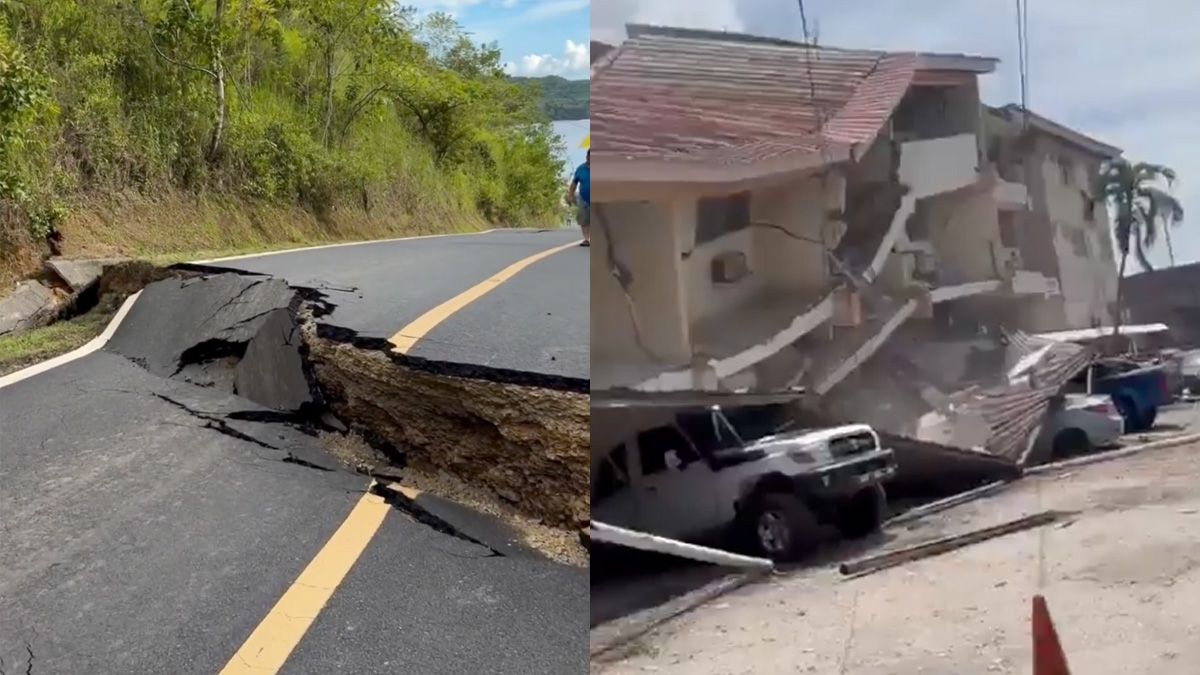
NDRRMA's assessment recorded damage to 7,570 private homes, 48 public buildings, 18 schools, seven health facilities and 30 cultural heritage sites. About 69 kilometres of roads were damaged, while 37 motorable bridges were affected, including 33 that were washed away.
The flood also severely affected hydropower infrastructure, transport links, electricity and telecommunications, complicating both rescue operations and the delivery of relief.
Families face uncertainty over missing relatives
The continuing discrepancy between people reported missing and bodies identified has created difficulties for families seeking official confirmation of deaths.
The Kathmandu Post reported on 16 September that some families of people missing in Rasuwa had begun performing funeral rites without recovered bodies. Local authorities, however, have faced difficulties issuing death certificates because Nepal's existing legal provisions generally require evidence of death before a death can be formally registered.
Authorities are therefore continuing DNA collection and cross-checking missing-person records with recovered remains.
As of 17 September, the search for missing people remains under way in Nepal, while China continues recovery operations at Gyirong. The Nepalese government has said that casualty and missing-person figures remain subject to further verification as search teams reach areas that were previously inaccessible.