Tibet-China flood death toll reaches 955 as over 4,400 remain missing after glacial collapse
The death toll from last week’s glacial-collapse disaster on the Nepal-China border has reached 955, with 4,471 people still unaccounted for, authorities say.
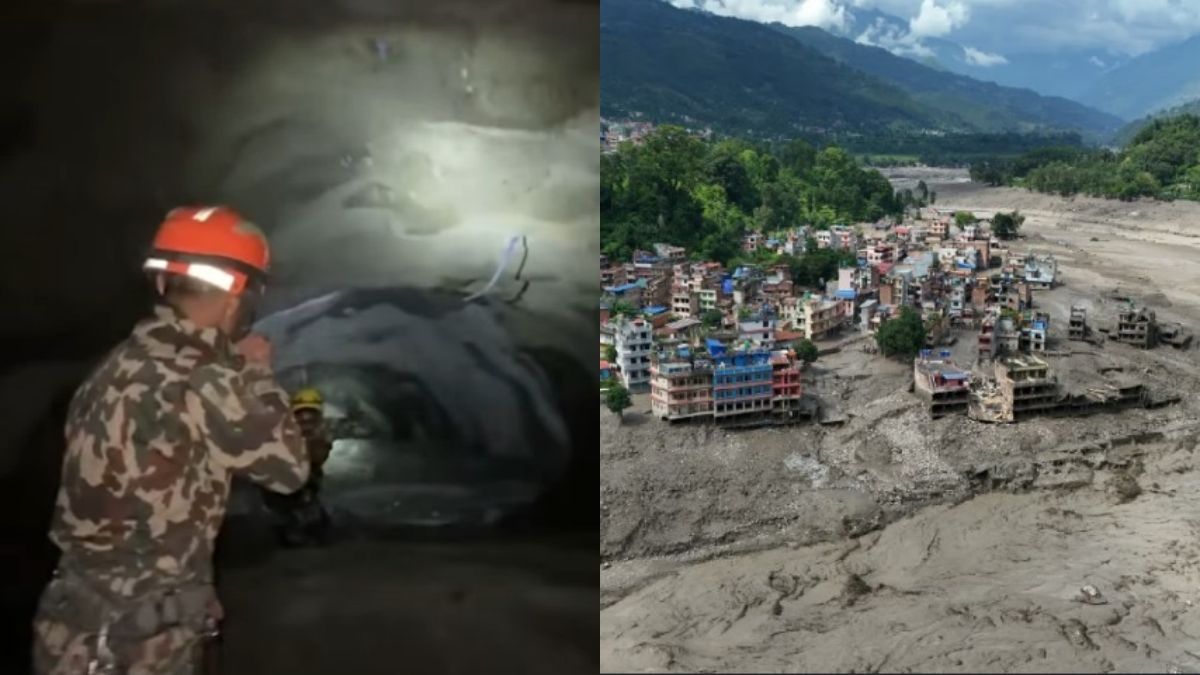
- Nepal has recovered 939 bodies, while China reports 16 deaths in Tibet after the 26 August glacial collapse.
- A total of 4,471 people remain unaccounted for across Nepal and Tibet, according to authorities.
- Singapore is deploying disaster victim identification specialists and humanitarian supplies to support Nepal’s relief efforts.

The death toll from last week’s flash floods and landslides along the Nepal-China border has reached 955, while 4,471 people remain unaccounted for, according to Nepali and Chinese authorities.
Nepal’s National Disaster Risk Reduction and Management Authority reported at 12.47am on 1 September 2026 that 939 bodies had been recovered in the Ekoshi flood disaster in Rasuwa and elsewhere.
The latest figures include partial human remains and deaths recorded across several districts. Chitwan recorded 279 bodies, Nawalparasi East 216, Nuwakot 95 and Rasuwa 23, among others.
Nepal search and rescue effort
A total of 3,925 people remain unaccounted for or unreachable in Nepal, according to the latest national disaster authority update.
District emergency operation centres reported about 1,558 missing people in Nuwakot and 865 in Rasuwa.
Others are linked to security forces, government offices, hydropower project sites and foreign nationals who remain unreachable.
More than 21,000 security personnel have been mobilised for search and rescue operations.
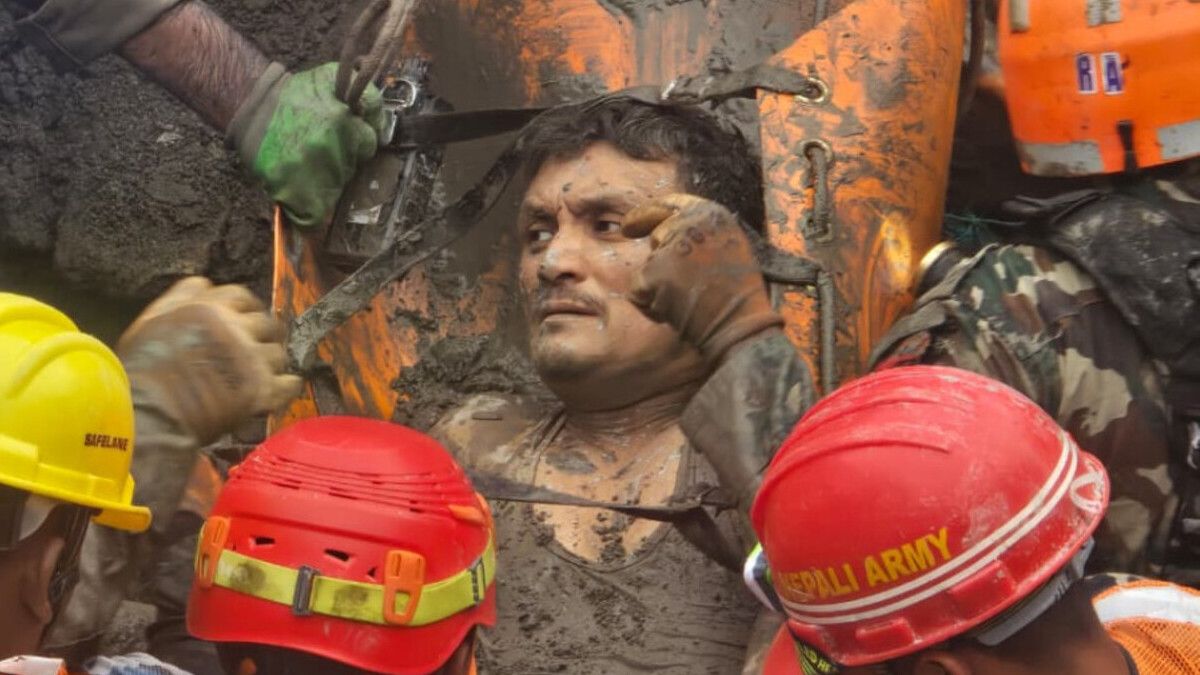
Authorities said 11,379 people had been rescued, including more than 3,600 by Nepal Army helicopter.
Displaced families are being housed in 27 holding camps across Rasuwa and Nuwakot, with nearly 3,500 people sheltering in the facilities.
Situation in Tibet
Chinese authorities reported 16 deaths and 546 people missing in Tibet as of 30 August 2026.
Chinese state media reported that 261 of those missing in Tibet were foreign nationals from 23 countries, including more than 100 Nepalis.
The combined figures from Nepal and China account for the reported death toll of 955 and 4,471 people still unaccounted for.
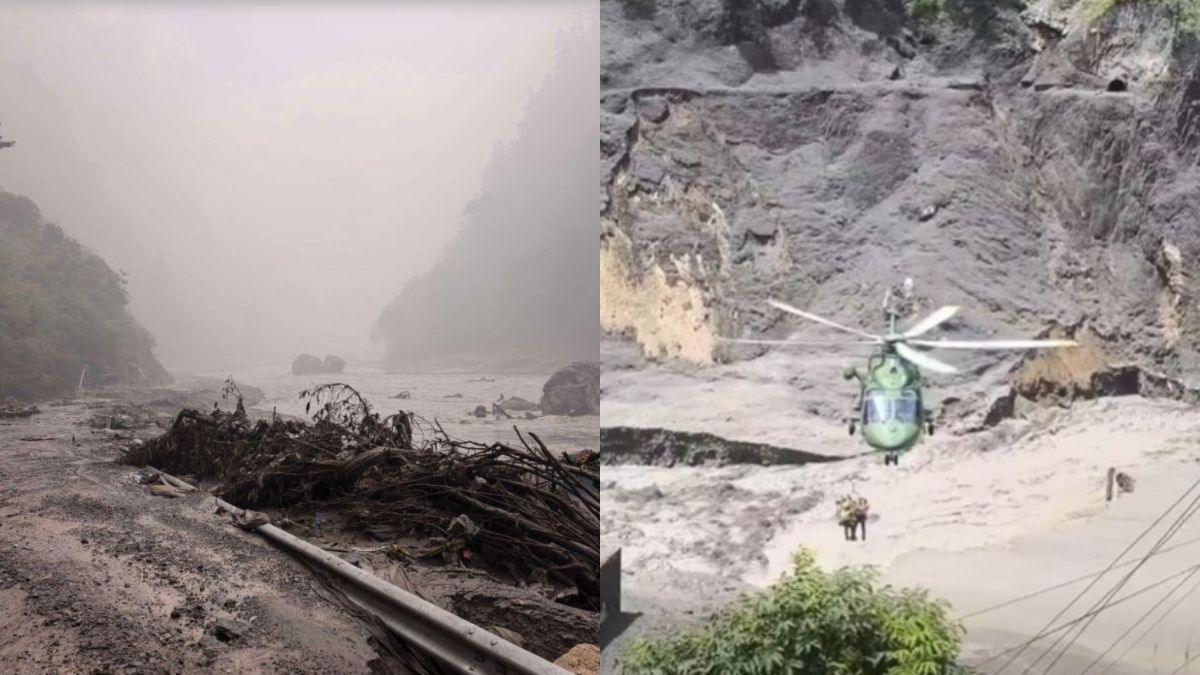
The disaster followed a glacial collapse on 26 August 2026, sending a large volume of ice, rock, mud and debris through river valleys on both sides of the border.
Climate change warning
Nepali Prime Minister Balendra Shah described the disaster as “not an ordinary” event and called for greater international action over climate-related risks.
Shah said the disaster was “one of the region’s major disasters, triggered by an avalanche of snow and ice in the Himalayan region”.
He said the exact cause of the collapse remained unclear, while pointing to global glacier melt and rising risks associated with climate change.
“This incident indicates that the risks we face in the Himalayan region are increasing alongside climate change,” Shah said. “Therefore, this region must remain vigilant.”
Shah also said Nepal should raise the issue internationally, arguing that the country had contributed little to global emissions while facing the consequences of climate change.
“It is now time for us to strongly raise with the international community the issue of the disasters we are experiencing as a result of climate change,” he said.
The Himalayas are melting faster as global temperatures rise, according to scientists. Glaciers across the wider Himalayan and Hindu Kush ranges provide water for about 240 million people in mountainous areas and another 1.65 billion people in river valleys across South and Southeast Asia.
UN climate warnings
UN Secretary-General Antonio Guterres warned during a visit to Nepal in 2023 that Himalayan regions were experiencing rapidly melting glaciers, saying the “rooftops of the world are caving in”.
Following the latest disaster, UN climate chief Simon Stiell described it as a “devastating reminder of how fragile these mountain environments can be”.
Nepal’s economy was already under pressure, with limited resources available to respond to a disaster of this scale. Shah has warned that reconstruction costs could reach “billions of dollars”.
Singapore sends assistance
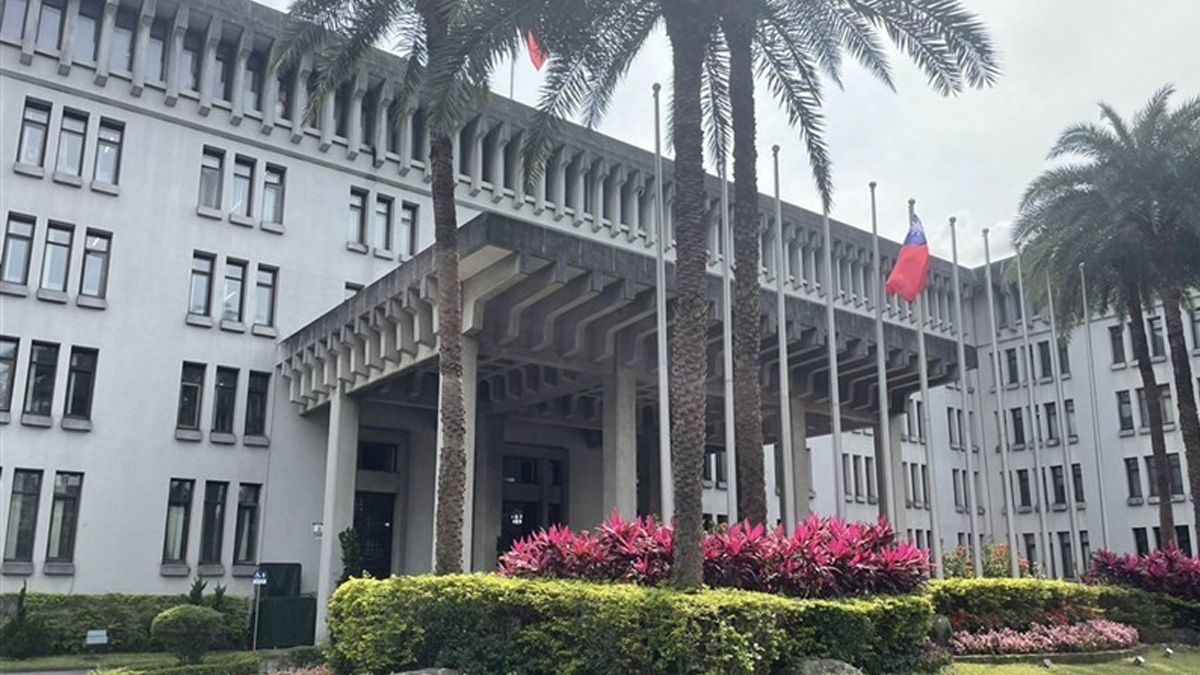
Singapore’s Ministry of Foreign Affairs (MFA) said on 31 August that the Singapore Police Force (SPF) would deploy a team to disaster-hit Nepal, including officers specialising in disaster victim identification.
The deployment follows a request from the Nepalese government. Singapore will also provide humanitarian supplies and personnel, including assistance from civilian sources and the Singapore Armed Forces.
The latest support follows an earlier Singapore government contribution of US$100,000 to the Singapore Red Cross’ public fundraising campaign for relief efforts in Nepal.
The Singapore Red Cross has raised about S$1 million to date, according to MFA.
At least nine Singaporeans were listed as missing by the Nepal Tourism Board last week. MFA said its crisis response team had been in Nepal since 27 August to provide consular assistance to affected Singaporeans.
“The Singapore government will continue to work closely with the Nepal government on the provision of our humanitarian assistance,” MFA said.
Singapore Foreign Affairs Minister Vivian Balakrishnan spoke with Nepal Foreign Affairs Minister Shisir Khanal on 31 August to express Singapore’s condolences.
MFA said Balakrishnan commended Nepal’s disaster relief efforts and expressed appreciation for assistance provided during the search for missing Singaporeans.
Khanal expressed Nepal’s appreciation for Singapore’s assistance, according to MFA.