Two Nepal hydropower workers rescued alive nine days after flash floods
Two hydropower workers have been rescued alive from a tunnel in central Nepal nine days after flash floods devastated the Trishuli river corridor, as more than 5,000 people remain missing.
- Two hydropower workers were rescued alive from a tunnel nine days after Nepal’s devastating flash floods.
- Nepal’s reported death toll stands at 1,259, while more than 5,000 people remain missing.
- Rescue teams believe other workers could still be trapped inside tunnels and are continuing searches.

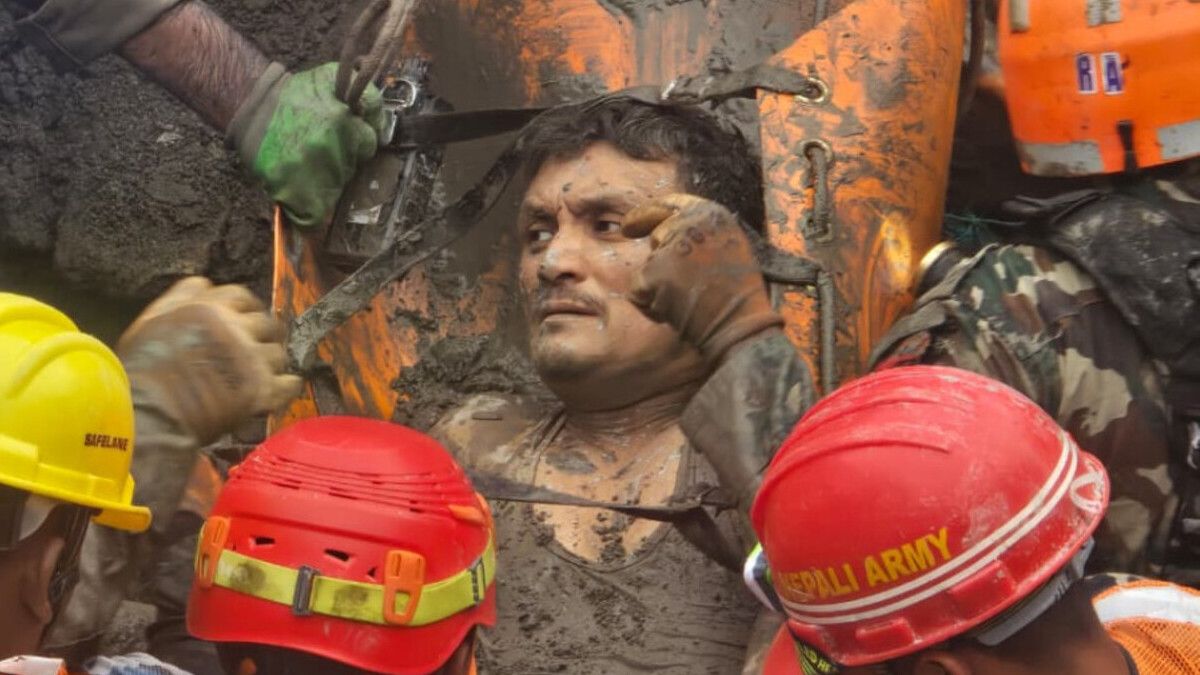
Two workers have been rescued alive from a tunnel at a hydropower project in central Nepal, nine days after a devastating flash flood swept through the Trishuli river corridor and left more than 1,200 people dead and thousands missing.
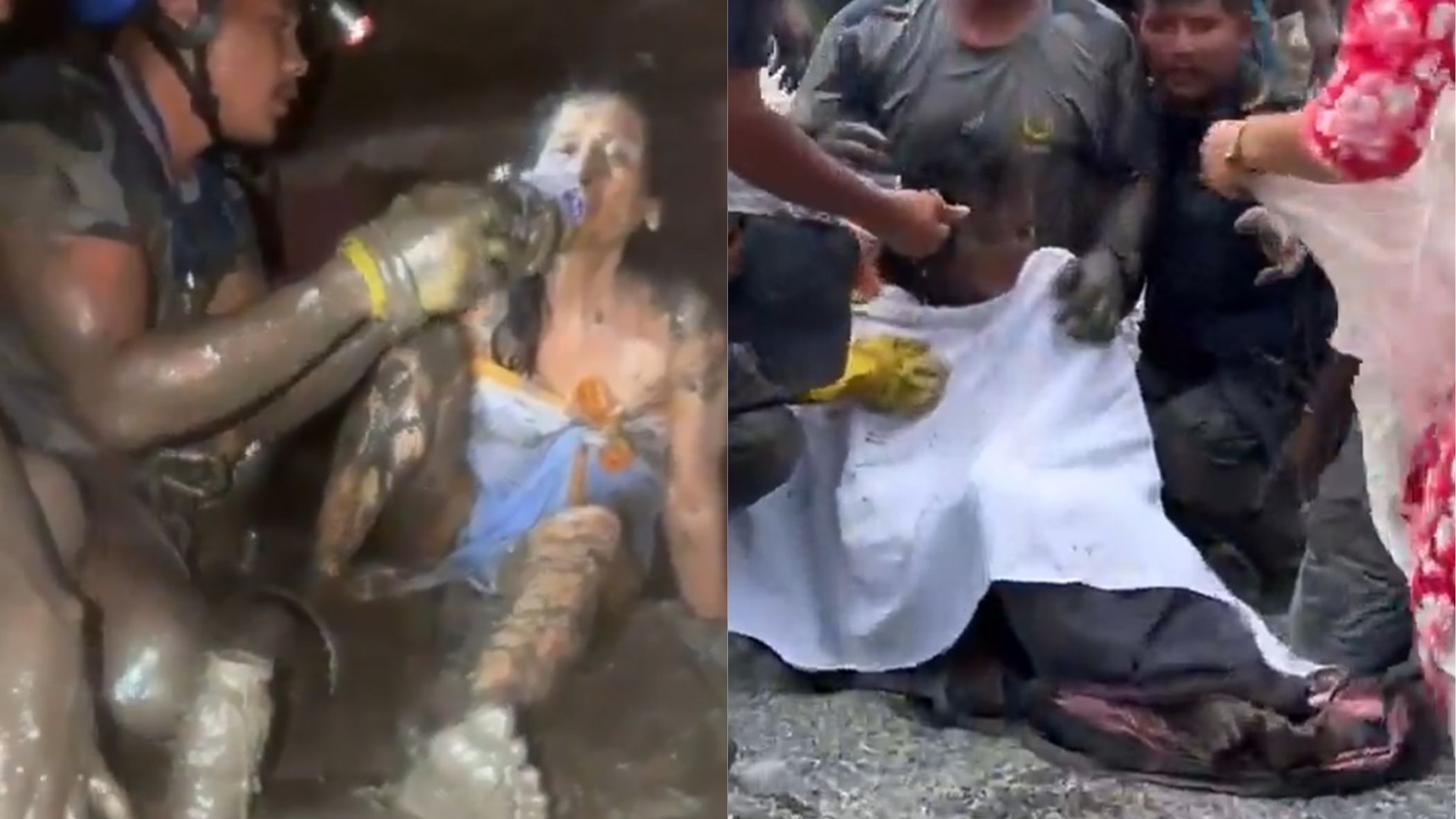
Sanjay Sah, a mechanical foreman, and Kabir Maharjan, a mechanical supervisor, were pulled from a tunnel at the Upper Trishuli 3A Hydropower Station on Friday, according to officials involved in the rescue operation.
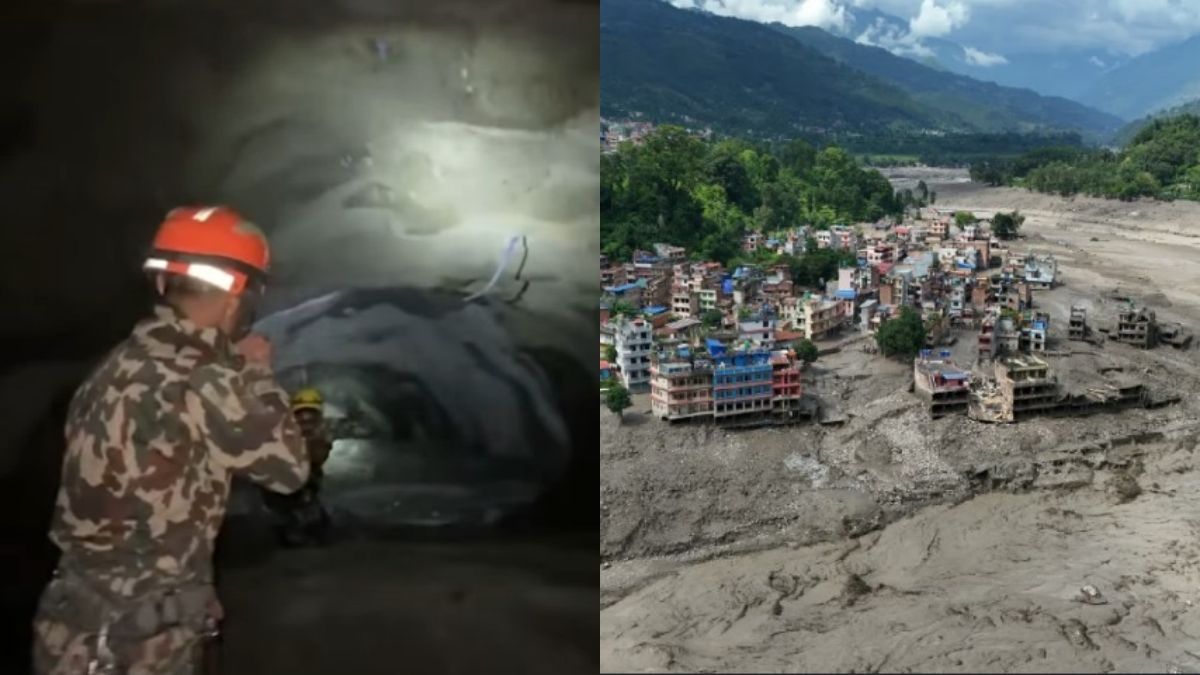
The men were found after rescuers heard voices from inside the tunnel and established communication with people believed to be trapped underground. Nepal's Army and Armed Police Force then intensified efforts to reach them.
Shriram Neupane, a lawmaker from the Rastriya Swatantra Party and an engineer involved in the search, said rescuers called out to those inside: “Don’t panic, we are here to rescue you.”
A response came from inside: “Okay.”
Sah was rescued first, followed by Maharjan. Reuters reported that Sah suffered non-critical injuries, while Maharjan was unable to move his limbs. Both were taken to Kathmandu for medical treatment.
Neupane said rescuers believed other people could still be inside the tunnel and were continuing to search the site.
The rescue has provided renewed hope for families waiting for news of workers and other people who remain unaccounted for after the disaster.
Death toll and missing persons
Nepal's latest reported figures put the death toll from the floods at 1,259, while more than 5,000 people remain missing. The figures cover the disaster in Nepal following the August 26 flash floods.
The number of missing people has remained high partly because the floods swept through a long stretch of river valleys, destroying settlements and infrastructure and carrying people and debris downstream.
Hundreds of those missing are believed to have been workers at hydropower projects along the affected rivers. Officials and industry representatives have estimated that about 900 hydropower workers remain unaccounted for, with roughly 500 believed to have been inside tunnels when the disaster struck.
The scale of the missing-persons figure remains subject to change as authorities reconcile reports and rescue teams reach areas that were initially inaccessible.
Flash flood devastated the Trishuli corridor
The disaster began on August 26 in Nepal's northern Rasuwa district, close to the border with China.
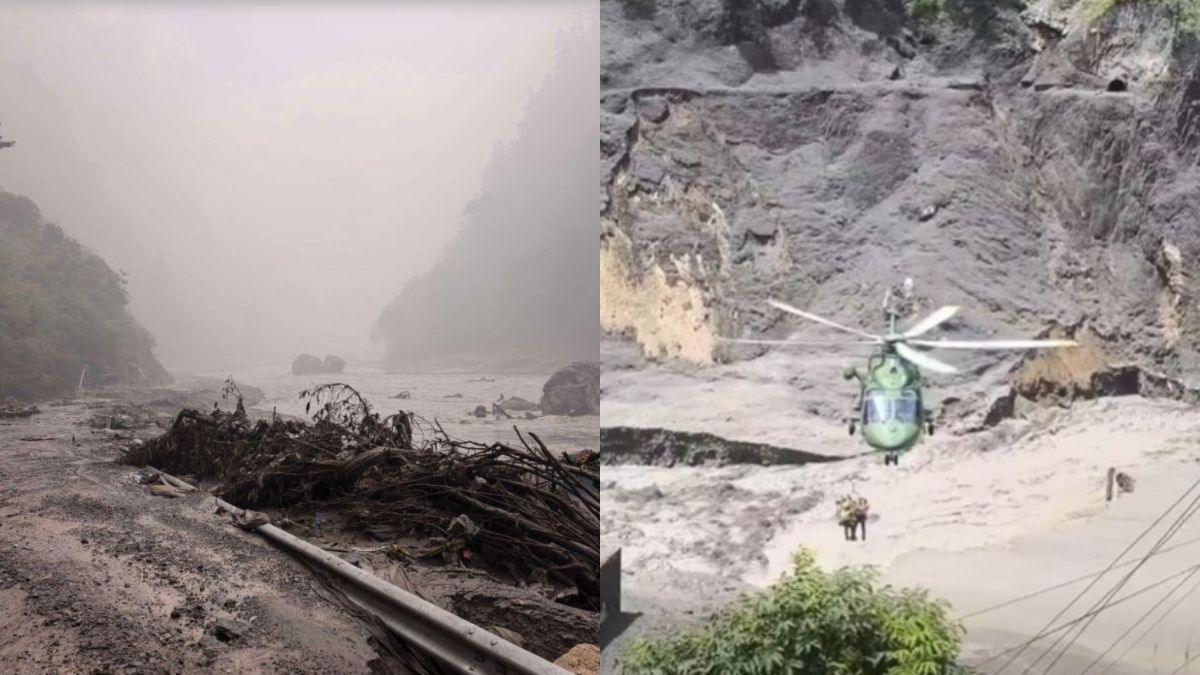
A collapse involving ice, rock and other material in the Himalayan region sent a huge surge of water and debris into the Bhotekoshi river system. The flood then moved downstream into the Trishuli river corridor, destroying or damaging settlements, roads, bridges and hydropower infrastructure.
The Trishuli is one of Nepal's major river systems, flowing through central Nepal before joining the Narayani river system. Its steep river valleys have also become important locations for hydropower development.
The combination of steep terrain, fast-moving water and enormous quantities of debris made the disaster particularly destructive. Search teams have had to work through mud, collapsed infrastructure and blocked access routes to reach potential survivors.
International and Nepali rescue teams have also been working to restore access to isolated areas. Specialised teams from China, India and Nepal have helped construct temporary bridges and clear debris as the search operation has continued.
Hydropower tunnels pose major rescue challenge
Hydropower facilities have become a major focus of the search because many workers were underground when the flood struck.
The tunnels are part of the infrastructure used to divert and manage river water for electricity generation. In several locations, entrances and sections of tunnels were inundated or blocked by mud, rocks and other debris.
Rescuers have faced difficulties determining the exact locations of missing workers and establishing safe routes into the tunnels.
The rescue at Trishuli 3A demonstrates the possibility of finding survivors even after several days underground. Authorities were continuing to search the tunnel after Sah and Maharjan were brought out, while also investigating reports that other workers might remain inside.
At other hydropower sites, rescue teams have also been searching underground areas where workers were reported missing.
Disaster affected infrastructure and communities
The floods caused extensive damage along the river corridor, cutting roads and bridges and disrupting access to affected communities.
Hydropower facilities were among the critical infrastructure damaged by the disaster. Nepal relies heavily on hydropower for electricity generation, making the affected projects important not only for the workers caught in the disaster but also for the country's energy infrastructure.
The floods also damaged telecommunications infrastructure and other essential services, complicating efforts to establish contact with people in isolated areas.
For families of missing people, the lack of information has made the recovery operation particularly difficult. Some have continued searching for relatives through hospitals, temporary shelters and lists of missing people, while others have begun symbolic funeral rites without recovering the bodies of their relatives.
Search continues for possible survivors
The rescue of Sah and Maharjan came as search teams entered the second week of operations.
The discovery of two survivors has prompted rescuers to continue examining tunnels and other structures where people could potentially have survived.
Authorities are simultaneously recovering bodies, identifying victims and updating lists of missing people.
For the families of those still unaccounted for, the rescue at Trishuli 3A has provided a renewed possibility that some missing workers may still be found alive.
Search operations were continuing on Friday at the hydropower project and elsewhere along the flood-hit river corridor.