Nepal floods leave 22,000 children in urgent need of safe water
More than 22,000 children urgently need safe drinking water, sanitation and hygiene support after devastating floods struck Nepal’s Bhotekoshi-Trishuli river basin on 26 August.
- UNICEF says more than 22,000 children urgently need safe water, sanitation and hygiene support.
- Nepal’s confirmed flood death toll has reached 1,204, with more than 4,200 people still missing.
- Damaged roads, bridges and water systems are complicating relief efforts across affected districts.

More than one week after devastating flash floods swept through Nepal’s Bhotekoshi-Trishuli river basin, at least 22,000 children urgently need safe drinking water, sanitation and hygiene support, UNICEF said as search and recovery operations continued across the disaster zone.
The UN children’s agency said water-supply systems had been damaged across affected districts, from community schemes to larger networks, while toilets and other sanitation facilities had been damaged or destroyed.
Displaced families are also crowded into host households and temporary holding centres, increasing pressure on water and sanitation facilities and raising the risk of waterborne and infectious disease outbreaks.
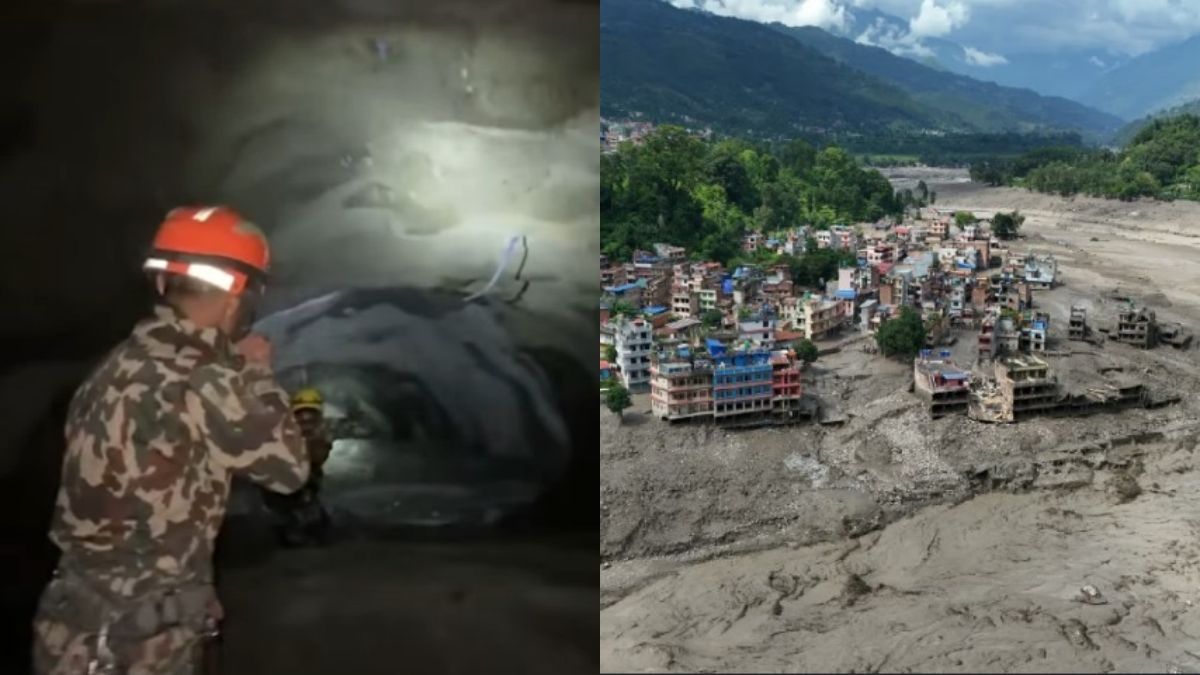
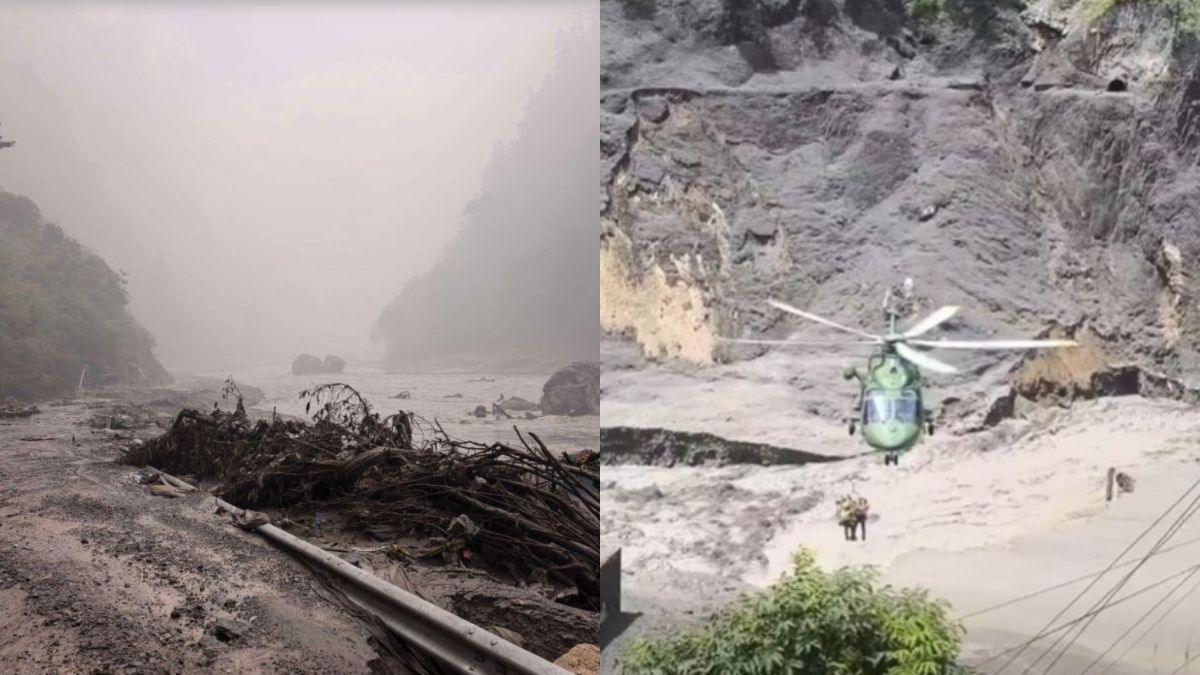
The floods struck on 26 August after a massive surge of water, mud, rocks and debris swept through settlements along the Bhotekoshi and Trishuli river systems. Rasuwa, Nuwakot and Dhading were among the worst-affected districts, with destruction extending downstream into other parts of central Nepal.
UNICEF Representative in Nepal Alice Akunga said safe water and sanitation were among the agency’s immediate priorities because damaged water systems and crowded living conditions could increase the risk of disease.
UNICEF sends emergency supplies
UNICEF has dispatched water, sanitation and hygiene supplies for approximately 19,000 people in Rasuwa and Nuwakot.
The supplies include more than 3,800 hygiene kits, 3,300 collapsible 10-litre jerrycans, 3,500 buckets, 3,500 one-litre mugs, 4,000 bottles of water-treatment solution and more than 1,000 tarpaulin sheets.
The agency is working with government authorities and other partners on disease surveillance, hygiene promotion and outbreak prevention. Information on safe hygiene practices, water handling and household water treatment is being distributed through mobile messaging, radio, social media and community networks.
UNICEF said it would expand emergency water supplies, household water treatment, water-quality monitoring, temporary sanitation and handwashing facilities, as well as hygiene and menstrual-hygiene supplies, as access to affected communities improves.
The agency said longer-term work would also be required to repair and rebuild damaged pipelines, pumps, toilets and other water and sanitation infrastructure.
More than 1,200 people confirmed dead
The humanitarian crisis is unfolding as Nepal continues to search for thousands of people reported missing following the floods.
The latest figures reported by international news agencies on Thursday put Nepal’s confirmed death toll at 1,204, with more than 4,200 people still missing. The missing include hundreds of foreign nationals.
Nepalese authorities have continued to update the figures as bodies are recovered and some people previously listed as missing are located.
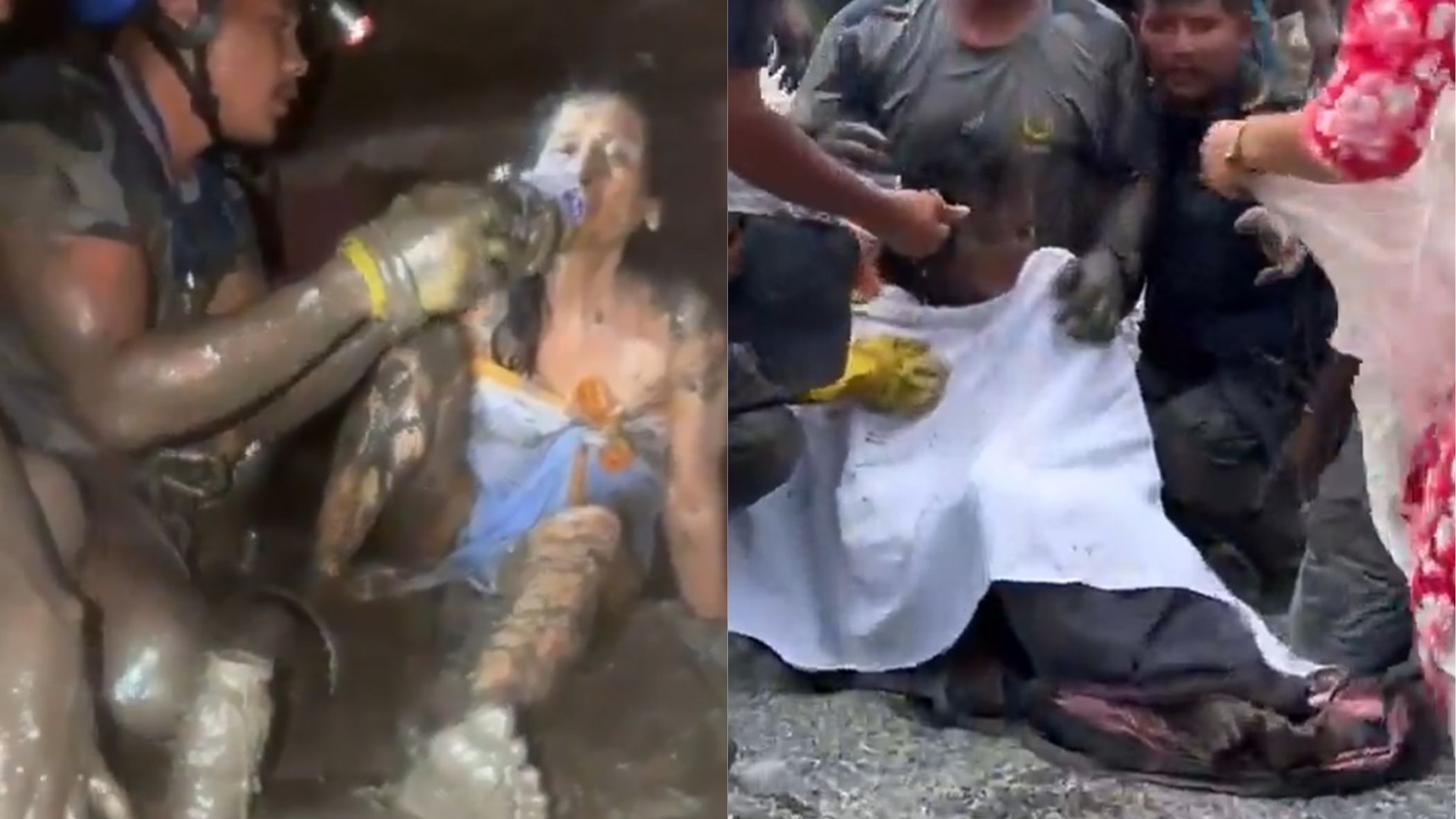
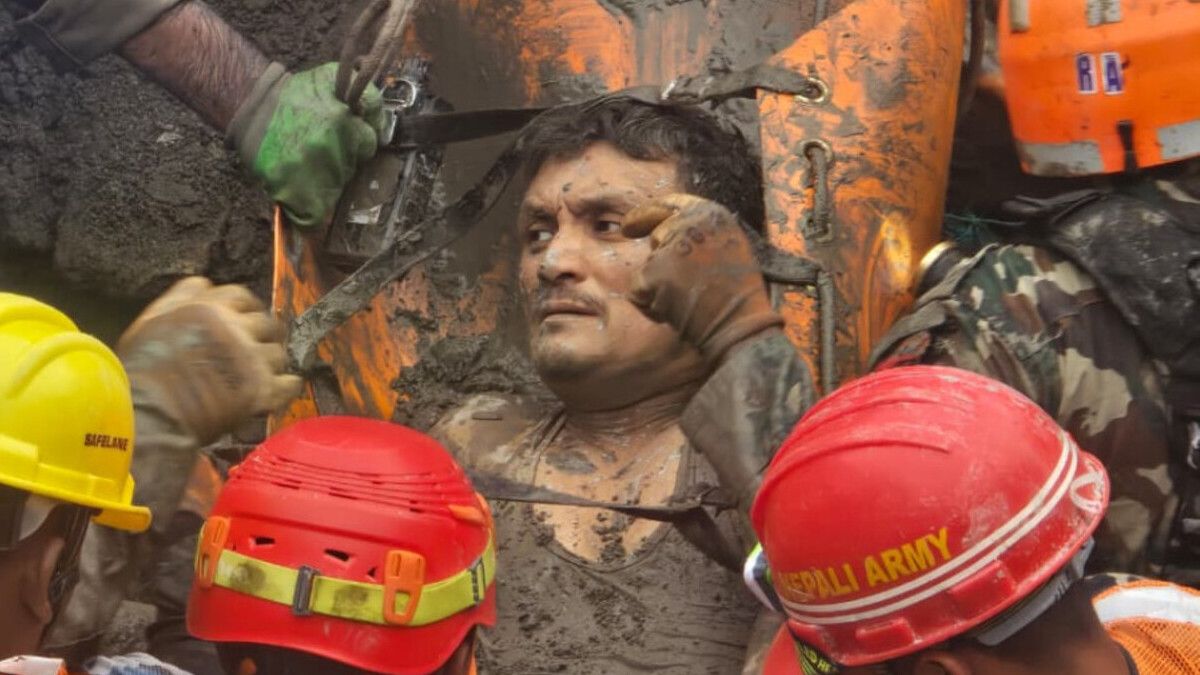
The disaster has also prompted a major search operation around hydropower facilities along the river system. Hundreds of workers were believed to have been at hydropower projects when the flood struck, and rescue teams have been attempting to reach people who may be trapped inside tunnels or other structures.
Reuters reported that rescue teams were working to reach approximately 900 workers believed to have been trapped in hydropower tunnels. At the Trishuli-3A project, oxygen was being pumped into areas believed to contain potentially survivable chambers.
Foreign nationals among the missing
The disaster has affected people from numerous countries, including tourists and pilgrims travelling through the region.
The reported that more than 590 foreign nationals from 39 countries remained among those listed as missing, while 324 foreign nationals had been rescued. Some people previously reported missing have subsequently made contact with their families or authorities.
Australia, in particular, has continued efforts to locate missing citizens. Australian authorities said 38 Australians remained missing after the number was revised from an earlier figure of 43. Australia has also deployed drone specialists to assist search operations.
Roads and infrastructure badly damaged
The floods caused extensive damage to roads, bridges, electricity networks, telecommunications infrastructure and hydropower projects.
Entire settlements along the Bhotekoshi and Trishuli corridors were inundated or swept away. Damaged roads have made access to some communities difficult, leaving helicopters and other emergency transport as important means of delivering supplies and reaching isolated areas.
Nepal’s hydropower sector has been particularly affected. Rescue teams have focused on several facilities where workers remain unaccounted for, while authorities have begun clearing mud and debris from tunnels and other infrastructure.
Local reporting has also highlighted difficulties in getting relief supplies into some of the most severely affected communities because roads and bridges have been destroyed or blocked by debris.
Search and recovery operations continue
Despite the worsening humanitarian conditions, search teams continue to look for people who remain missing.
The operation involves the Nepal Army, Nepal Police and Armed Police Force, supported by heavy machinery, helicopters and international assistance. India, China, South Korea, Singapore and other countries have offered or provided assistance, including technical and search-and-rescue support.
Authorities are also working to identify recovered bodies. With the number of unidentified victims increasing, DNA samples are being collected and temporary burial sites have been established for bodies that cannot immediately be identified. Families of people still missing have begun holding symbolic funerals in some communities.
UNICEF said the immediate provision of safe water and sanitation would remain essential as displaced families return to affected communities. The agency warned that restoring damaged systems would require longer-term repairs and reconstruction rather than only temporary emergency measures.
The floods have left a large-scale humanitarian and infrastructure emergency more than a week after the disaster, with search operations continuing while authorities and aid agencies work to provide essential services to survivors.