Colombia earthquake death toll rises to 273 as 496 remain missing
Colombia's earthquake death toll has risen to 273, with 496 people missing and 3,494 injured as search-and-rescue operations continue across heavily damaged areas.
- Colombia's earthquake death toll has risen to 273, with 496 people still missing.
- The disaster has affected 53,816 people and destroyed more than 11,000 homes.
- International assistance is supporting rescue, medical, shelter and relief operations.

The death toll from the devastating earthquake that struck Colombia on Monday has risen to 273, while 496 people remain missing and 3,494 others have been injured, according to President Abelardo de la Espriella.
The latest figures were released by the government as emergency and search-and-rescue operations continued in areas affected by the magnitude 7.4 earthquake.
According to the latest report from Colombia's National Unit for Disaster Risk Management (UNGRD), 25,872 families, equivalent to 53,816 people, have been affected by the earthquake.
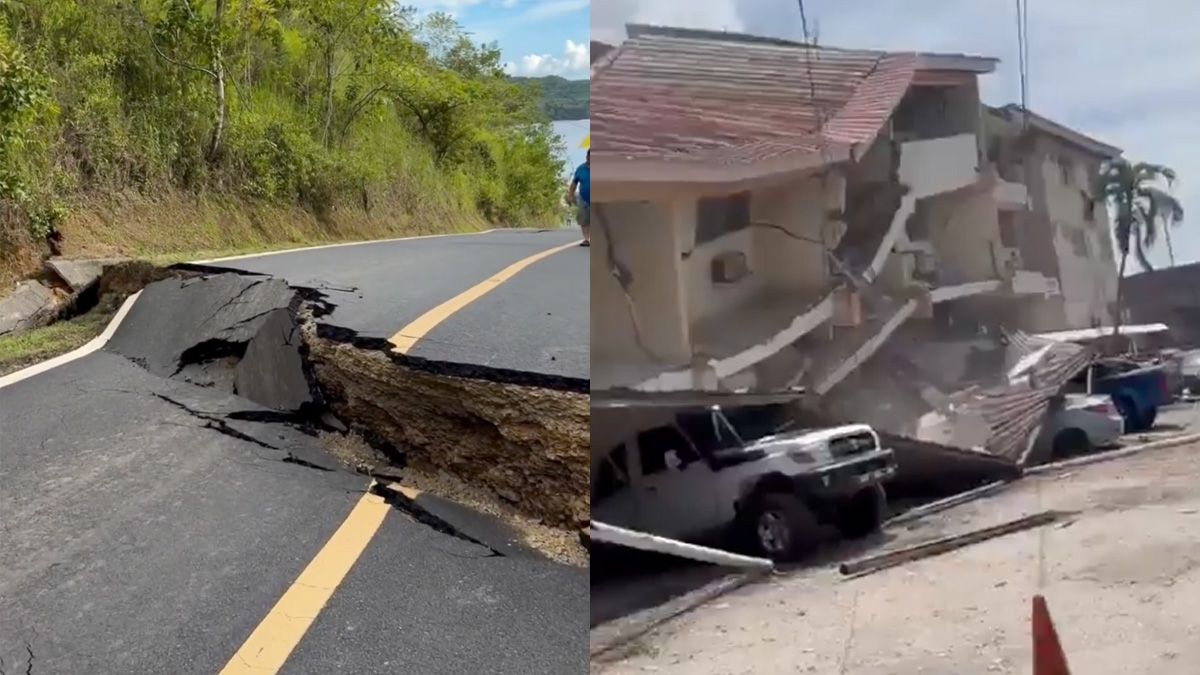
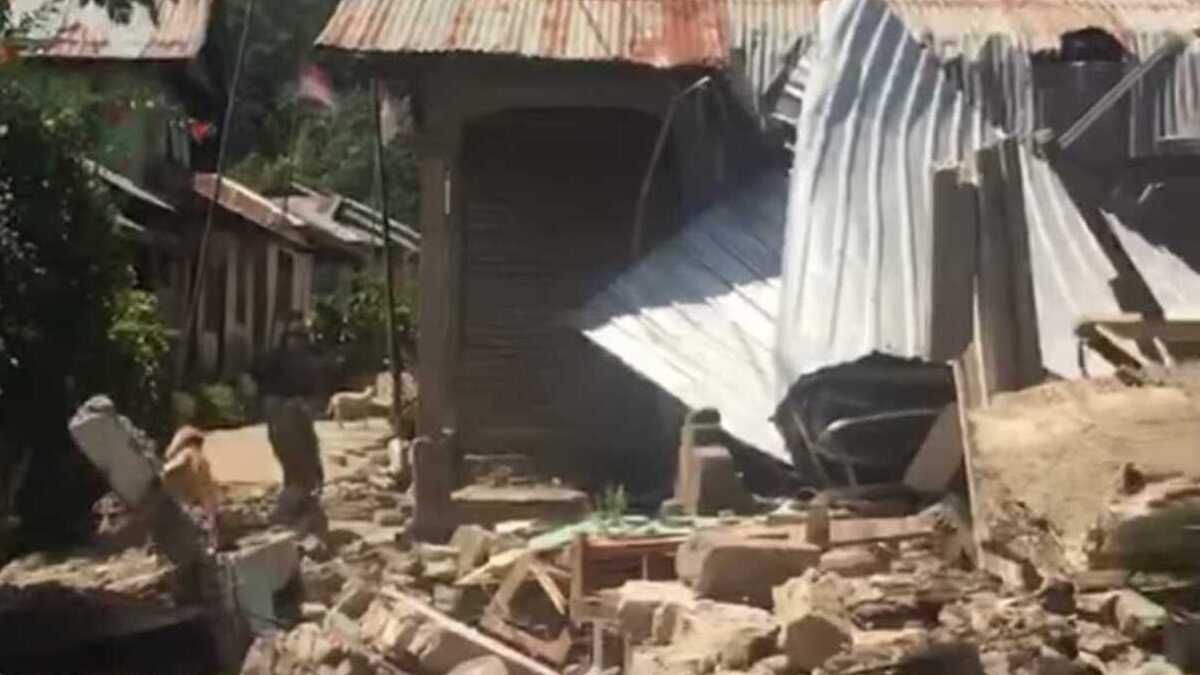
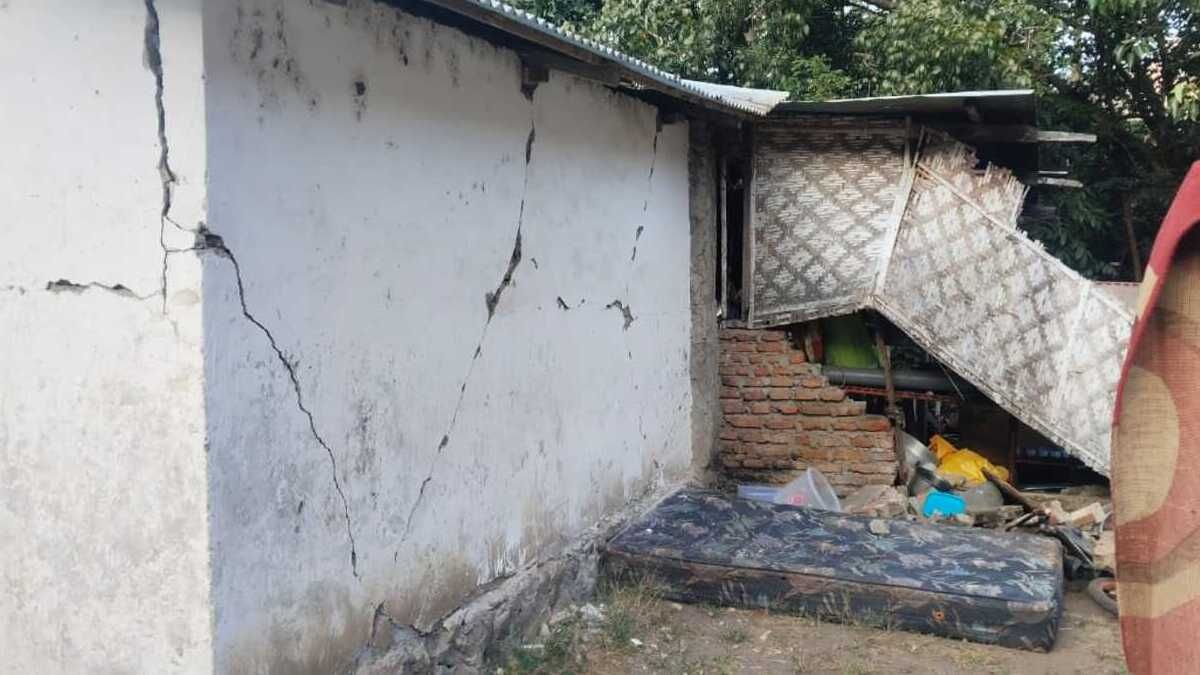
The disaster has destroyed 11,347 homes and damaged a further 53,526, while 140 buildings, 1,819 schools and 631 community centres have also been affected.
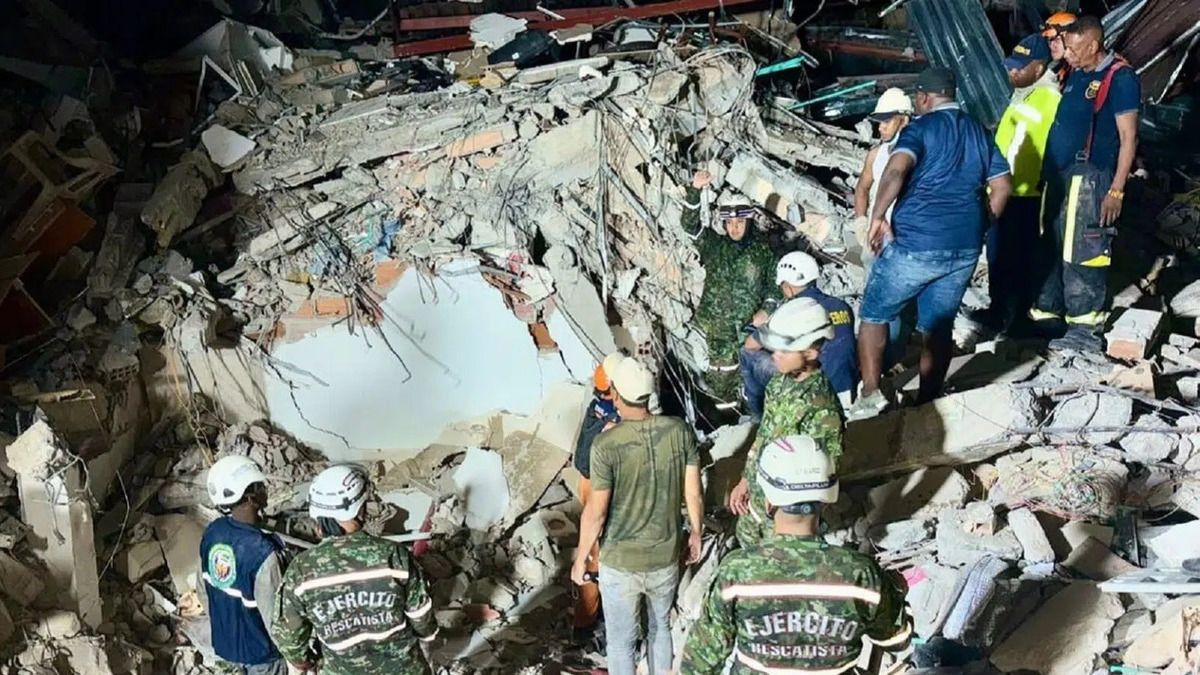
The scale of the destruction has left emergency teams searching collapsed structures and hard-to-reach areas for people who remain unaccounted for.
Search and rescue operations continue
With 496 people still officially reported missing, search and rescue operations remain a priority for emergency agencies.
Specialised teams have been deployed to inspect collapsed buildings and other locations where people could still be trapped. Heavy machinery, search dogs and other rescue equipment are being used in the affected areas.
More than 340 people have so far been rescued alive by emergency response teams working in the areas hardest hit by the earthquake.
The government has also allowed foreign rescue teams to enter Colombia to support the emergency response.
The earthquake was centred in the department of Chocó and had a magnitude of 7.4. The tremor was felt across large parts of the country and caused severe damage in cities and municipalities including Cali, Pereira and Quibdó, as well as other areas in western Colombia and the Andean region.
The number of injured stands at 3,494. Many have been treated at hospitals and medical centres in affected areas, while health authorities continue deploying medical resources to communities affected by the disaster.
Thousands of homes destroyed or damaged
The earthquake has affected tens of thousands of families, according to the UNGRD figures.
Of the 11,347 homes reported destroyed, another 53,526 have sustained damage. Infrastructure damage has also affected schools, community centres and other buildings.
The destruction has complicated efforts to deliver assistance to some of the hardest-hit communities, particularly in areas where roads and other transport links have been affected.
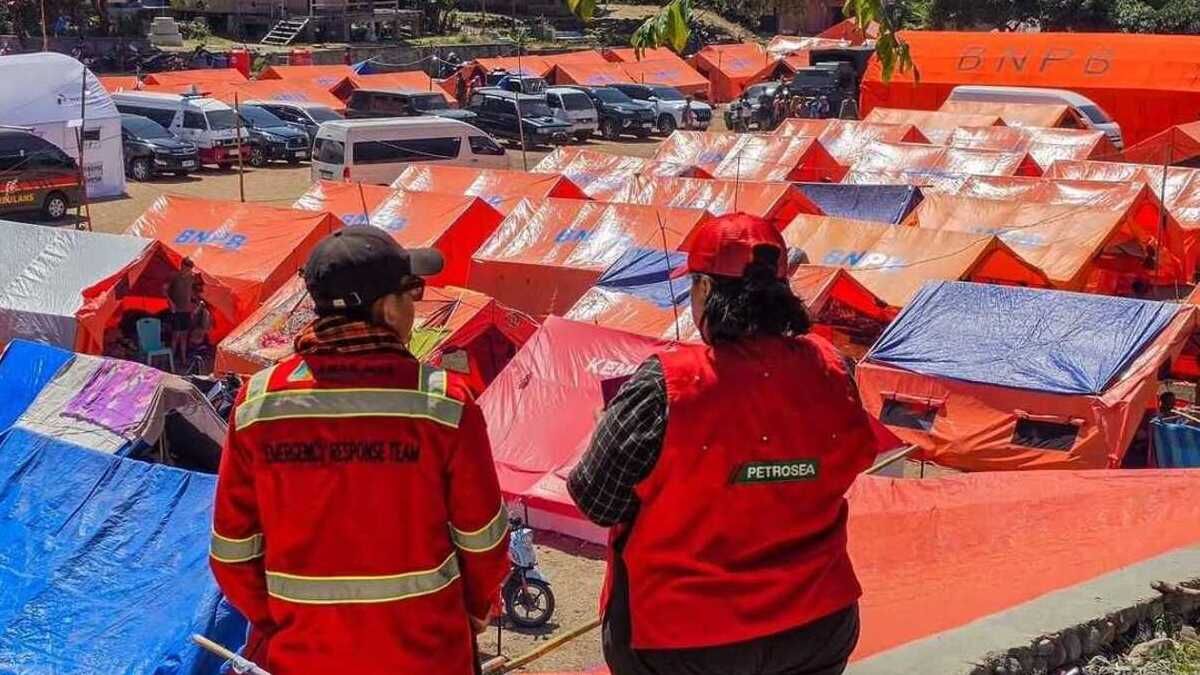
More than 1,000 people remain in shelters established by local authorities in some of the worst-hit cities.
Other families have set up tents in streets while waiting for conditions to improve and for damaged homes to be assessed.
The government is continuing to prioritise the search for people reported missing, amid concerns that some may remain trapped beneath collapsed structures.
International assistance reaches affected communities
Colombia has received international assistance as emergency operations continue.
Spain has activated an initial aid package worth €1 million to provide shelter materials, water and sanitation kits and medical assistance. Seven Spanish non-governmental organisations are also working in affected areas.
From the United States, Direct Relief is funding emergency flights to transport blood, medical personnel and medical supplies to hard-to-reach communities in Chocó.
Access remains difficult in parts of Chocó, Valle del Cauca and Risaralda, where authorities and aid organisations have had to use air and river transport to deliver assistance.
In Bogotá and other cities, channels have been established to receive financial donations and essential supplies for affected communities.
The Bogotá Food Bank, known as ABACO, is among organisations helping to channel resources towards food and other supplies for earthquake victims.
Animal rescue effort expands after earthquake
The earthquake has also affected animals and animal shelters across several departments.
Senator Andrea Padilla has launched a nationwide fundraising campaign called “Una Garra por Colombia”, or “A Paw for Colombia”, to support cats and dogs affected by the disaster.
According to figures from Padilla's office, 1,870 cats and dogs in Caldas, Risaralda, Quindío, Valle del Cauca and Antioquia now require assistance following the earthquake.
The campaign is focused on three immediate needs: damaged animal shelters, medical emergencies and pets that have gone missing.
Padilla's office has identified 32 shelters that have either collapsed or are at risk of collapse.
The affected shelters are concentrated in Villamaría near Manizales, Chinchiná and Pereira in the coffee-growing region, Armenia and Quimbaya in Quindío, three municipalities in Valle del Cauca and Betania in Antioquia.
Reports from Chocó and Buenaventura had not yet been received, meaning the number of affected shelters could increase.
Donations collected through the Vaki crowdfunding platform are intended to pay for materials including roof tiles, cement, wire mesh and pallets needed to repair shelters and protect animals.
Padilla has also urged potential donors to verify the fundraising campaign through her official channels, warning about the risk of fraudulent campaigns appearing after disasters.
Missing pets add to impact on families
Padilla's office has recorded 200 cats and dogs reported missing across the earthquake-affected region.
Her social media accounts have been used to share photographs of animals that have been found and those still missing, allowing owners to search for their pets.
People who prefer to donate supplies rather than money can provide pet food, medical supplies such as antibiotics and antiseptics, and basic equipment including crates, blankets and leashes.
Donations of supplies are being accepted at Laika pet stores in Bogotá, Cali and Medellín until 16 August.
The animal rescue campaign comes as emergency services continue to focus on people affected by the earthquake and the large-scale damage to homes and infrastructure.
The government and humanitarian organisations continue to coordinate rescue, medical assistance, shelter and relief operations across the affected regions as the search for missing people continues.