Iran denies requesting talks with US after Trump says ceasefire is over
Iran's Foreign Ministry has denied requesting negotiations with the United States, contradicting President Donald Trump, who said Tehran asked to continue talks even as he declared the ceasefire "over".
- Iran denies seeking US talks, says only a Qatari mediation visit was accepted.
- Trump says ceasefire is "over" despite claiming Iran sought to continue talks.
- New US sanctions target Iranian financier as Hormuz tensions persist.

Iran's Foreign Ministry has denied that it requested negotiations with the United States, directly contradicting President Donald Trump, who said on Friday, 10 July 2026, that Washington had agreed to continue talks with Tehran.
Foreign Ministry spokesperson Esmaeil Baghaei said "the Islamic Republic of Iran has made no request for negotiations with the US," according to Iran's official news agency IRNA. He said Iran's policy remained based on the principle of "commitment for commitment".
Baghaei warned that "any breach of commitments by Washington will be met with reciprocal action by Iran". He accused the US of repeated violations of the memorandum of understanding (MoU) signed last month, including new sanctions and measures targeting Iranian oil sales.
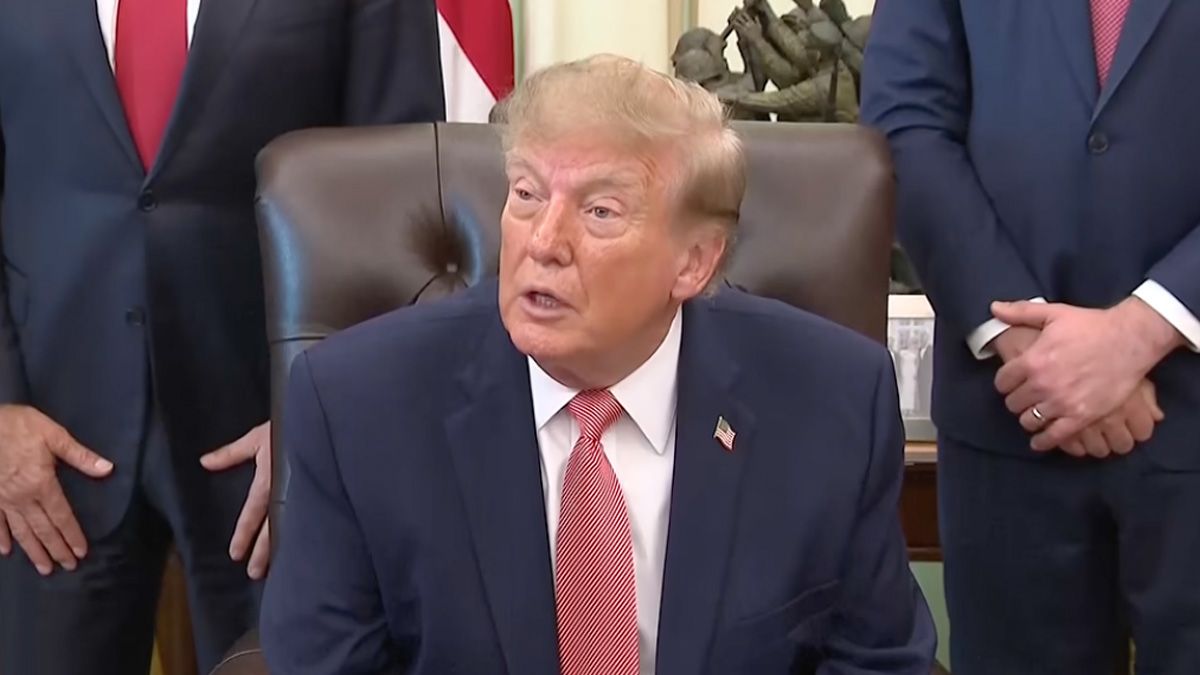
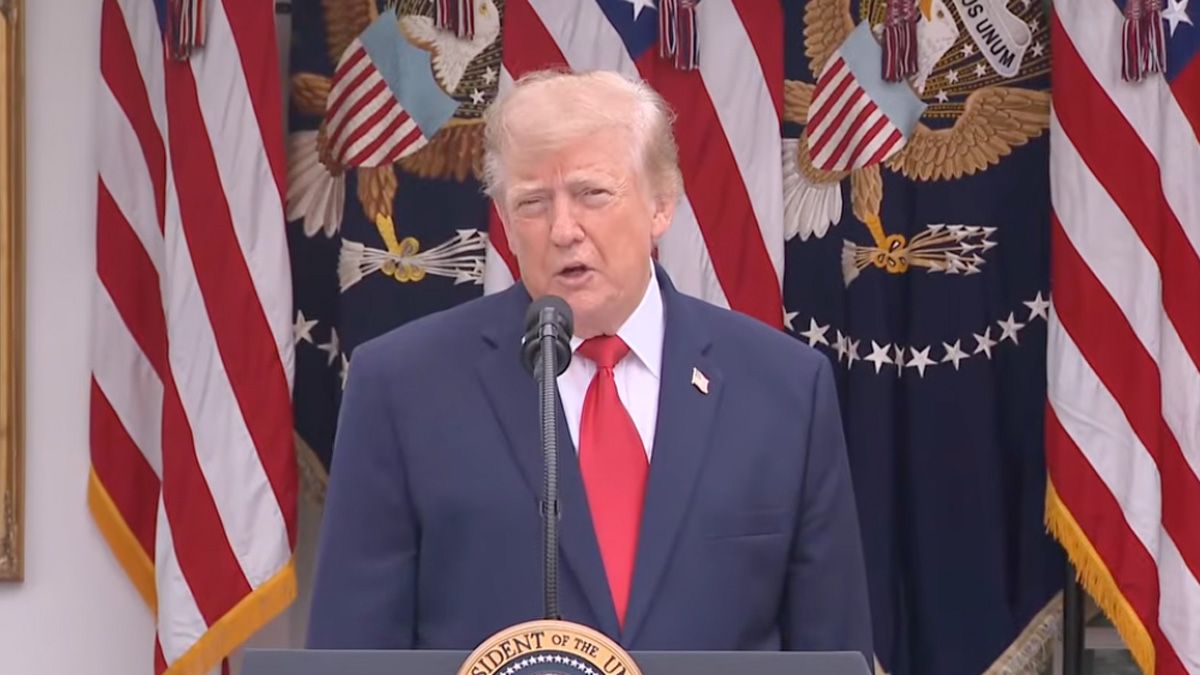
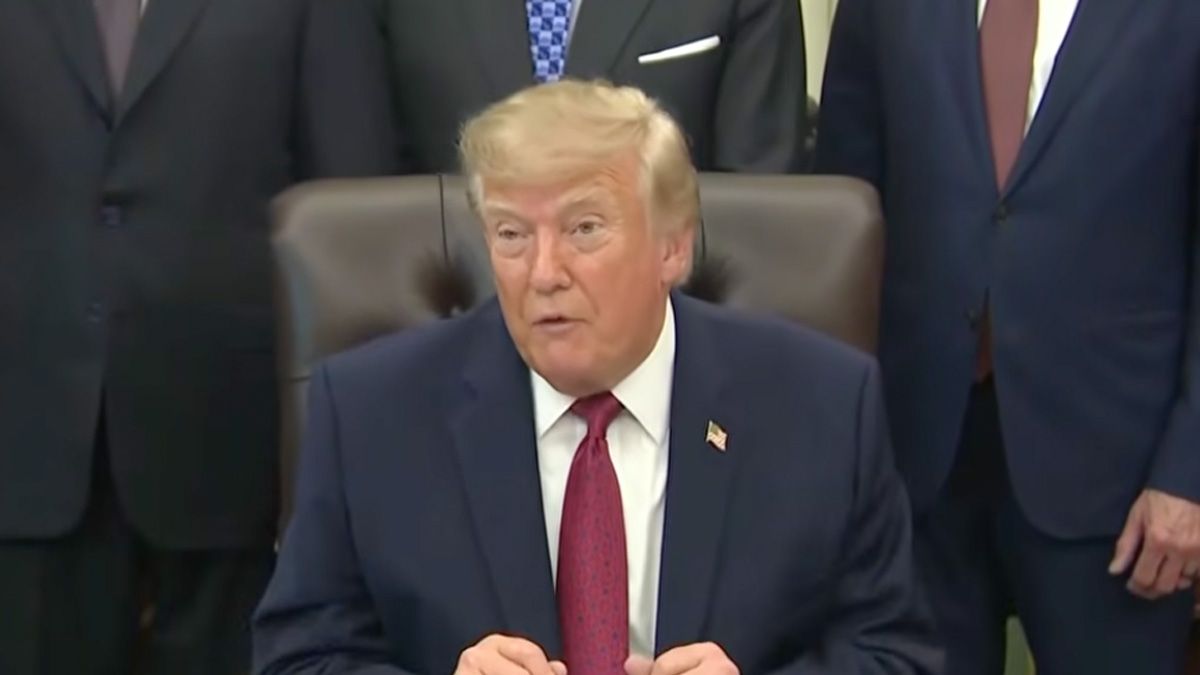
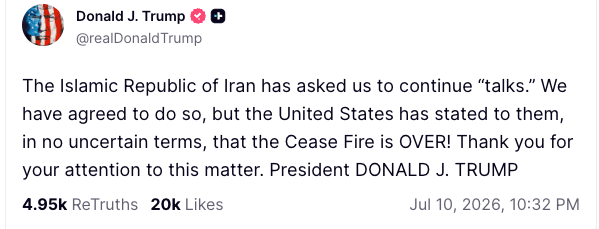
Trump, writing on Truth Social, said Iran had asked Washington to continue talks and that the US had agreed. He nonetheless reiterated that "the Cease Fire is OVER," referring to the truce reached under the MoU.
Baghaei clarified that Iran had accepted a request from Qatar, a regional mediator, to visit Tehran. The visit took place on Friday in Mashhad, where Iranian officials met a Qatari delegation to discuss developments, he said.
According to the news outlet Axios, US officials said Iranian representatives had privately told American interlocutors: "We messed up. We made a mistake. Let's continue talking." Officials described an internal power struggle within Tehran over whether to negotiate with the Trump administration.
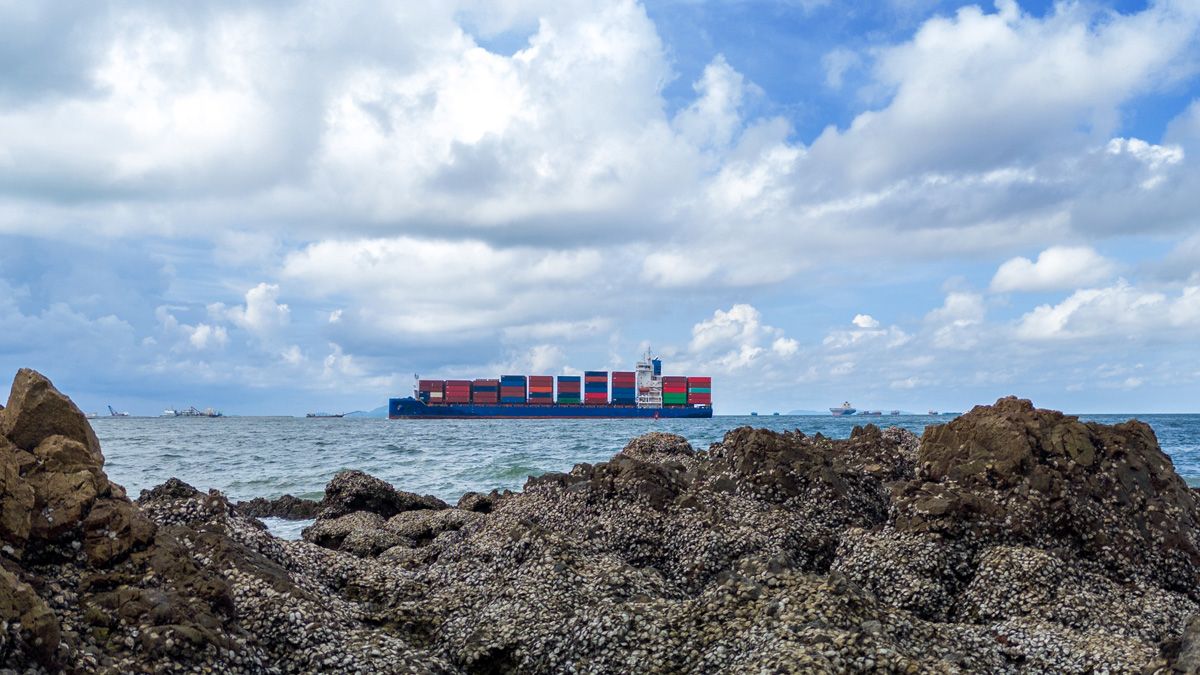
Washington is demanding that Iran issue a public statement confirming the Strait of Hormuz remains open and pledging not to fire on commercial vessels transiting the waterway, three senior US officials told reporters on Friday.
The dispute follows a sharp escalation this week. Iran attacked three commercial tankers in the Strait of Hormuz, prompting US strikes on Iranian military sites. Iran responded on Thursday, 9 July 2026, with strikes on US military infrastructure in Bahrain, Kuwait, Qatar and Jordan.
Iran's Health Ministry said the US air strikes killed 17 people and injured 115 others across six Iranian cities.
Mohammad Baqer Qalibaf, Iran's chief negotiator, said Tehran would never surrender and was prepared for "all-out defence" should the US abandon the MoU.
Iran's envoy to the United Nations, Amir-Saeid Iravani, told an emergency UN Security Council session that the US "bears full international responsibility" for its actions and urged the body to hold Washington accountable.
Tammy Bruce, deputy US envoy to the UN, said the door to diplomacy remained open, but with conditions.
The US Department of the Treasury separately announced new sanctions on Friday against Iranian financier Ali Ansari, whom it accuses of managing assets tied to Iran's leader, Mojtaba Khamenei, and other regime figures.
Foreign Minister Abbas Araghchi is due to travel to Oman on Saturday, 11 July 2026, for talks focused on the Strait of Hormuz and maritime safety, continuing consultations held in Tehran and Muscat.
The strait, which handled roughly a fifth of global oil supplies before the war, has seen sharply reduced tanker traffic. Data from maritime monitoring firm Kpler showed shipping activity through the waterway declining for a second consecutive day.
Trump also spoke by phone with Saudi Crown Prince Mohammed bin Salman, with both leaders stressing the importance of maritime security in the region, according to the Saudi Press Agency.
The MoU was signed in mid-June under Pakistani mediation, aimed at ending the Iran-US war and reaching a lasting peace agreement.